
Richmond, a River Landscape — History & Facts
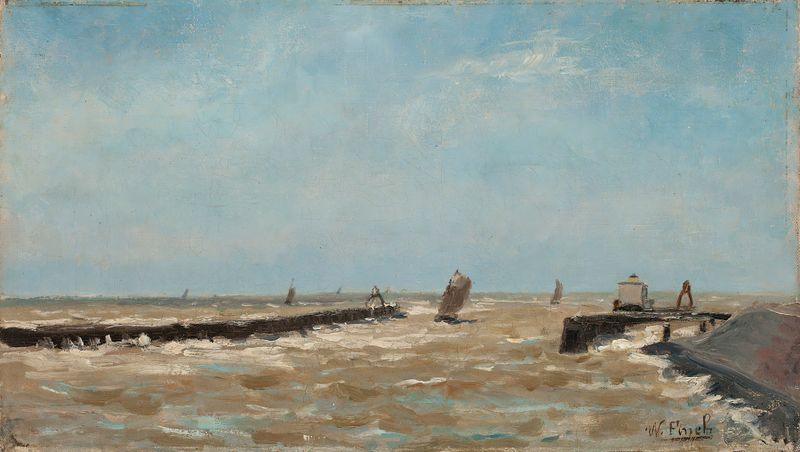
In the stillness of a river landscape, shadows dance across the water, whispering secrets of nature and time. Focus on the horizon, where the sun casts a warm golden hue that gently embraces the rippling surface of the river. The soft blues and greens blend seamlessly, creating an intimate dialogue between the sky and the water. Notice how the shadows of trees spill onto the banks, grounding the scene with their solidity, while the lights ripple like fleeting memories, suggesting the passage of time.
Each element coexists in a serene balance, inviting contemplation. Yet, beneath this tranquil facade lies the tension between light and shadow. The interplay creates a sense of depth, hinting at unseen narratives lurking just beyond the visible. The river, a timeless witness, reflects both beauty and melancholy, perhaps symbolizing the ebb and flow of life itself.
Look closely at the delicate brushwork—the way the artist captures the subtle variations in tone and texture reveals an emotional undercurrent that resonates with the viewer’s own experiences. In 1924, as Richmond, a River Landscape was painted, Alfred William Finch found himself at a crossroads in his artistic journey in England. The world was recovering from the ravages of World War I, and artistic movements were rapidly evolving. Finch's work during this period embraced a quiet yet profound appreciation for the natural world, reflecting both personal introspection and a broader cultural longing for peace and beauty in a changed society.
More Artworks by Alfred William Finch
Browse all →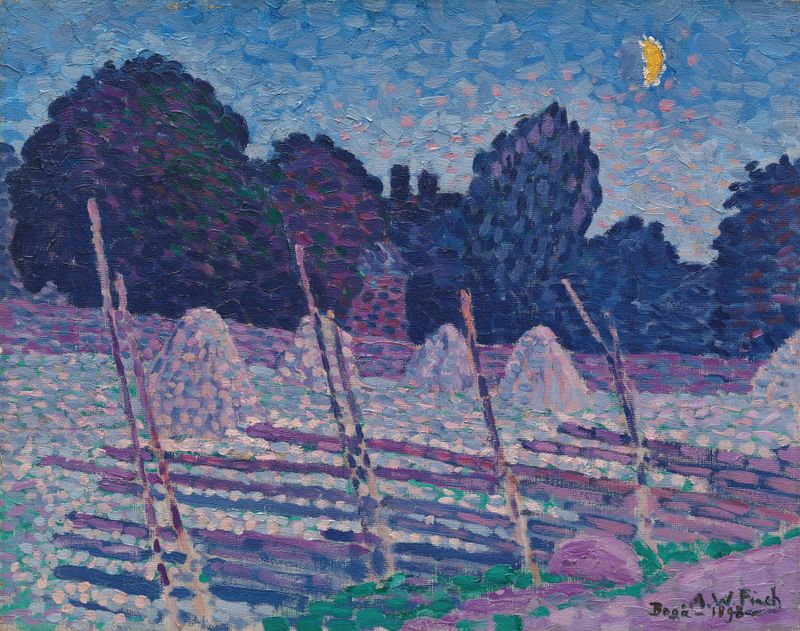
An August’s Night
Alfred William Finch
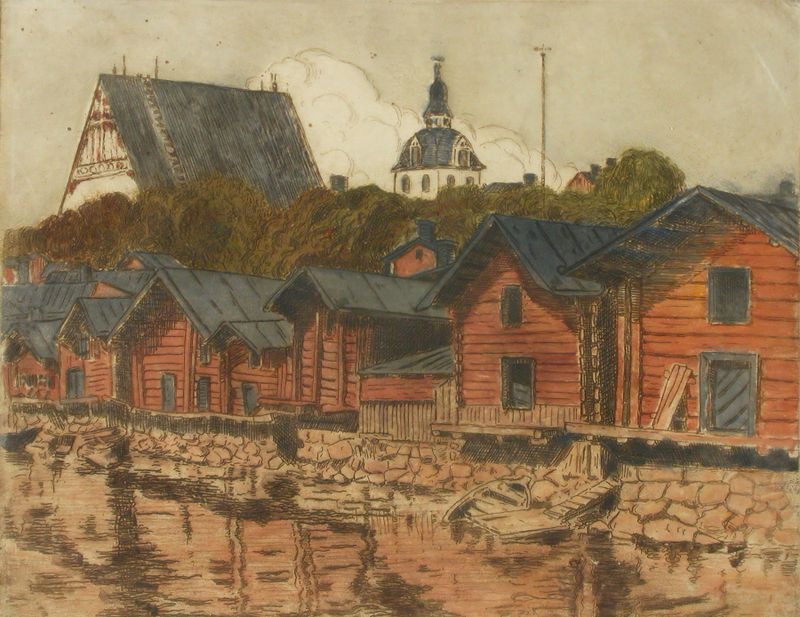
Porvoon ranta-aittoja
Alfred William Finch
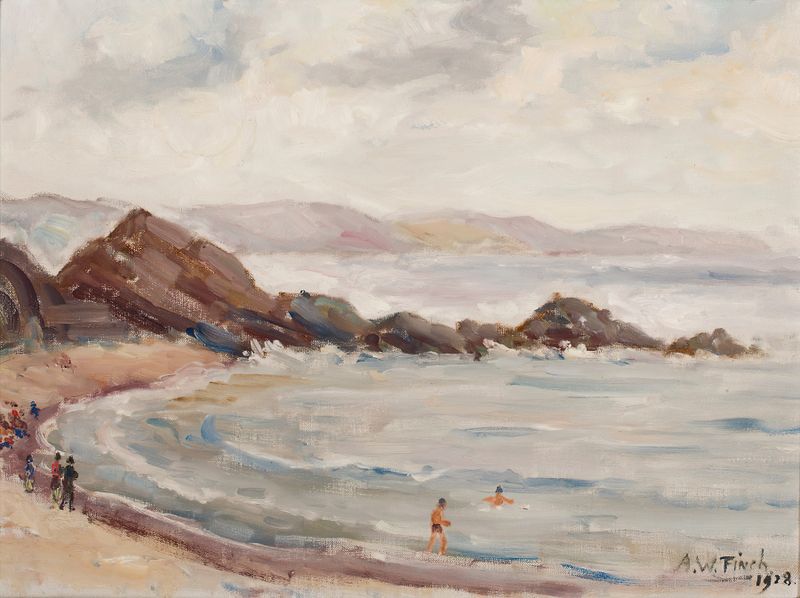
Looen rantaa
Alfred William Finch
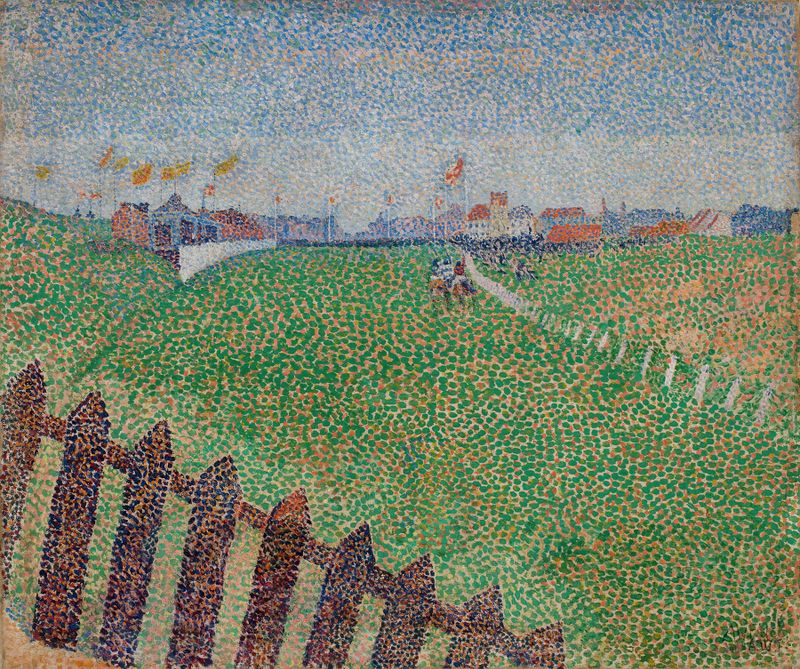
The Wellington Racecourse in Drizzle (Ostende)
Alfred William Finch
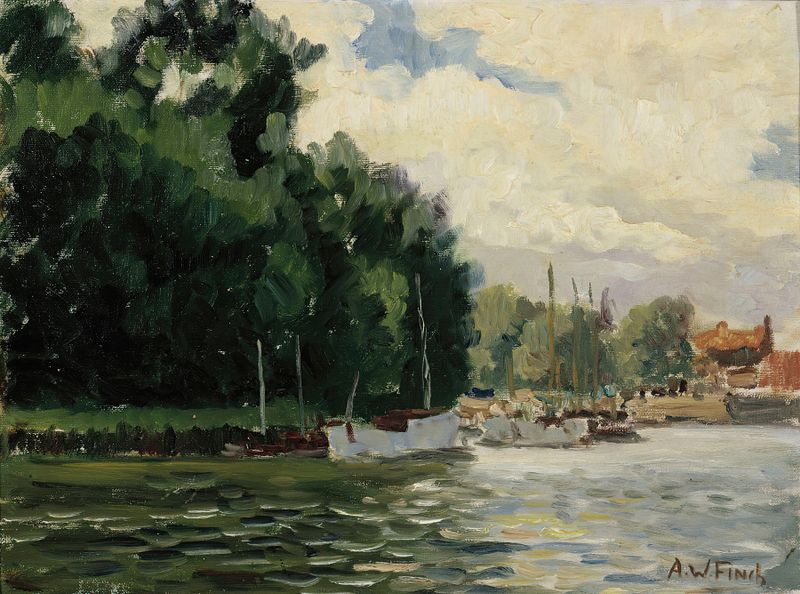
Richmond, Thames
Alfred William Finch
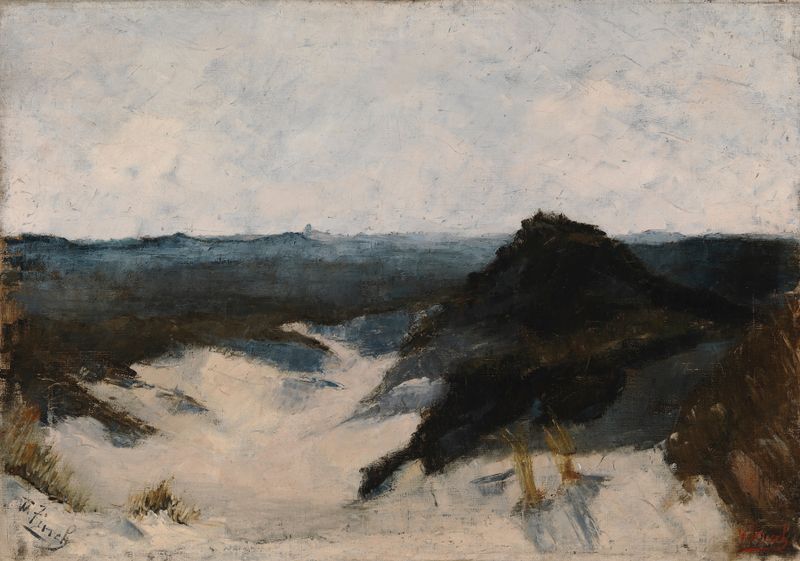
Shore View, Knocke
Alfred William Finch
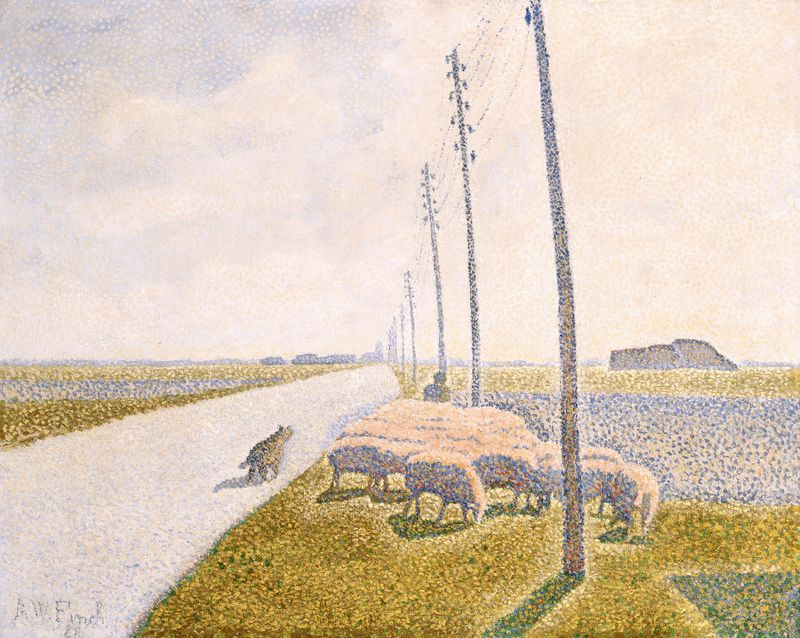
The Road to Nieuport
Alfred William Finch

Bushes
Alfred William Finch
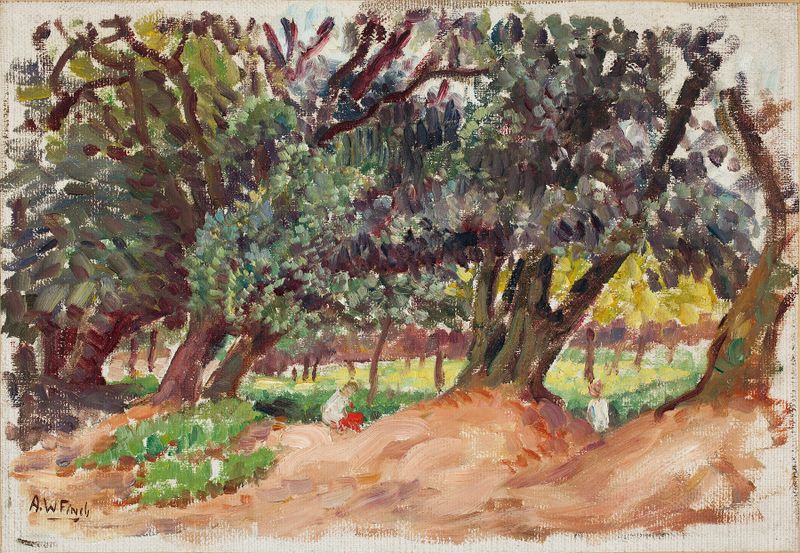
Puistokuva Englannista
Alfred William Finch
A Belgian harbour
Alfred William Finch





