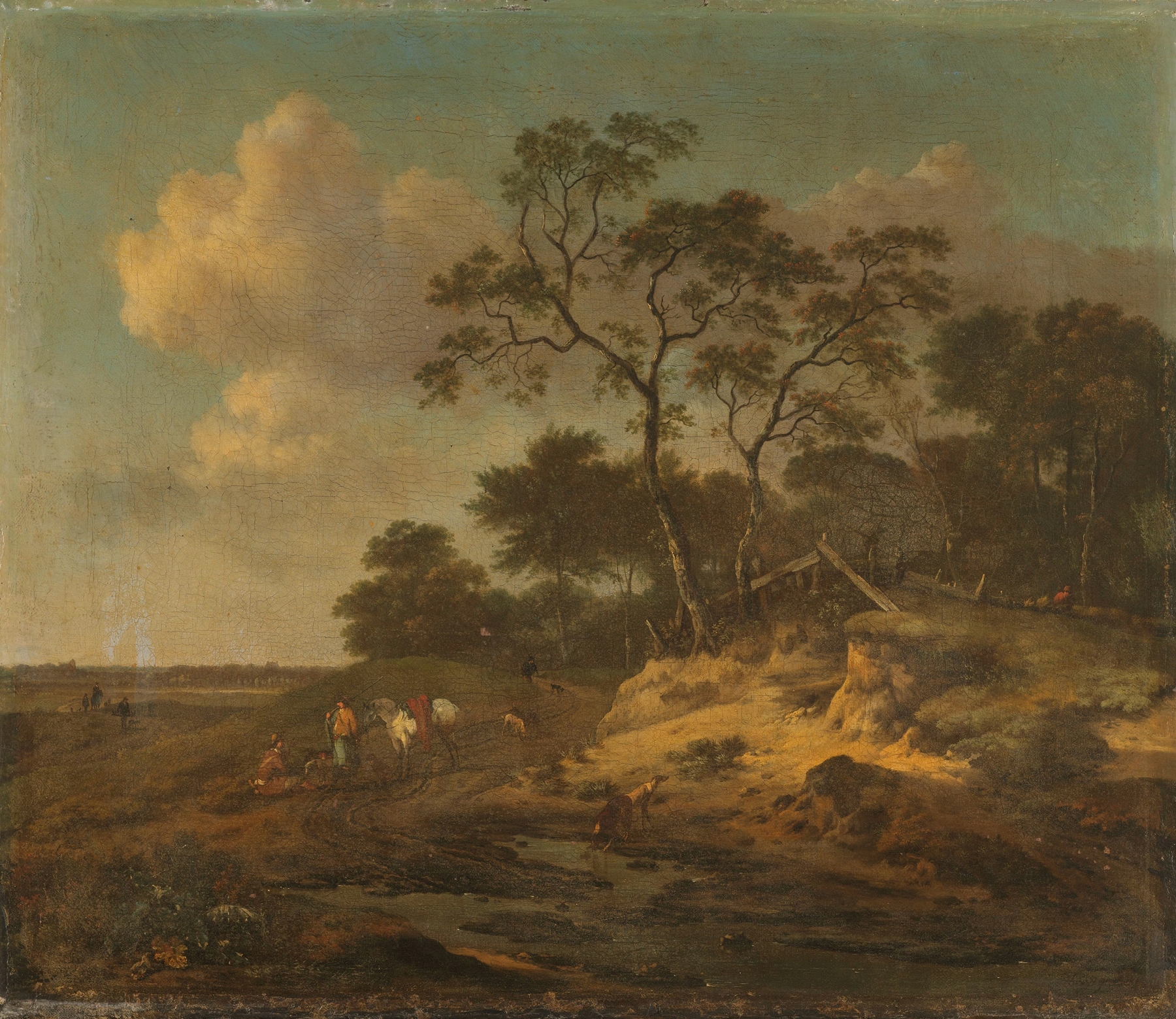
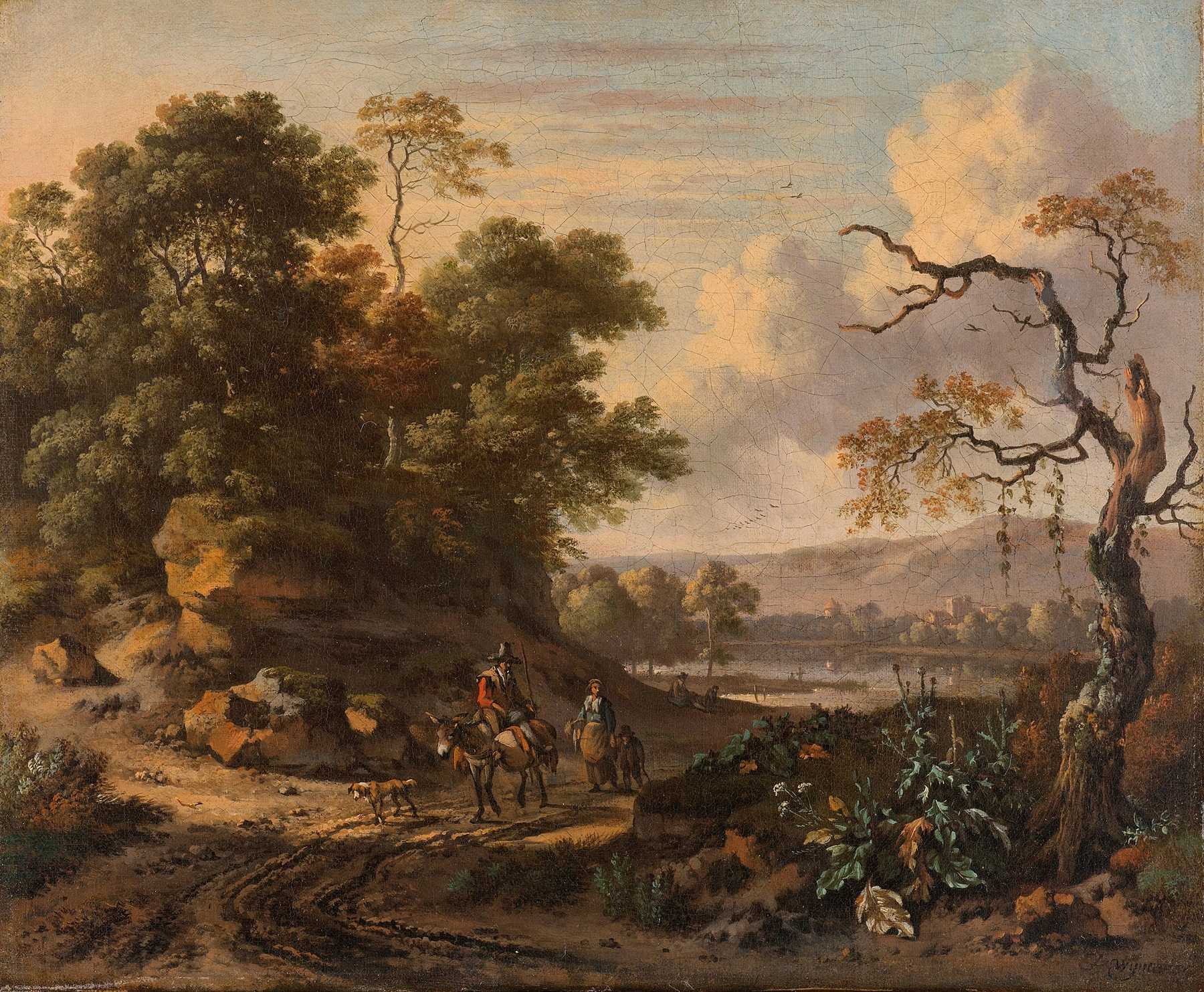
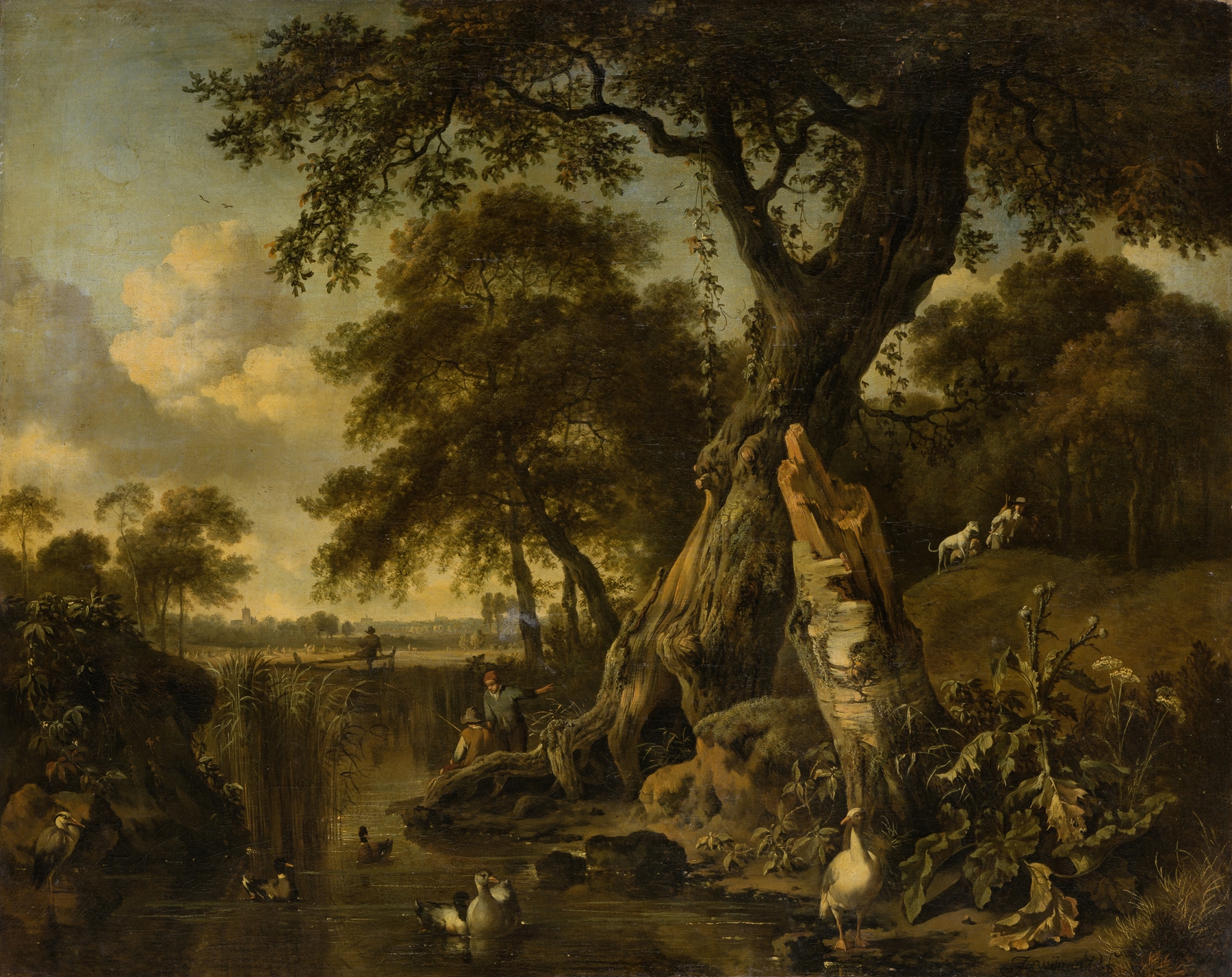
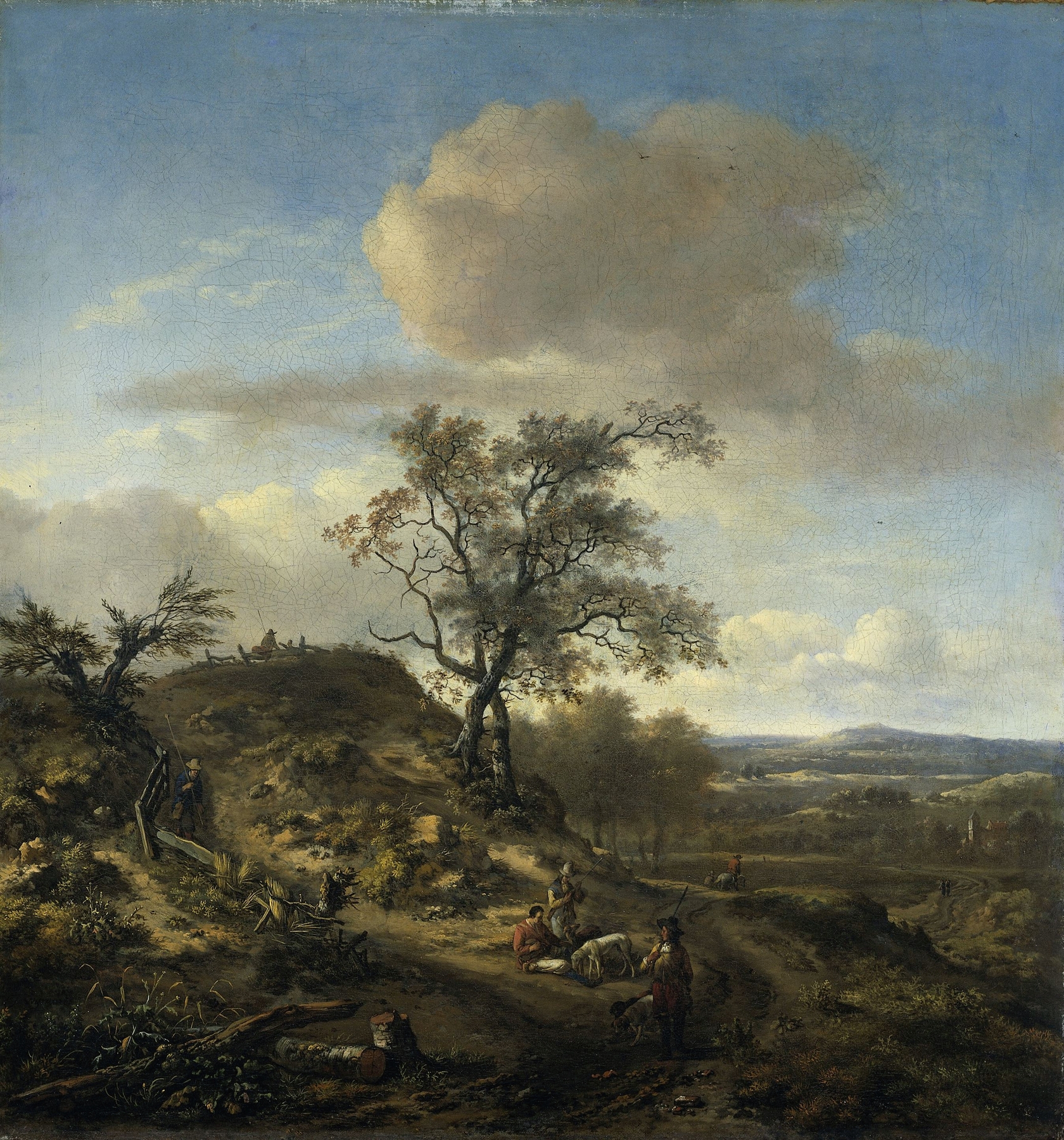
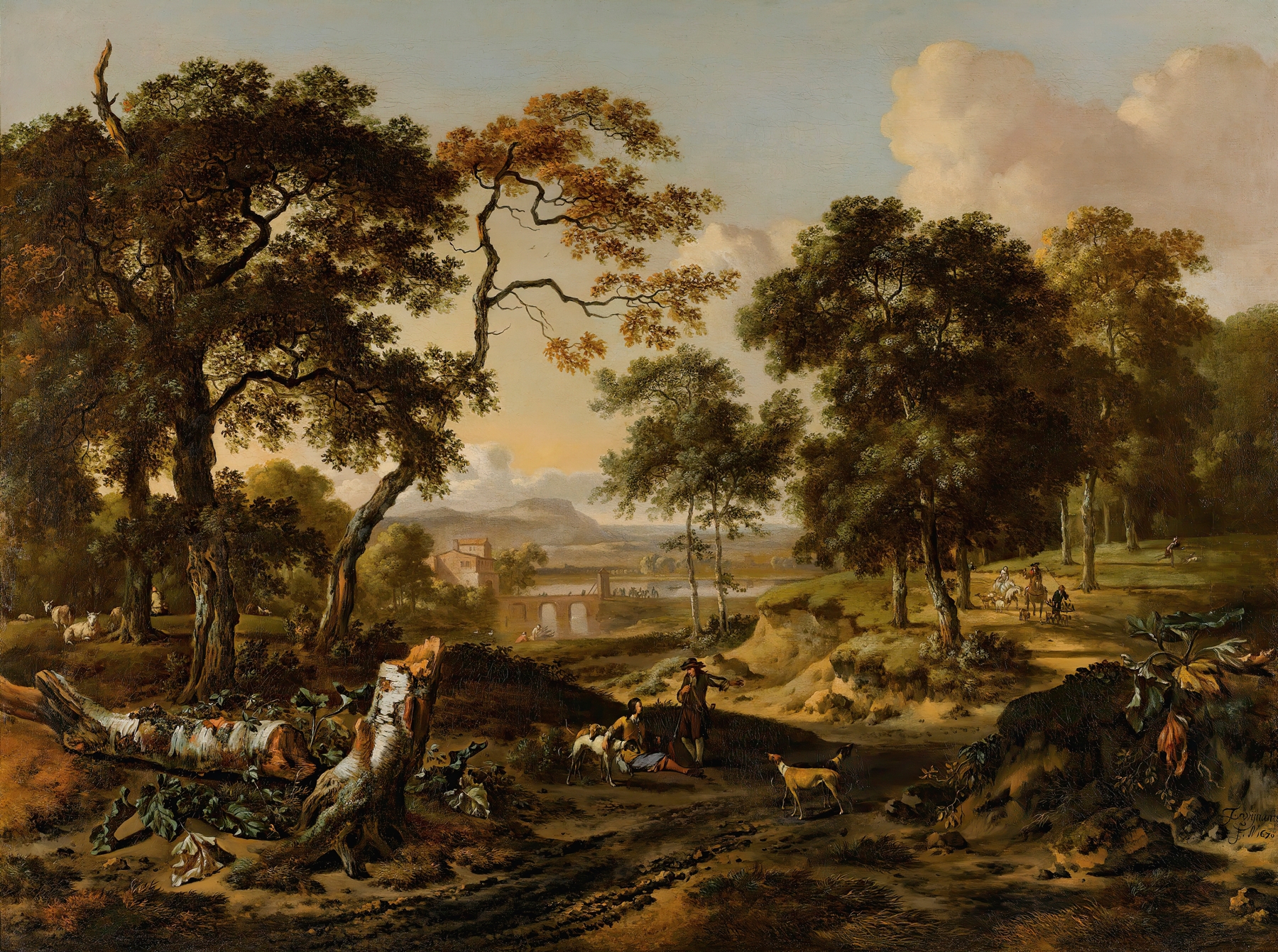
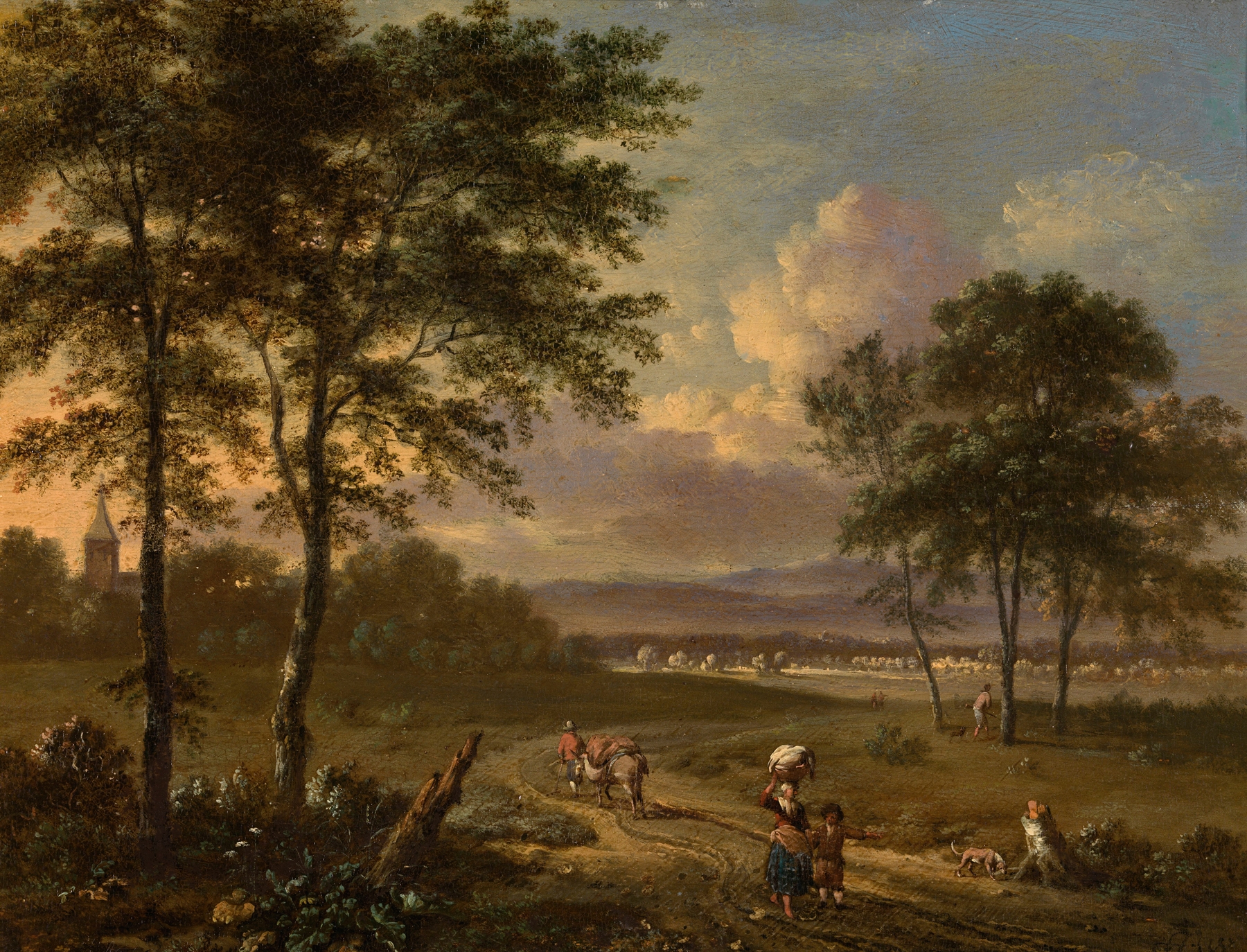
An extensive landscape with figures on a path in the foreground — History & Analysis
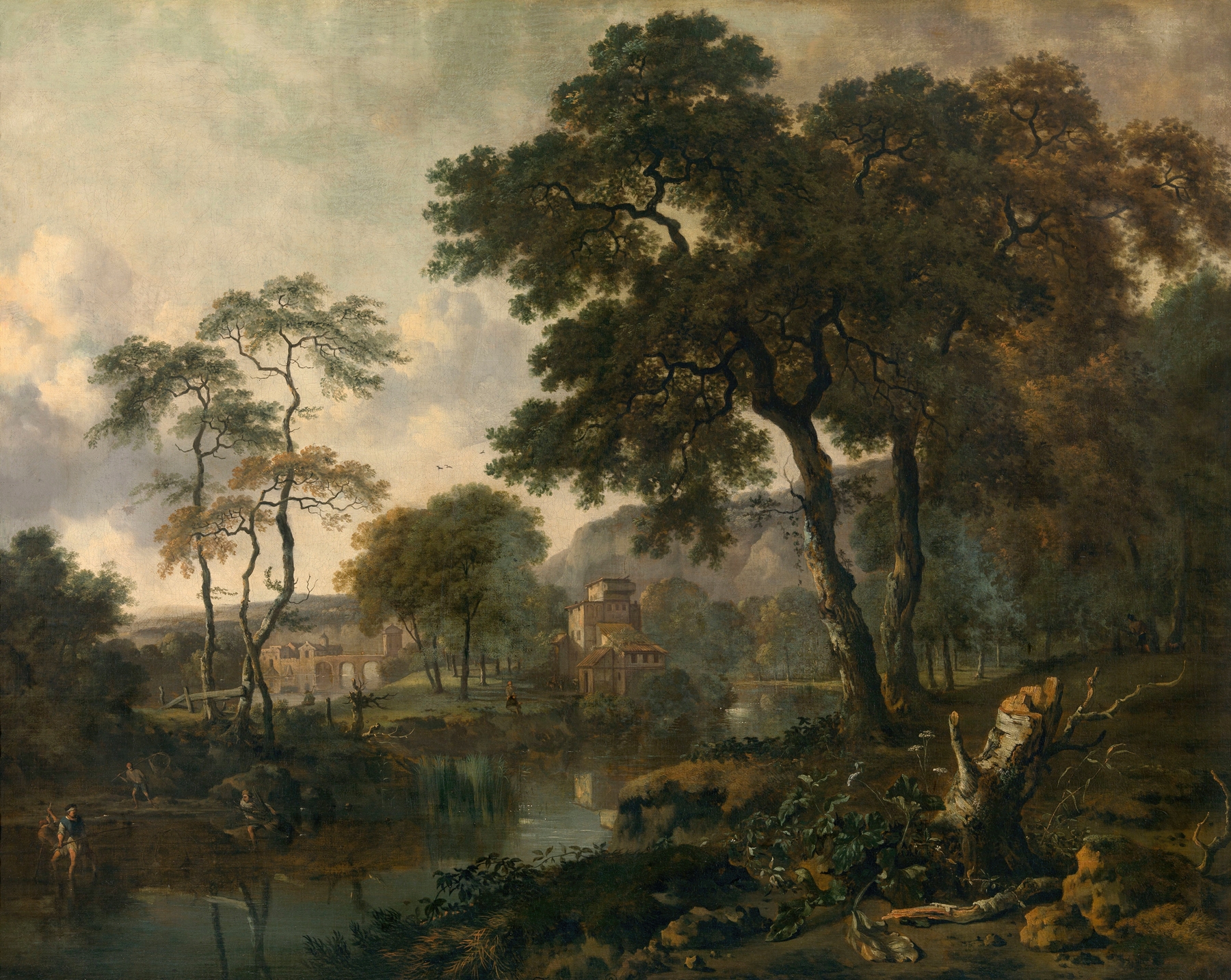
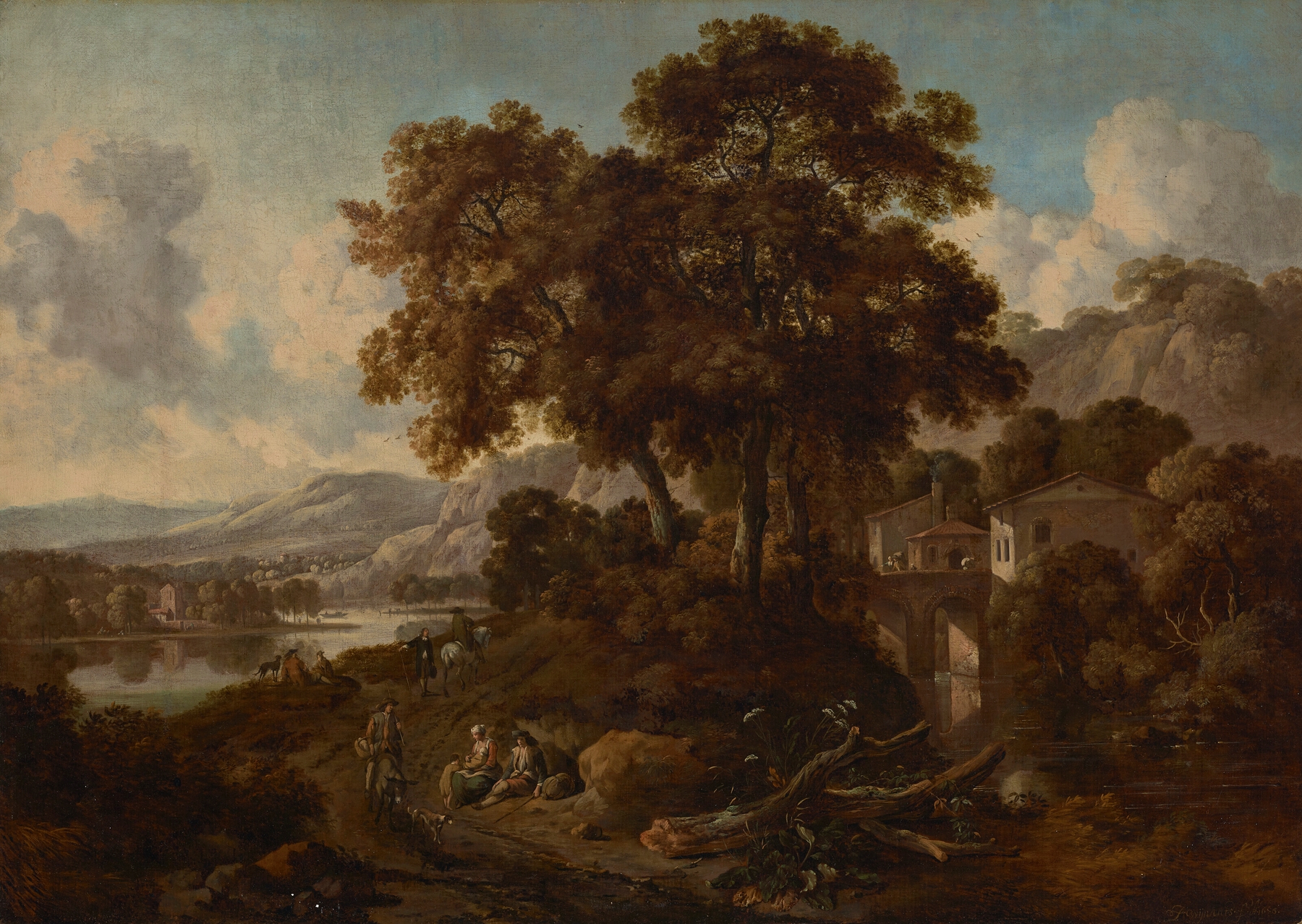
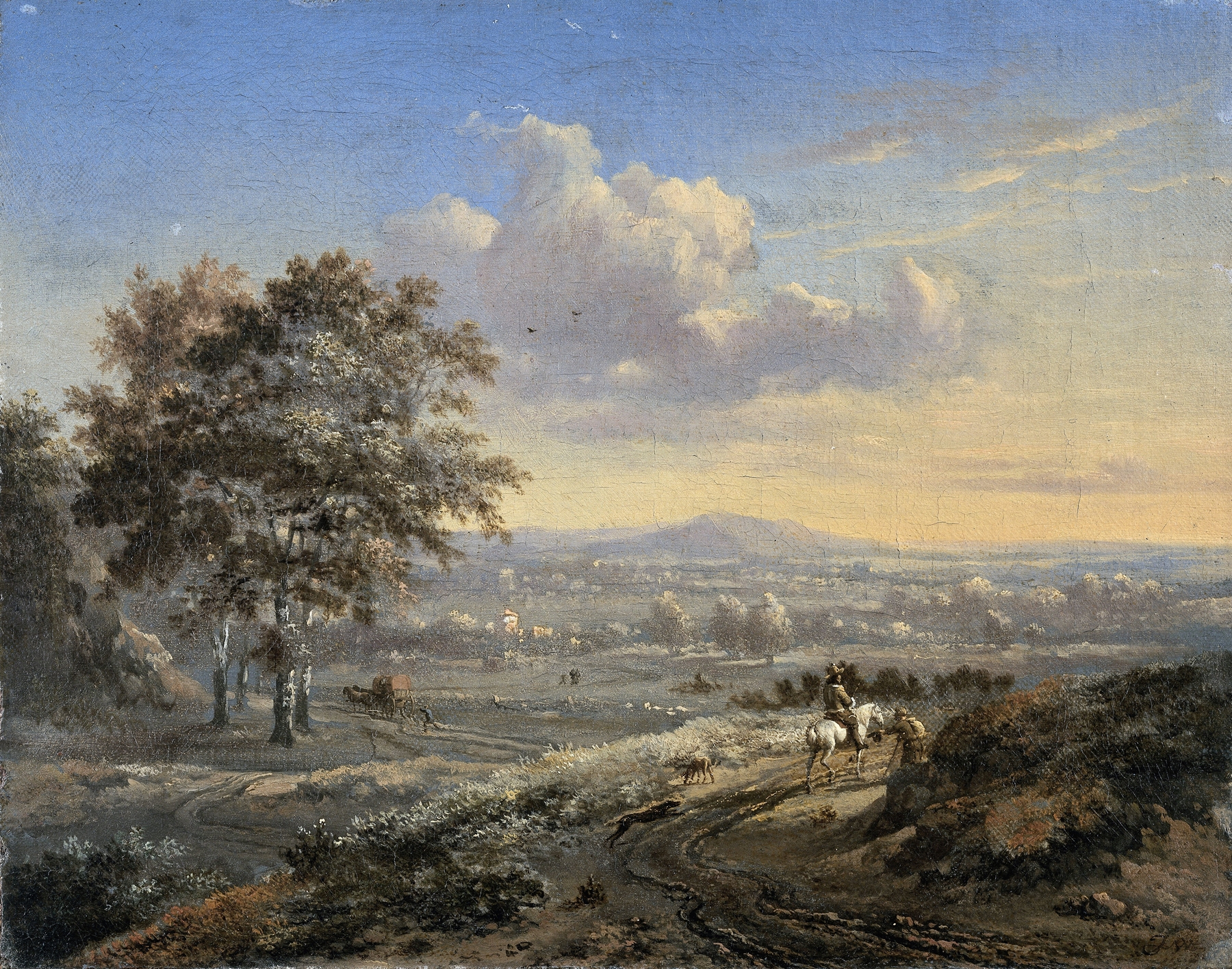
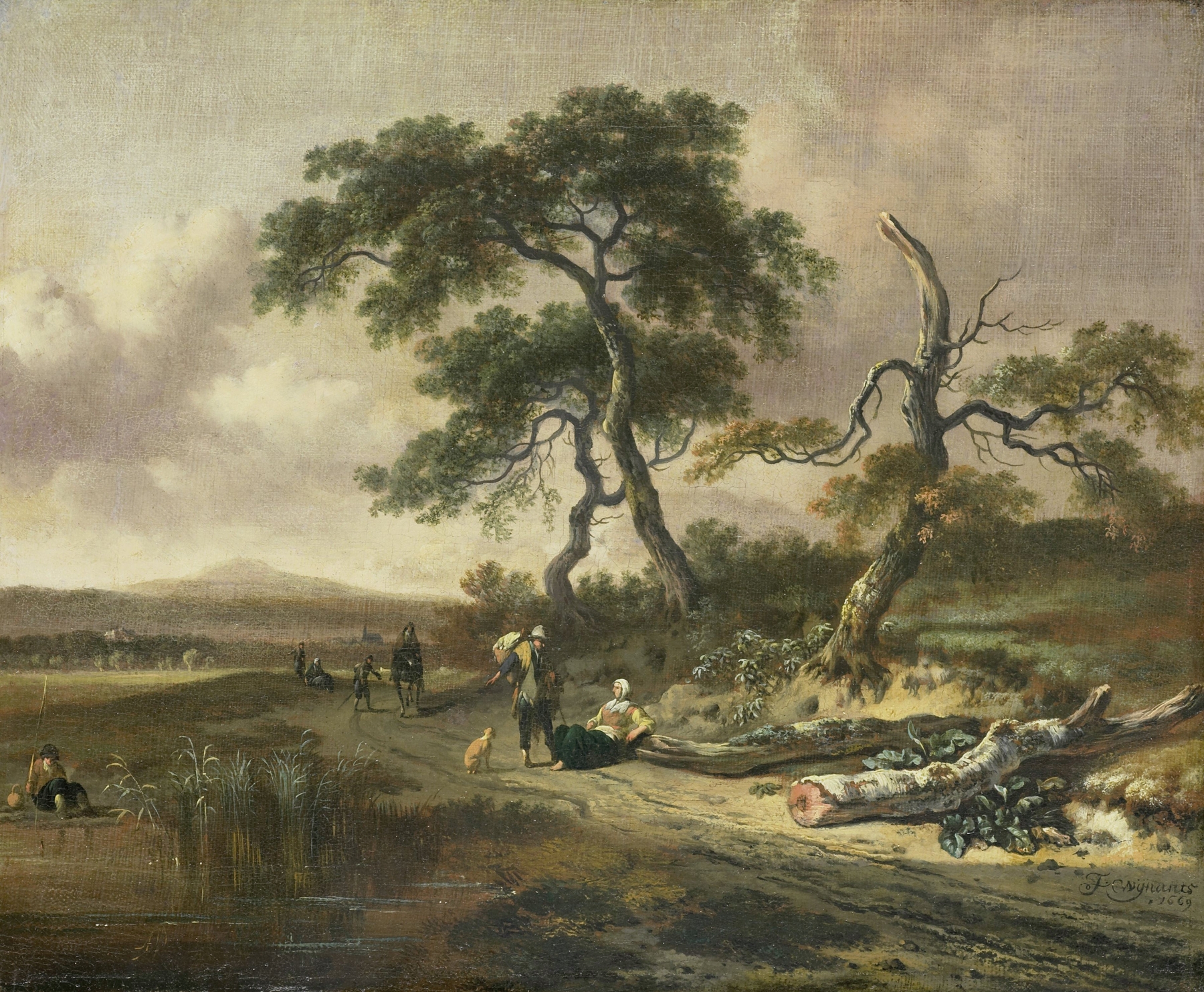
“To paint is to remember what time wants us to forget.” This profound thought evokes the fragility of moments captured on canvas, where eternity intertwines with the ephemeral. In the vast expanse of landscape, figures traverse a winding path, embodying the delicate dance between existence and oblivion. Look closely at the path that meanders through the foreground; it's where the eye is drawn first. Notice the subtle interplay of light and shade, as warm golden tones bathe the figures while cool greens of the background cradle the scene. Wijnants masterfully employs delicate brush strokes, creating a sense of depth and movement, inviting the viewer to walk alongside those depicted.
The contrasting hues of the figures' garments against the lush landscape enhance their presence, making them both a part of nature and separate from it. As you delve deeper, the emotional tensions begin to emerge. The figures, although in their own world, seem to embody a sense of solitude amid the vastness around them. The path they tread symbolizes life's journey—fragile and uncertain, yet filled with purpose.
Each subtle detail, from the way their heads are turned to the distant horizon to the gentle sway of the grass, whispers of stories untold and moments fleeting, encapsulating the very essence of human fragility. Created during a time of artistic exploration in the late 17th century, the artist found his voice amidst the burgeoning Dutch Golden Age. Working in a period marked by flourishing landscapes and intimate scenes, he sought to convey the beauty of nature while evoking deeper reflections on humanity's place within it. His landscapes serve not only as visual feasts but as poignant reminders of the delicate balance between the transient and the eternal.