
An October Afterglow — History & Facts
Between color and silence, truth hides. In An October Afterglow, an ethereal melancholy seeps through the canvas, inviting the viewer to linger in its quiet embrace. Look to the center of the painting, where a vivid sunset bathes the landscape in warm hues of gold and crimson. The trees, silhouetted against this fiery backdrop, reach upward like dark sentinels, their leaves whispering secrets of autumn.
Notice how the gentle strokes create a soft transition from the intense colors of the sky to the muted tones of the earth below, revealing the artist's mastery in balancing light and shadow. The interplay of light evokes a bittersweet sensation, as the fading day hints at the fleeting nature of time. In the foreground, a solitary figure walks along the path, seemingly caught in reflection, embodying both solitude and serenity. The contrast between the vibrancy of the sunset and the stillness of the earth below creates a poignant tension, echoing the fragility of human existence in the face of nature's eternal cycles. John Atkinson Grimshaw painted An October Afterglow in 1871, during a period marked by his rising reputation in the Victorian art scene.
At this time, he was renowned for his nocturnal landscapes, yet this particular piece captures the last light of day, showcasing his remarkable ability to convey mood through atmosphere and color. The world was changing, with industrialization on the rise, bringing both progress and the poignant awareness of nature’s encroaching retreat.
More Artworks by John Atkinson Grimshaw
Browse all →
Under the Silvery Moonbeams
John Atkinson Grimshaw
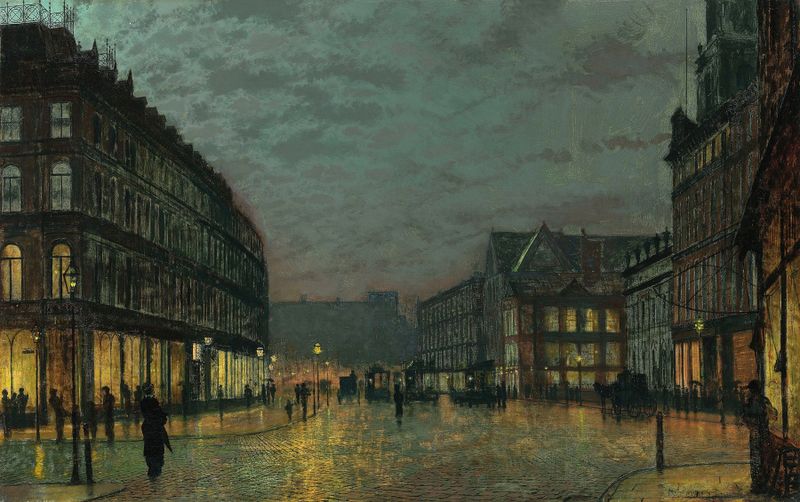
Boar Lane, Leeds by lamplight
John Atkinson Grimshaw
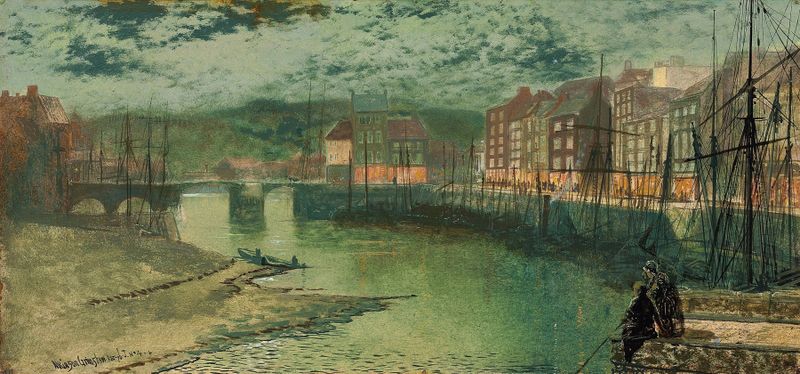
Whitby docks
John Atkinson Grimshaw

Old Chelsea
John Atkinson Grimshaw

Late October
John Atkinson Grimshaw
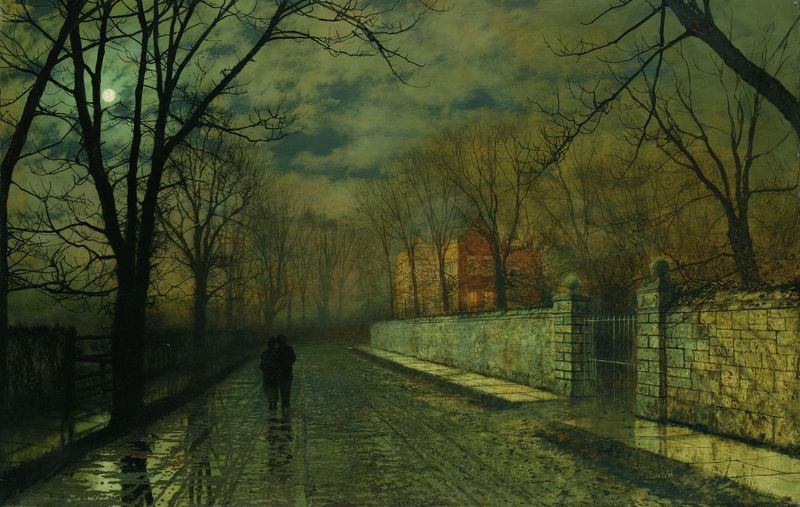
Figures In A Moonlit Lane After Rain
John Atkinson Grimshaw

Liverpool Lights
John Atkinson Grimshaw
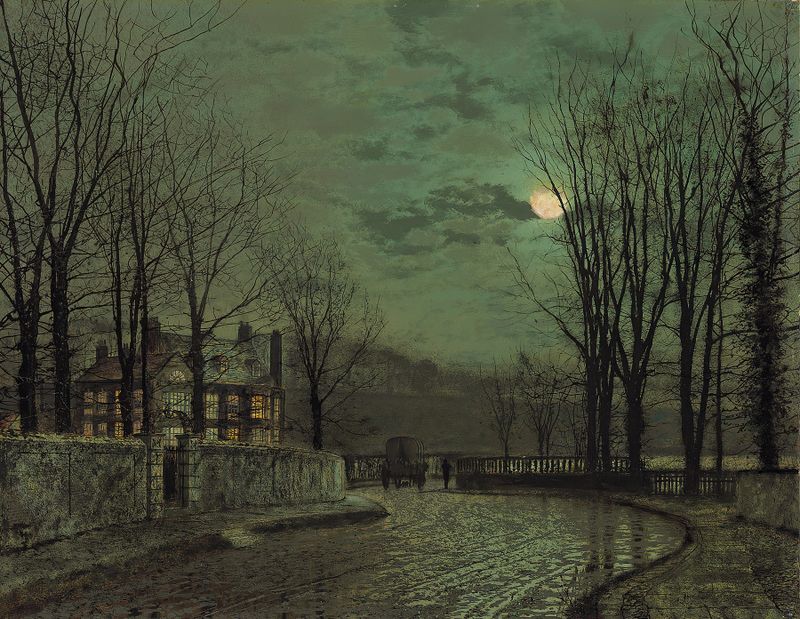
November Moonlight
John Atkinson Grimshaw
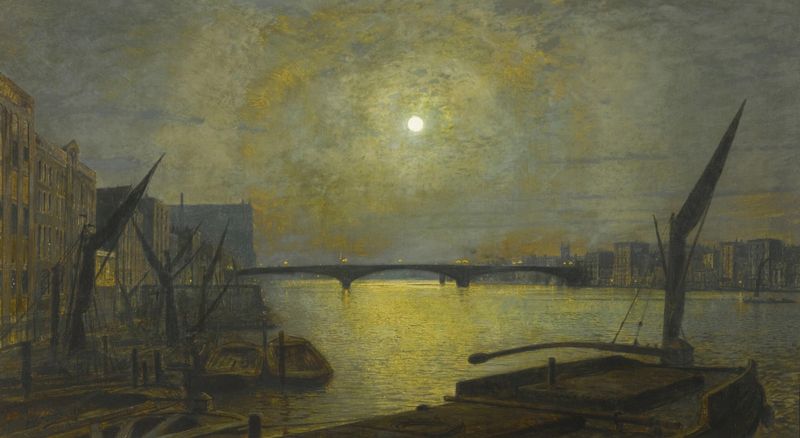
Southwark Bridge from Blackfriars by Moonlight
John Atkinson Grimshaw

Whitby From Scotch Head, Moonlight On The Esk
John Atkinson Grimshaw





