
An Old Man and his Attendant heading towards a House on a Hill — History & Facts
In An Old Man and his Attendant heading towards a House on a Hill, the colors become the custodians of memory, preserving fleeting moments against the relentless passage of time. Each hue tells a story of life, urgency, and the weight of experience. Look to the gentle gradient of greens and browns that envelop the scene, guiding your gaze towards the figures making their ascent. Notice the soft, muted tones of the old man's clothing, which contrast with the vibrant blossoms scattered along the path.
The light dances through the branches overhead, illuminating the way while casting a delicate balance of shadow and brightness, accentuating the journey they undertake. The emotional tension lies in the juxtaposition of the serene landscape and the man's frailty. His slow, deliberate movements reflect a lifetime of wisdom and the fragility of existence, while the attendant, youthful and strong, symbolizes support and continuity. This relationship is echoed in the contrasting colors—youthful vibrancy against the earthy tones of age—reflecting the inevitable cycle of life.
The distant house looms, a reminder of home, safety, and the passage that lies ahead, embodying both destination and uncertainty. Painted in 1815, during Japan's Edo period, Tani Bunchō was navigating a world shifting towards modernization. His work is emblematic of the era’s fascination with nature and human experience, amidst growing influences from Western art. The artist, deeply rooted in traditional Japanese aesthetics, sought to capture the essence of life’s journeys, making this piece a testament to his commitment to fidelity in representation and emotional depth.
More Artworks by Tani Bunchō
Browse all →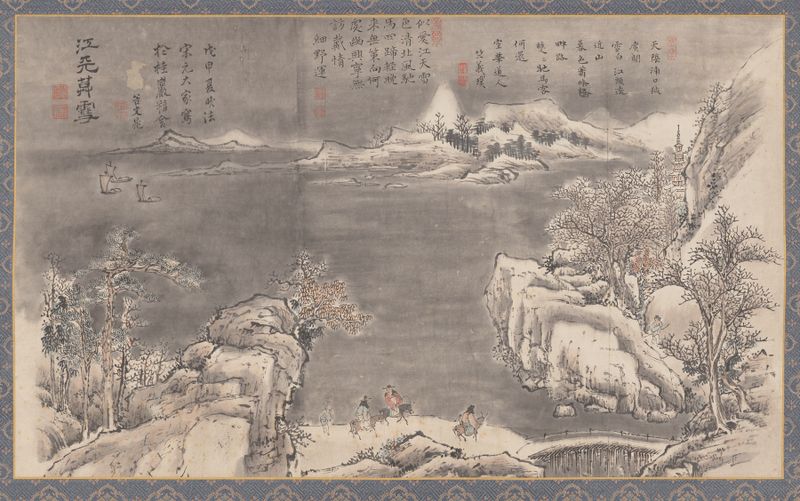
Evening Snow Blending River and Sky, from Eight Views of Xiao-Xiang
Tani Bunchō
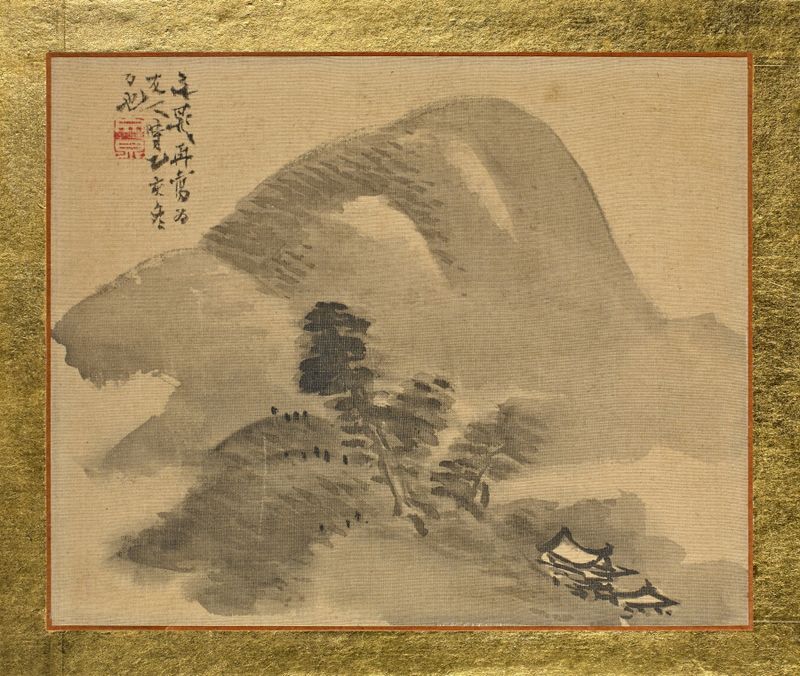
Mountain Landscape
Tani Bunchō
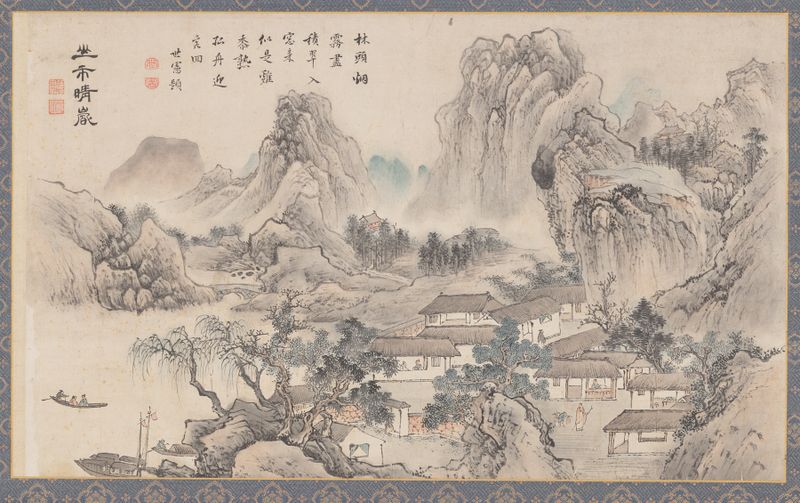
Mountain Market in Clearing Mist, from Eight Views of Xiao-Xiang
Tani Bunchō
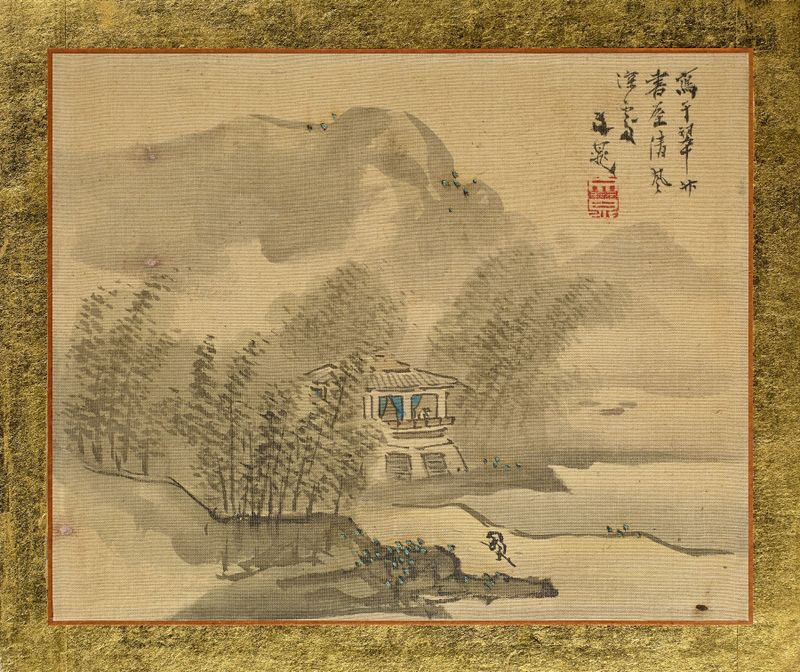
A House in a Bamboo Grove at the Shore
Tani Bunchō

Returning Sails off a Distant Shores, from Eight Views of Xiao-Xiang
Tani Bunchō

Quiet Residence in an Autumn Valley
Tani Bunchō
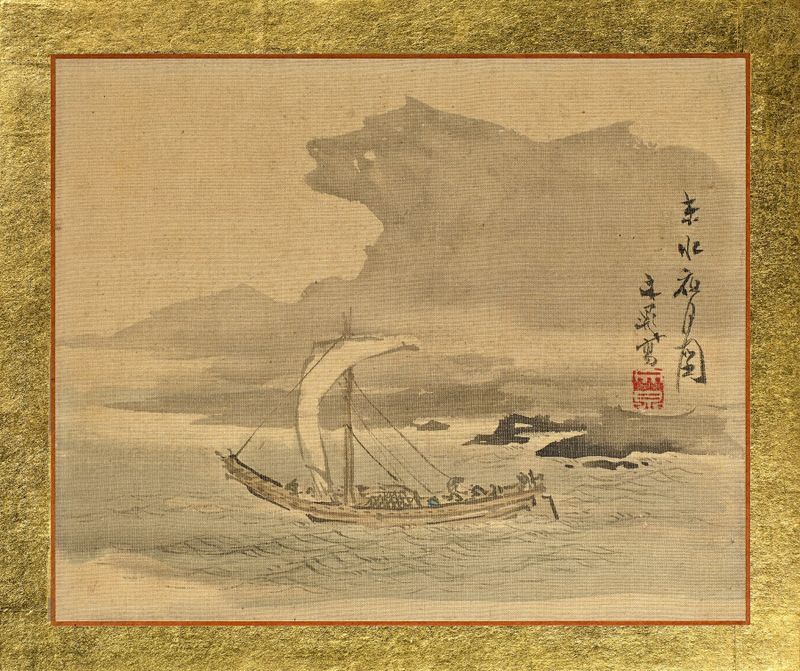
Picture of Kyoto Seascape under the Night Moon
Tani Bunchō
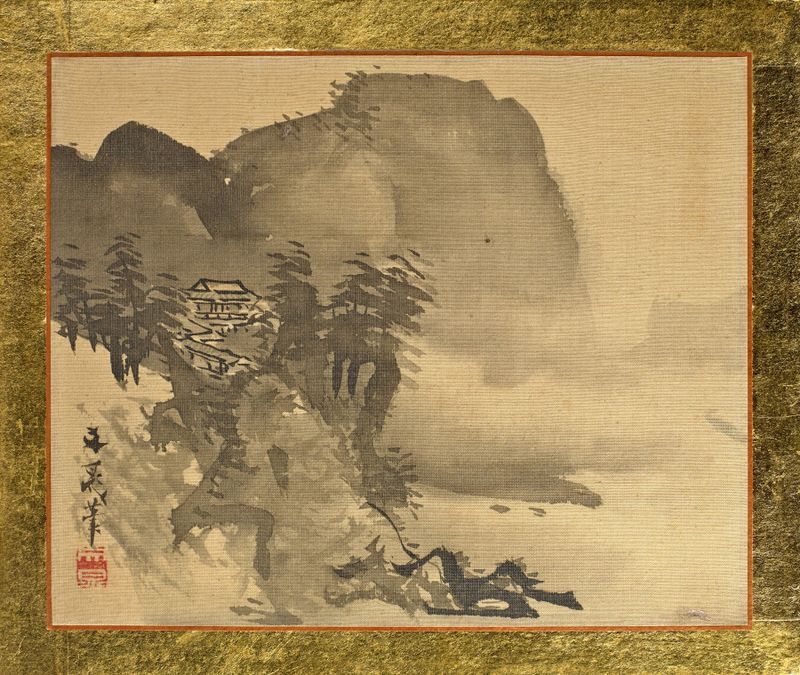
A House on a Cliff with Mountains in the Background
Tani Bunchō
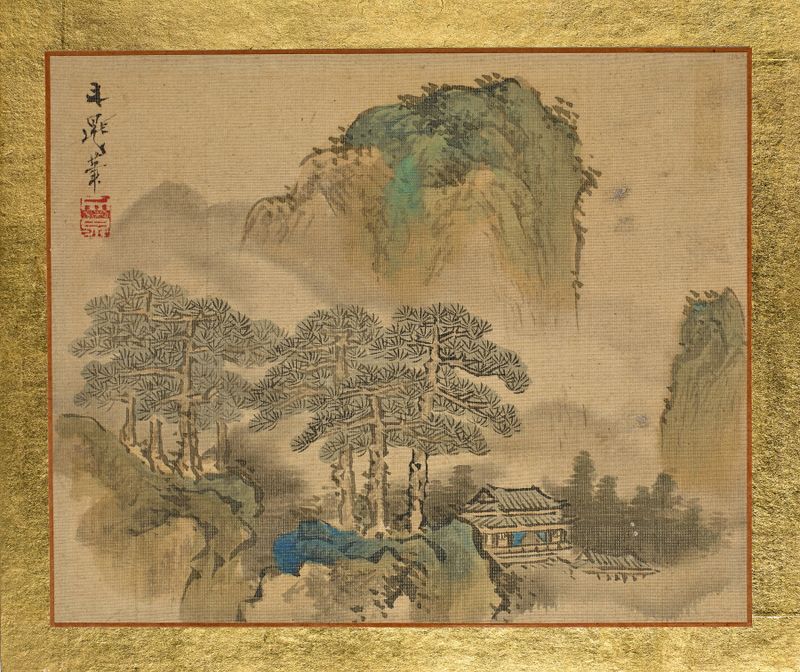
A House next to Pine Trees, in front of Mountains
Tani Bunchō
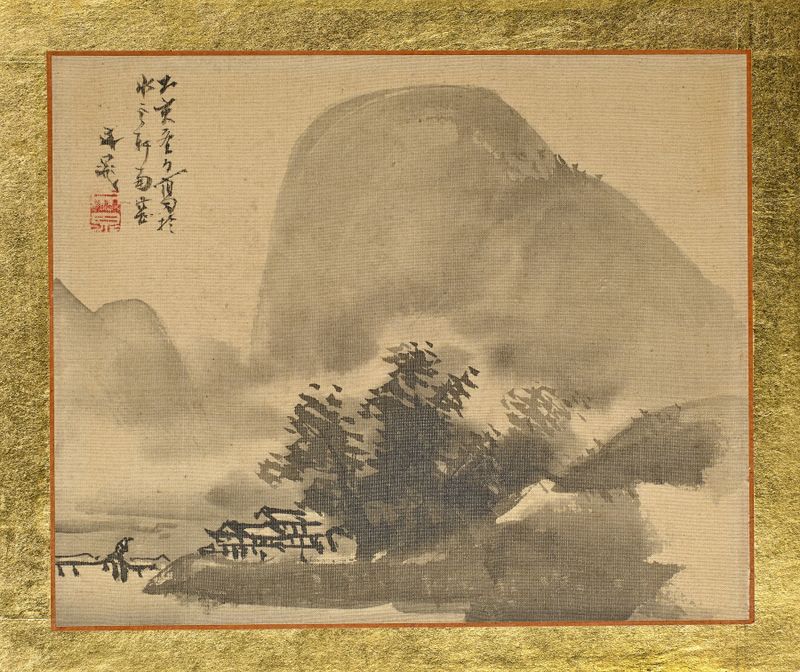
A House next to a Small Grove at the Shore in the Mist
Tani Bunchō





