
And the Sea Gave Up the Dead Which Were in It — History & Facts
In And the Sea Gave Up the Dead Which Were in It, Frederic Leighton presents a dramatic scene filled with deep blues and turbulent waves. The painting features ghostly figures emerging from the water, representing the souls of the dead. The contrast between the dark sea and the pale figures creates a haunting atmosphere.
The overall composition conveys a sense of movement and urgency, as if the sea is reluctantly releasing its hold on the deceased. The painting is executed in oil on canvas, a medium that allows for rich color and texture. Leighton's technique showcases his skill in blending colors to create depth and realism in the figures. The dimensions are approximately 150 x 200 cm, making it a large and imposing work.
The use of light and shadow enhances the dramatic effect, drawing the viewer's eye to the central figures. Frederic Leighton was a prominent figure in the Victorian art scene, known for his historical and mythological themes. This painting, created in the 1890s, reflects the Victorian fascination with death and the afterlife. An interesting fact about this work is that it draws inspiration from the biblical passage in Revelation, where the sea gives up the dead.
This connection adds a layer of meaning, linking the artwork to themes of redemption and the eternal struggle between life and death.
More Artworks by Frederic Leighton
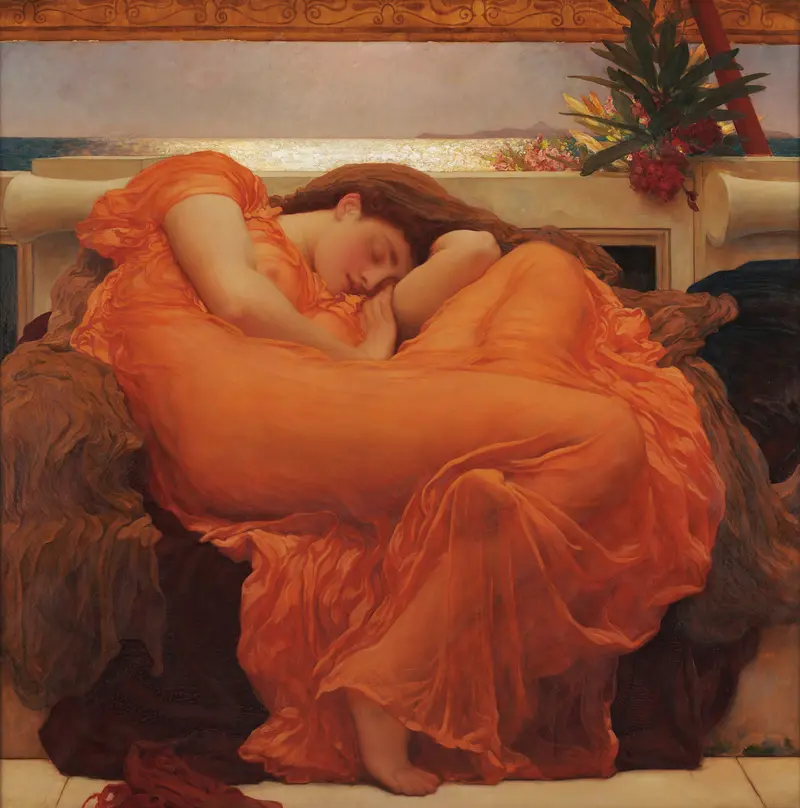
Flaming June
Frederic Leighton
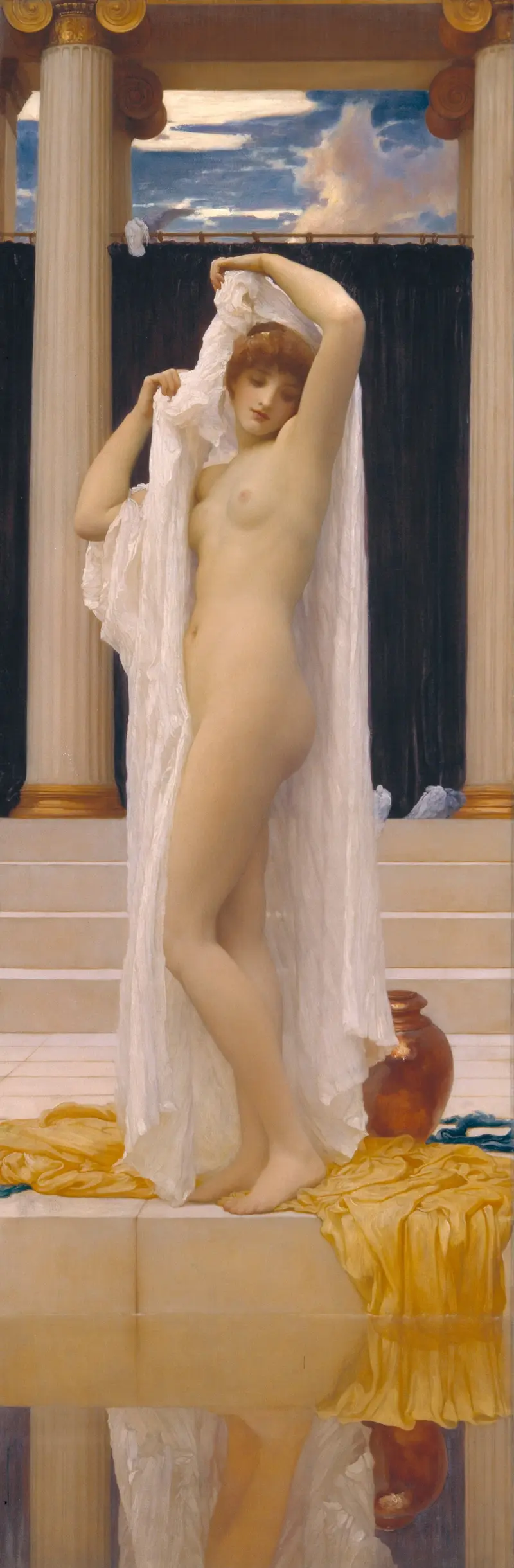
The Bath of Psyche
Frederic Leighton
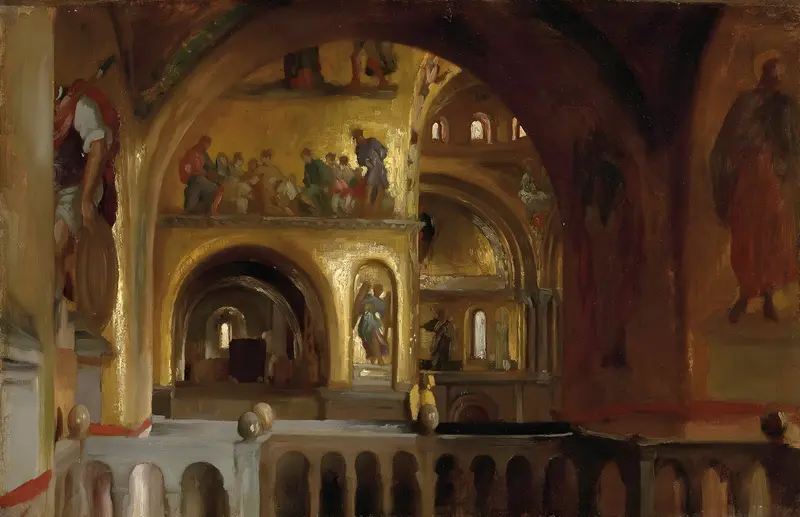
The Interior of St Mark’s Basilica, Venice
Frederic Leighton

Portrait of May Sartoris, Mrs Henry Evans Gordon
Frederic Leighton
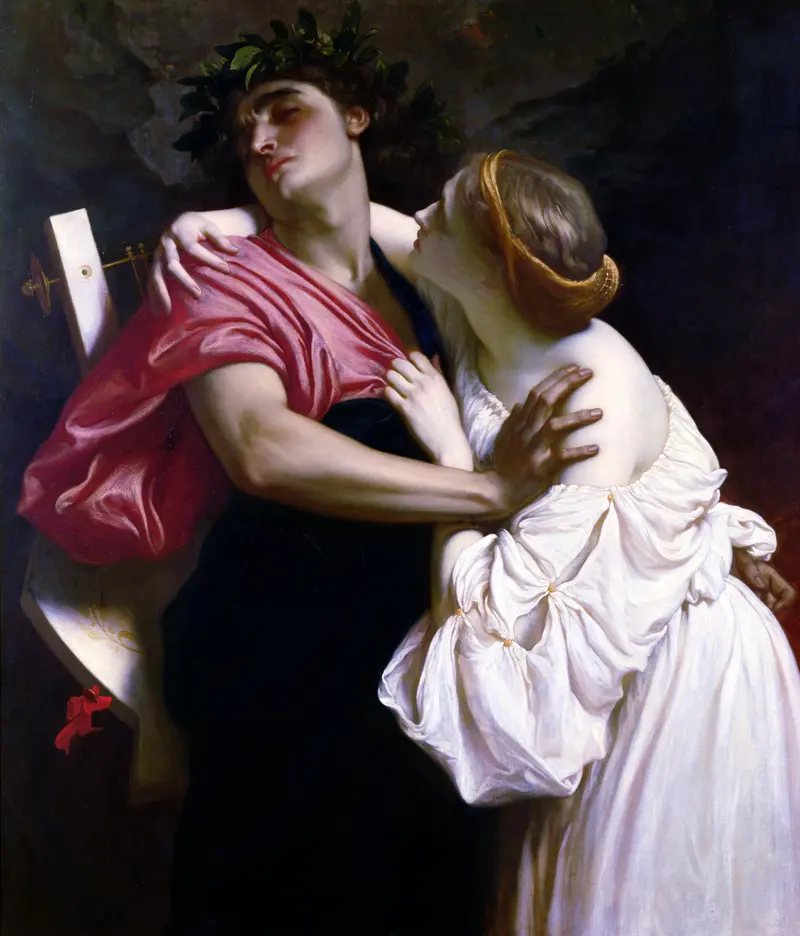
Orpheus And Eurydice
Frederic Leighton
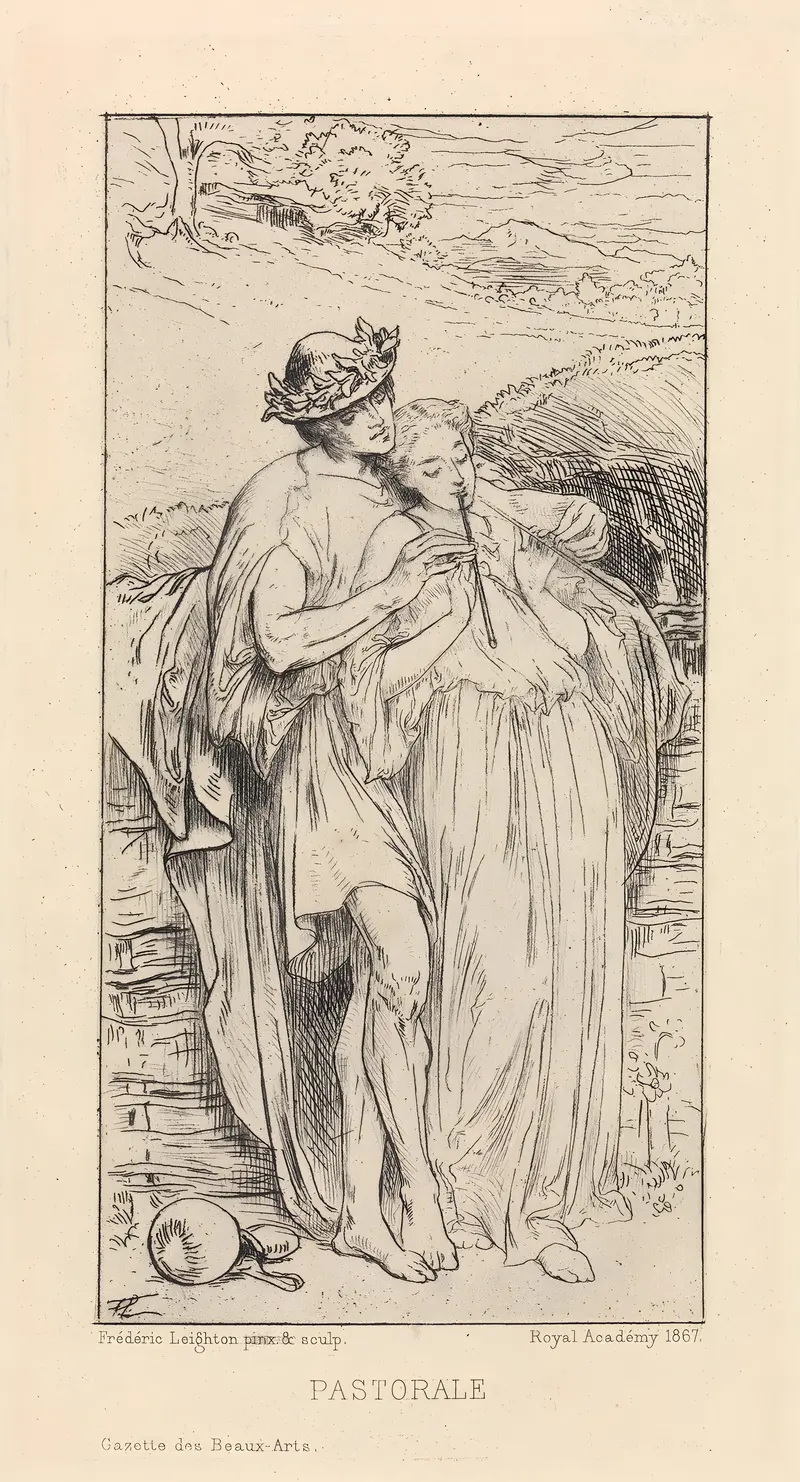
Pastorale
Frederic Leighton
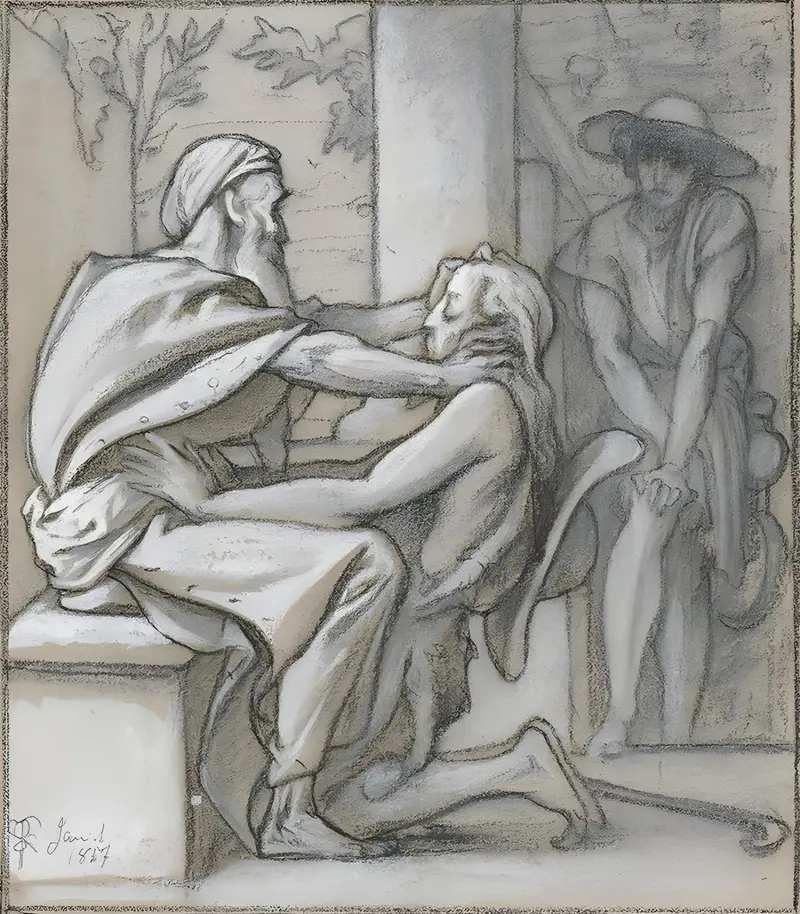
Jacob and Esau
Frederic Leighton
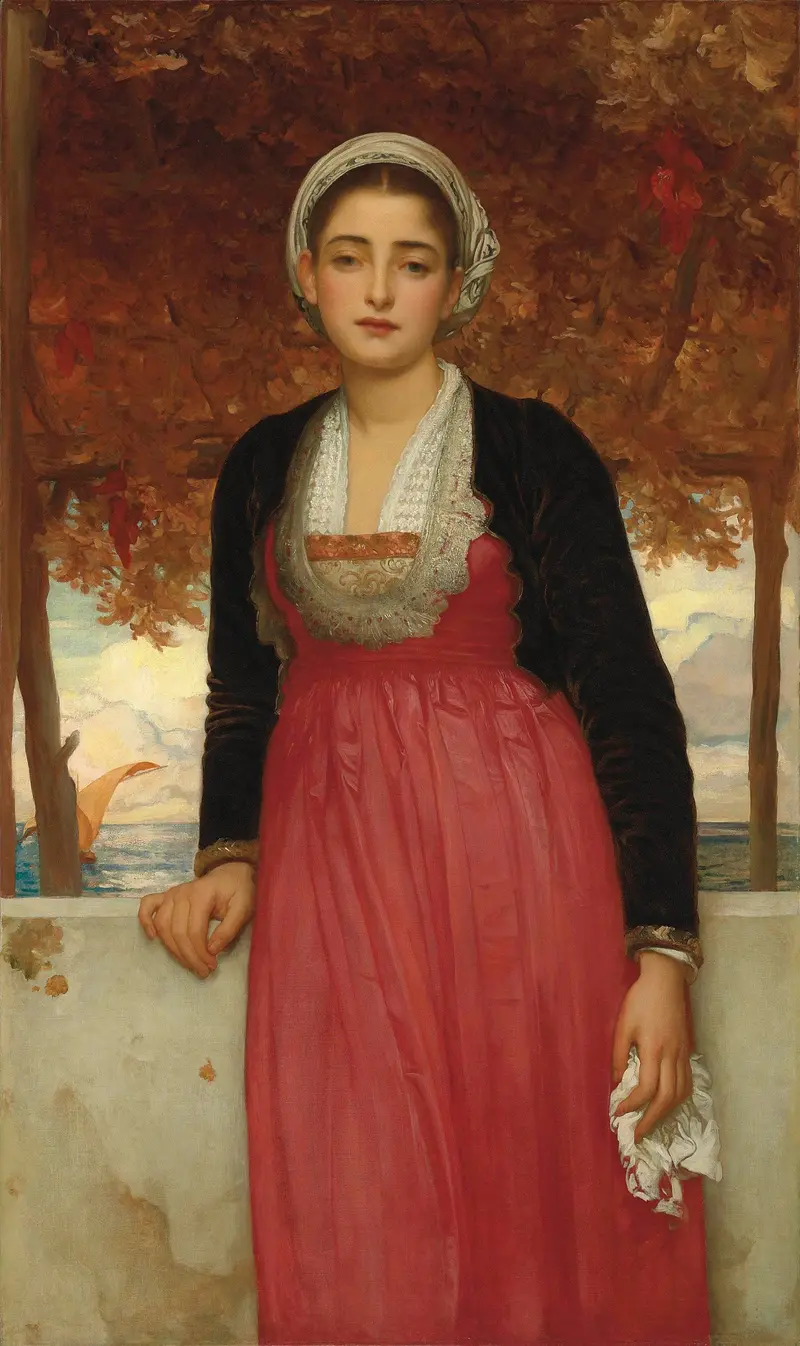
Amarilla
Frederic Leighton
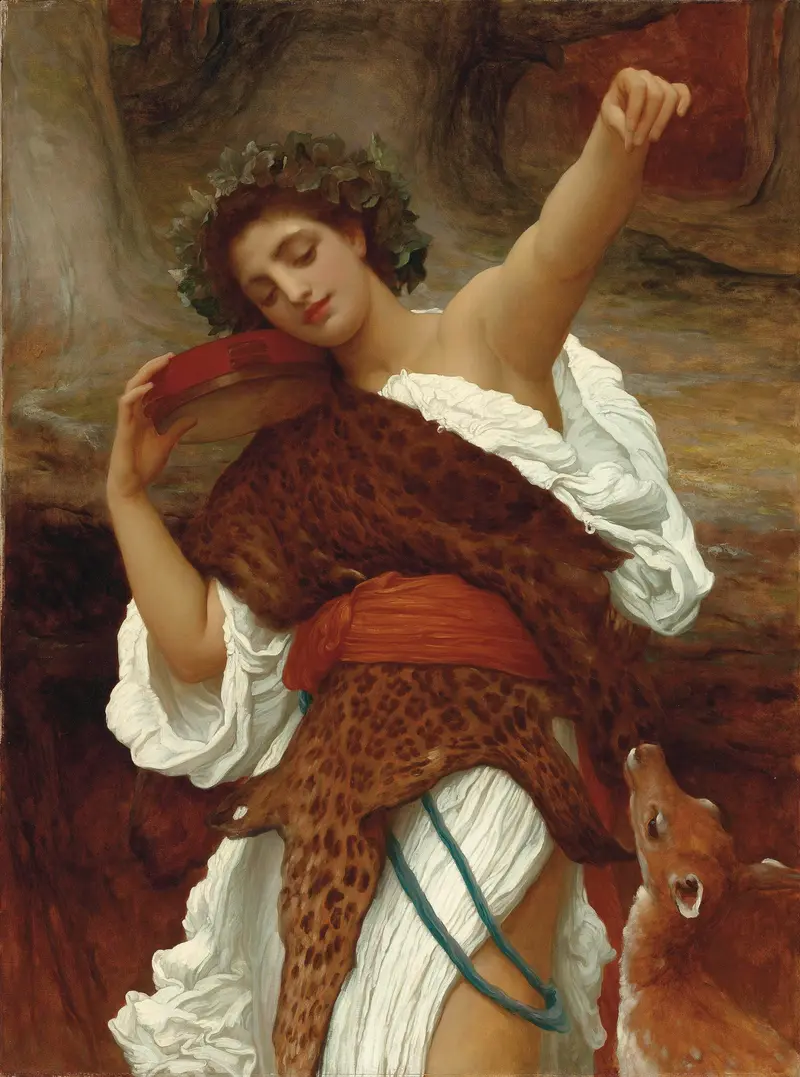
Bacchante
Frederic Leighton
Cain and Abel
Frederic Leighton





