
Andromeda — History & Facts
When Gustave Doré turned his hand to the myth of Andromeda in 1869, he did so at the height of his fame as an illustrator, not as a painter. By then, Doré was celebrated across Europe for his dramatic engravings of Dante and Cervantes, but his paintings, often overshadowed by his prints, reveal a different ambition. This Andromeda stands as one of his rare forays into large-scale mythological painting, a genre dominated in France by academic rivals like Jean-Léon Gérôme.
The work's medium remains uncertain, adding to its intrigue, as does the fact that Doré produced relatively few oil paintings compared to his prolific graphic output. The story unfolds at the instant of greatest peril: Andromeda, chained to the rocks by her parents as a sacrifice to appease a sea monster, awaits her fate. Doré captures her isolation with a sweep of dark, turbulent sky and jagged stone, her pale figure the single point of calm amid chaos. The heavy iron chains bite into her wrists, a detail that underscores her vulnerability, while her gaze—turned not toward the monster, but upward—suggests hope or resignation.
Unlike Titian’s lush, sensual Perseus and Andromeda, Doré’s version is stark and dramatic, emphasizing the terror of the moment rather than the hero’s arrival or the lovers’ reunion. The light, cold and almost lunar, isolates Andromeda from the world, heightening the sense of suspense. The later history of this painting is less well documented than some of Doré’s more famous works. It likely remained in private hands for much of its existence, reflecting the uncertain status of Doré’s paintings in the art market of his day.
While his engravings were widely reproduced and collected, his oils were fewer and often exhibited only briefly before disappearing into collections. Today, Andromeda is recognized as a testament to Doré’s ambition to be seen not just as an illustrator, but as a painter capable of tackling the grand themes of myth and legend. Its survival offers a rare glimpse into the artist’s broader aspirations and the shifting tastes of late nineteenth-century France.
More Artworks by Gustave Doré

The Deluge
Gustave Doré
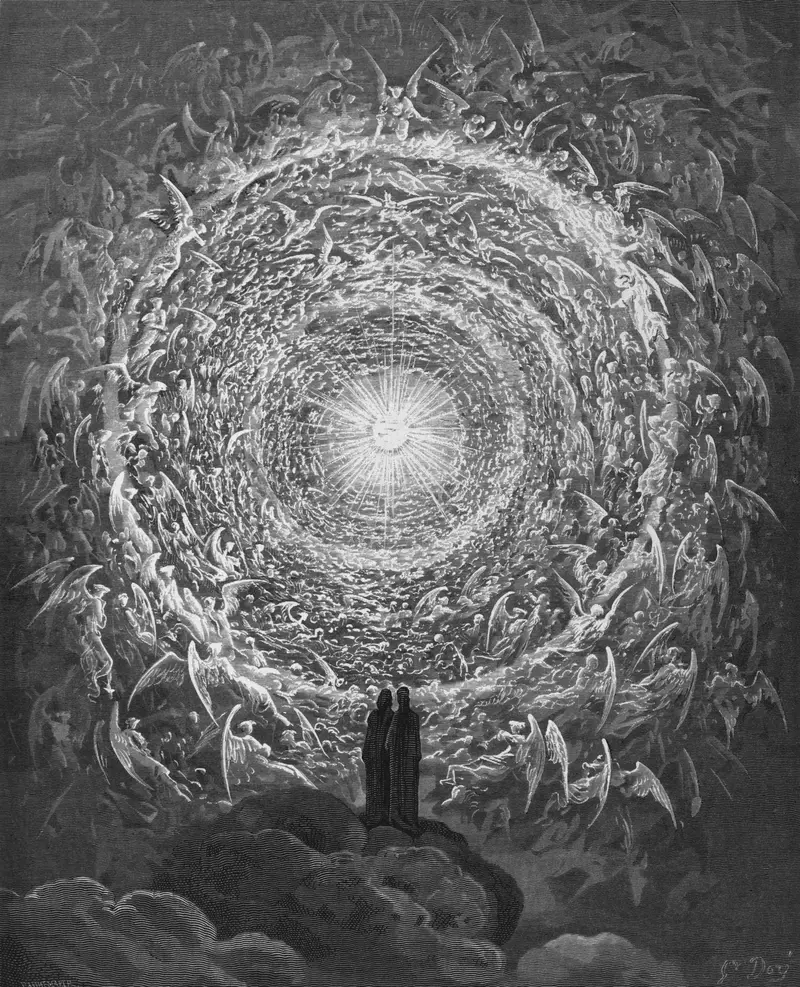
The Empyrean (Paradiso, Canto 31)
Gustave Doré
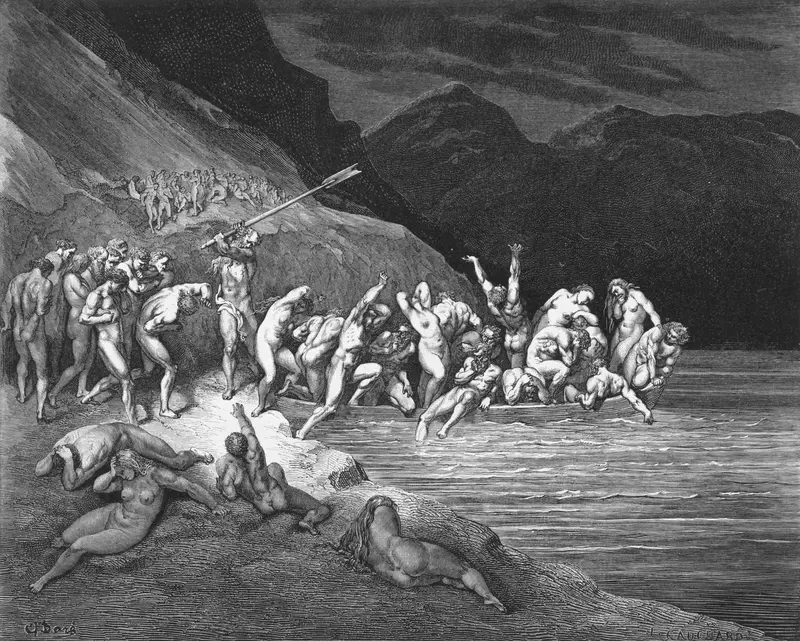
Charon (Inferno, Canto 3)
Gustave Doré
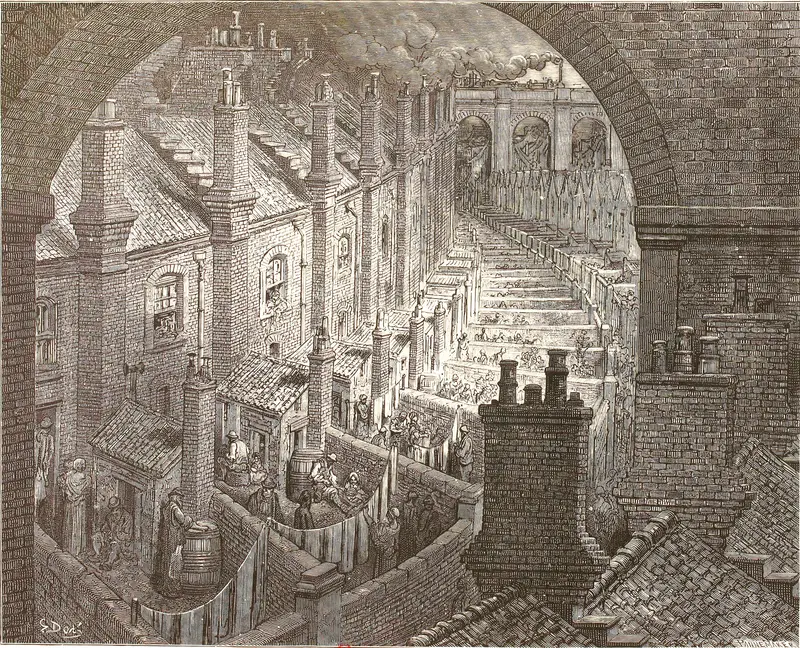
Over London by Rail
Gustave Doré
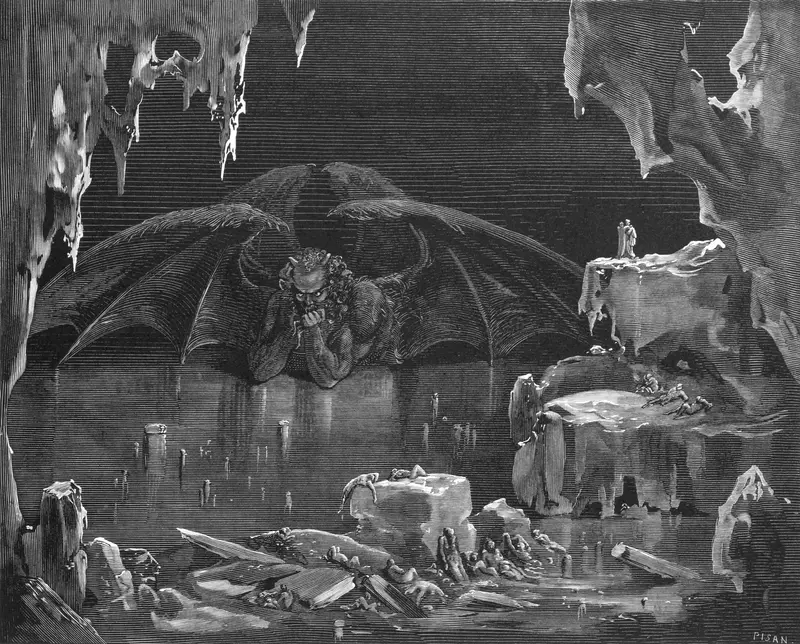
Lucifer, King of Hell
Gustave Doré
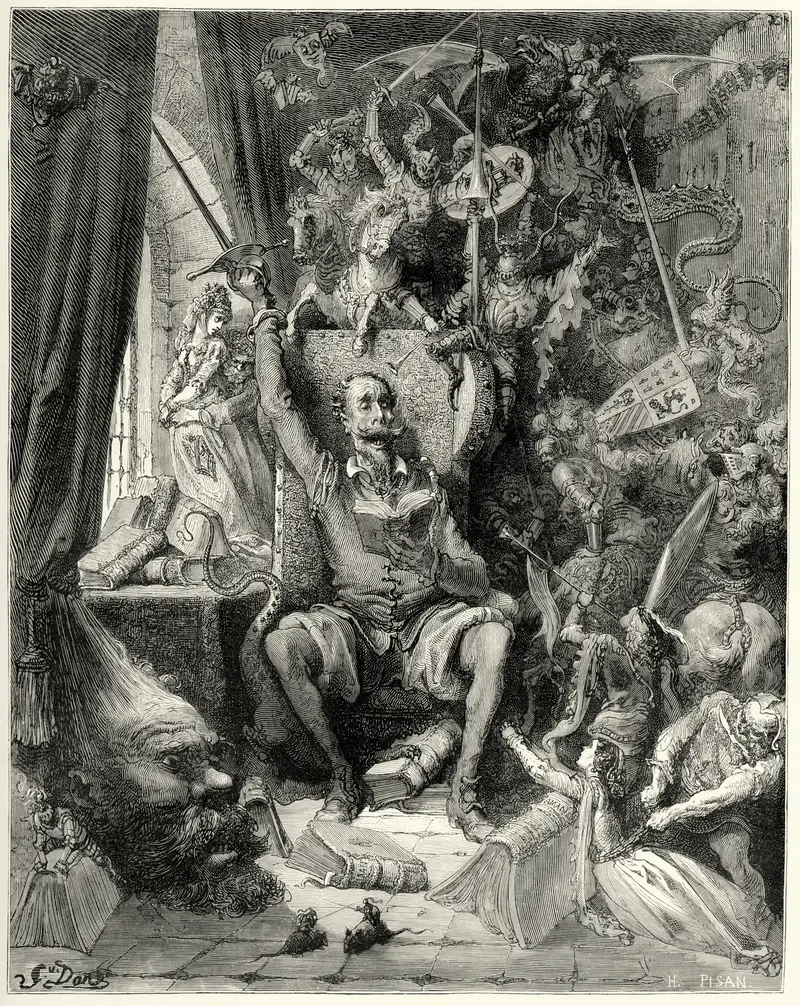
Don Quixote in His Library
Gustave Doré
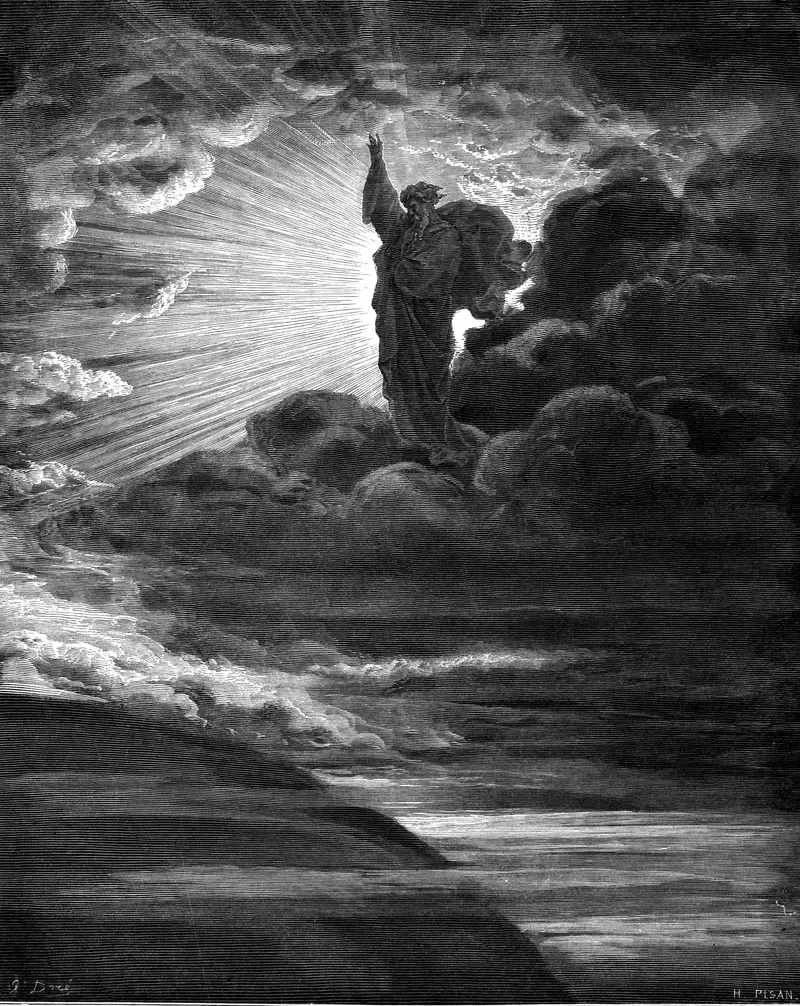
The Creation of Light
Gustave Doré
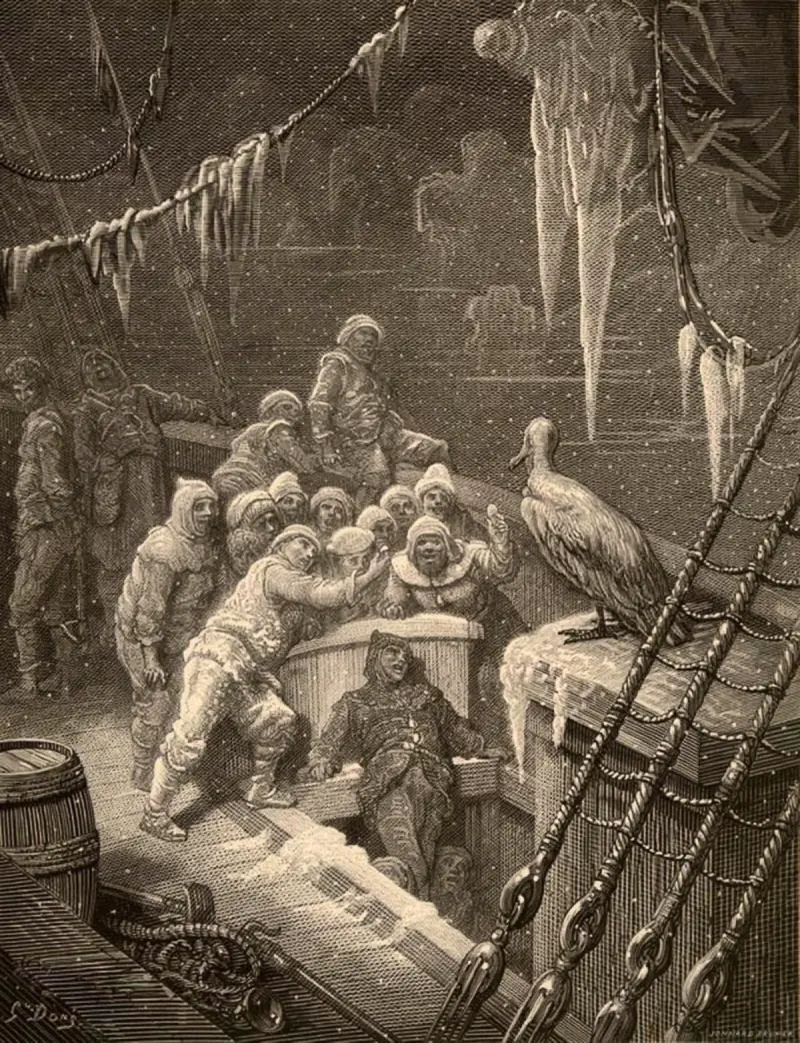
The Albatross (The Rime of the Ancient Mariner)
Gustave Doré
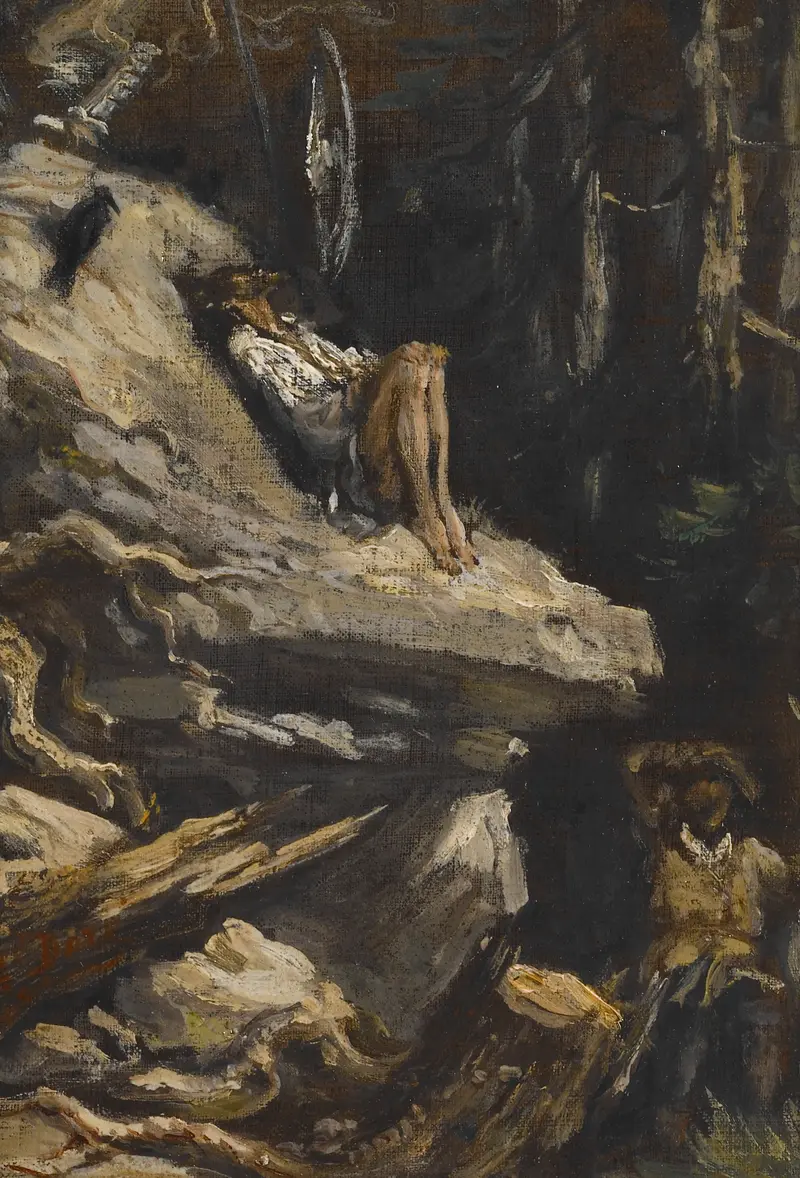
"'Alas!' answered Sancho, 'I found him in his shirt, lean, pale, and almost starved, sighing for his Lady Dulcinea'" from Don Quixote
Gustave Doré
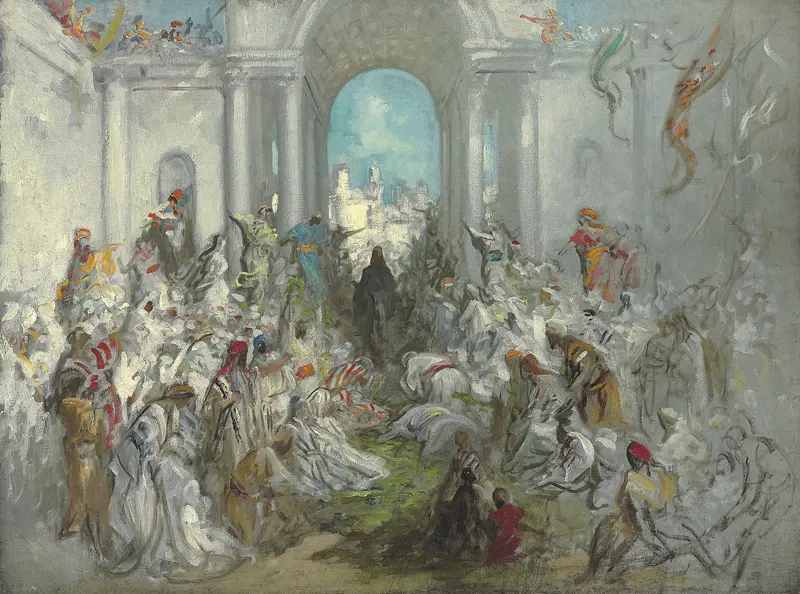
Christ's Entry into Jerusalem
Gustave Doré





