
Angel Gabriel — History & Facts
What first catches the eye in Angel Gabriel by Aertgen Claesz van Leyden is the sense of movement and immediacy: the angel’s body twists mid-step, wings unfurling, as if he has just alighted in the room. His gaze is intent, almost urgent, directed downward toward an unseen figure—likely Mary—while his hand gestures with a scroll, the traditional bearer of divine messages. Below, a spray of lilies stands tall in a pot, their white blooms a centuries-old symbol of purity, and a small black-and-white cat, startled or curious, creeps into the scene, grounding the celestial event in the everyday.
The light falls softly across Gabriel’s russet robe and golden wings, drawing the viewer’s eye from the heavens above to the tiled floor below, where the miraculous and the mundane meet. Painted between 1525 and 1574, this work belongs to a world where religious stories were brought into the homes and chapels of Northern Europe, rendered with a new attention to detail and realism. Artists like Aertgen Claesz van Leyden were celebrated for weaving the familiar—domestic animals, potted plants, the play of light on fabric—into sacred narratives, making the divine feel both immediate and accessible. The panel’s unusual shape hints at its original function, likely as part of a larger altarpiece, and its presence today in the Royal Museum of Fine Arts Antwerp is a reminder of how such fragments survive, carrying with them the devotional spirit and artistic innovation of their age.
The next time you look, let your eye linger on the cat: a silent witness to history, as much a part of the story as the angel above.
More Artworks by Aertgen Claesz van Leyden

Jakob ontvangt het bebloede kleed van Jozef
Aertgen Claesz van Leyden
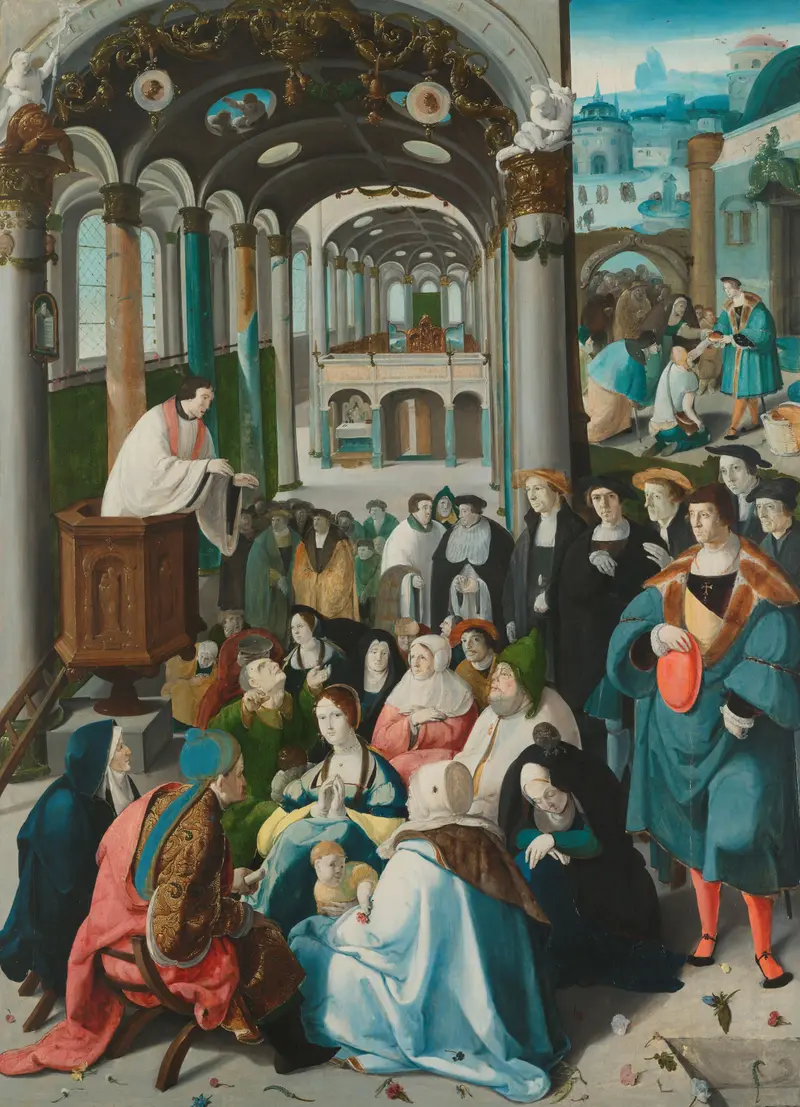
The Calling of Saint Anthony
Aertgen Claesz van Leyden
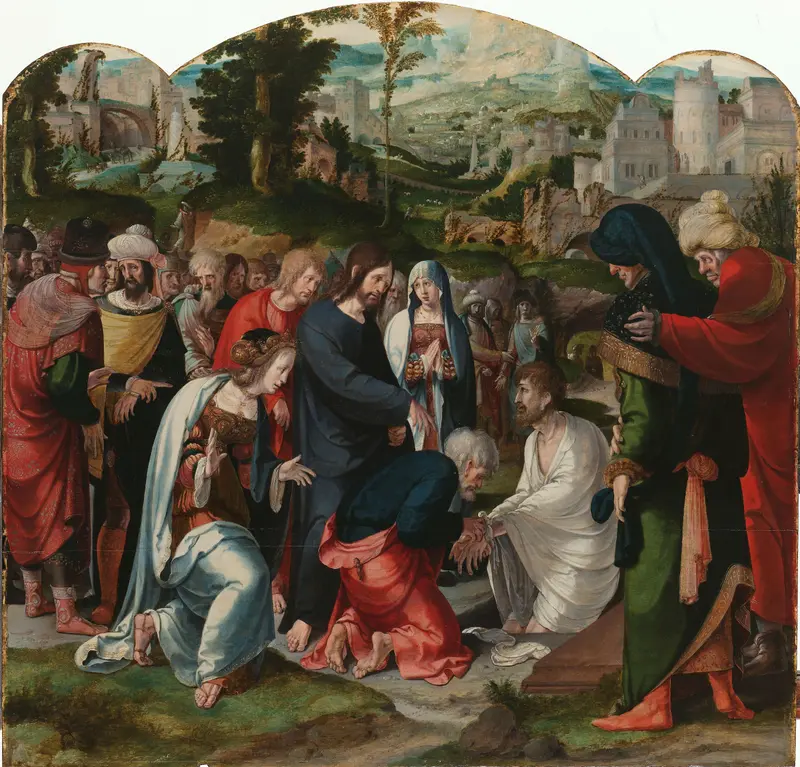
The Raising of Lazarus
Aertgen Claesz van Leyden
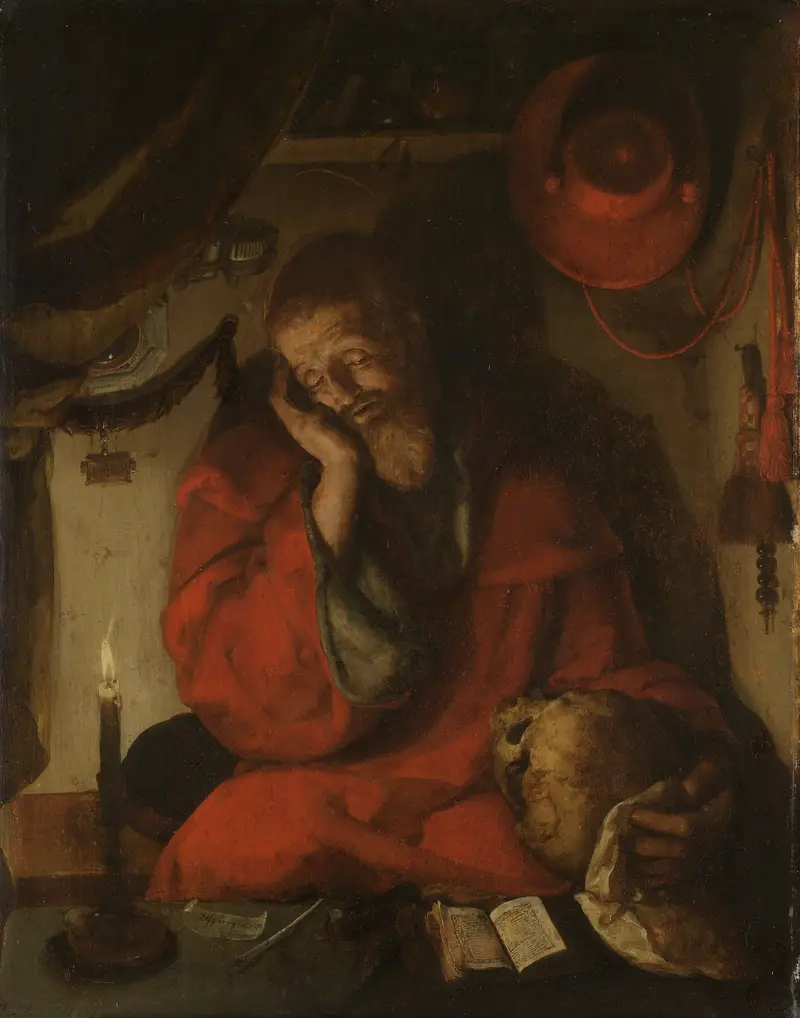
Saint Jerome in his Study by Candlelight
Aertgen Claesz van Leyden
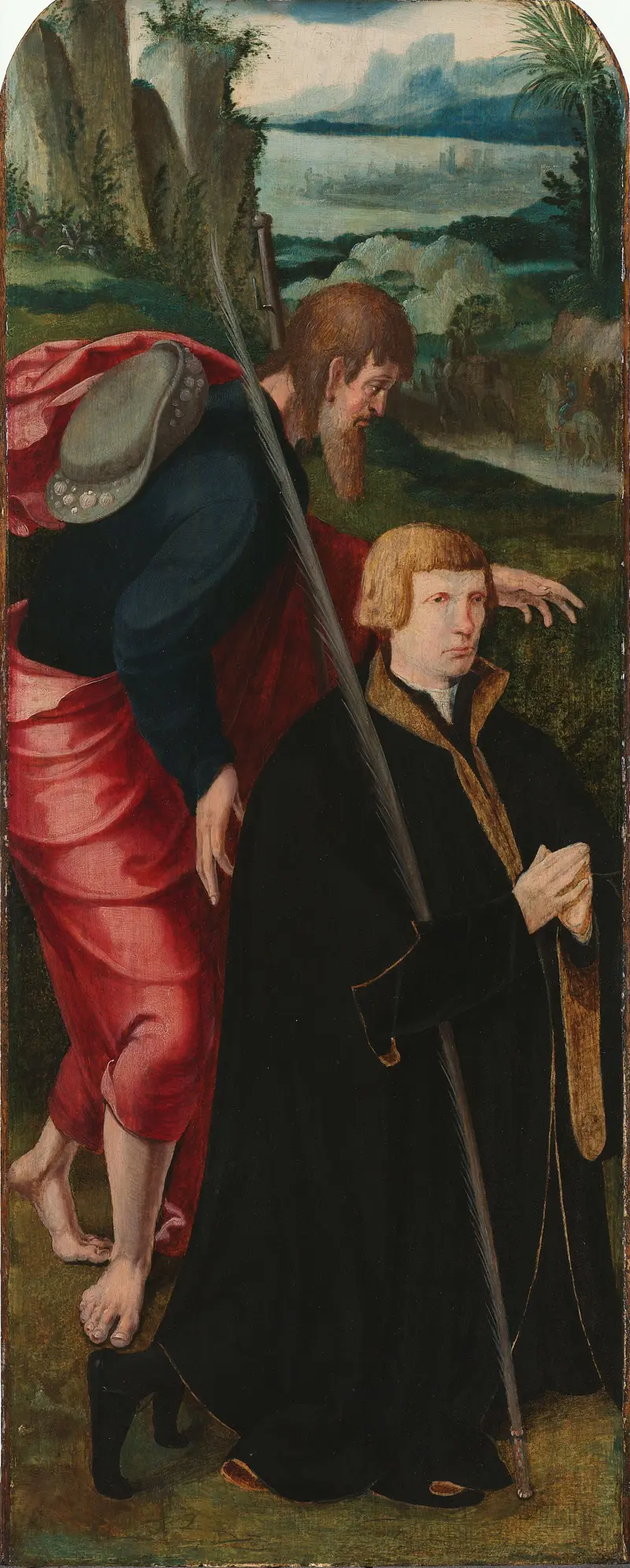
The Raising of Lazarus
Aertgen Claesz van Leyden
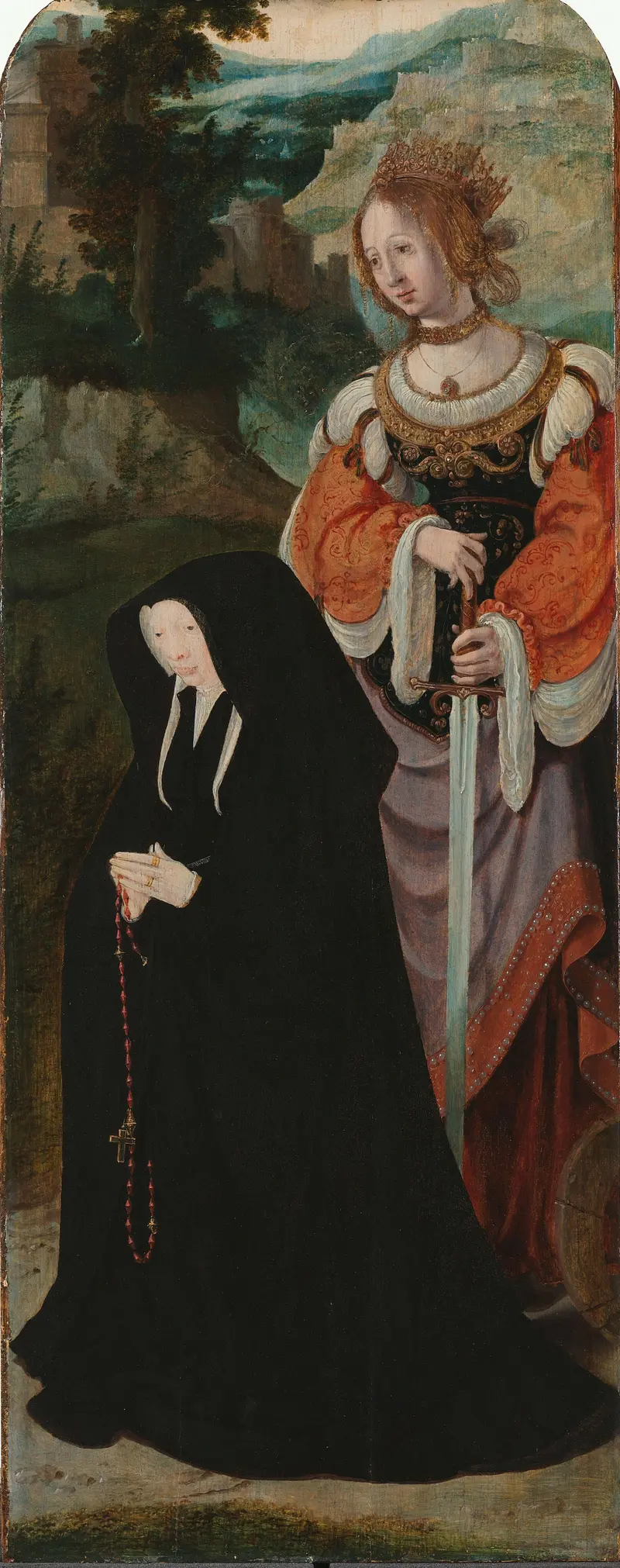
The Raising of Lazarus
Aertgen Claesz van Leyden
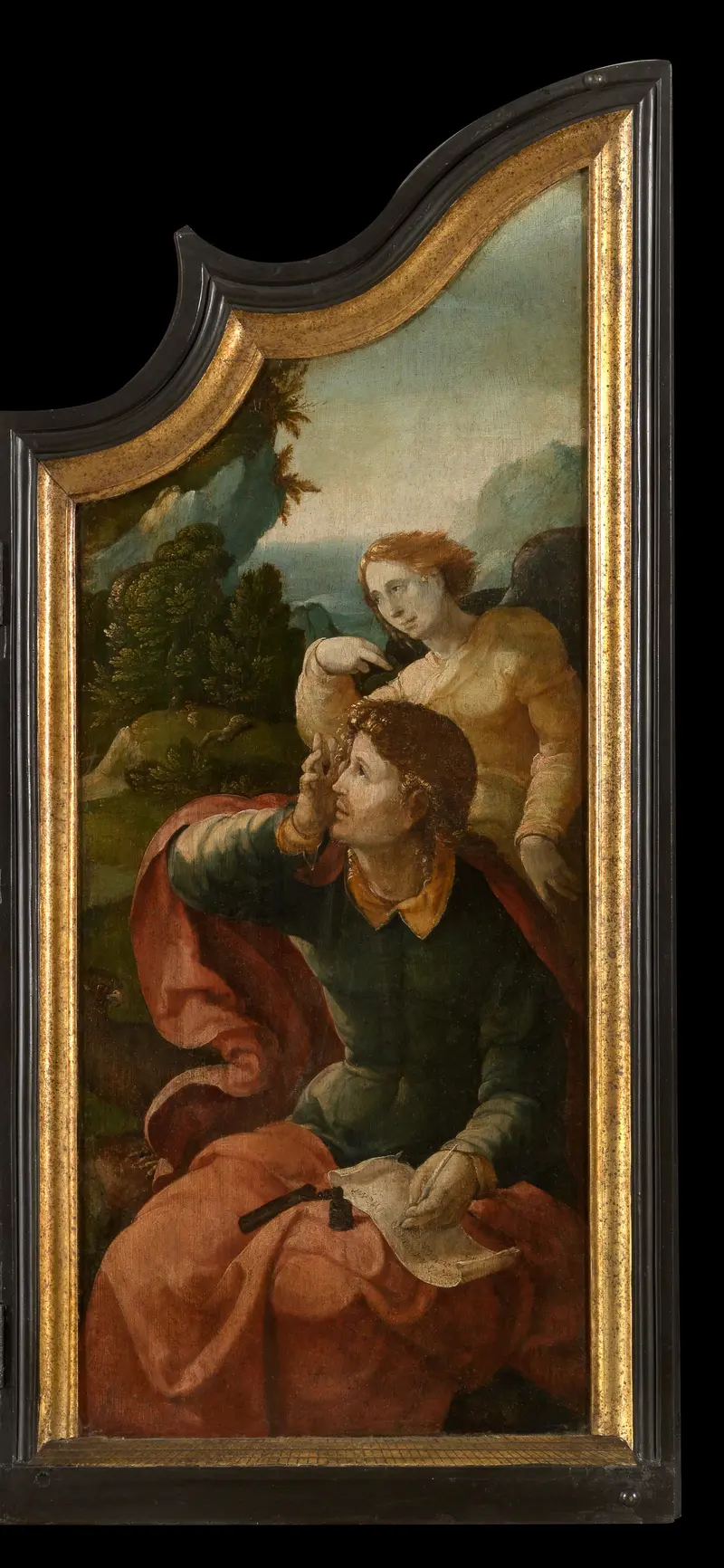
Saint John on Patmos
Aertgen Claesz van Leyden
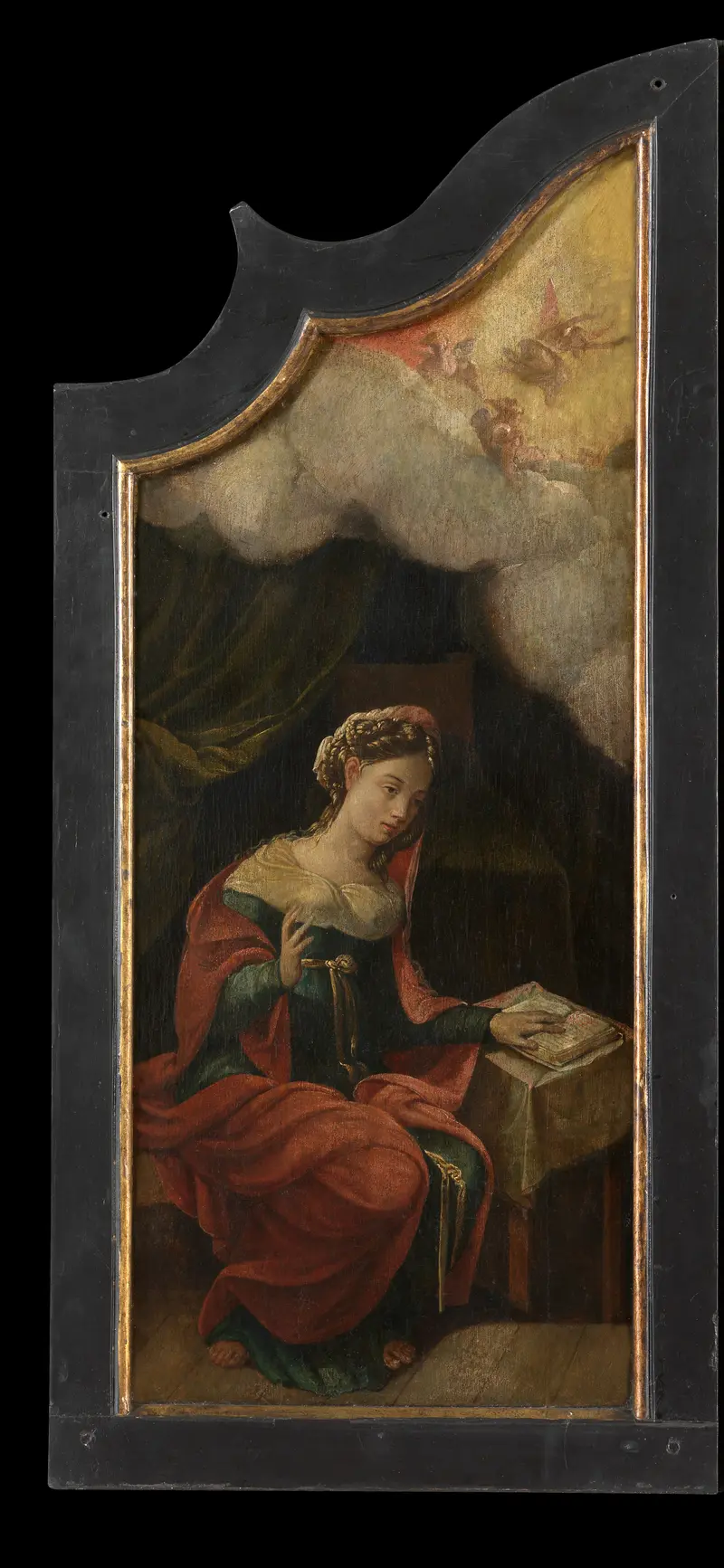
Maria
Aertgen Claesz van Leyden
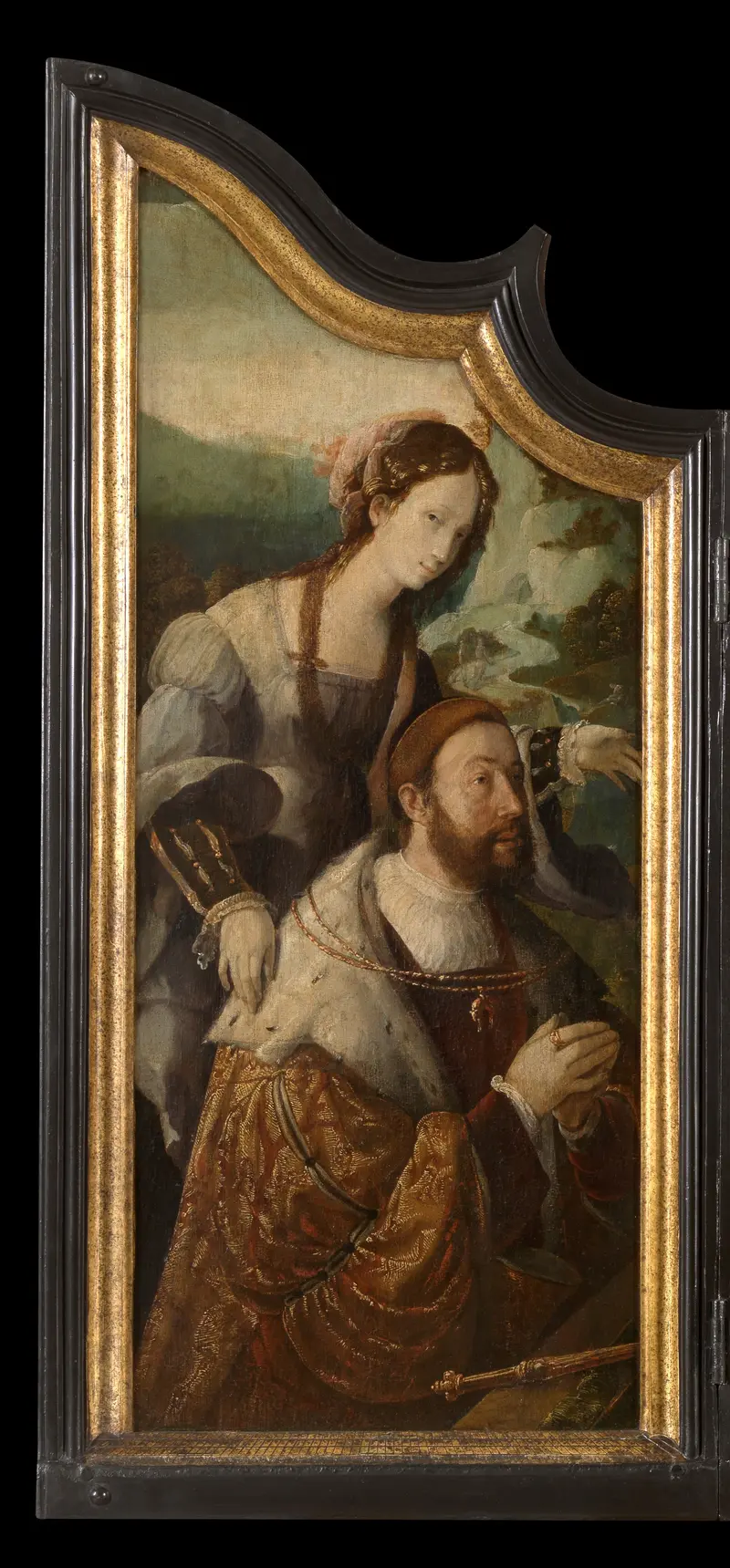
Count Henry III of Nassau with the Tiburtine sibille
Aertgen Claesz van Leyden
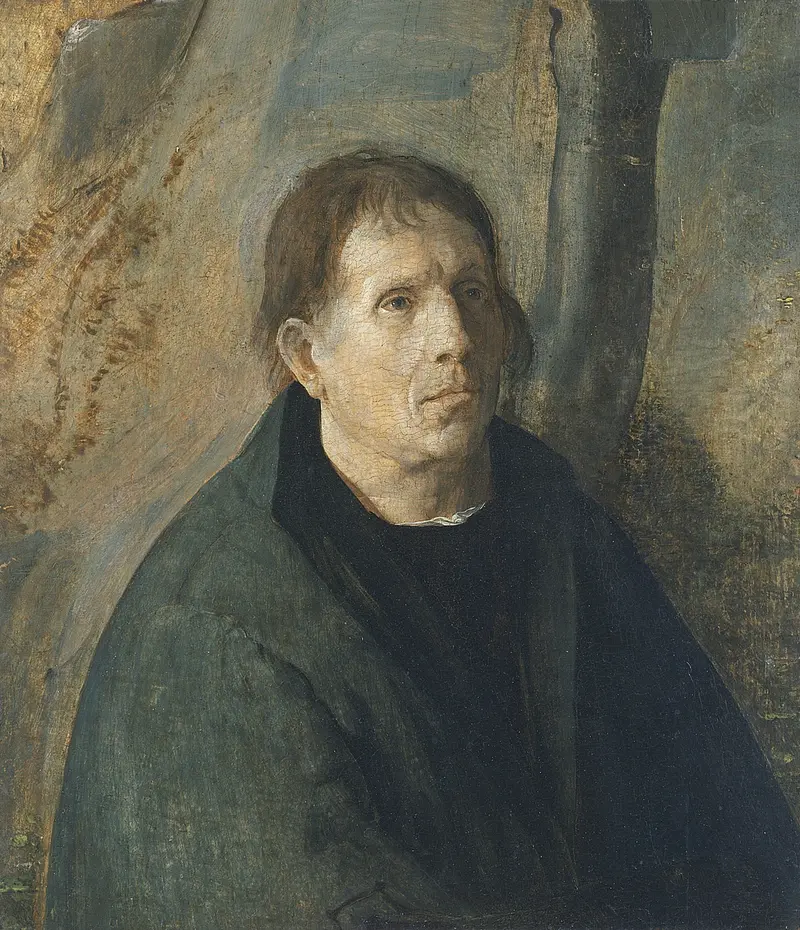
Portrait of a Donor
Aertgen Claesz van Leyden





