
Saint John on Patmos — History & Facts
What draws the eye first in Saint John on Patmos is not the saint’s isolation, but the charged exchange between two figures: the young man, his gaze lifted and hand raised as if shielding a vision, and the mysterious woman behind him, her gesture echoing his own. The artist, Aertgen Claesz van Leyden, sets the drama not in a barren wilderness but in a lush, almost theatrical landscape, where the folds of John’s red robe spill across the ground like a stage curtain. The parchment in his hand, poised for revelation, and the attentive, almost urgent quality of their expressions, pull the viewer into the moment just before prophecy becomes text.
Light pools on their faces, drawing us into their shared anticipation, while the distant, misty mountains suggest the vastness—both physical and spiritual—of John’s exile. Painted in 1535, this work belongs to a world where religious storytelling was both public spectacle and private meditation. In the Low Countries, artists like Aertgen Claesz van Leyden responded to the appetite for devotional images that could serve as both instruction and inspiration, whether for a chapel or a wealthy home. The Royal Museum of Fine Arts Antwerp now houses this panel, a reminder of an era when painters blended the sacred and the everyday, wrapping biblical visions in the textures of their own countryside and the faces of their neighbors.
History has kept few traces of this artist’s life, but the painting’s details—its careful hands, its layered glances—invite us to linger, searching for the moment when vision becomes revelation.
More Artworks by Aertgen Claesz van Leyden

Jakob ontvangt het bebloede kleed van Jozef
Aertgen Claesz van Leyden
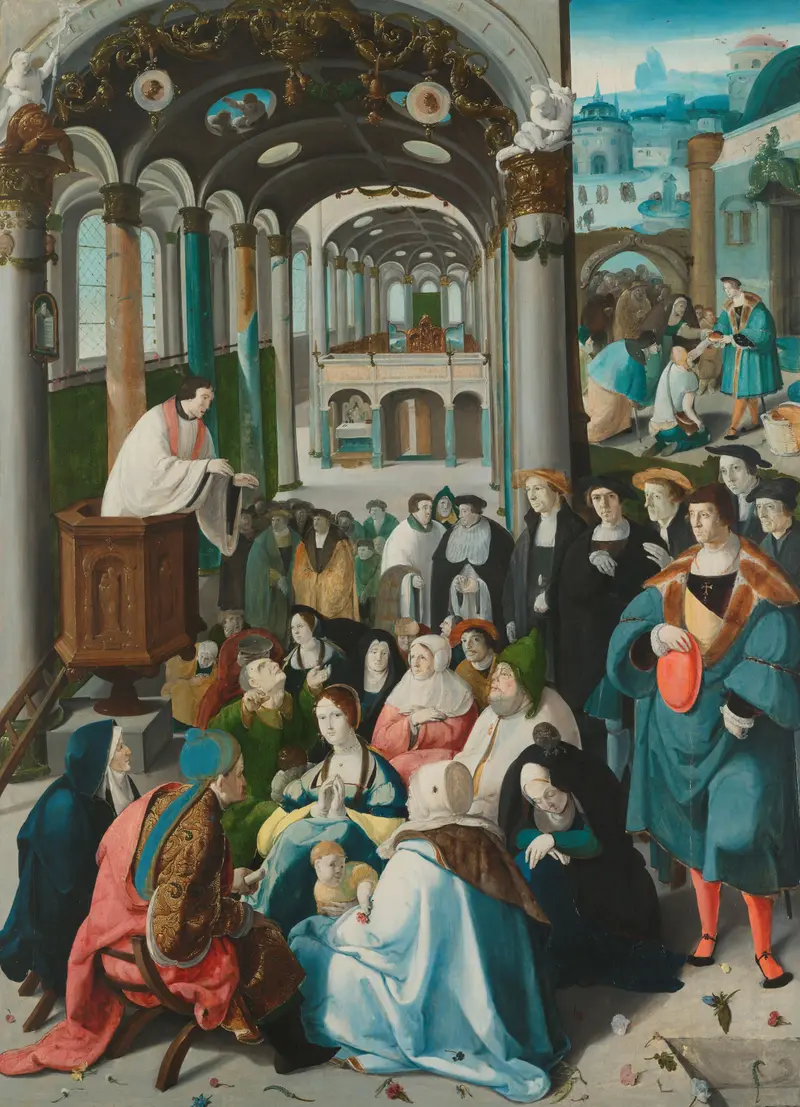
The Calling of Saint Anthony
Aertgen Claesz van Leyden
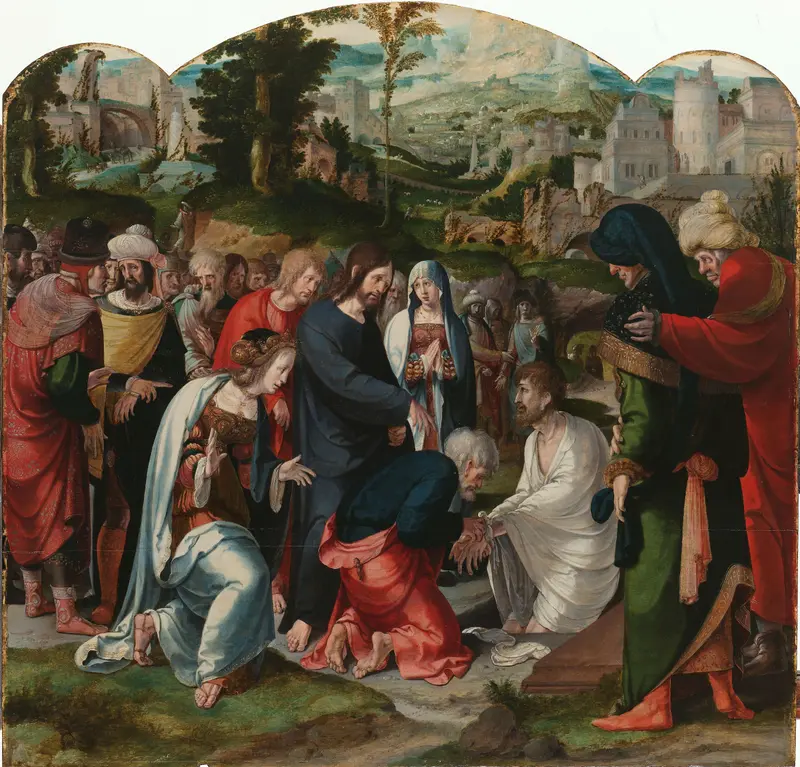
The Raising of Lazarus
Aertgen Claesz van Leyden
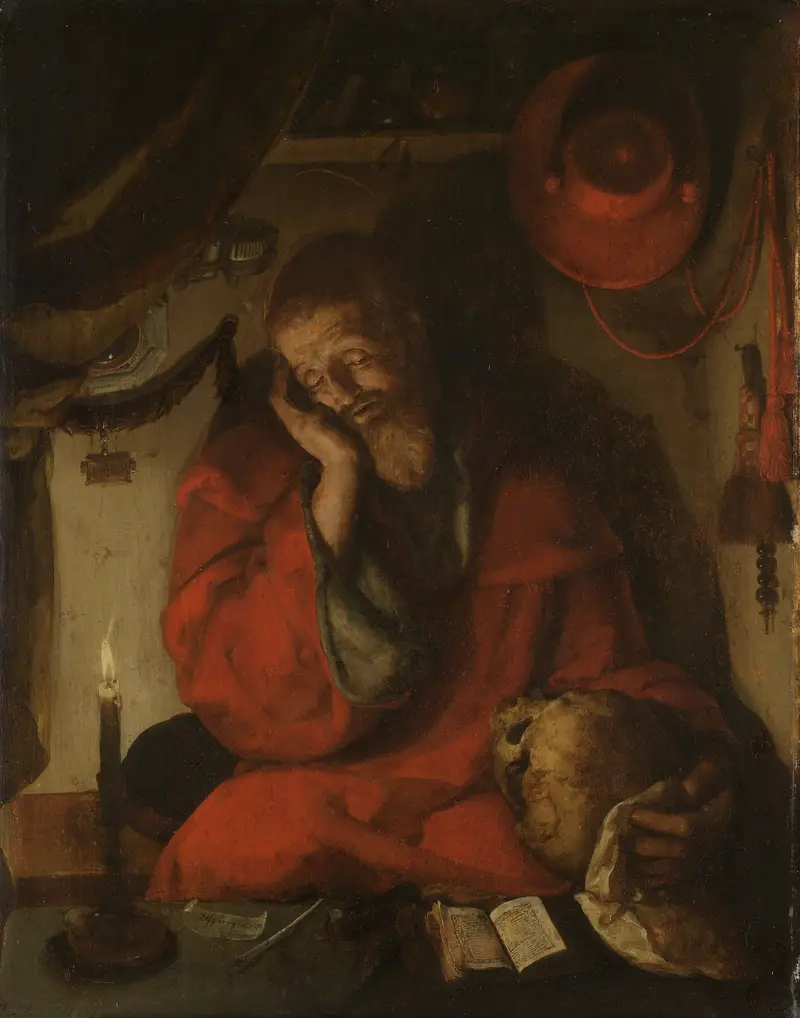
Saint Jerome in his Study by Candlelight
Aertgen Claesz van Leyden
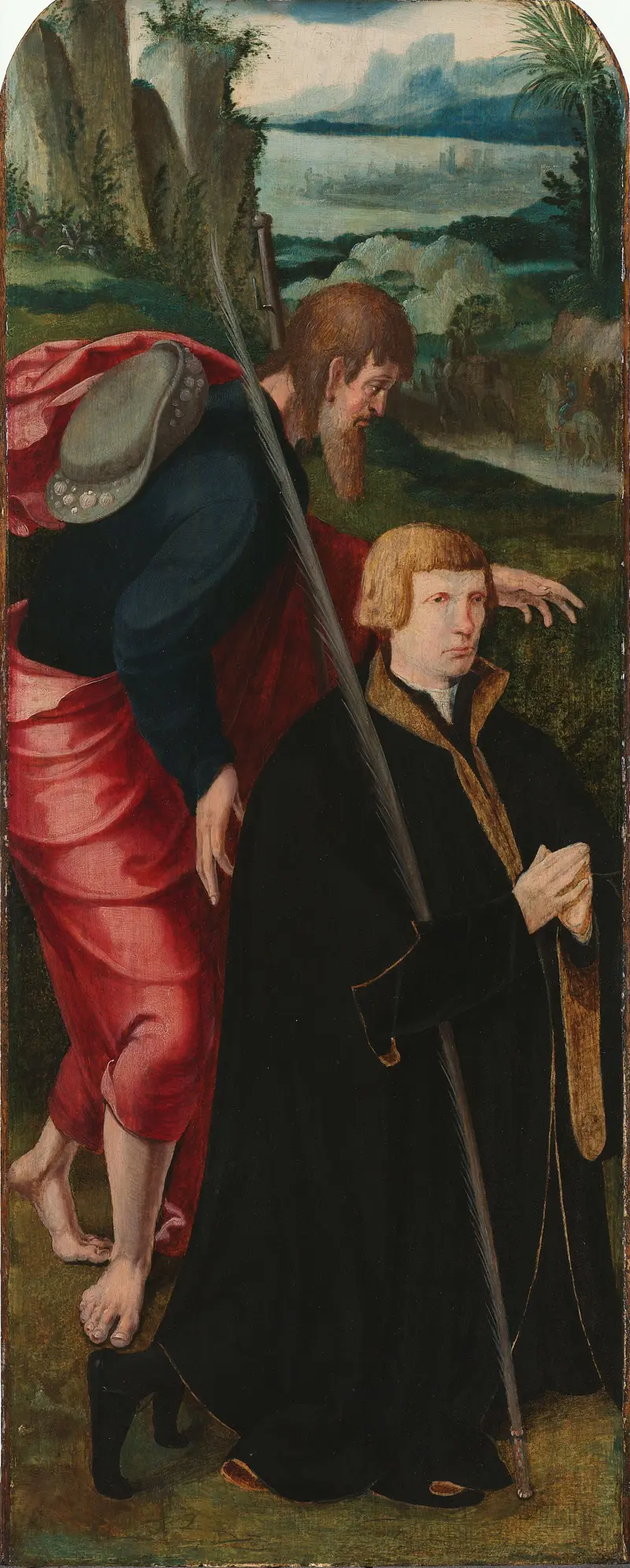
The Raising of Lazarus
Aertgen Claesz van Leyden
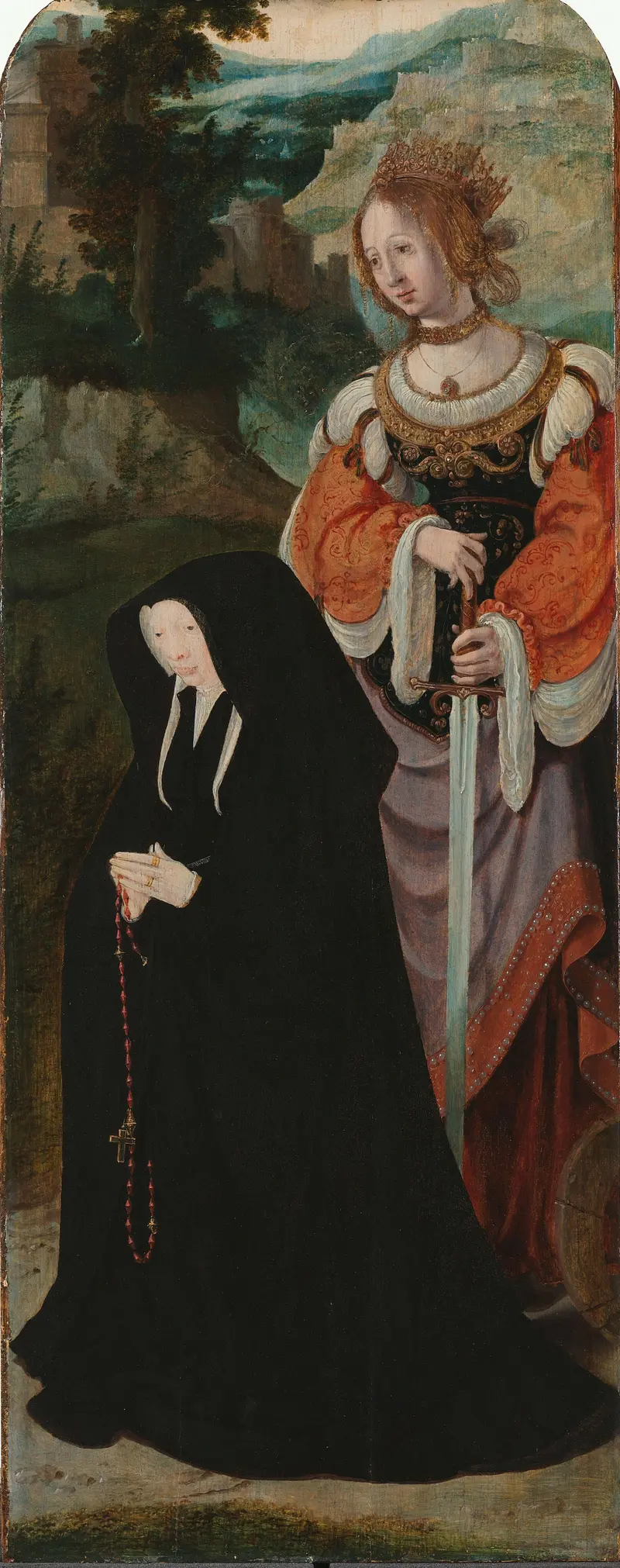
The Raising of Lazarus
Aertgen Claesz van Leyden
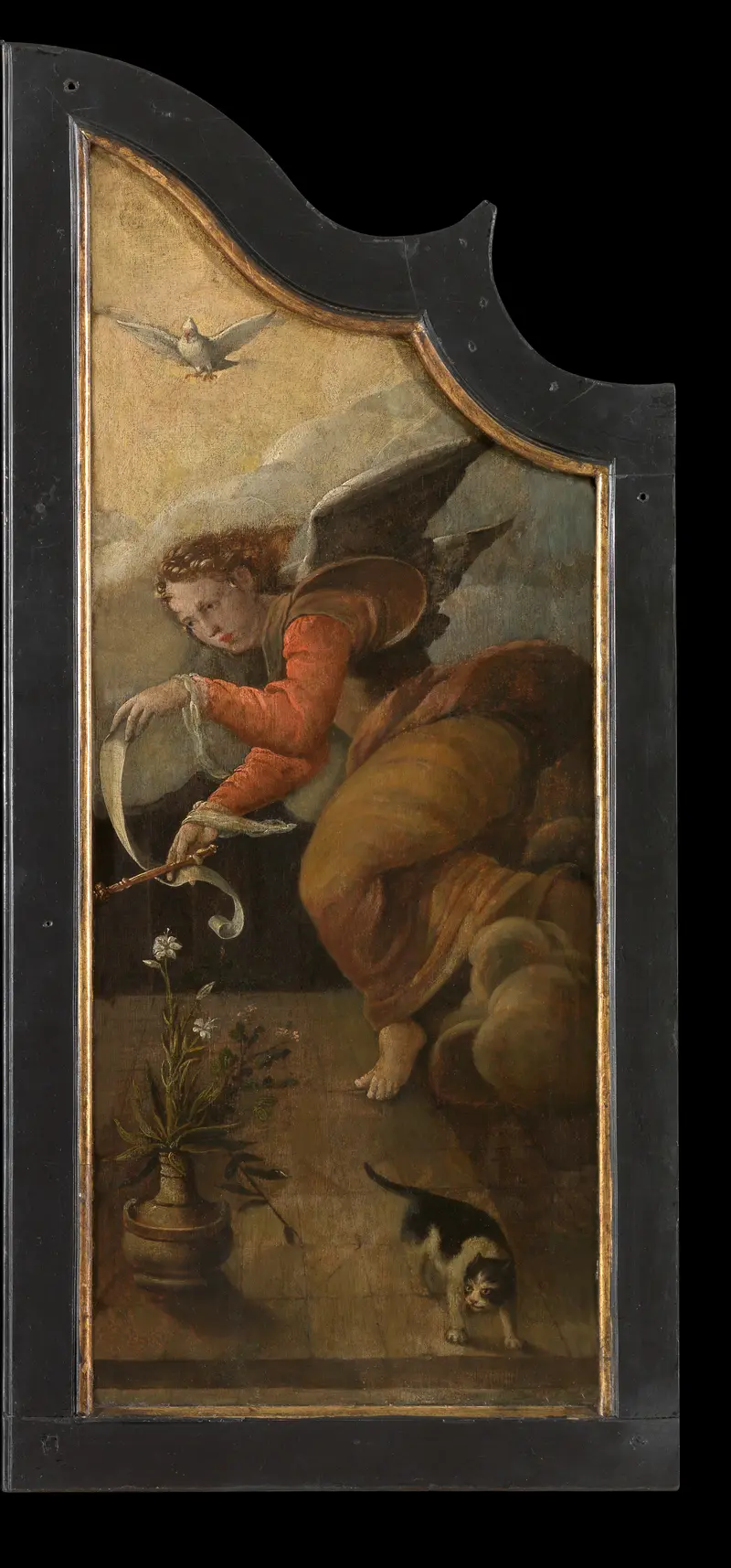
Angel Gabriel
Aertgen Claesz van Leyden
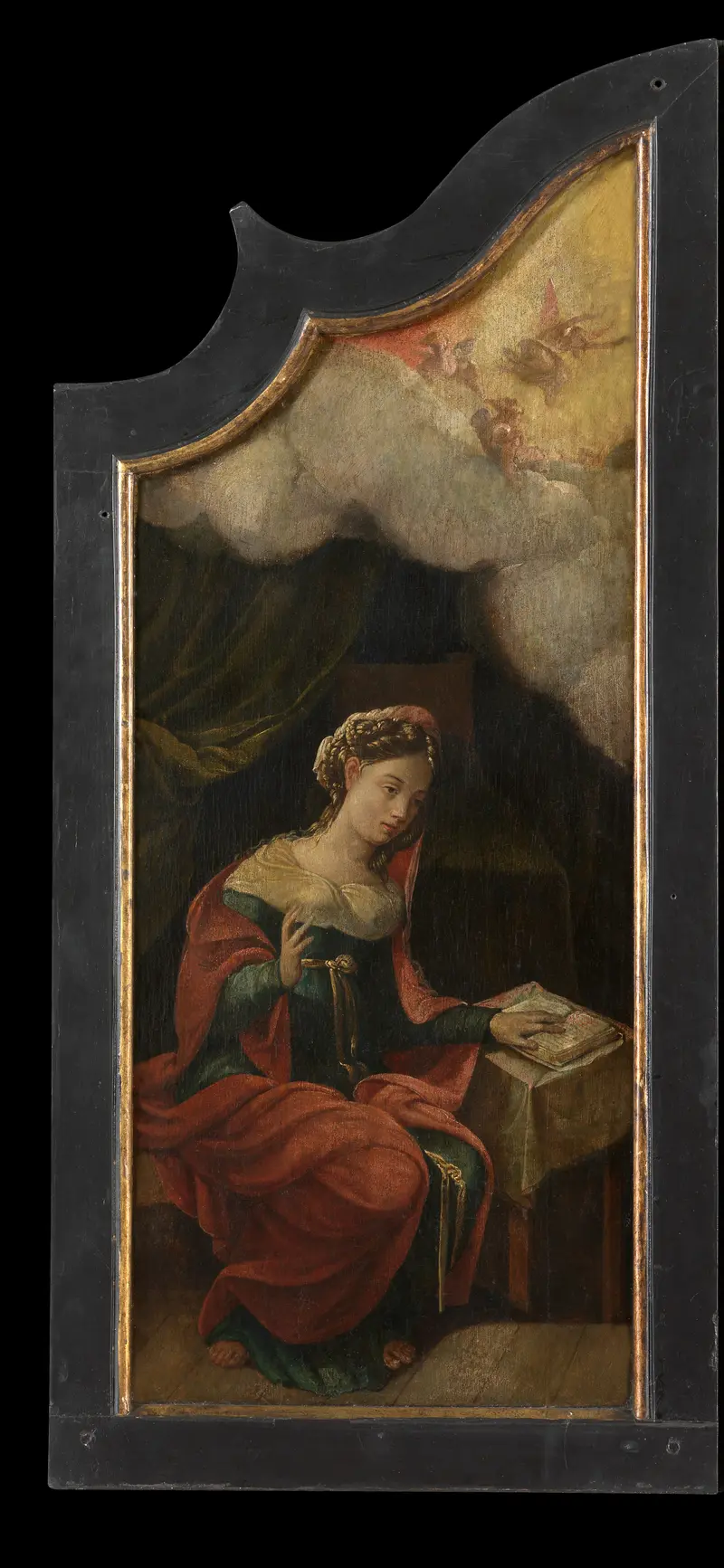
Maria
Aertgen Claesz van Leyden
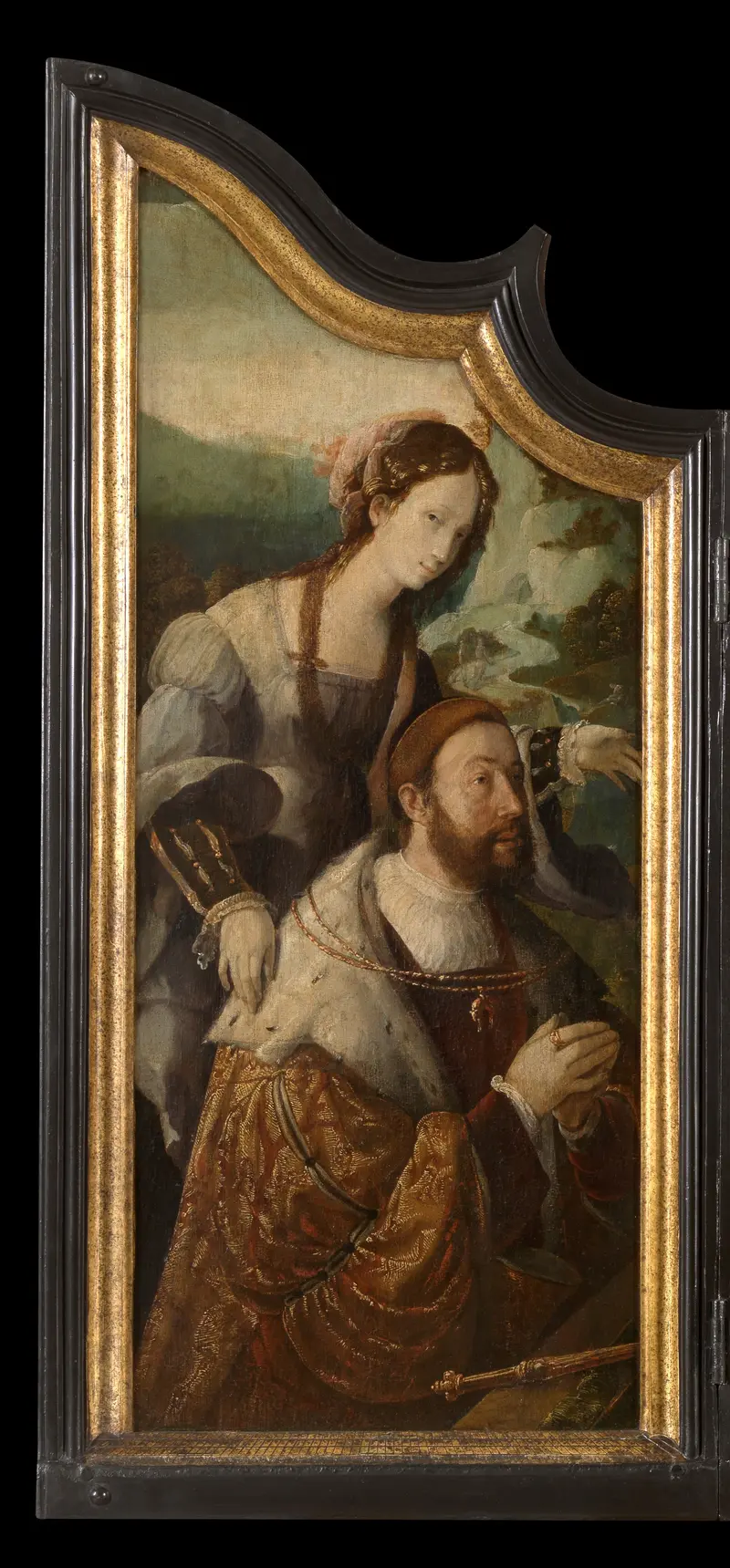
Count Henry III of Nassau with the Tiburtine sibille
Aertgen Claesz van Leyden
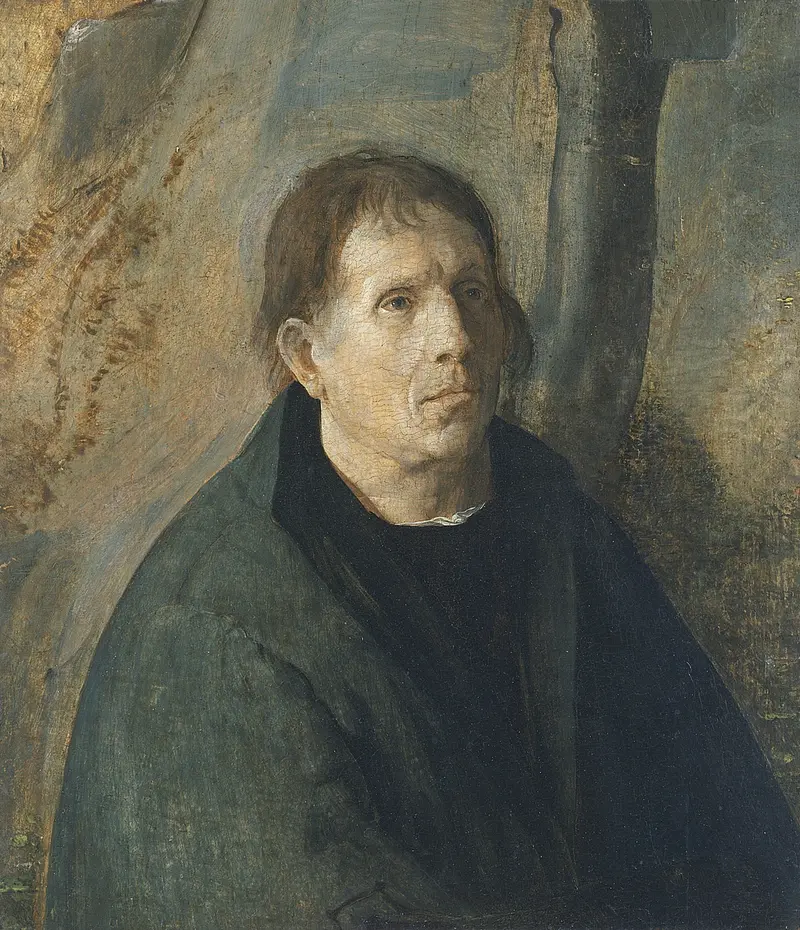
Portrait of a Donor
Aertgen Claesz van Leyden





