
Count Henry III of Nassau with the Tiburtine sibille — History & Facts
What first catches the eye in this panel by Aertgen Claesz van Leyden is the poised intimacy between two figures—a richly dressed man kneeling in prayer, and a woman who leans over him, her hand resting on his shoulder with a gesture that hovers between guidance and benediction. The man's elaborate robes and fur collar glint with gold, signaling his worldly status, while his clasped hands and upward gaze draw the viewer into a private moment of devotion. The woman, by contrast, is rendered with a serene, almost otherworldly calm, her face turned gently toward the man yet distant, as if she is both present and apart.
The landscape behind them opens to rolling hills and a soft, luminous sky, lending the scene an air of quiet revelation. The frame’s unusual shape, arching above the figures, seems to echo the spiritual arc of the encounter. Painted in 1535, this work belongs to a world where portraits and religious allegories often intertwined, especially in the courts of the Low Countries. Panels like this—combining donor portraits with saints, sibyls, or prophets—were prized by noble patrons eager to display both their piety and their lineage.
The artist, working in a period of religious ferment and humanist learning, would have been keenly aware of the power of such images to shape memory and identity. Now housed in the Royal Museum of Fine Arts Antwerp, this painting stands as a testament to the ambitions and anxieties of its time, inviting us to look again at the delicate balance between earthly power and spiritual hope.
More Artworks by Aertgen Claesz van Leyden

Jakob ontvangt het bebloede kleed van Jozef
Aertgen Claesz van Leyden
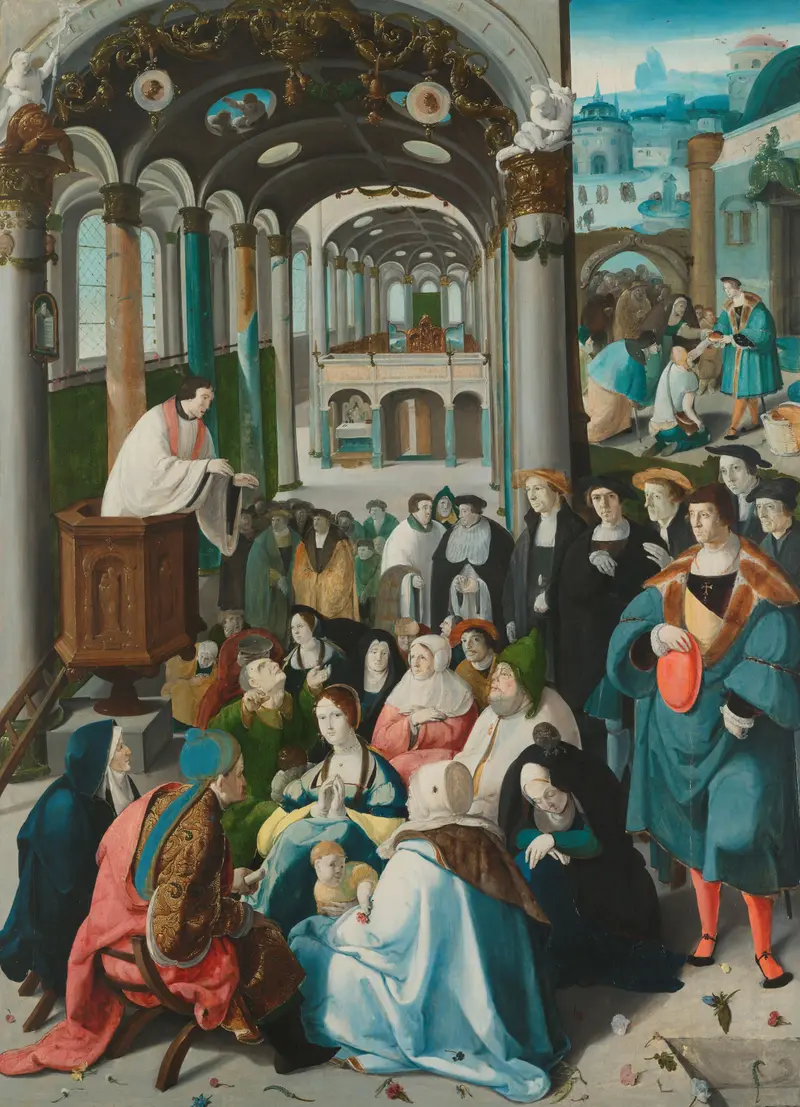
The Calling of Saint Anthony
Aertgen Claesz van Leyden
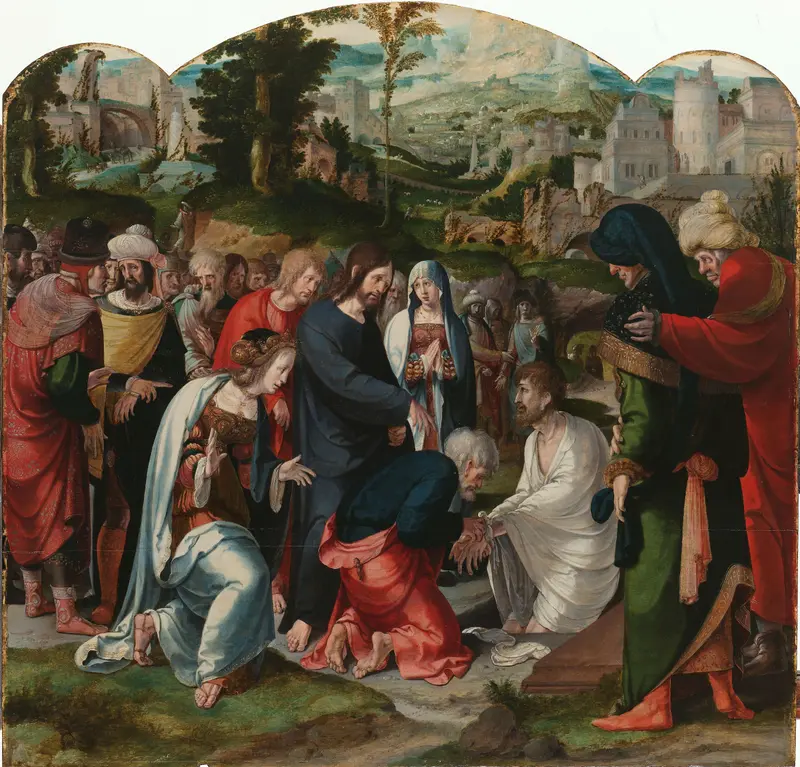
The Raising of Lazarus
Aertgen Claesz van Leyden
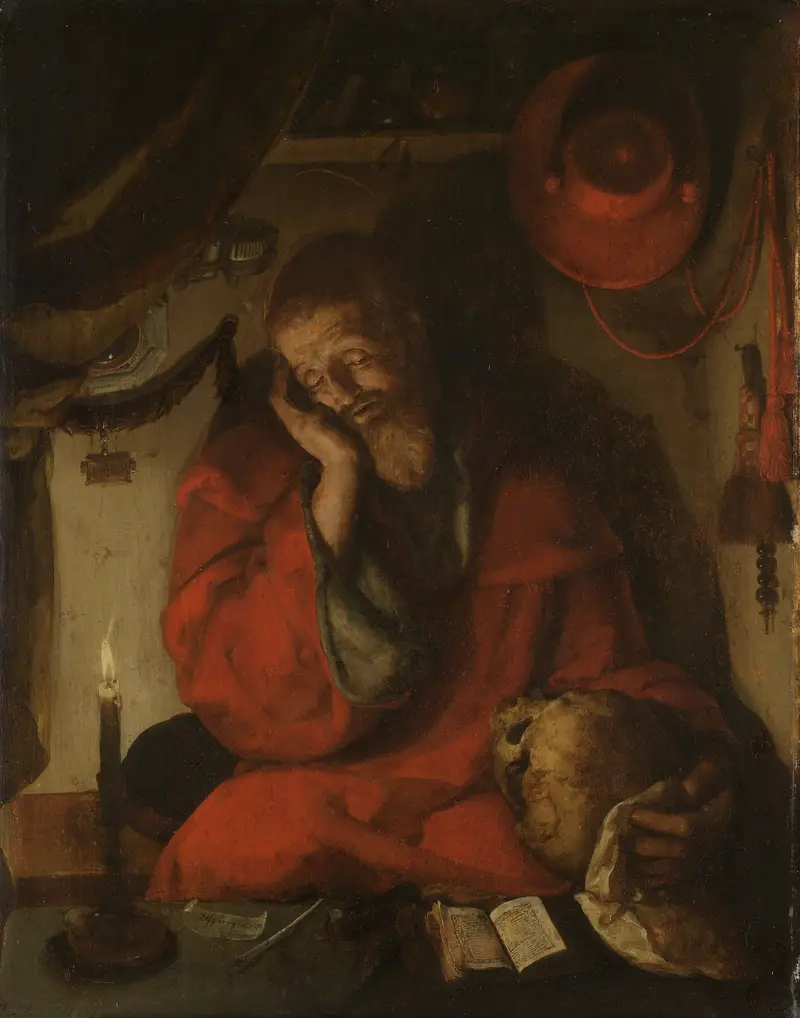
Saint Jerome in his Study by Candlelight
Aertgen Claesz van Leyden
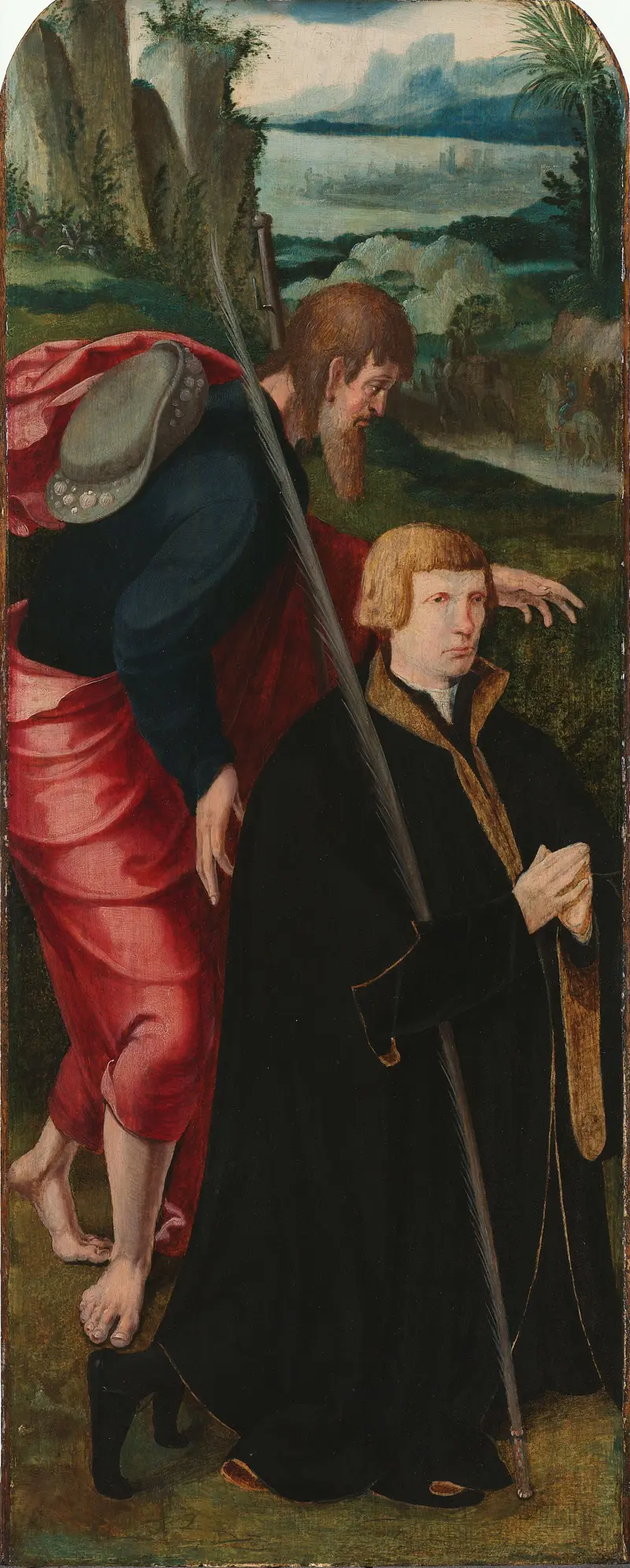
The Raising of Lazarus
Aertgen Claesz van Leyden
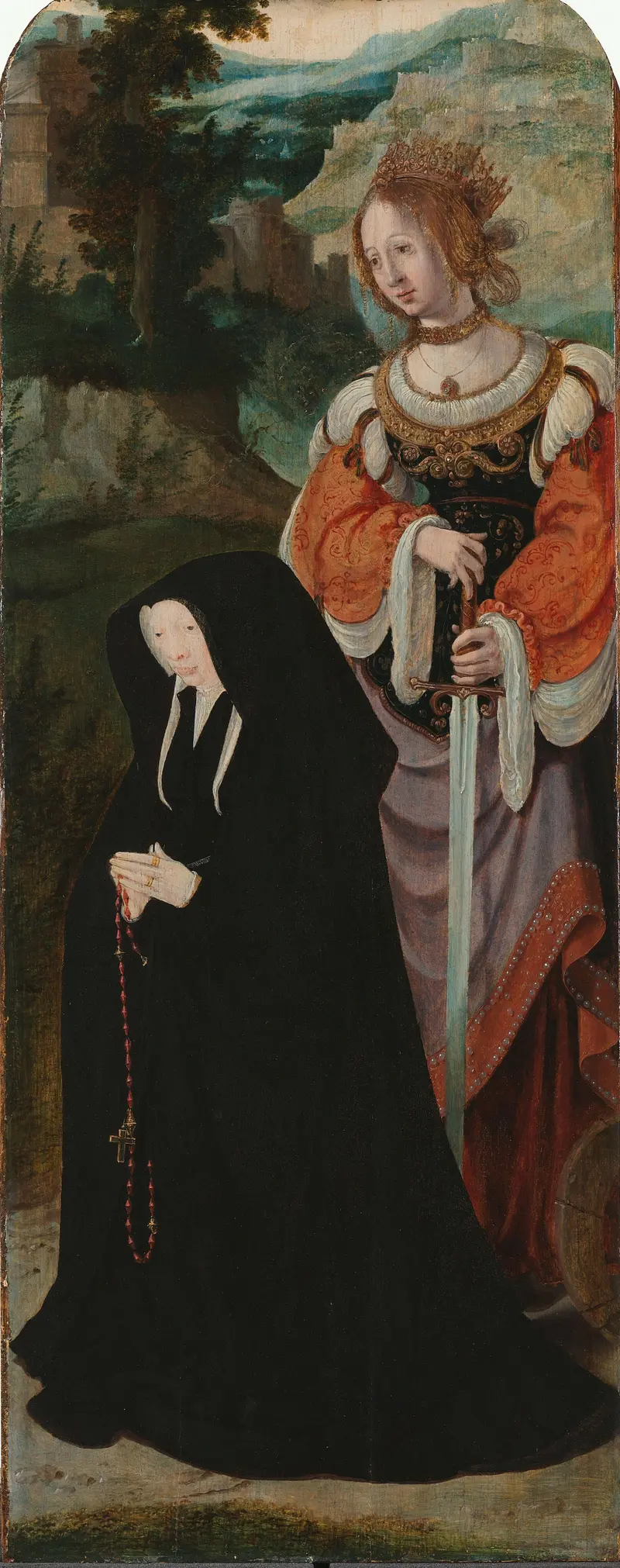
The Raising of Lazarus
Aertgen Claesz van Leyden
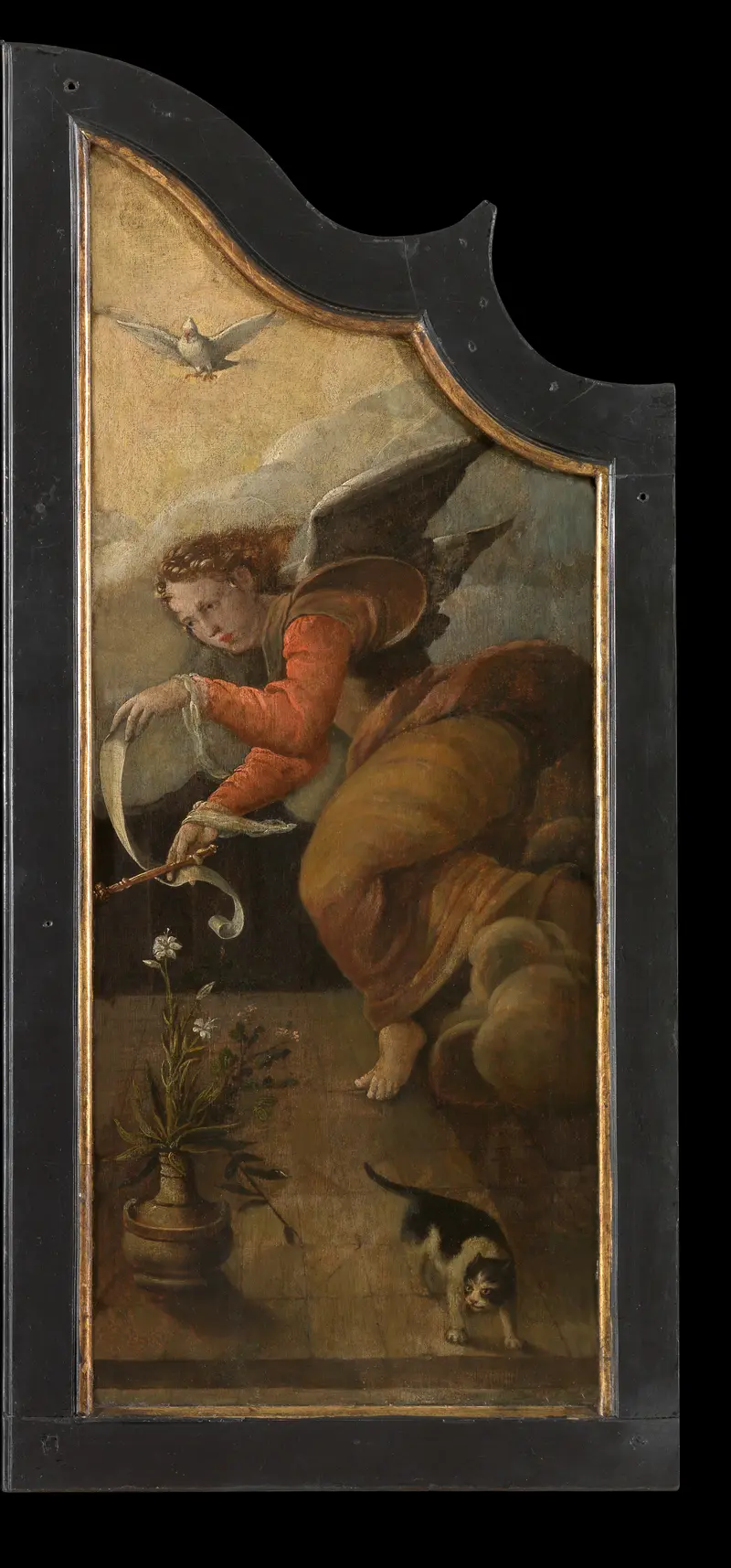
Angel Gabriel
Aertgen Claesz van Leyden
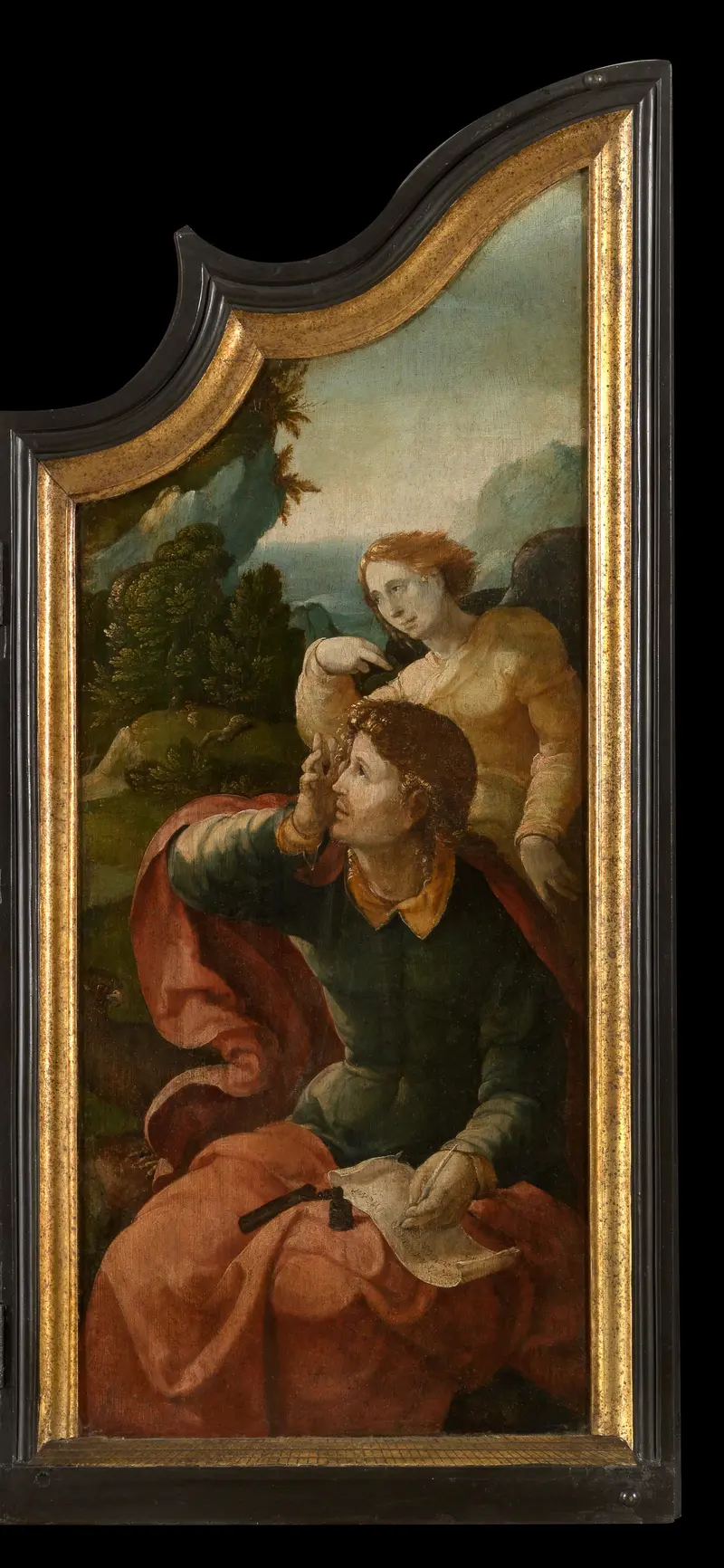
Saint John on Patmos
Aertgen Claesz van Leyden
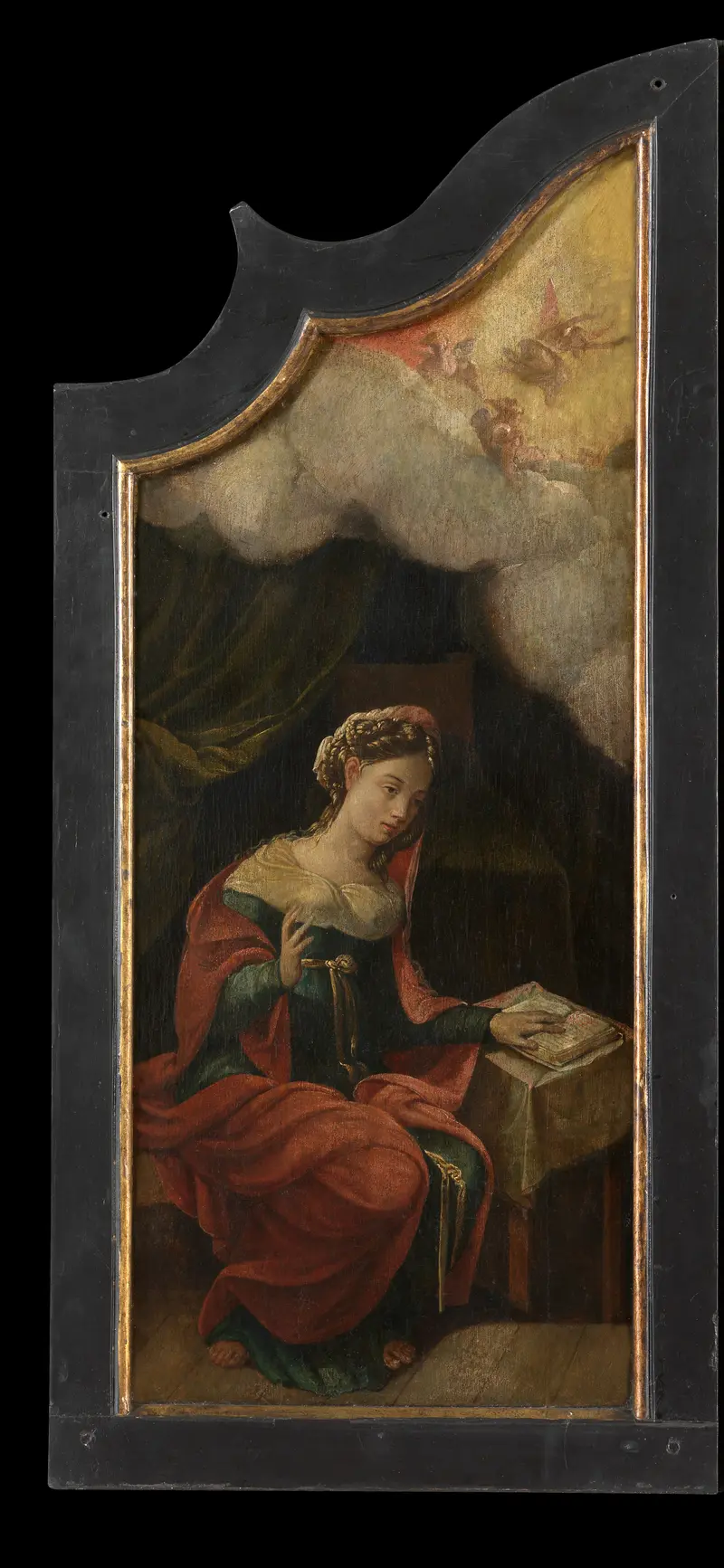
Maria
Aertgen Claesz van Leyden
Portrait of a Donor
Aertgen Claesz van Leyden





