
Maria — History & Facts
It is the hush before a revelation that holds the eye here—a young woman, her features gentle and absorbed, sits in a quiet interior, her hand lifted in a gesture that hovers between surprise and acceptance. The deep folds of her rose and emerald robes gather around her, pooling on the wooden floor, while her gaze drifts downward, caught between the open book on the table and the unseen presence above. A thick curtain of shadow behind her sets off the bright, almost theatrical light that falls on her face and hands, drawing the viewer into her private moment.
Above, a swirl of clouds parts to reveal a cluster of cherubic figures, rendered in soft, golden tones that seem to melt into the atmosphere—an otherworldly intrusion into the stillness below. The entire scene is framed by the unusual, almost architectural shape of the panel, as if inviting us to peer through a window into a sacred drama. Works like this, painted in the mid-sixteenth century, were shaped by a world in which religious stories were not distant legends but living presences, woven into the fabric of daily life. Artists such as Aertgen Claesz van Leyden gave form to these moments for private devotion or chapel altarpieces, using light and gesture to guide the viewer’s meditation.
In the Low Countries, where this painting was made between 1525 and 1574, the art of storytelling through paint was reaching new heights, blending Italianate grace with Northern attention to texture and detail. The Royal Museum of Fine Arts Antwerp now houses this panel, a quiet survivor from an age when painters sought to make the invisible visible. Notice how the clouds seem to dissolve the boundary between heaven and earth—an invitation to linger, and look again.
More Artworks by Aertgen Claesz van Leyden

Jakob ontvangt het bebloede kleed van Jozef
Aertgen Claesz van Leyden
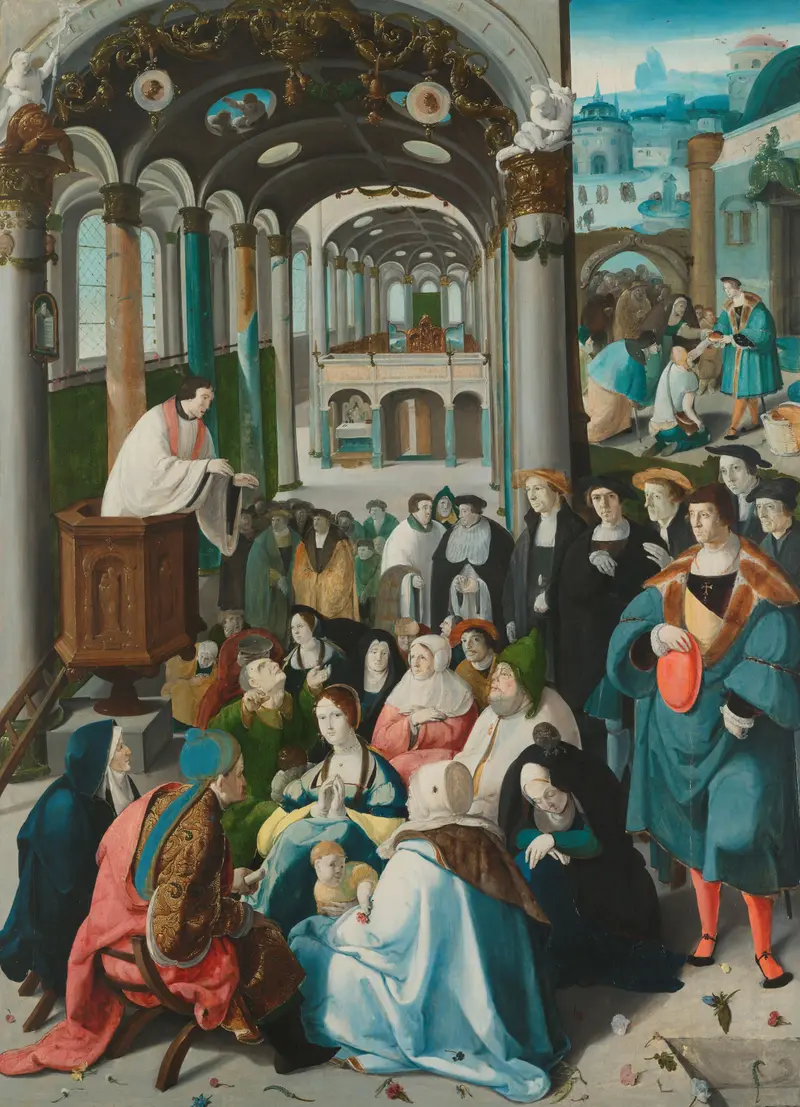
The Calling of Saint Anthony
Aertgen Claesz van Leyden
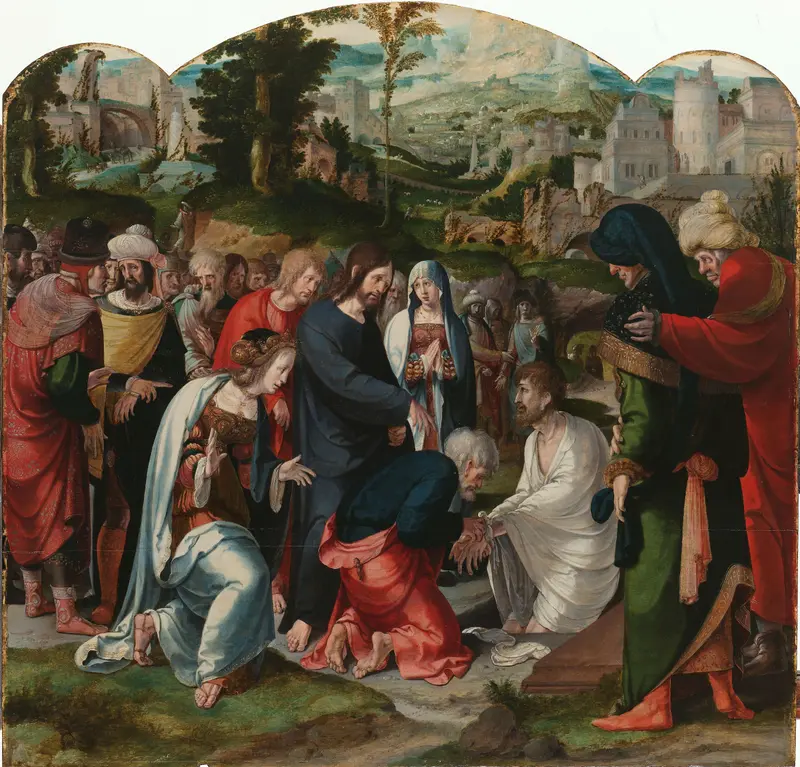
The Raising of Lazarus
Aertgen Claesz van Leyden
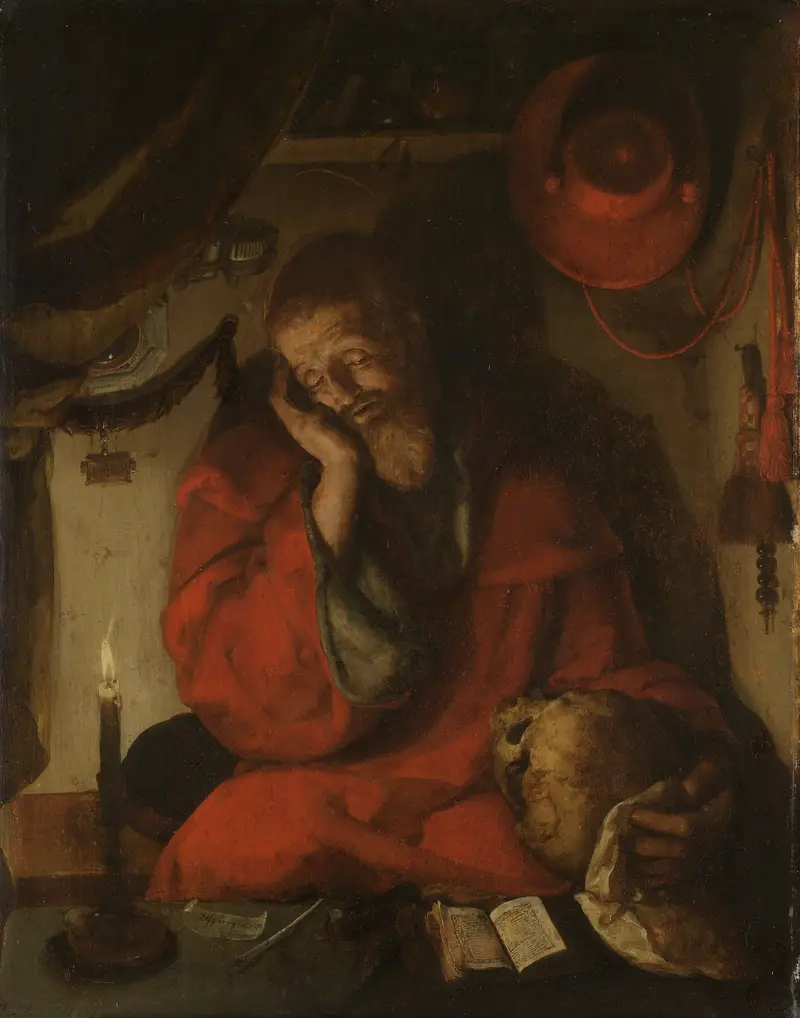
Saint Jerome in his Study by Candlelight
Aertgen Claesz van Leyden
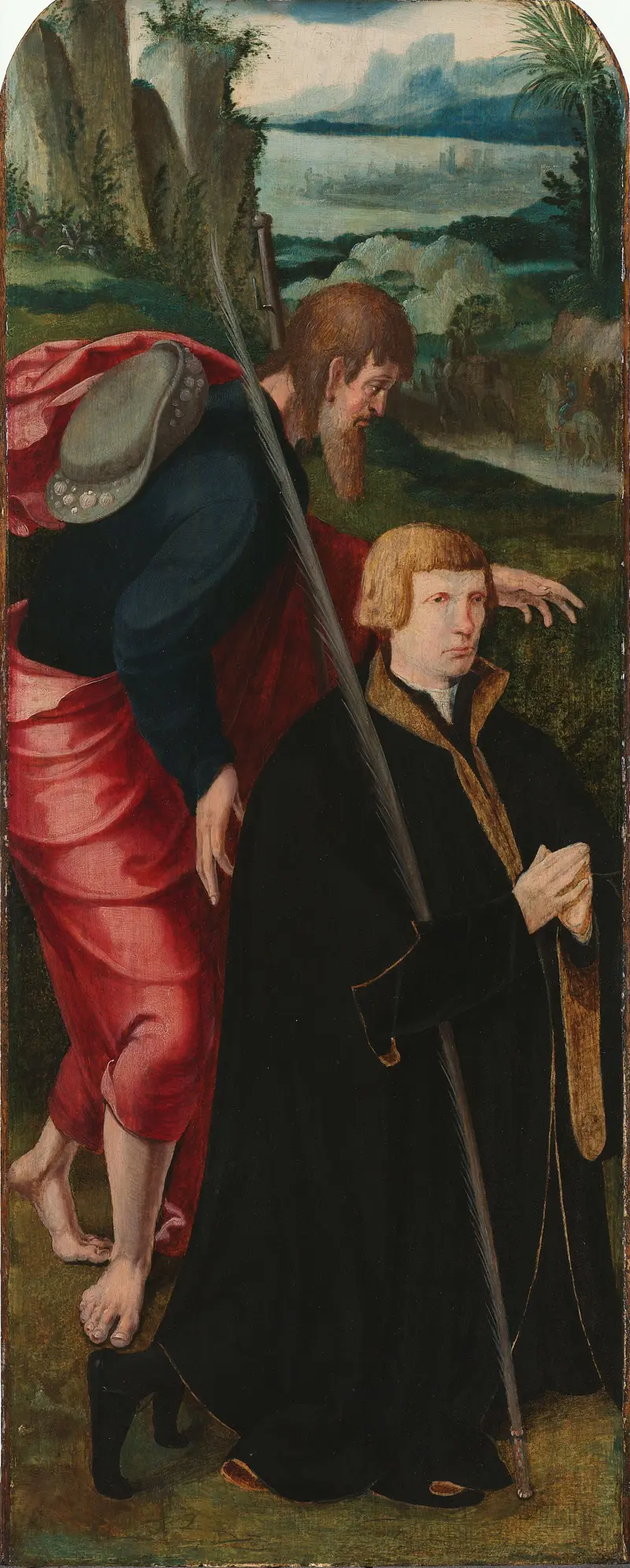
The Raising of Lazarus
Aertgen Claesz van Leyden
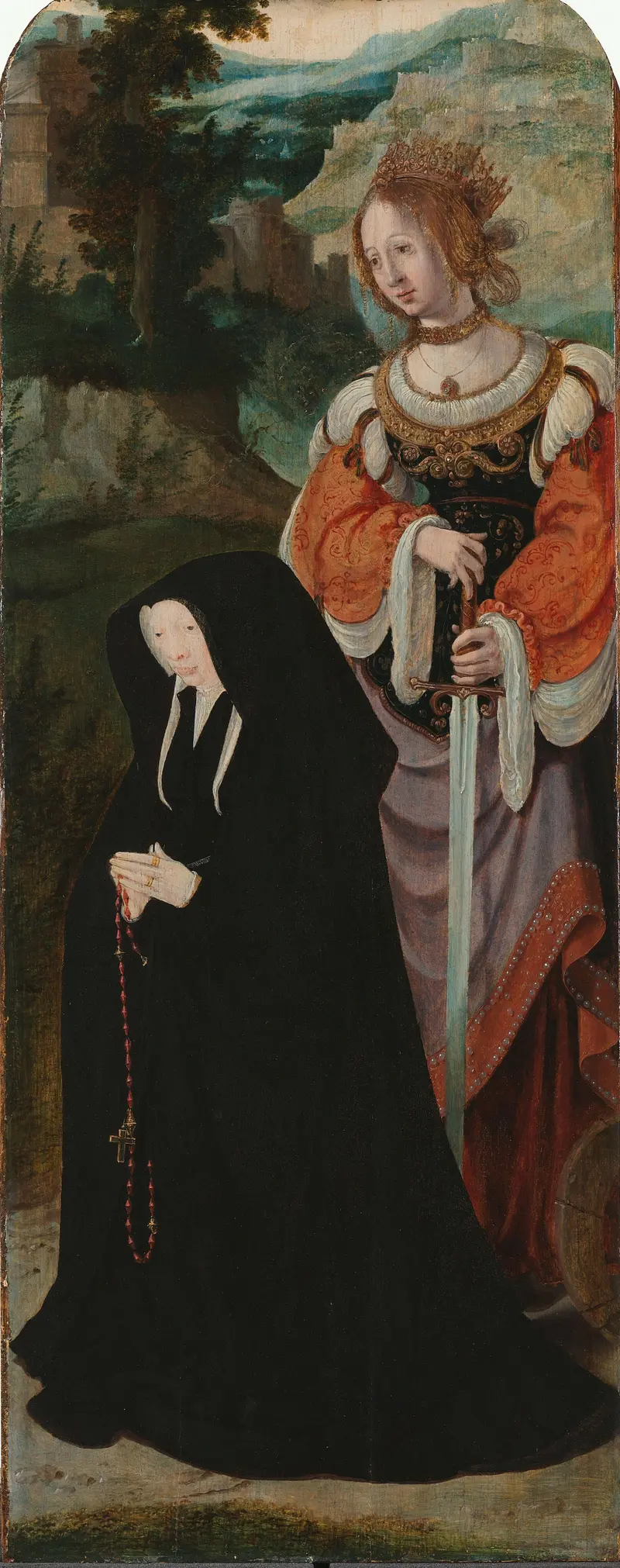
The Raising of Lazarus
Aertgen Claesz van Leyden
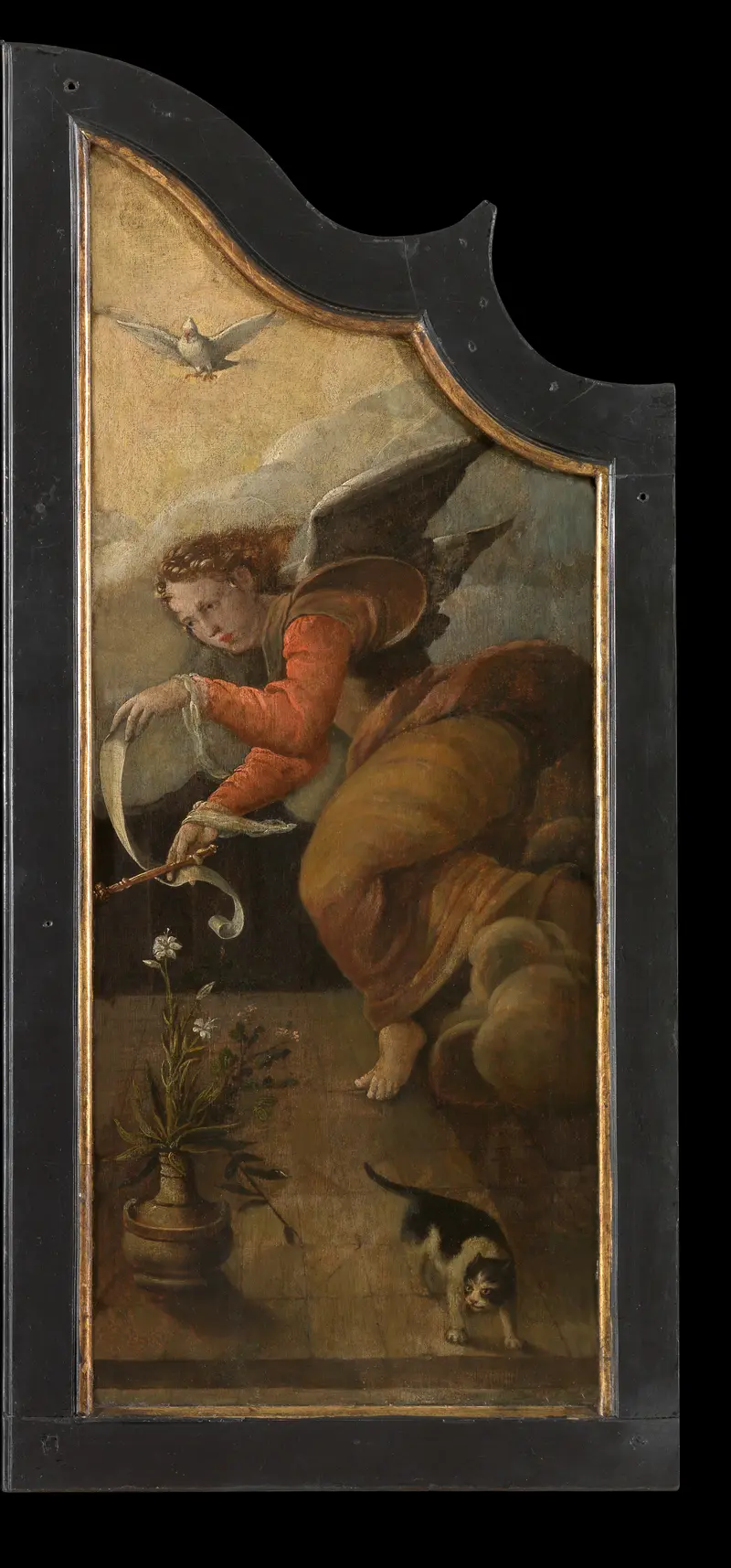
Angel Gabriel
Aertgen Claesz van Leyden
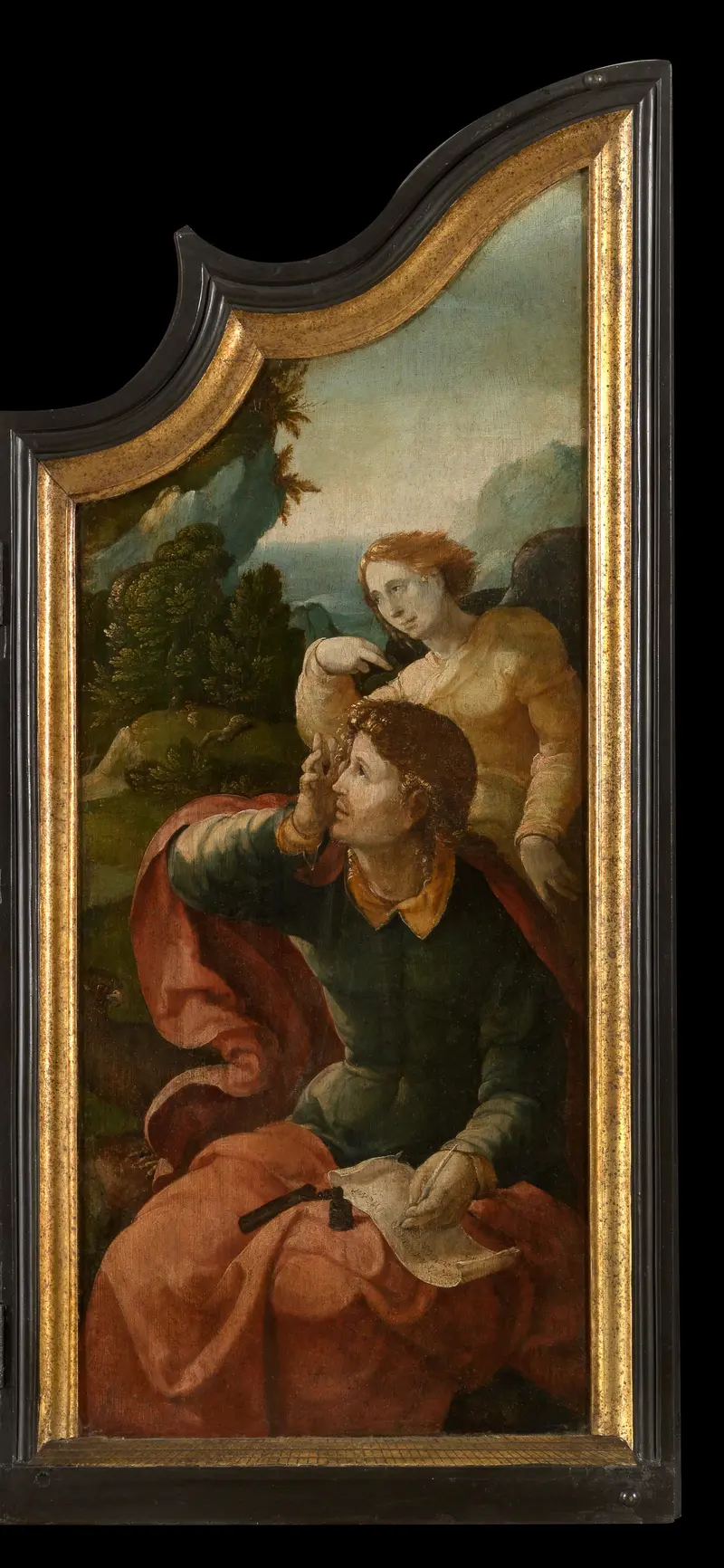
Saint John on Patmos
Aertgen Claesz van Leyden
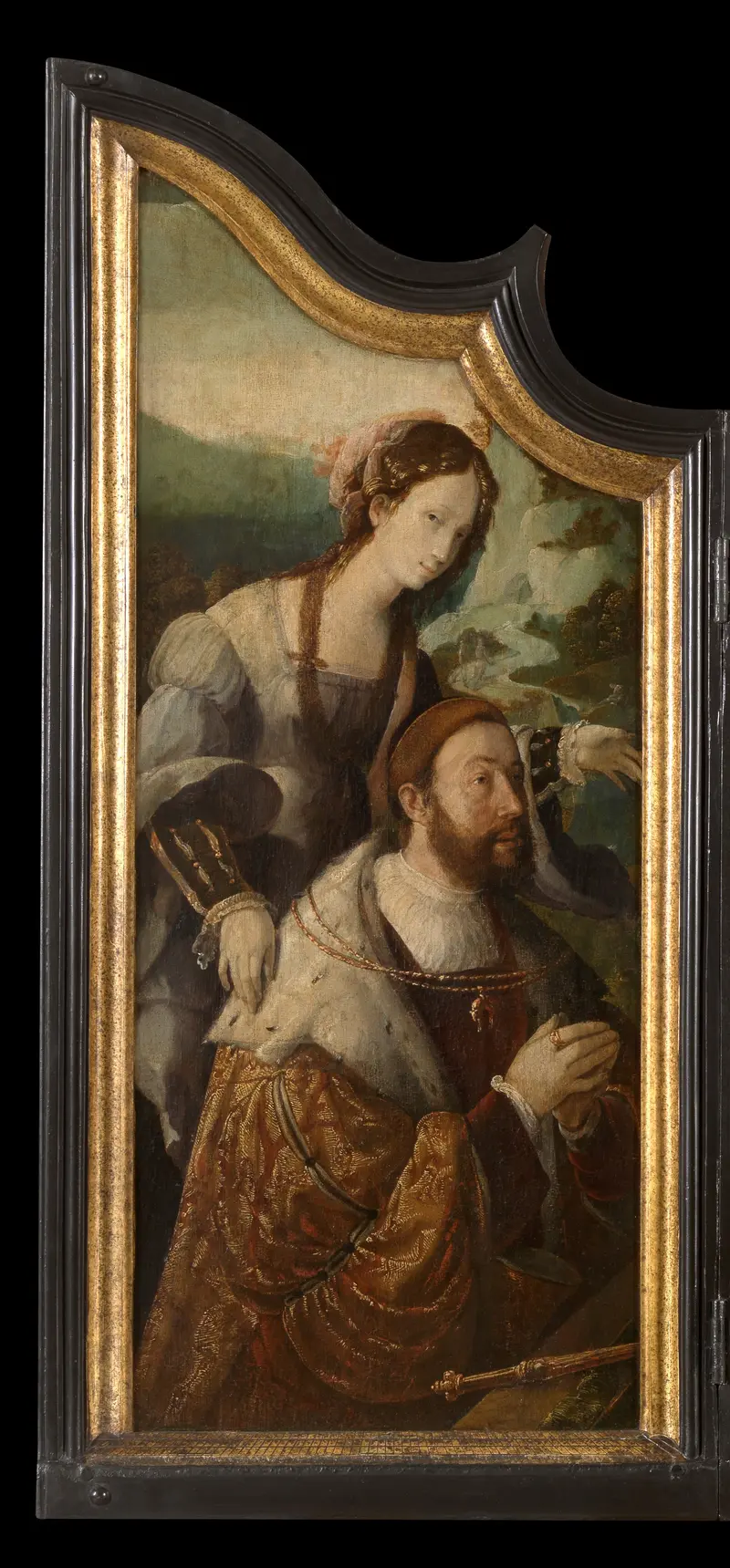
Count Henry III of Nassau with the Tiburtine sibille
Aertgen Claesz van Leyden
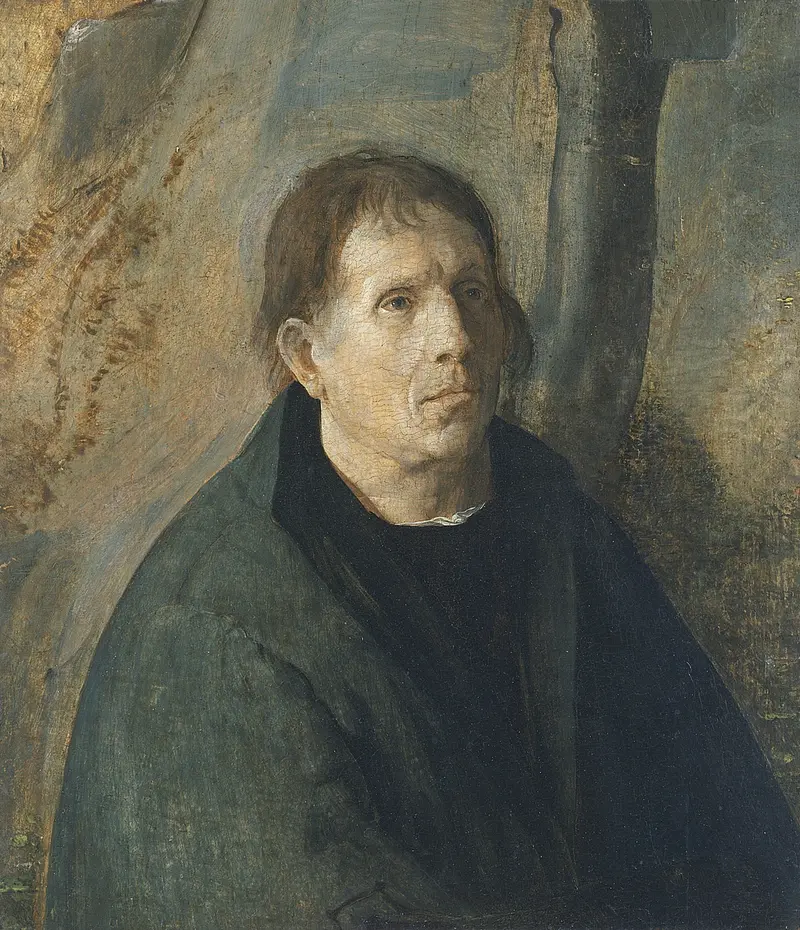
Portrait of a Donor
Aertgen Claesz van Leyden





