
Angel of Annunciation — History & Facts
The most intriguing aspect of Angel of Annunciation by Jan van Eyck is that its origins remain shrouded in mystery: neither its exact date nor its intended purpose are known, and scholars continue to debate whether it once formed part of a larger altarpiece or diptych. This uncertainty has fueled fascination for generations, as the work’s exquisite detail and luminous technique are unmistakably those of van Eyck, yet its context within his oeuvre is elusive. Some believe it may have been paired with a matching Virgin Annunciate, a common arrangement in early Netherlandish art, but no definitive companion has ever been identified.
The painting's enigmatic status has made it a touchstone for discussions about the boundaries of attribution and the complexities of workshop practice in the 15th century. The moment van Eyck captures is that of the Archangel Gabriel’s arrival, poised to deliver the message to Mary that she will bear the Christ child. Gabriel’s gesture—one hand raised in gentle greeting, the other perhaps holding a scepter or lily—signals both authority and humility. The angel's robe, rendered in minute detail, glimmers with gold embroidery, a symbol of divine presence and purity.
Light pours over the figure, illuminating the feathers of the wings and casting a subtle shadow, suggesting the intersection of the spiritual and earthly realms. Compared to the more theatrical Annunciation scenes by Fra Angelico, van Eyck’s angel is restrained and dignified, emphasizing the mystery of the incarnation through stillness and clarity. The physical history of Angel of Annunciation is as elusive as its origins. No records survive of its first owner or the circumstances of its commission, and it is not mentioned in early inventories of van Eyck’s works.
Over the centuries, the painting has been attributed, reattributed, and sometimes even doubted, yet technical analysis consistently supports its connection to van Eyck’s hand or immediate workshop. Today, it stands as a testament to the artist’s influence on Northern Renaissance painting, admired for its precision and psychological depth. Whether displayed in a museum or studied in reproduction, the painting continues to invite viewers into the quiet drama of its sacred moment.
More Artworks by Jan van Eyck

Adam
Jan van Eyck
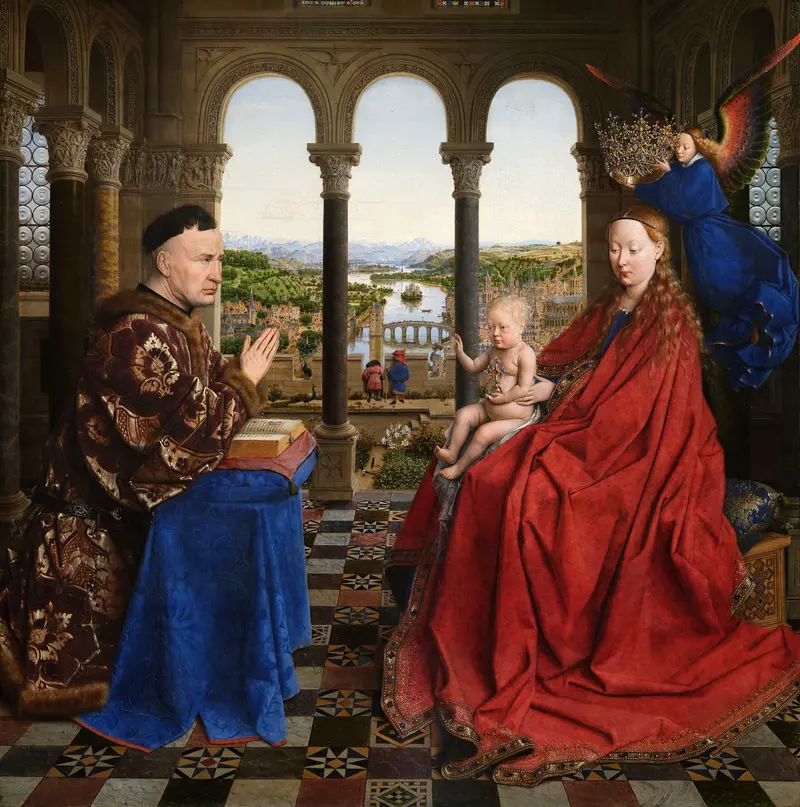
Madonna of Chancellor Rolin
Jan van Eyck
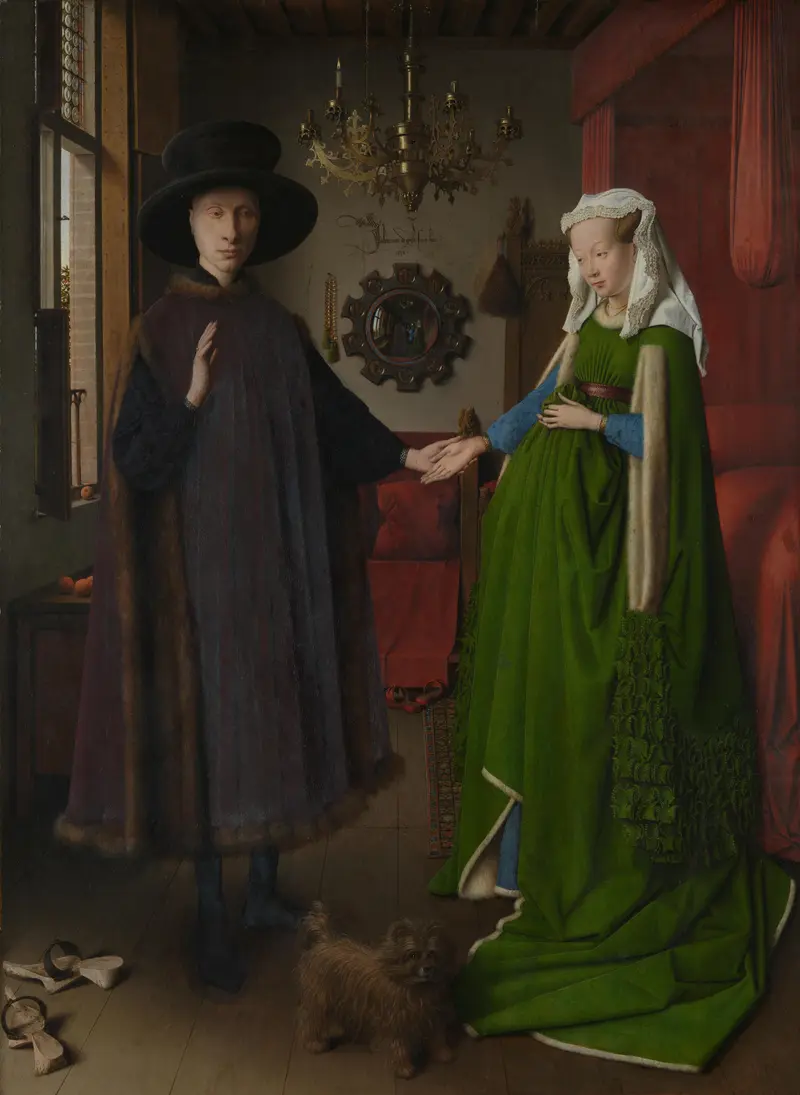
The Arnolfini Portrait
Jan van Eyck
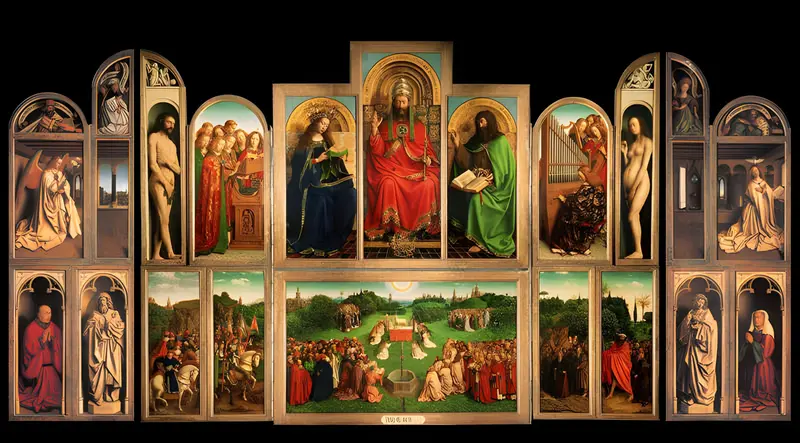
Ghent Altarpiece
Jan van Eyck

Dresden Triptych
Jan van Eyck
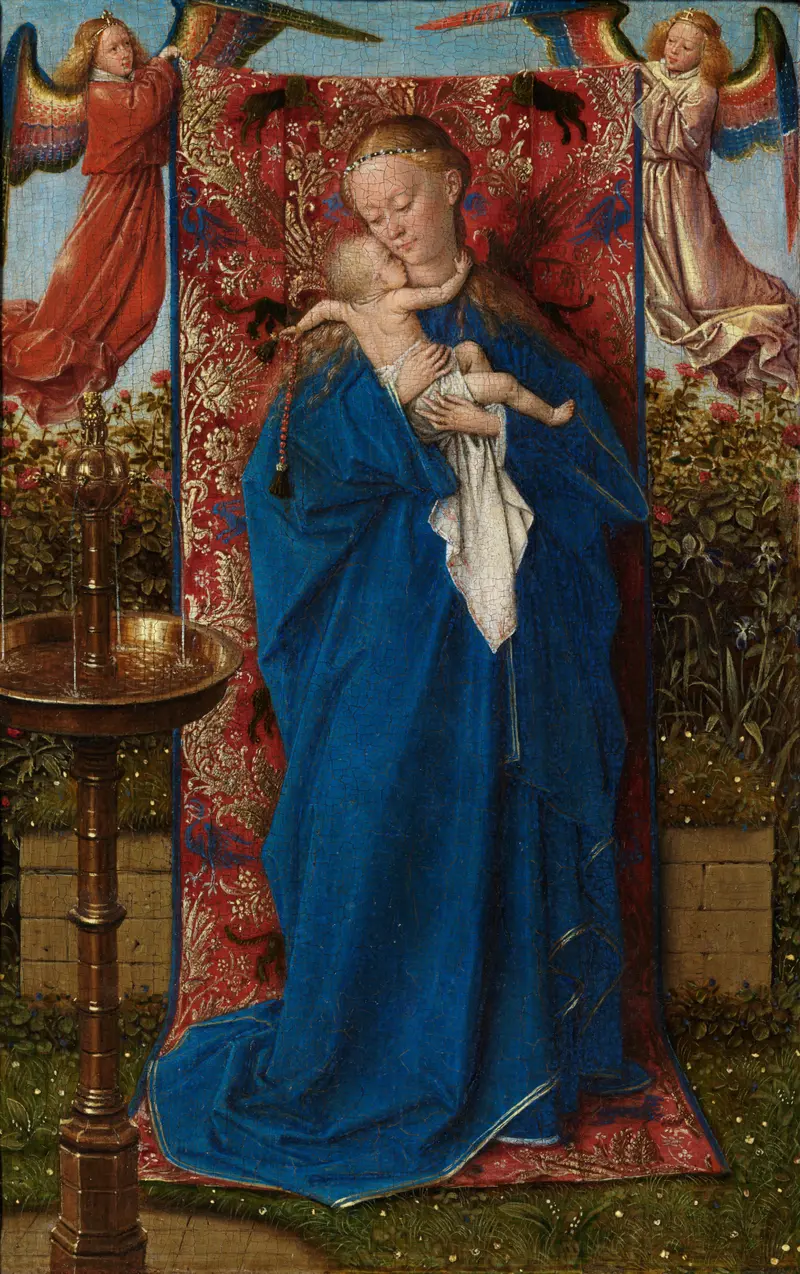
Madonna at the Fountain
Jan van Eyck

Madonna with Canon Joris van der Paele
Jan van Eyck

Prophet Zacharias; Angel of The Annunciation
Jan van Eyck
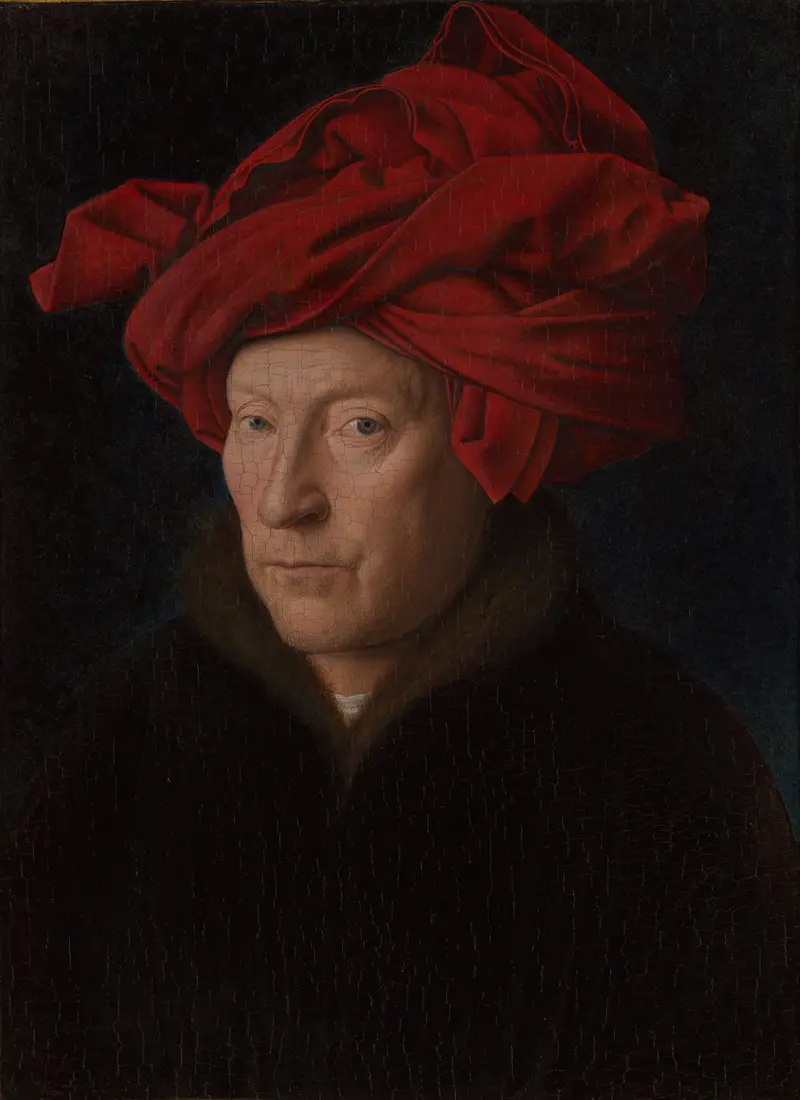
Portrait of a Man (Self Portrait?)
Jan van Eyck
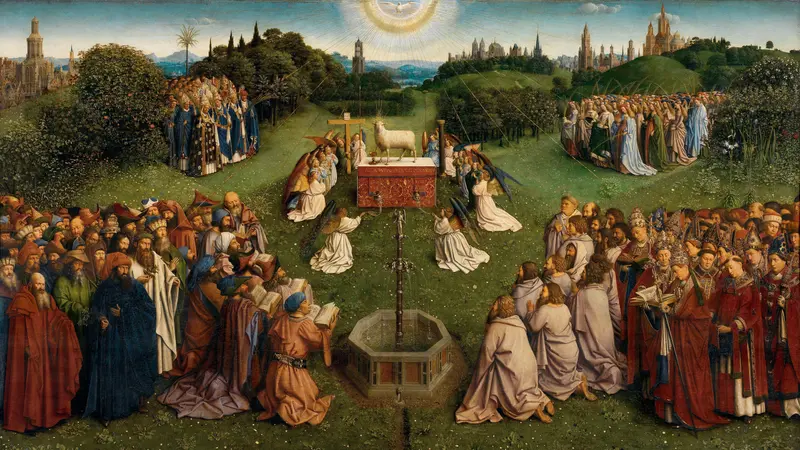
Adoration of the Lamb from the Ghent Altarpiece
Jan van Eyck





