
Portrait of a Man (Self Portrait?) — History & Facts
A man in three-quarter view gazes directly outward, his pale blue eyes set beneath heavy lids and surrounded by fine wrinkles that radiate from the corners. His face is rendered with remarkable precision, showing a stubbled chin and jaw, the skin marked by the onset of middle age, and a mouth held tightly closed. The sitter wears a voluminous headdress in bright vermilion red, its elaborate folds and knots dominating the upper part of the composition and casting subtle shadows across his forehead.
A dark robe trimmed with brown fur encircles his neck and shoulders, the deep shadow of the garment contrasting sharply with the illuminated flesh tones of his face. The background is a near-black void, allowing the head and headdress to stand out with striking clarity and focus. The paint surface reveals fine, controlled brushwork, especially in the rendering of the headdress's texture and the delicate transitions of light across the man's skin.
The composition is tightly cropped, with the head appearing slightly large in proportion to the body, a characteristic found in other works by Jan van Eyck. The sitter's expression is both weary and confident, achieved through the combination of his pursed lips, wide mouth, and the framing effect of the headdress. The painting is attributed to Jan van Eyck and was completed in 1433. The work is known as Portrait of a Man (Self Portrait?) and has been associated with the Early Netherlandish painting movement.
The depiction of the headdress, with each wrinkle and fold meticulously described, demonstrates the artist's confidence and technical mastery. Portrait of a Man (Self Portrait?) is considered a key example of Jan van Eyck's portraiture and of Early Netherlandish painting.
Sources: National Gallery, record NG222 · Wikidata Q2392901 · Wikipedia: Portrait of a Man (Self Portrait?) · Image source (Wikimedia Commons)
More Artworks by Jan van Eyck

Adam
Jan van Eyck
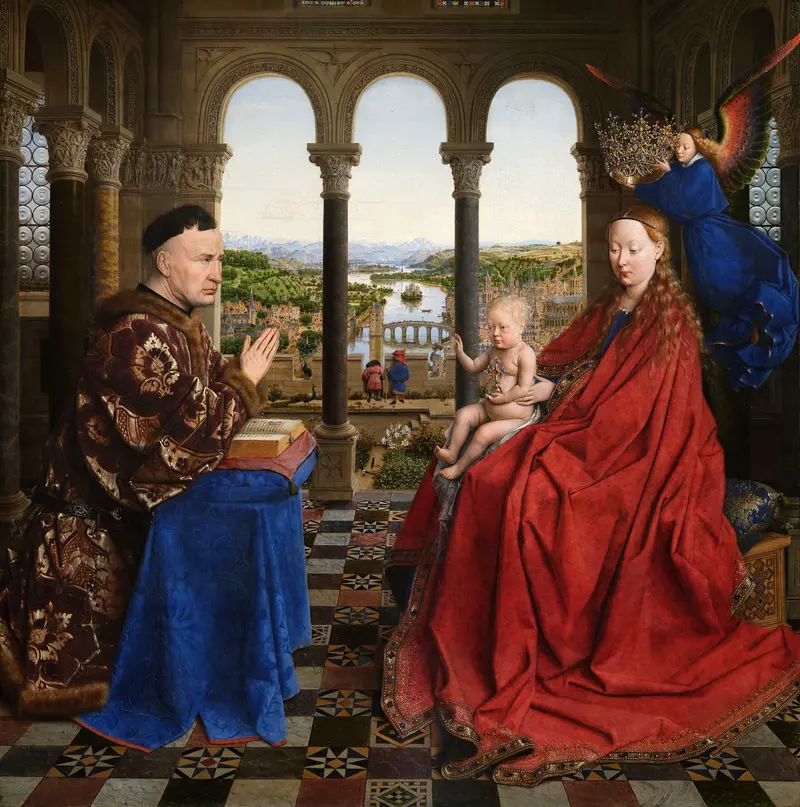
Madonna of Chancellor Rolin
Jan van Eyck
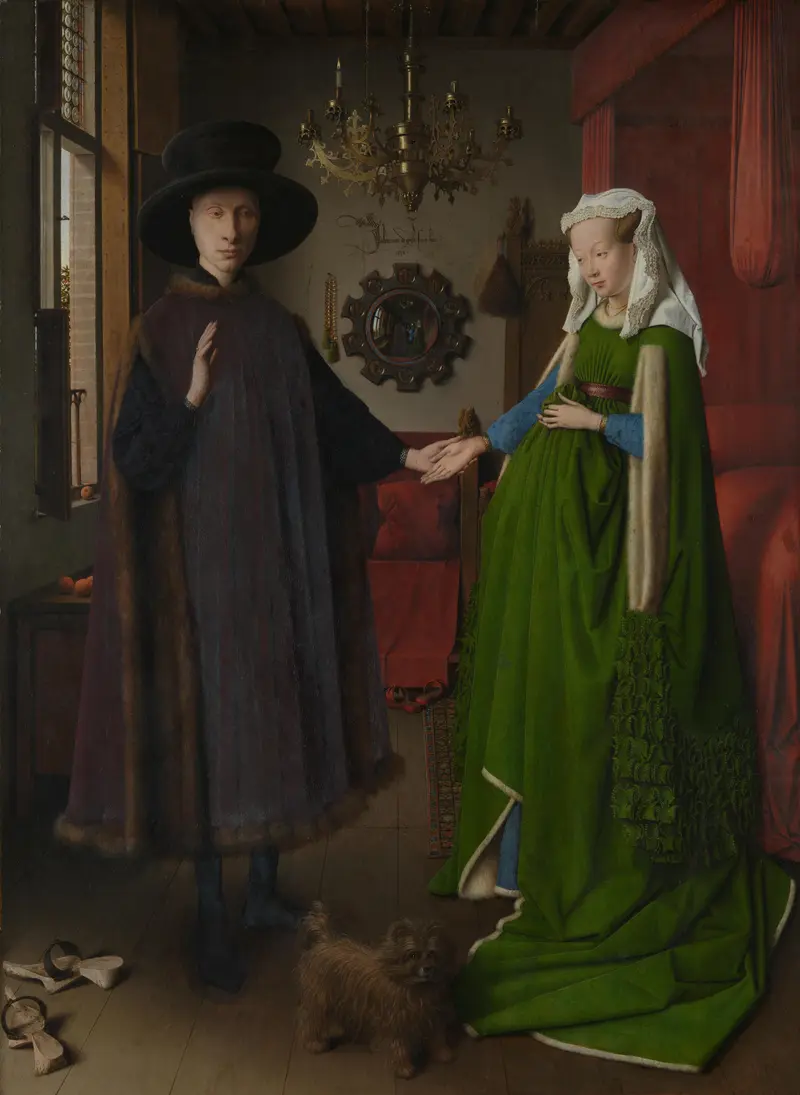
The Arnolfini Portrait
Jan van Eyck
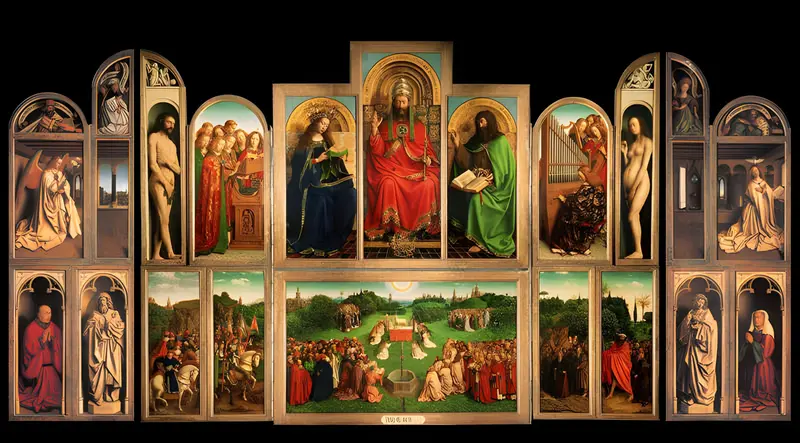
Ghent Altarpiece
Jan van Eyck

Dresden Triptych
Jan van Eyck
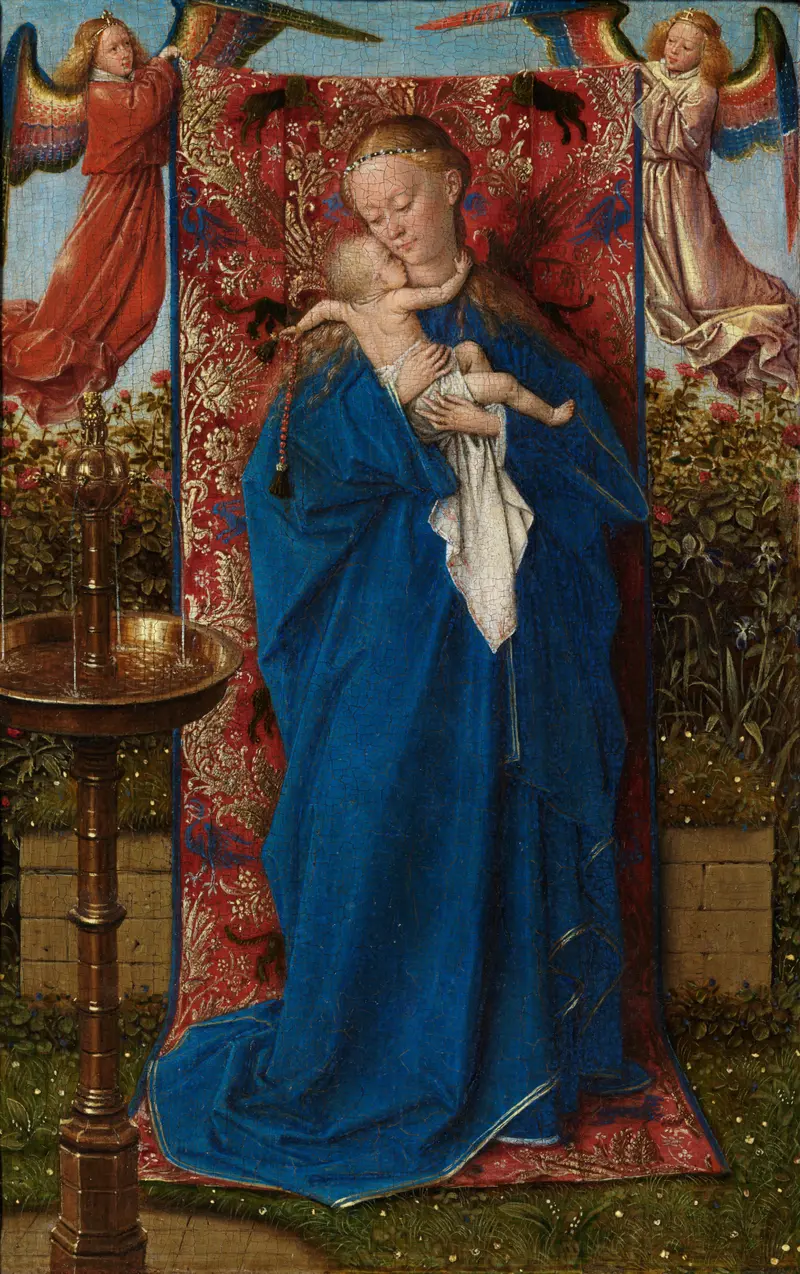
Madonna at the Fountain
Jan van Eyck

Madonna with Canon Joris van der Paele
Jan van Eyck

Prophet Zacharias; Angel of The Annunciation
Jan van Eyck
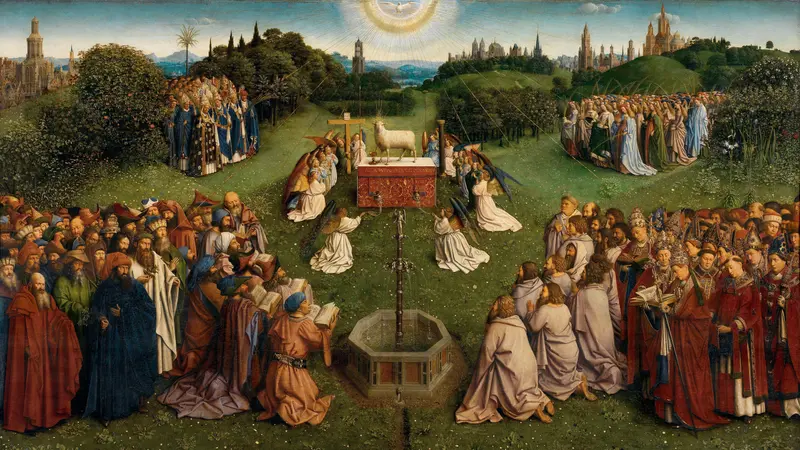
Adoration of the Lamb from the Ghent Altarpiece
Jan van Eyck
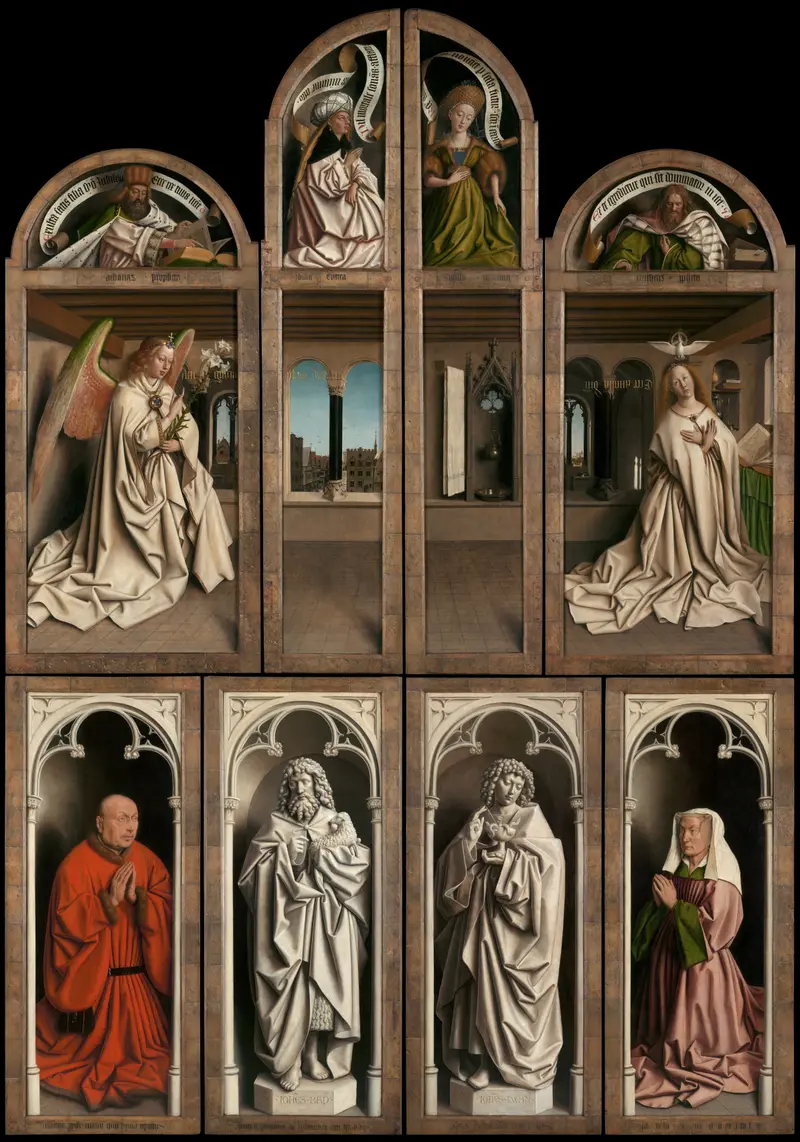
The Ghent Altarpiece (wings closed)
Jan van Eyck





