
Anne-Henriette de France — History & Facts
What first catches the eye in this portrait is not the grandeur of the setting or the richness of the dress, but the poised confidence of the sitter, her hand resting with easy familiarity on the strings of a viola da gamba. The sweep of her brilliant red gown, embroidered with gold, draws the viewer’s gaze upward to her composed face, framed by powdered hair and a delicate floral ornament. The light falls across her lap and instrument, picking out the intricate brocade and the polished wood, before dissolving into the cool shadows of the draped green curtain behind her.
This is a moment of stillness, yet every detail—the tension in the bow, the alertness of her expression—suggests a life of cultivation and intent. Painted in 1754, this work by Jean-Marc Nattier belongs to the world of mid-eighteenth-century France, when portraiture was both a display of status and a coded language of accomplishment. In this era, the daughters of royal and noble houses were often depicted with the instruments, books, or symbols that spoke to their education and refinement. The choice of the viola da gamba, an instrument already somewhat old-fashioned by the 1750s, hints at a taste for tradition and a connection to the courtly arts.
While history has kept few traces of this painting’s journey or its original home, its confident display of music, luxury, and self-possession invites us to imagine the world of salons and private concerts that shaped its creation.
More Artworks by Jean-Marc Nattier

Madame Crozat de Thiers and Her Daughter
Jean-Marc Nattier
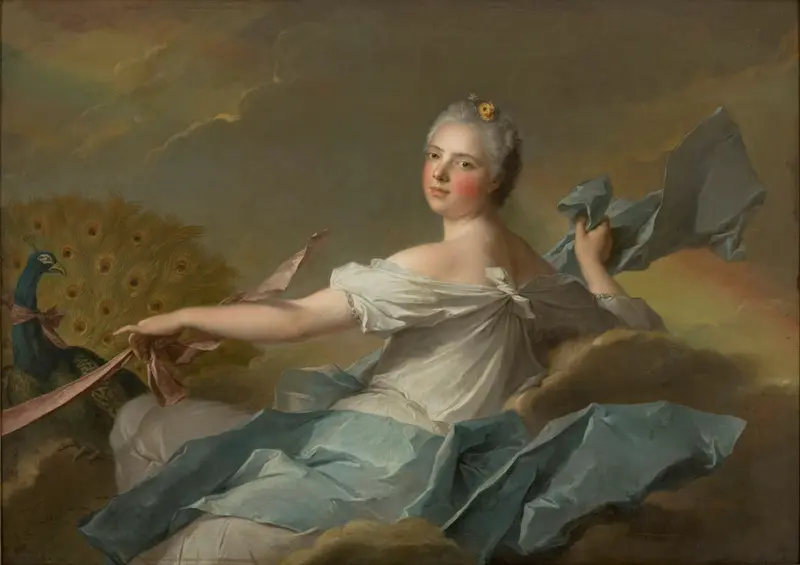
Princess Marie Adélaïde of France - The Air
Jean-Marc Nattier
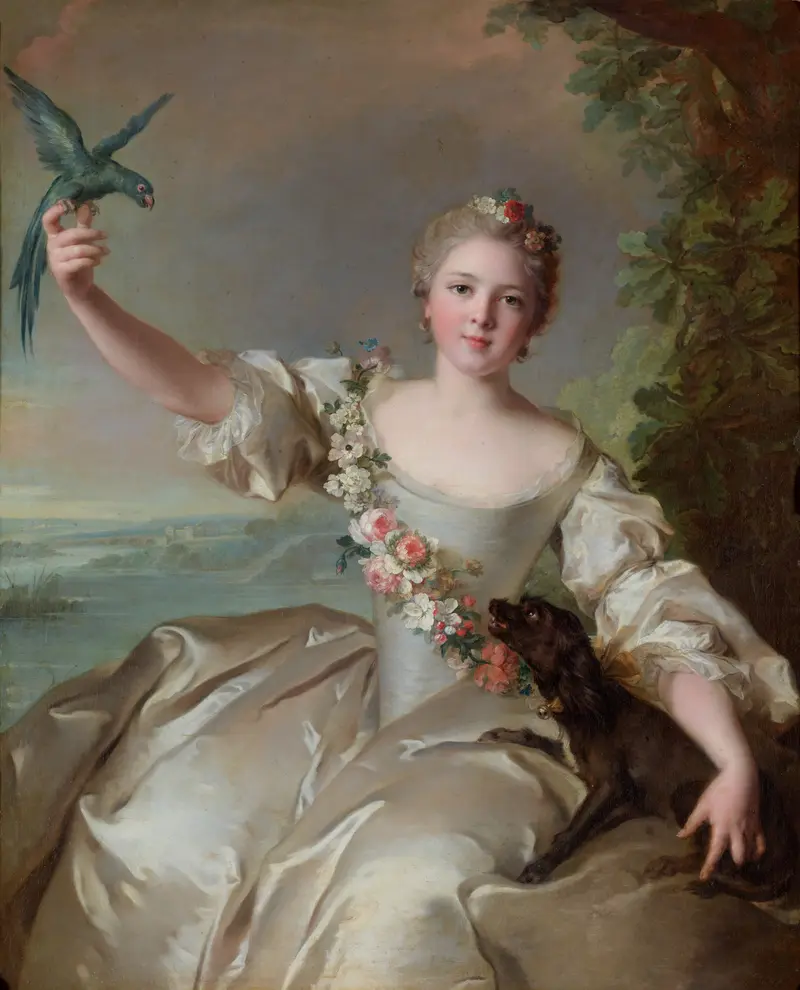
Portrait de Mathilde de Canisy, marquise d'Antin
Jean-Marc Nattier
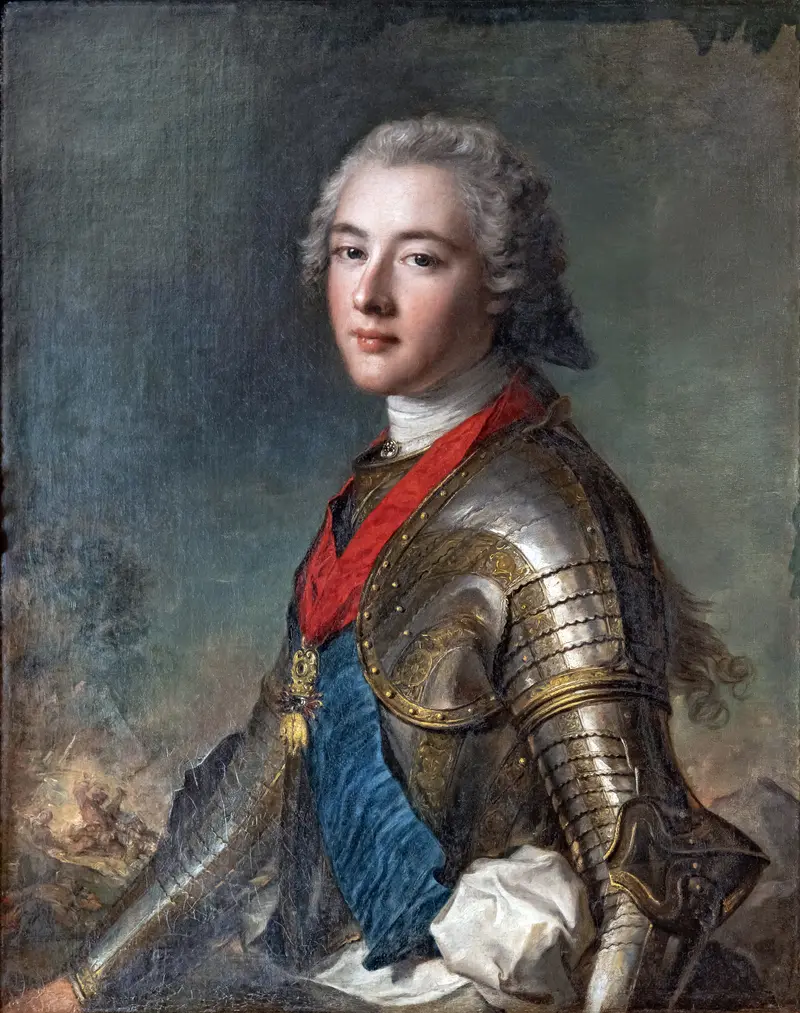
Bemberg Fondation Toulouse - Portrait de Louis Jean Marie de Bourbon, Duc de Penthièvre - Jean Marc Nattier inv.1158 82x65.4
Jean-Marc Nattier
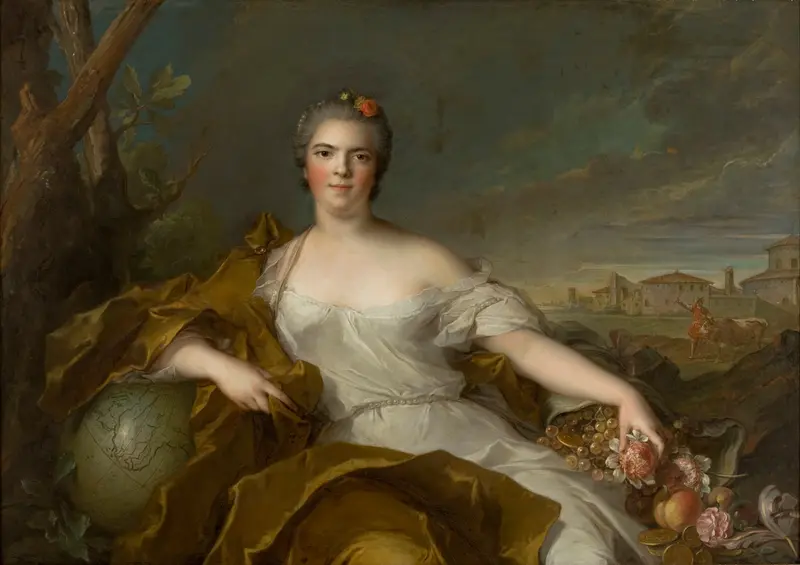
Princess Louise-Élisabeth of France - The Earth
Jean-Marc Nattier
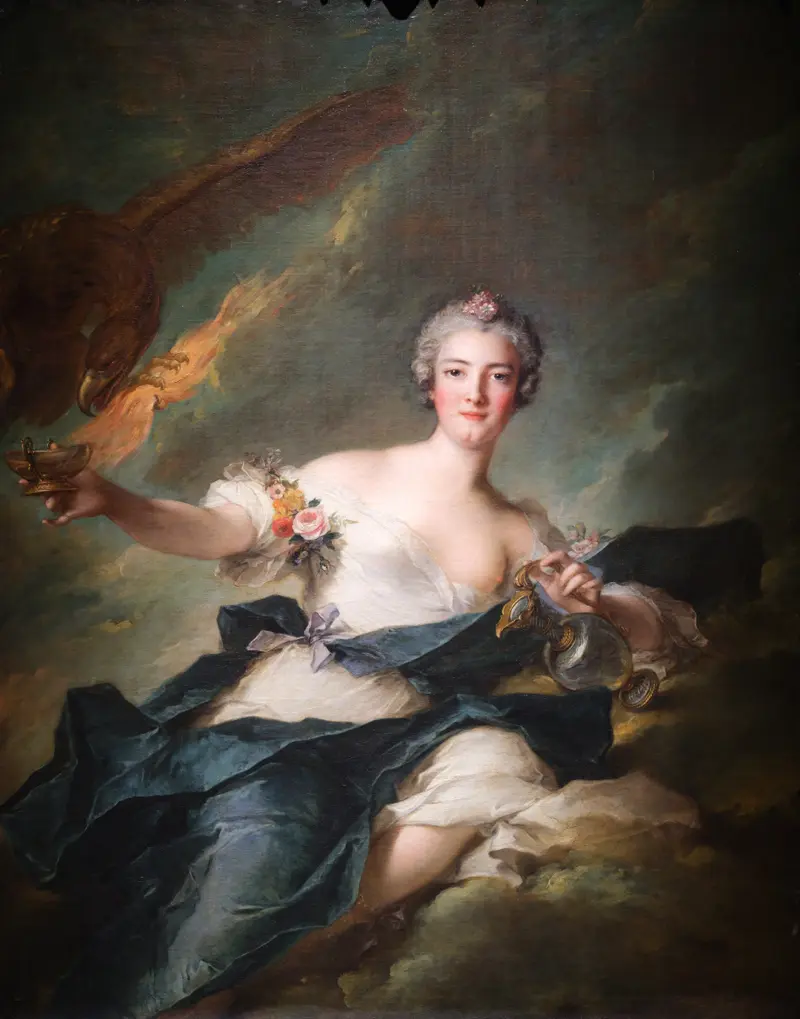
The Duchess of Chaulnes Represented as Hebe
Jean-Marc Nattier
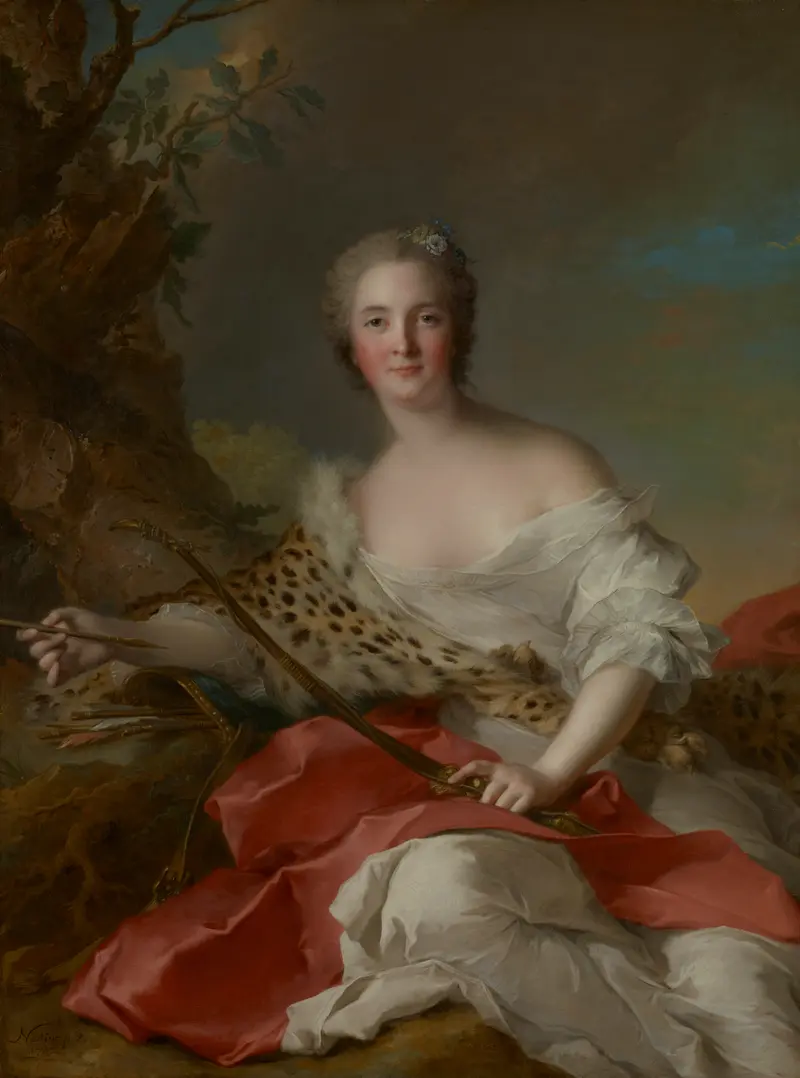
Portrait of Madame Bonnier de la Mosson as Diana (Constance-Gabrielle-Magdeleine du Monciel de Lauraille
Jean-Marc Nattier
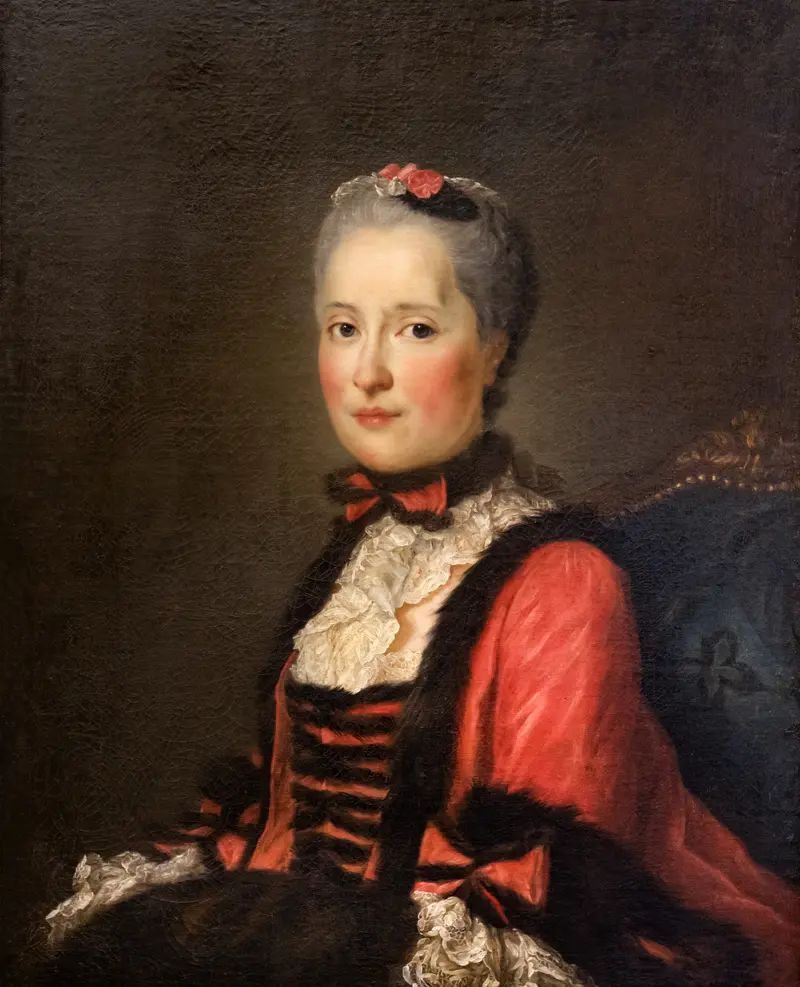
Portrait of Marie-Josephe of Saxony, Dauphine of France
Jean-Marc Nattier
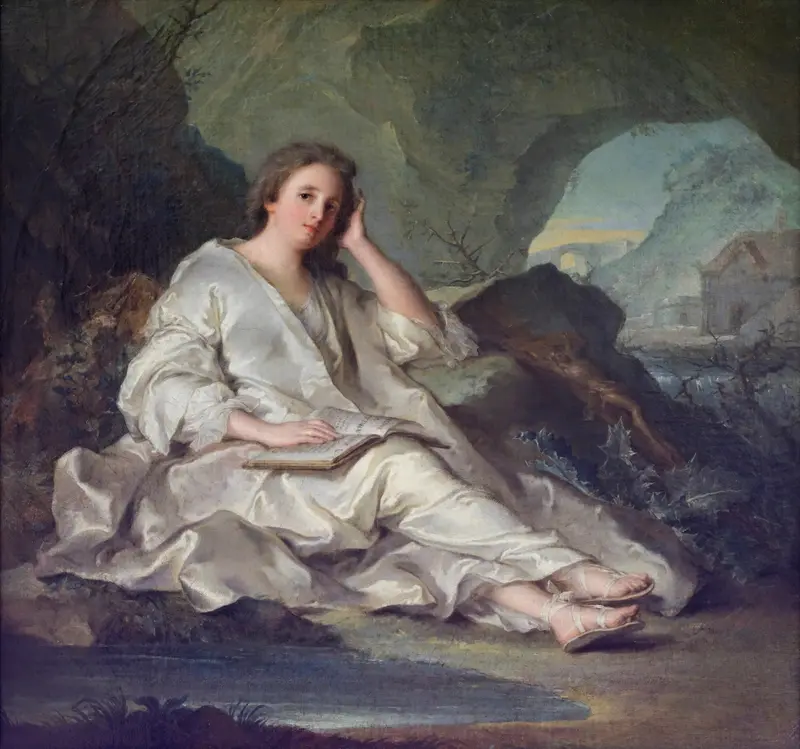
La Madeleine, ou Une Pénitente dans le désert Musée du Louvre Peintures INV 6880 ; MR
Jean-Marc Nattier
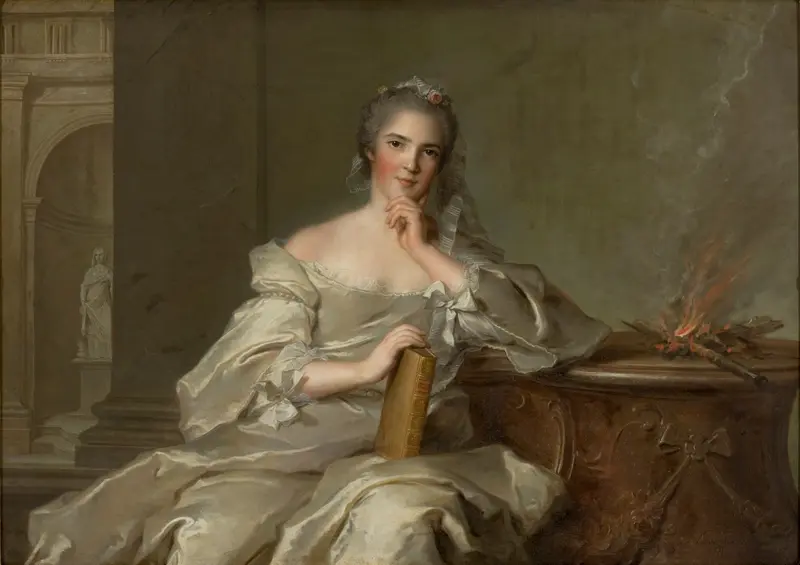
Princess Anne-Henriette of France - The Fire
Jean-Marc Nattier





