
Annunciatie — History & Facts
In the confines of the canvas, mortality breathes subtly through the narrative of divine encounter and human vulnerability. Look to the center of the painting, where the angel and the Virgin Mary converge in a silent dialogue, their stillness vibrantly charged with anticipation. Notice how soft light bathes Mary’s face, illuminating her delicate features while casting deep shadows that emphasize her contemplative expression. The meticulously rendered fabrics of their garments—rich reds and serene blues—contrast not only in color but in the weight they carry, as if to signify the weight of the moment upon her young shoulders. Delve deeper into the layers; the background reveals an ornate architecture, yet it feels distant, almost dreamlike.
The ornate detail of the architecture juxtaposes Mary’s simplicity, highlighting the fragility of her situation amid splendid surroundings. Beneath the angel’s wings, observe the subtle hints of nature, suggesting life outside this sacred moment—a reminder that the divine is interwoven with the mundane, and that every blessing comes with a burden. Created between 1513 and 1517, this work emerged as Lucas van Leyden navigated the vibrant yet tumultuous landscape of the Northern Renaissance. It was a time marked by a growing interest in humanism and religious reform, as artists sought to depict spiritual narratives with profound emotional depth and realism.
Van Leyden was at the forefront of this movement, and Annunciatie reflects not only his artistic mastery but also a poignant exploration of humanity’s relationship with the divine and the ephemeral nature of existence.
More Artworks by Lucas van Leyden
Browse all →
Het eerste verbod
Lucas van Leyden
Adam en Eva na de verdrijving uit het paradijs
Lucas van Leyden
De kruisiging
Lucas van Leyden
Kruisdraging
Lucas van Leyden
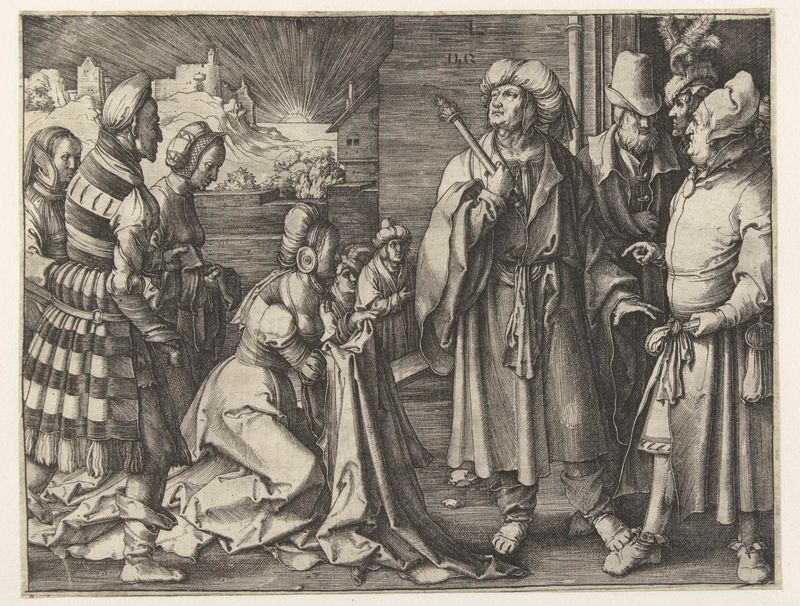
De vrouw van Potifar beschuldigt Jozef
Lucas van Leyden
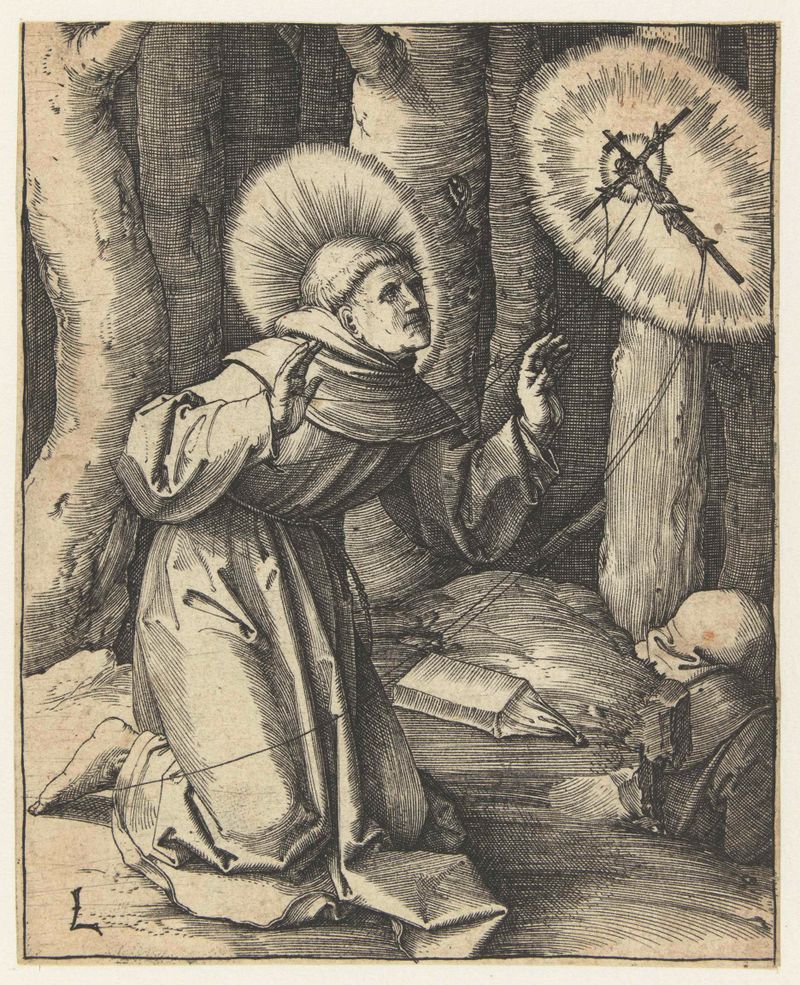
De stigmatisatie van de heilige Franciscus
Lucas van Leyden
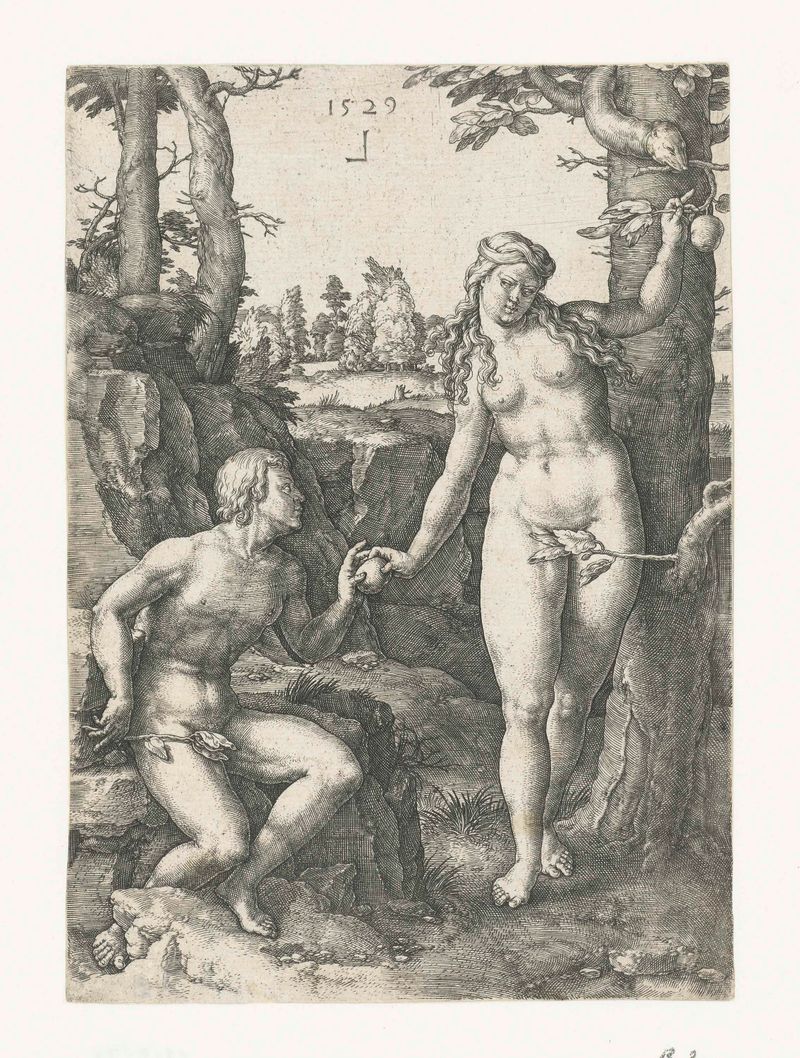
De zondeval
Lucas van Leyden
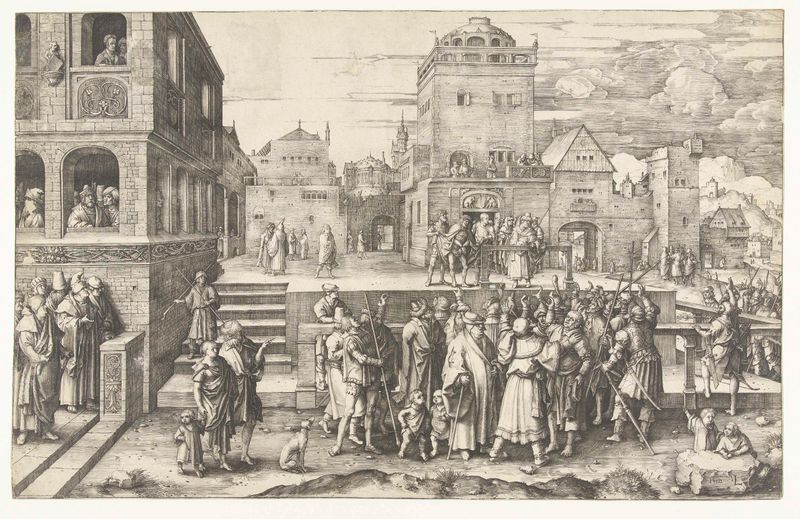
De grote Ecce Homo
Lucas van Leyden
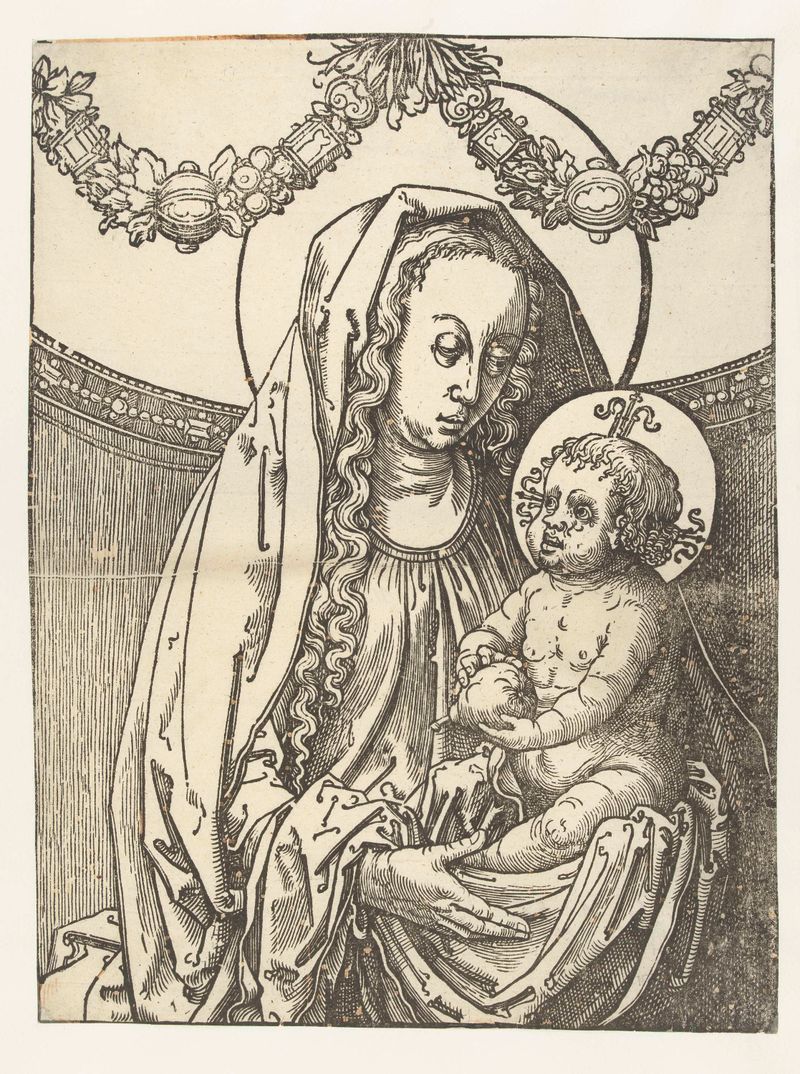
Maria met kind
Lucas van Leyden

Doornenkroning
Lucas van Leyden
More Religious Art
Browse all →
The Return of the Prodigal Son
Rembrandt van Rijn

The Garden of Earthly Delights
El Bosco

Count Orgaz’ funeral
El Greco

The Hundred Guilder Print: the central piece with Christ preaching, the plate arched
Rembrandt van Rijn

The Descent from the Cross
Rogier van der Weyden

The return of the prodigal son
Rembrandt van Rijn