
Annunciation — History & Facts
When Artemisia Gentileschi painted her Annunciation in 1630, she was at the height of her career, newly arrived in Naples and already renowned across Italy. What makes this work especially compelling is that it is one of the few known treatments of the Annunciation by a major female artist of the Baroque period—a subject traditionally depicted by men. The painting stands as a testament to Gentileschi’s determination to claim her place in the grand narratives of art and faith, and it may have been commissioned by a Neapolitan noble family eager to display both piety and progressive taste. The scene captures the instant the Archangel Gabriel appears before Mary, announcing that she will bear the son of God.
Gentileschi chooses a moment of hushed tension: Mary recoils slightly, her hands raised in a gesture that is both startled and receptive, while Gabriel leans forward, his arm outstretched in blessing. The drama is heightened by a shaft of light that falls directly onto Mary, symbolizing divine intervention. A spray of lilies at Gabriel’s feet signals Mary’s purity, while the deep shadows and rich colors recall the influence of Caravaggio, yet Gentileschi’s Mary is more robust and human than the ethereal figures in works like Fra Angelico’s Annunciation.
Here, the encounter feels immediate and real, bridging the miraculous and the everyday. Though the exact patron and early history of Annunciation remain uncertain, the painting reflects Gentileschi’s mature Neapolitan style, marked by bold contrasts and psychological depth. Over the centuries, the work has passed through private collections and has sometimes been overshadowed by her more dramatic biblical scenes, such as Judith Slaying Holofernes. Today, it is recognized as a key example of her ability to reinterpret sacred stories through a female lens.
The painting’s journey mirrors the broader rediscovery of Gentileschi herself, whose reputation has grown steadily in recent decades, ensuring that her Annunciation now claims its place among the most compelling images of its kind.
More Artworks by Artemisia Gentileschi

Judith Beheading Holofernes
Artemisia Gentileschi
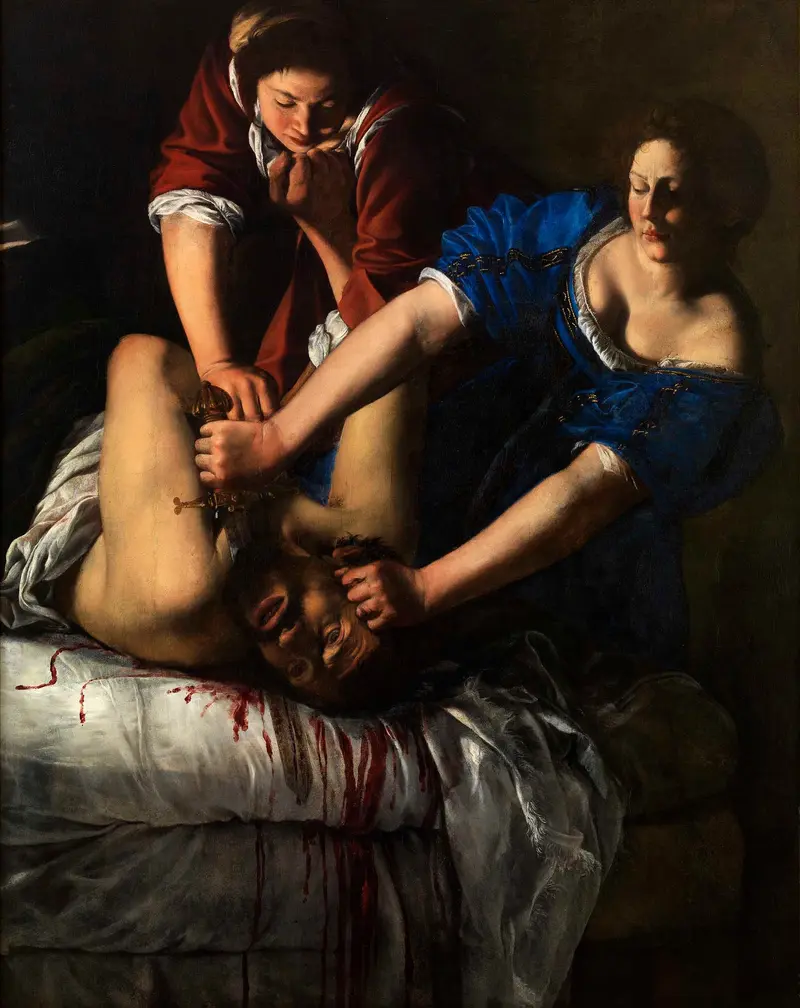
Judith Slaying Holofernes
Artemisia Gentileschi
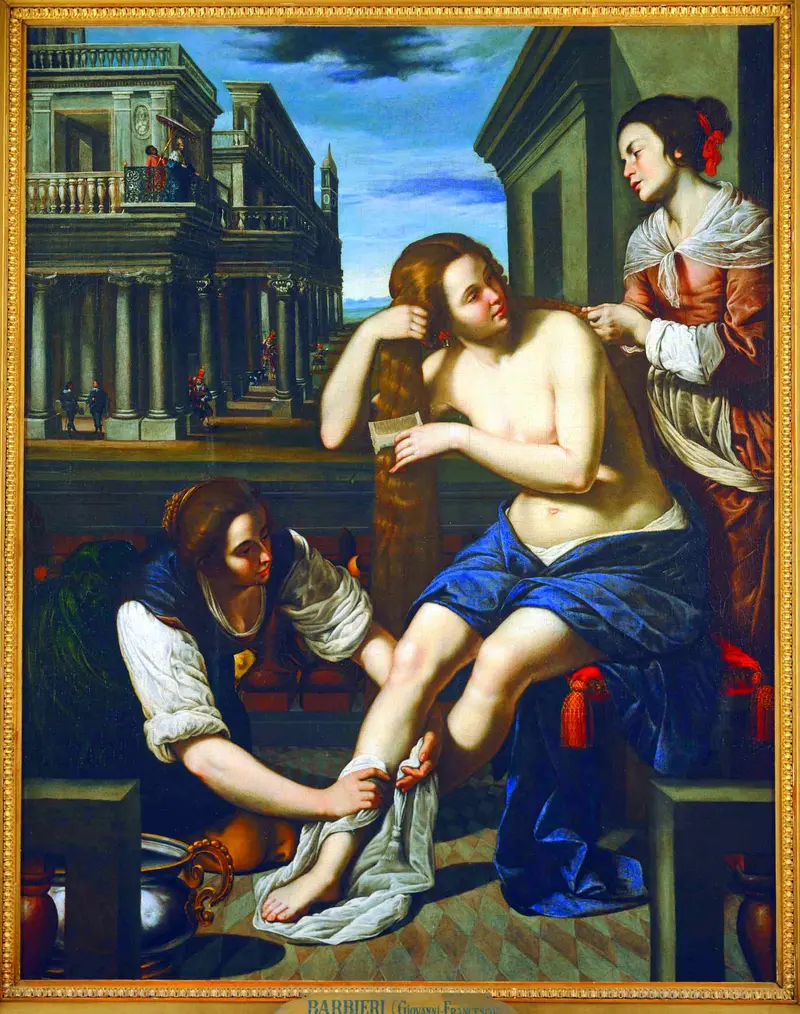
Bathsheba at Her Bath
Artemisia Gentileschi
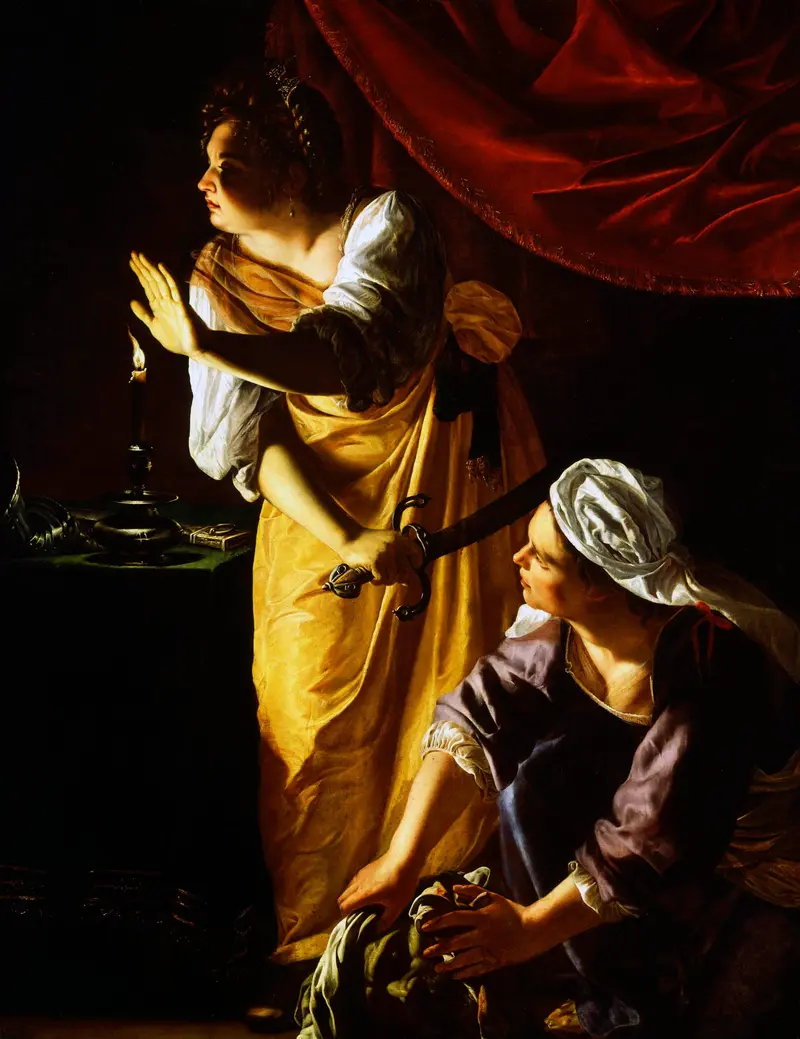
Judith and Maidservant with Head of Holofernes
Artemisia Gentileschi
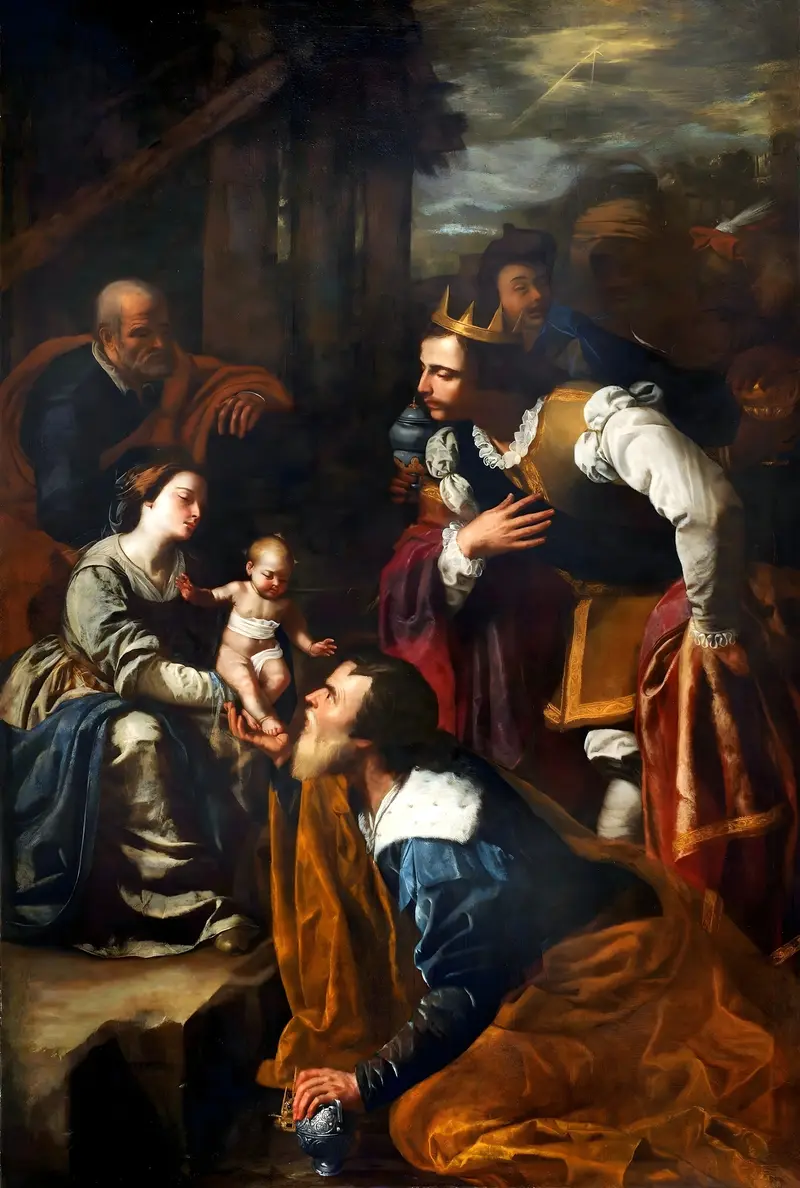
Adoration of the Magi
Artemisia Gentileschi
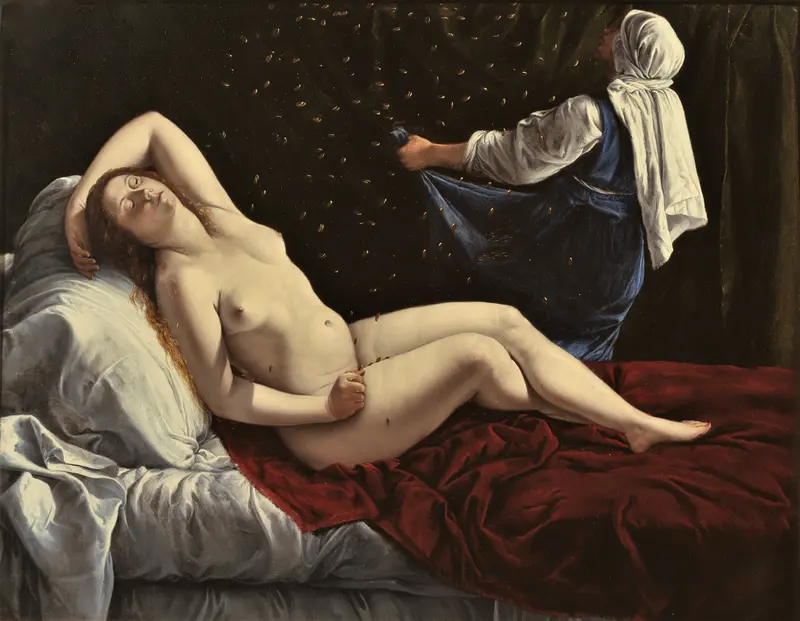
Danaë
Artemisia Gentileschi
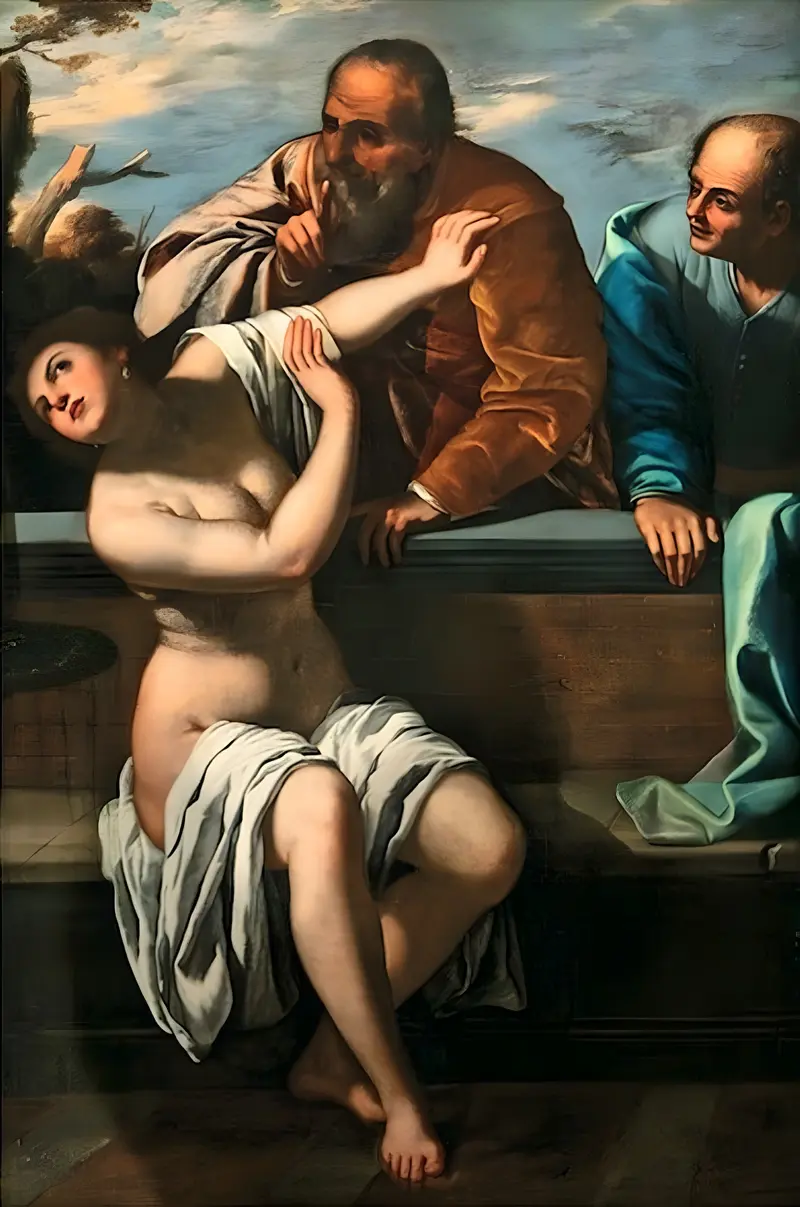
Susannah and the Elders
Artemisia Gentileschi

Judith and her Servant with the Head of Holofernes
Artemisia Gentileschi
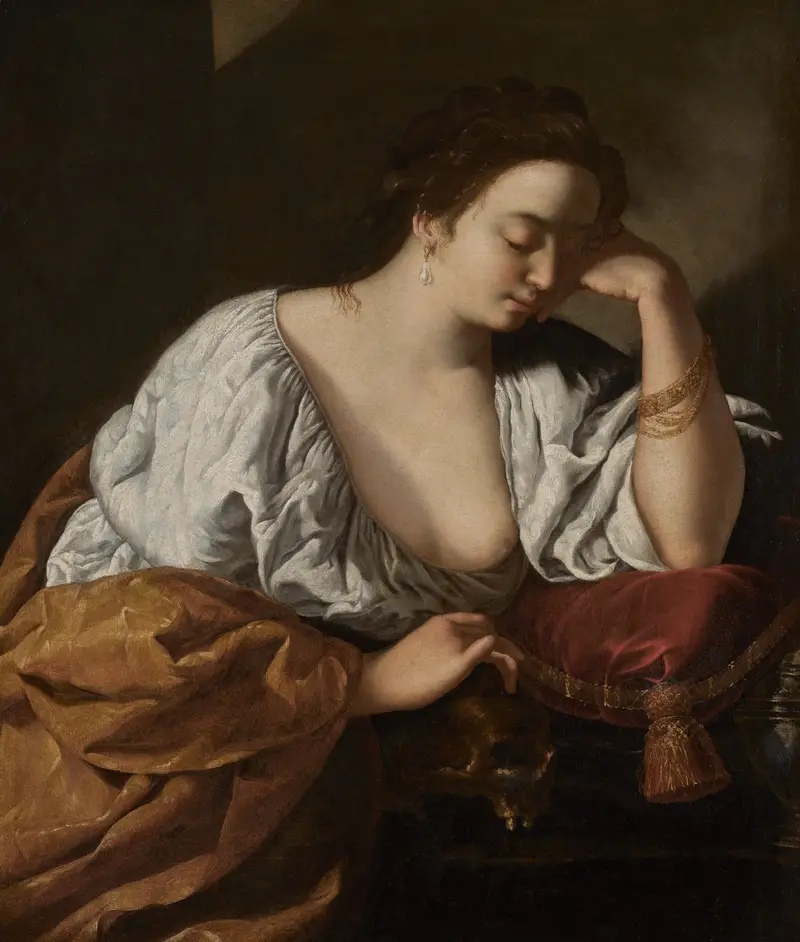
Madeleine pénitente, par
Artemisia Gentileschi
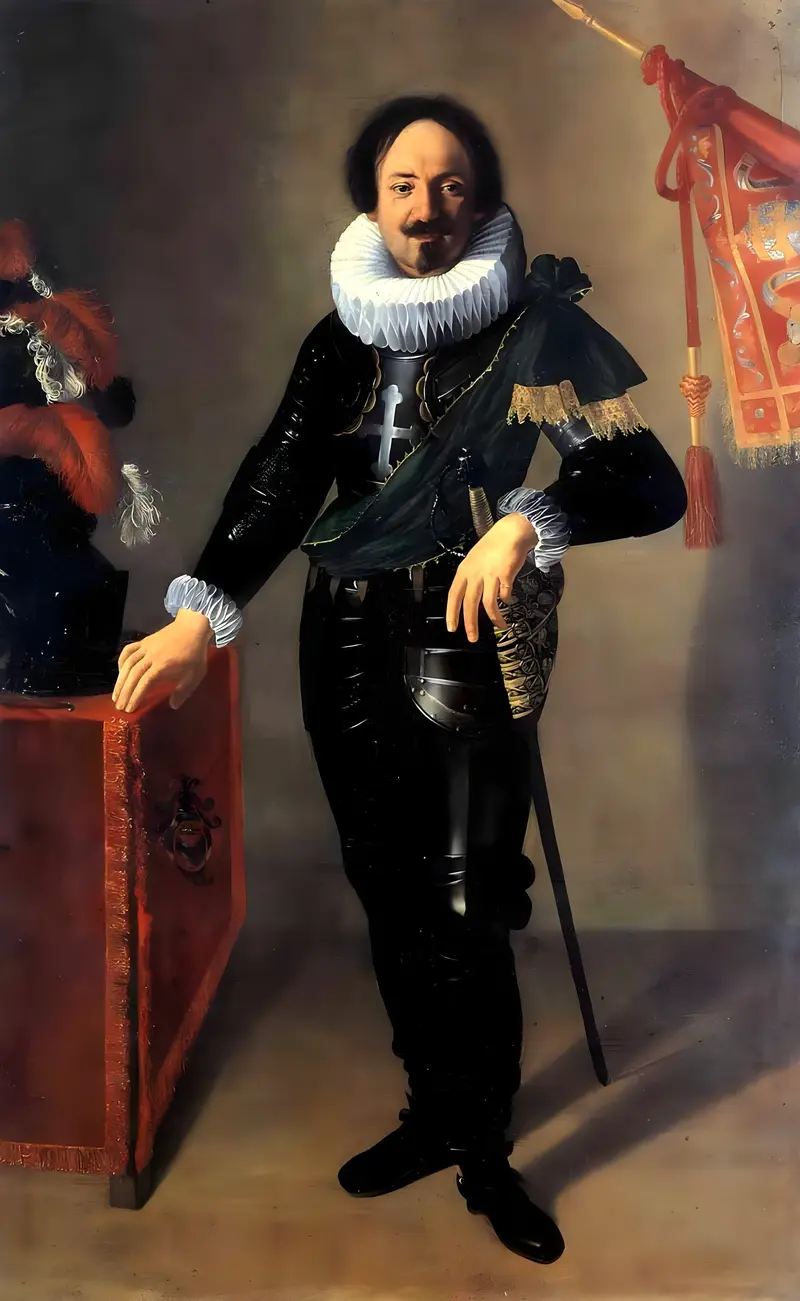
Portrait of a Gonfaloniere
Artemisia Gentileschi





