
Ansicht einer Hirtenszene im Jura — History & Facts
This notion echoes through the delicate layers of Gabriel Lory the Younger’s vision, capturing a dreamlike reverie amidst a pastoral tableau. Each brushstroke invites contemplation, where the spirit of the landscape intertwines with the soul of its inhabitants. Look to the center of the canvas, where a shepherd, clad in humble attire, gently guides his flock. His figure, shrouded in soft browns and ochres, stands in stark contrast to the vibrant greens and blues of the rolling Jura hills.
Notice how the light dances across the scene; it illuminates the shepherd's face, portraying an expression of serene devotion that resonates with the tranquility of the setting. The composition draws the eye outward, creating a sweeping view that reveals both the vastness of nature and the intimacy of pastoral life. Within this harmonious portrayal lies an exploration of the tension between human existence and the wild beauty of the landscape. The shepherd symbolizes a connection to tradition and nature, while the expansive sky suggests the infinite possibilities of dreams and aspirations.
The subtle interplay of shadow and light serves as a reminder of the fleeting moments of peace in a world constantly in flux, inviting viewers to reflect upon their own journeys and the dreams that shape them. During the years between 1915 and 1945, Lory created this work amidst a rapidly changing Europe, marked by two world wars and profound societal shifts. Living in Switzerland, he found solace in the rural landscapes that reminded him of simpler times. This period was characterized by an increasing search for meaning in art, as artists grappled with the realities of modern life while striving to capture the eternal essence of humanity and nature.
More Artworks by Gabriel Lory the Younger
Browse all →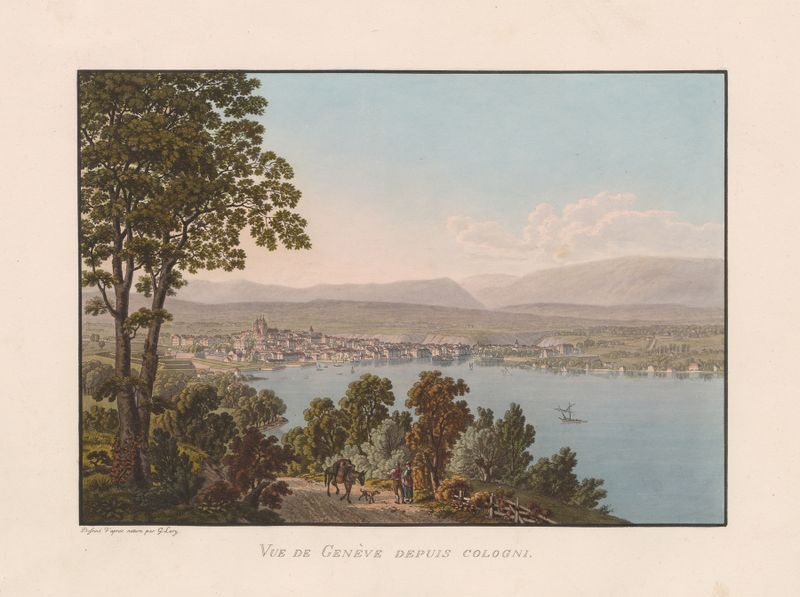
Vue de Genève depuis Cologni
Gabriel Lory the Younger
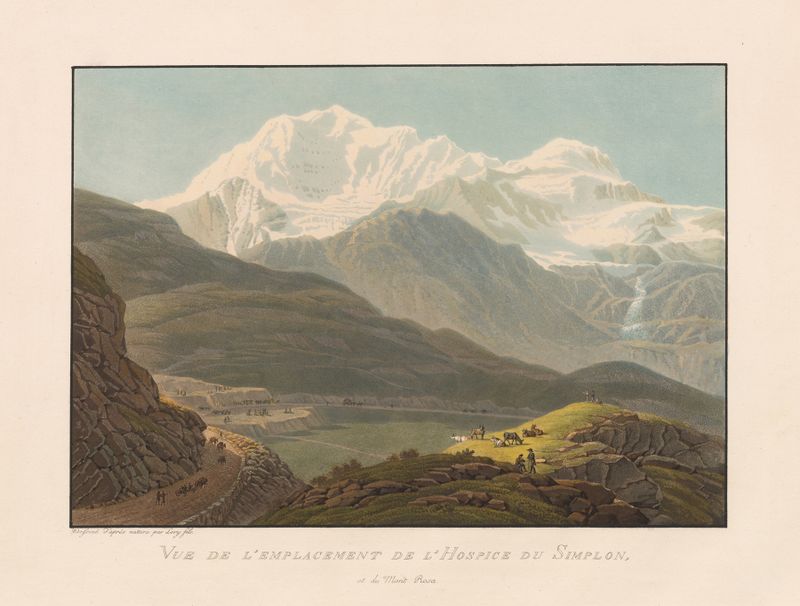
Vue de l’emplacement de l’Hospice du Simplon, et du Mont Rosa
Gabriel Lory the Younger
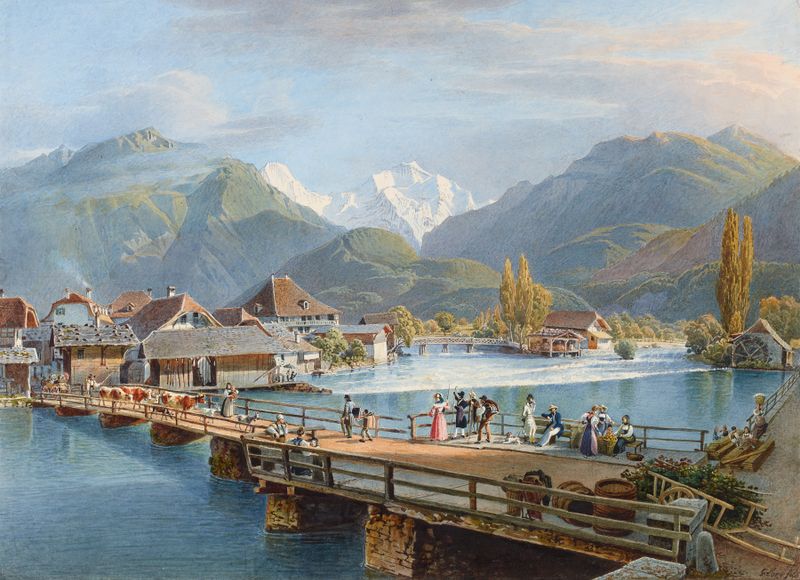
Unterseen mit Blick auf die Jungfrau
Gabriel Lory the Younger
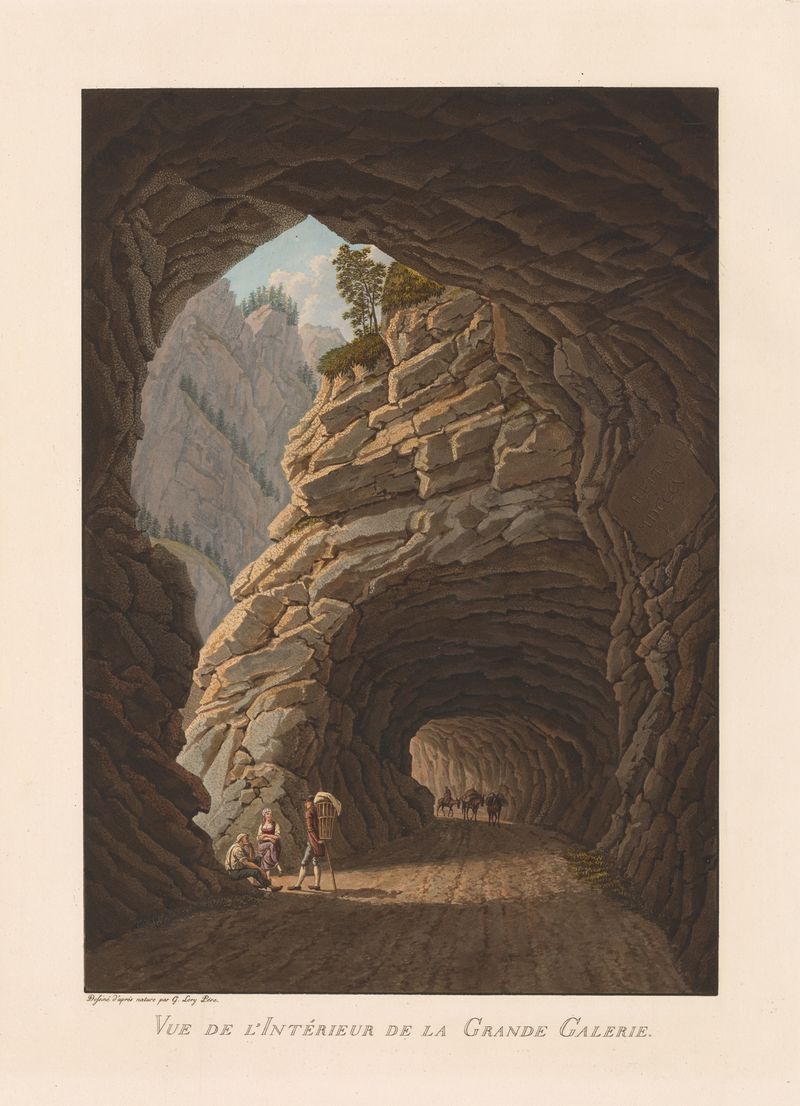
Vue de l’intérieur de la Grande Galerie
Gabriel Lory the Younger
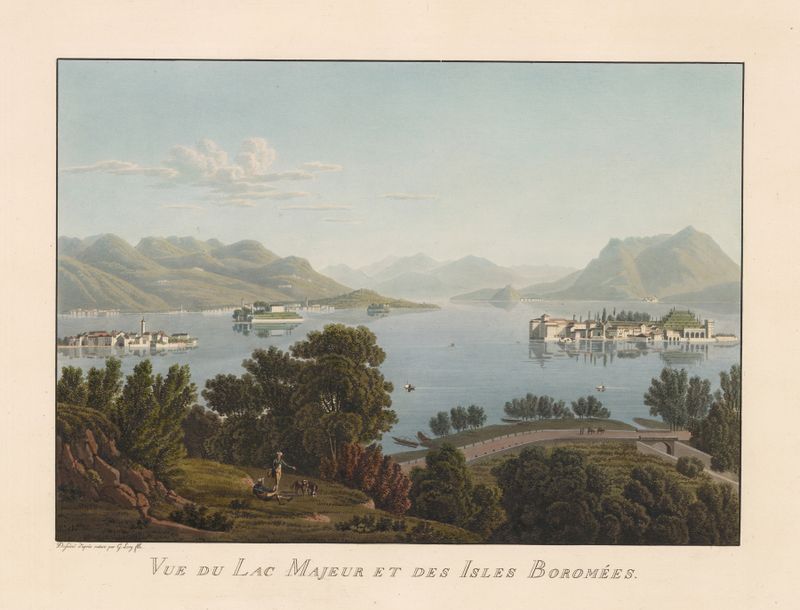
Vue du Lac Majeur et des Isles Boromées
Gabriel Lory the Younger
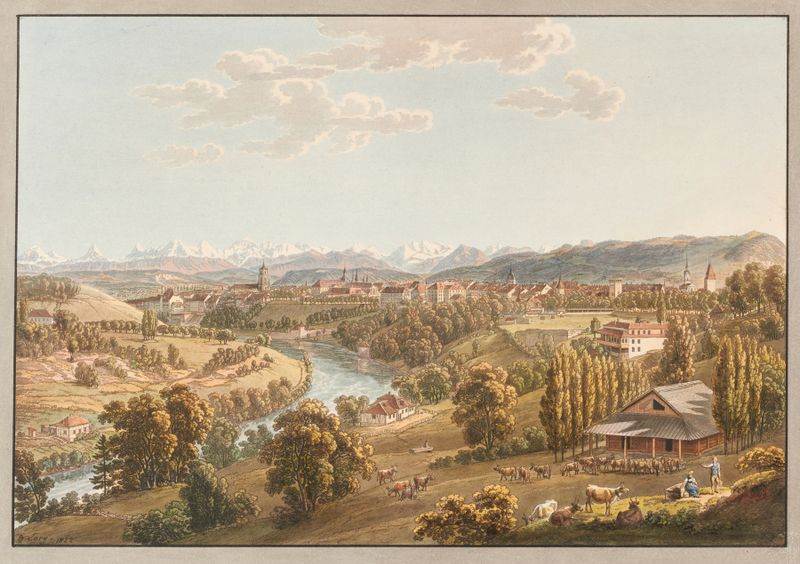
Vue de la ville de Berne
Gabriel Lory the Younger
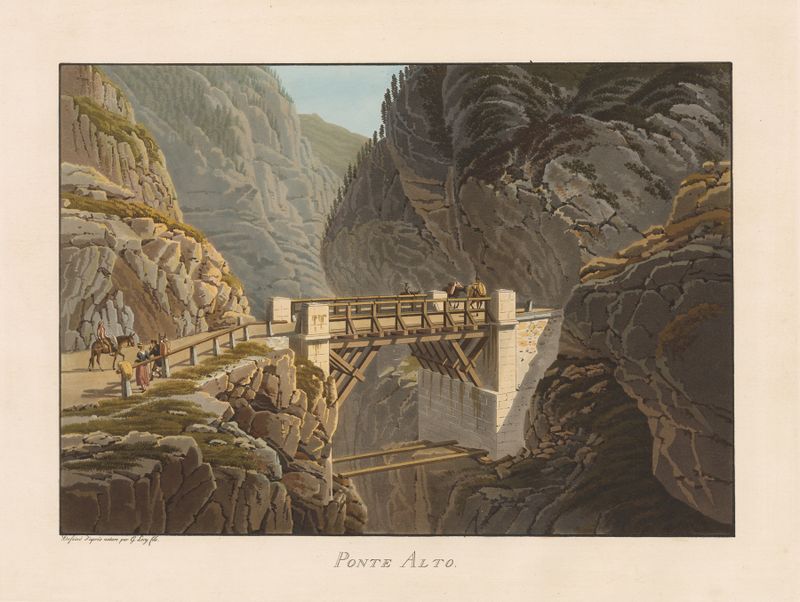
Ponte Alto
Gabriel Lory the Younger
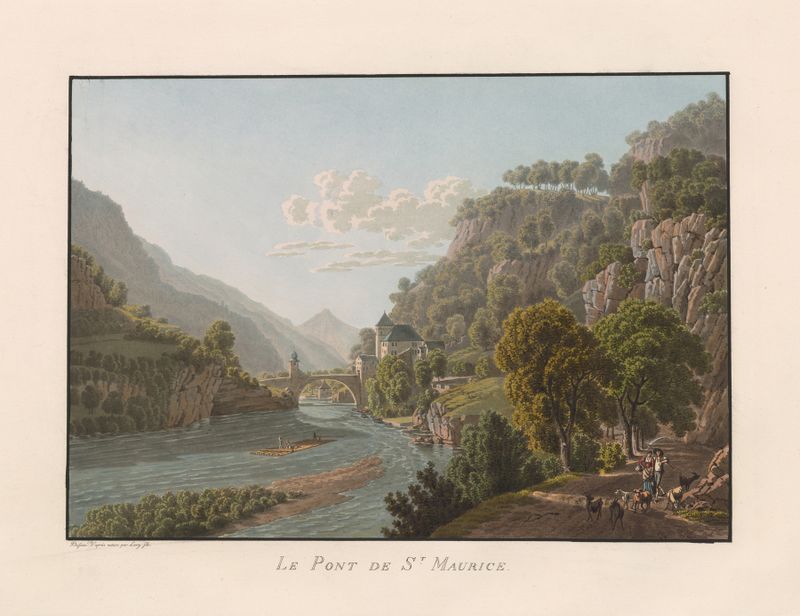
Le Pont de St. Maurice
Gabriel Lory the Younger
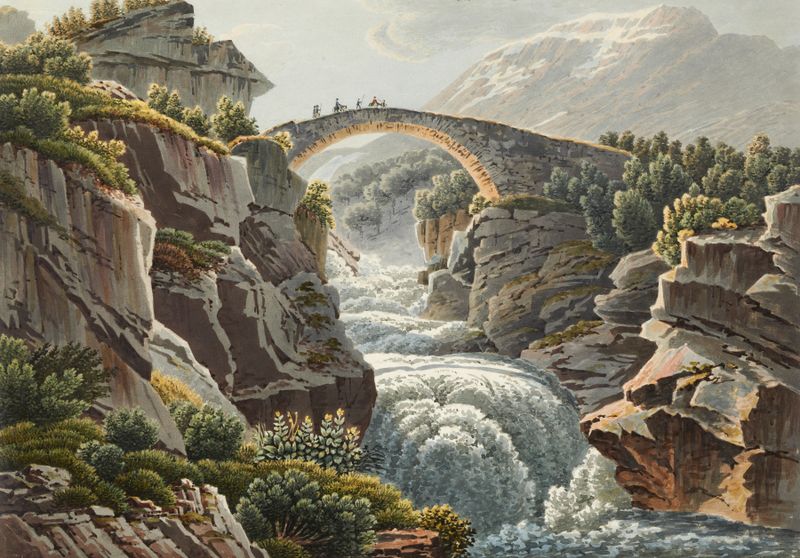
Pont sur l’Aar au passage du Grimsel
Gabriel Lory the Younger
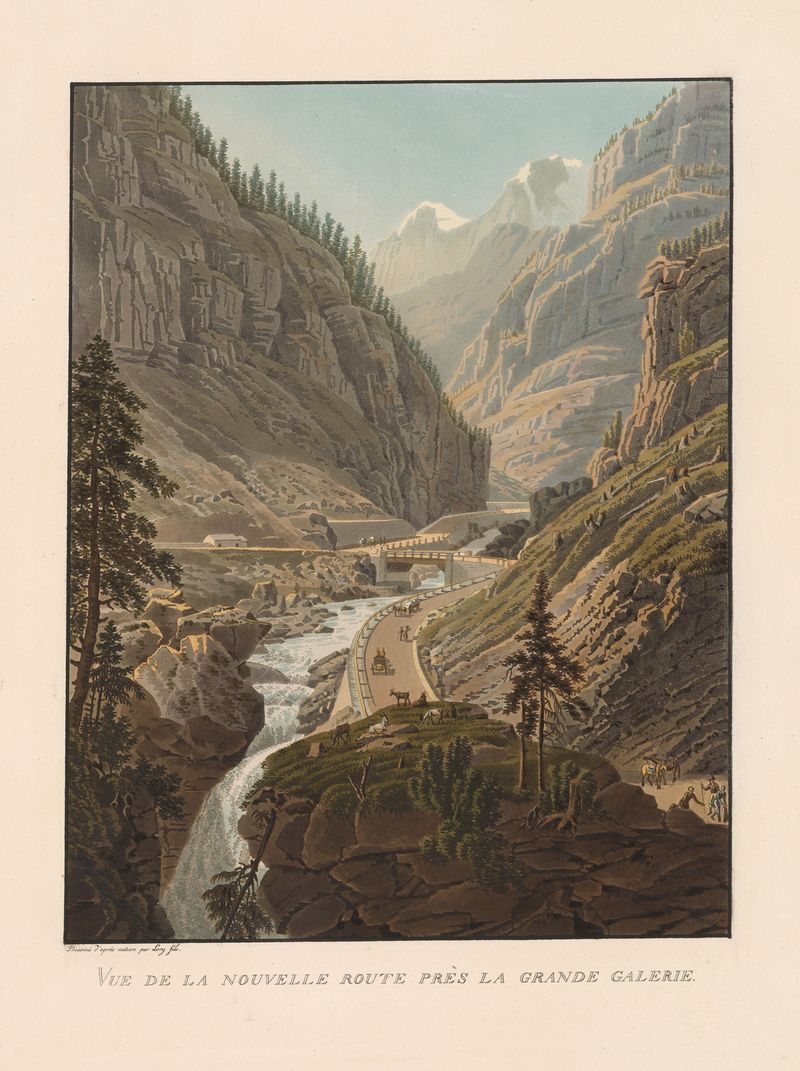
Vue de la nouvelle route près la Grande Galerie
Gabriel Lory the Younger





