
Apostel Simon — History & Facts
In the stillness of solitude, the essence of loneliness can resonate with profound clarity. How does isolation shape the spirit, and what raw beauty emerges from within? Look closely at the figure in Apostel Simon: a man stands resolutely at the center, his visage etched with lines that tell a story of endurance and reflection. The delicately rendered drapery cascades around him, contrasting the somber tones of his skin with the earthy hues of his clothing.
Notice how the light brushes softly against his face, illuminating his contemplative expression and casting shadows that whisper of his inner turmoil. The meticulous detail in his hands, slightly curled, suggests a yearning for connection, grounding the figure amidst the swirling background. In this work, the tension between solitude and grace is palpable. The surrounding elements appear almost ghostly, hinting at a world that remains just out of reach.
The interplay of light and shadow reflects the duality of his experience: while he stands alone, a profound spiritual presence envelops him. Each stroke reveals the artist's commentary on the nature of faith and the isolation that often accompanies it. The lone figure embodies a quiet strength, suggesting that even in solitude, one can find a deep reservoir of resilience. Created in 1631, Apostel Simon emerged during a period of religious and artistic transformation in Europe.
Jacques Callot was in Nancy, France, where he was deeply influenced by the Counter-Reformation, a time marked by heightened religious fervor and personal introspection. This painting not only reflects his artistic mastery but also captures the complex emotional landscape of individuals grappling with their faith amid the tumult of their times.
More Artworks by Jacques Callot
Browse all →
Titelprent voor de prentreeks 'De kleine apostelen' (Het martelaarschap van de apostelen)
Jacques Callot
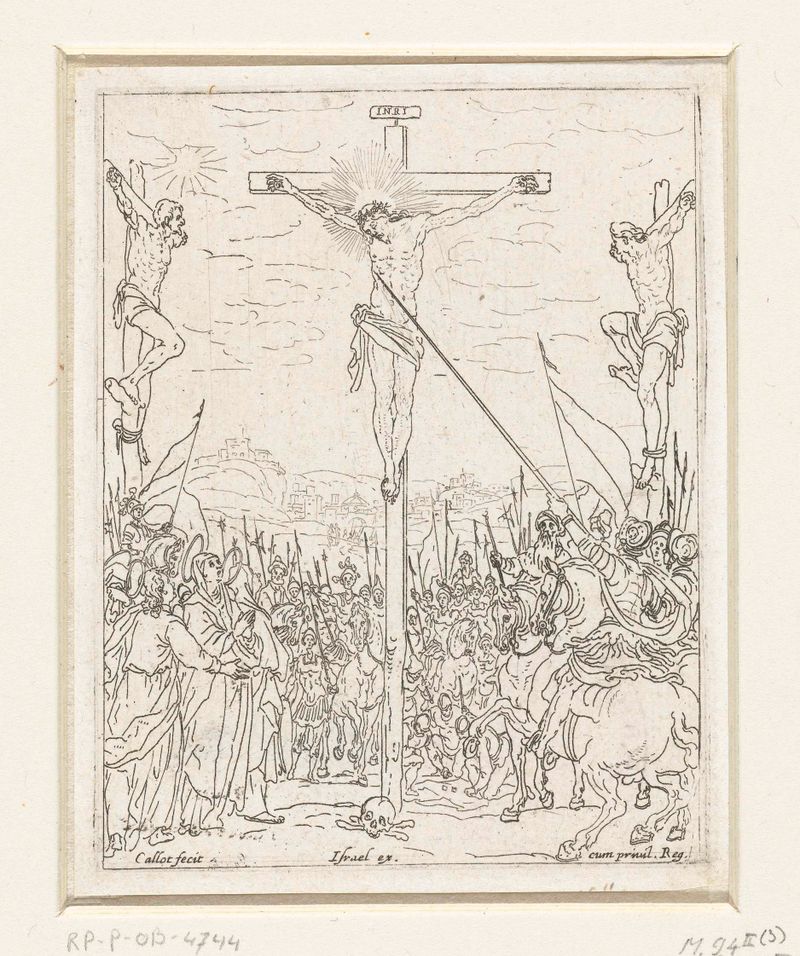
Kruisiging
Jacques Callot

De doortocht door de Rode Zee
Jacques Callot

De verloren zoon als zwijnenhoeder
Jacques Callot

Annunciatie
Jacques Callot
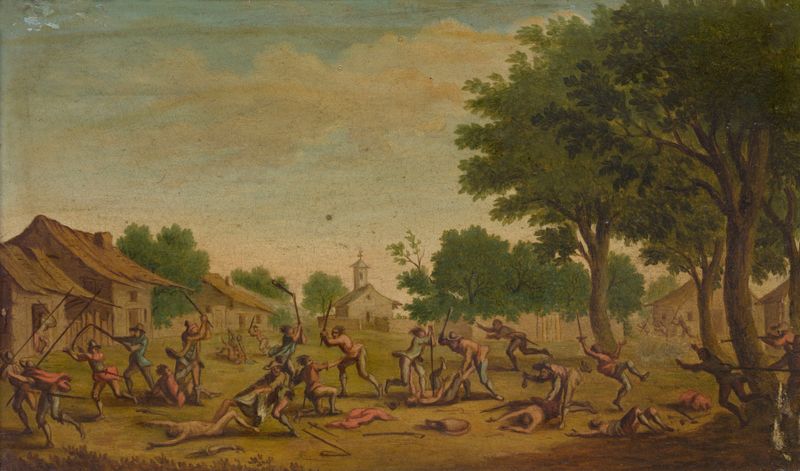
Village Fight
Jacques Callot

Titelprent voor prentreeks 'Het leven van Maria'
Jacques Callot
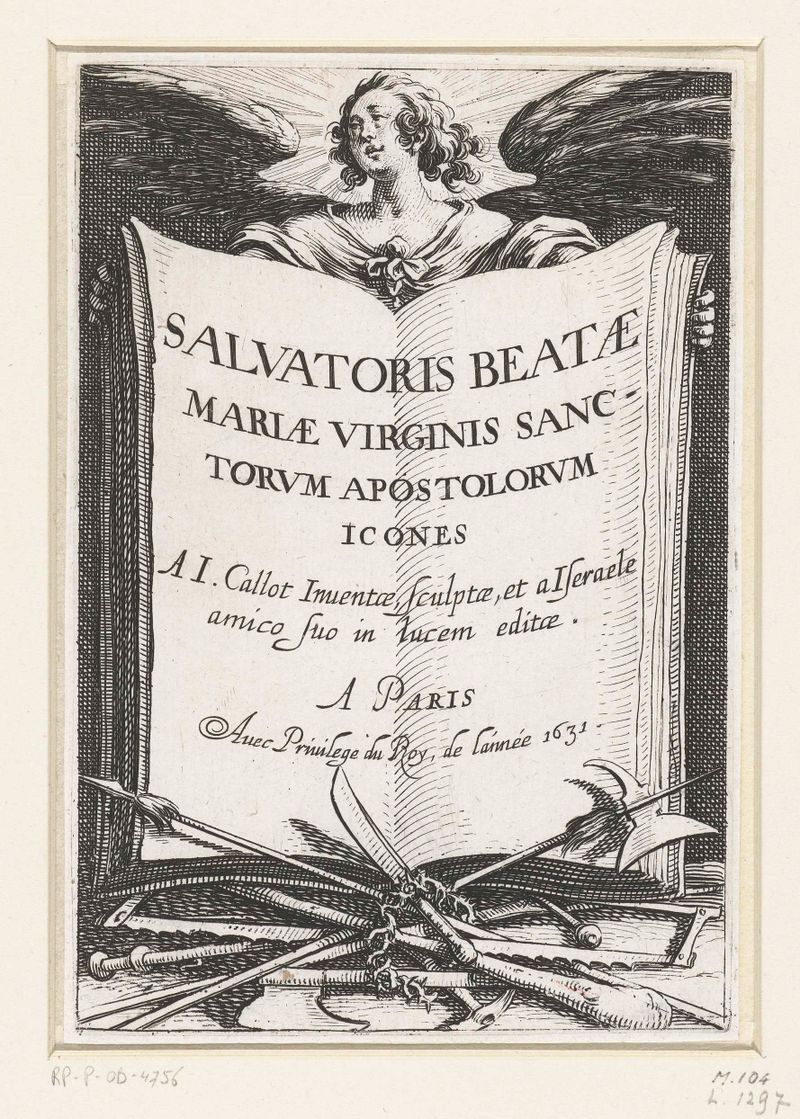
Titelprent voor de prentreeks 'De grote apostelen' (Christus, Maria en de apostelen)
Jacques Callot

Christus aan het volk getoond (Ecce homo)
Jacques Callot
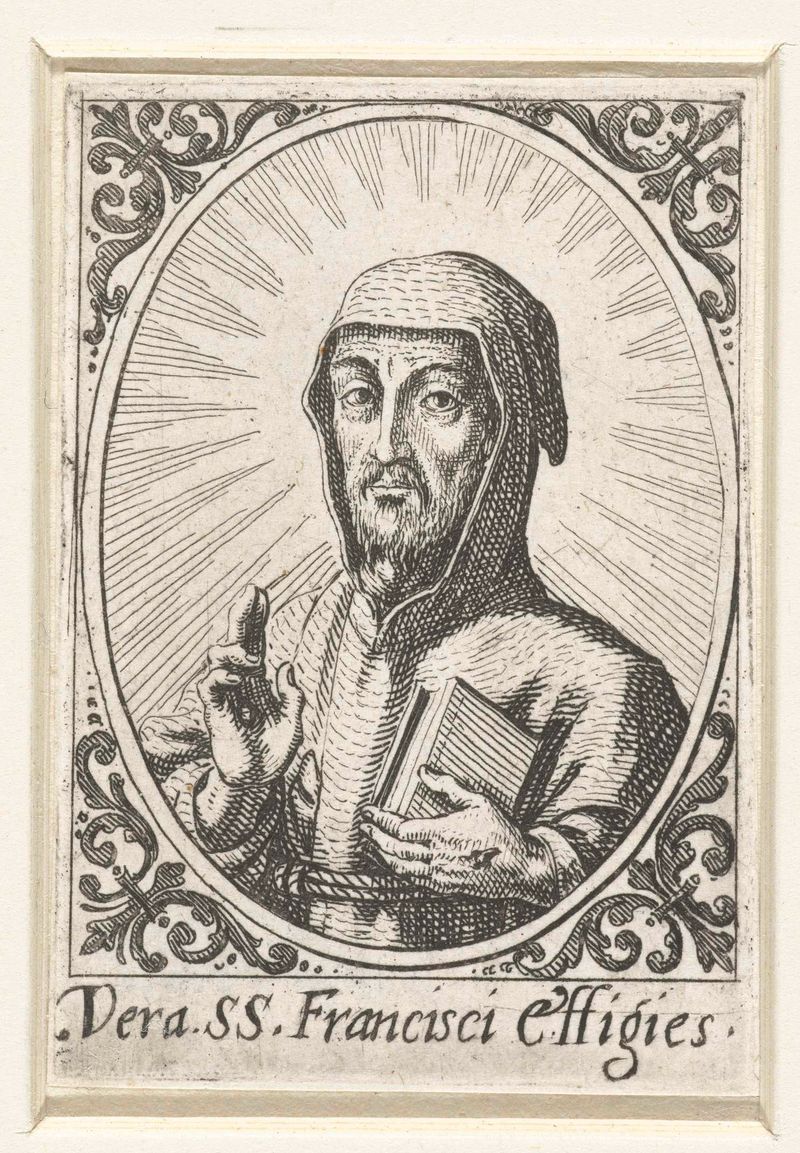
Portret van de Heilige Franciscus
Jacques Callot





