
Apparition of God to Noah — History & Facts
When Raphael painted Apparition of God to Noah in 1511, he was at the height of his Roman period, working on the Vatican Stanze under the patronage of Pope Julius II. What makes this work especially intriguing is its rarity: depictions of Noah’s direct encounter with God are far less common than the more familiar scenes of the Ark or the Flood. In this composition, Raphael chose to focus not on the destruction but on the moment of divine promise—a theme resonant with the optimism of the High Renaissance and the ambitions of his papal patron. The scene unfolds at the instant God reveals himself to Noah, commanding him to build the Ark and offering a covenant for humanity’s survival.
Noah, depicted with arms raised in awe and humility, stands before a luminous figure—God—whose gesture and radiance dominate the composition. The Ark, still under construction, anchors the scene in earthly labor, while the gathering clouds hint at the coming deluge. Raphael’s use of light draws the eye to the exchange between mortal and divine, emphasizing the gravity of the covenant.
Unlike Michelangelo’s turbulent Flood in the Sistine Chapel, Raphael’s vision is marked by calm dialogue and hope, underscoring the reassurance of God’s promise. The original commission for Apparition of God to Noah is not fully documented, but it is generally believed to be part of a series of biblical frescoes created for a private chapel in Rome around 1511. Over the centuries, the painting’s attribution has remained steady, with its style and compositional clarity unmistakably pointing to Raphael’s hand. While the exact medium is uncertain—likely fresco or oil on panel—it has survived in remarkably good condition, now housed in a major European collection.
The work stands as a testament to Raphael’s narrative skill and his ability to infuse even the most familiar biblical episodes with new psychological depth and visual harmony.
More Artworks by Raphael

Madonna of the Goldfinch
Raphael

Madonna with the Fish
Raphael
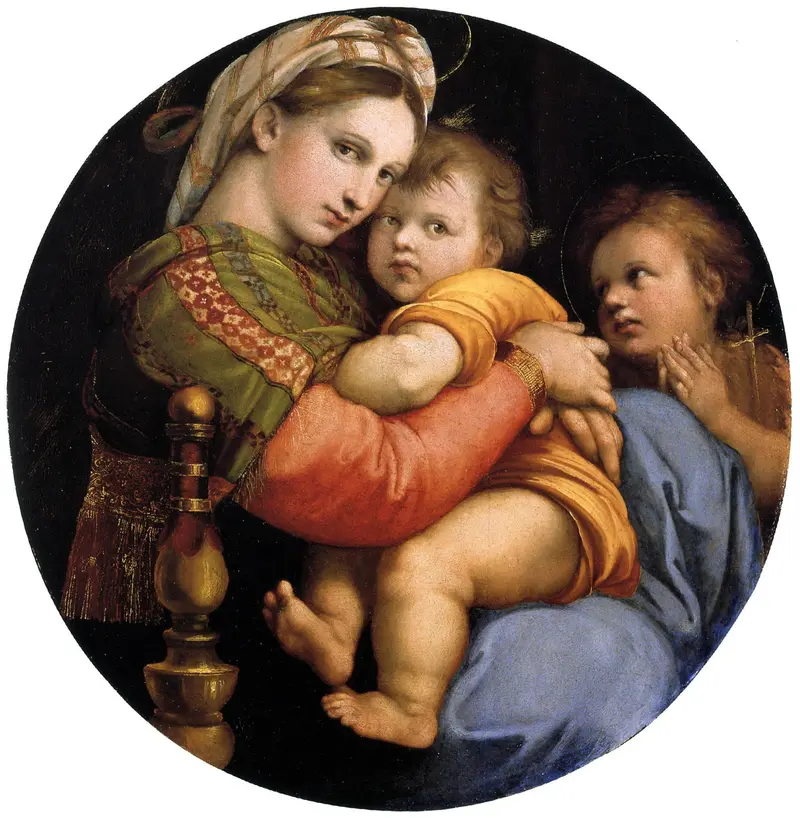
Madonna and Child (Madonna della Seggiola)
Raphael
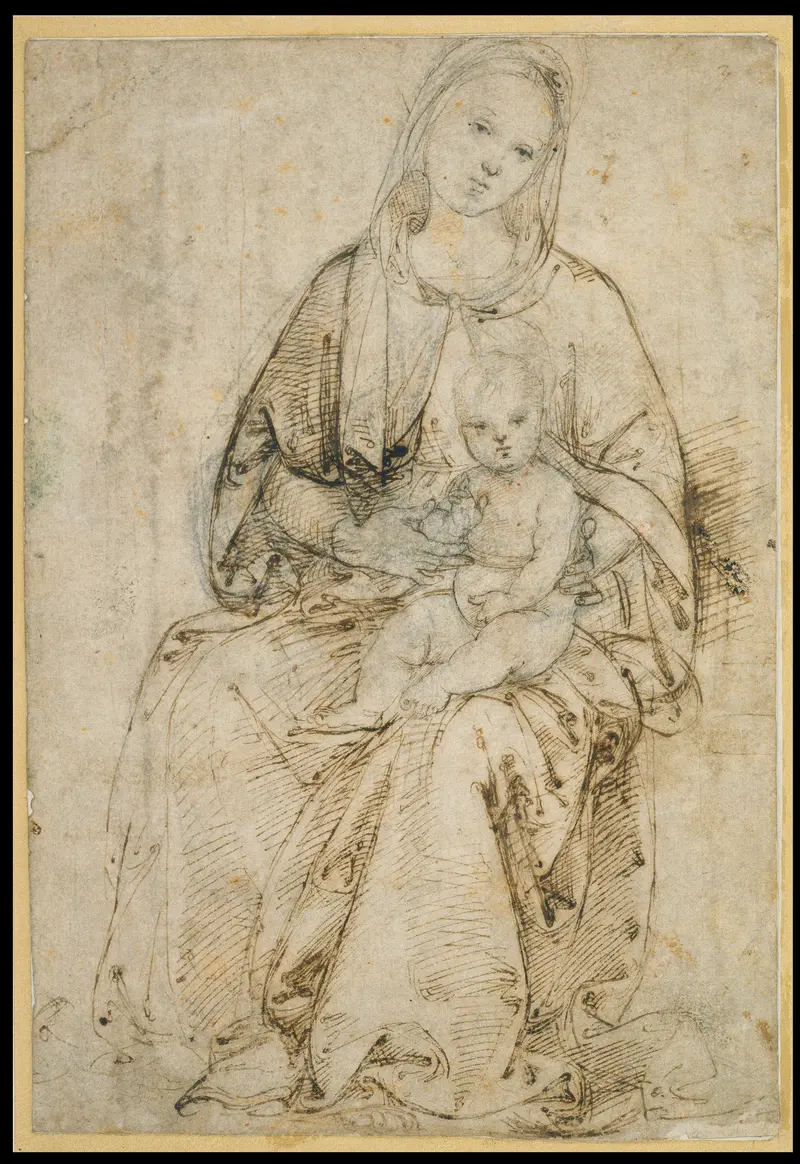
Seated Madonna and Child
Raphael
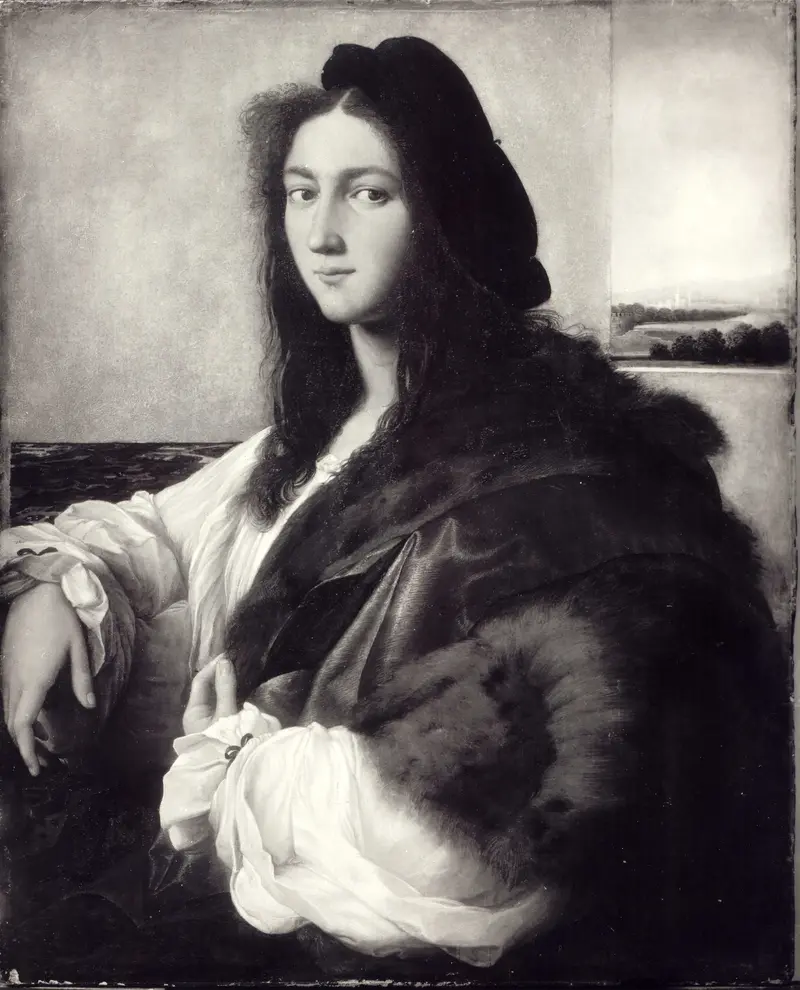
Portrait of a Young Man
Raphael
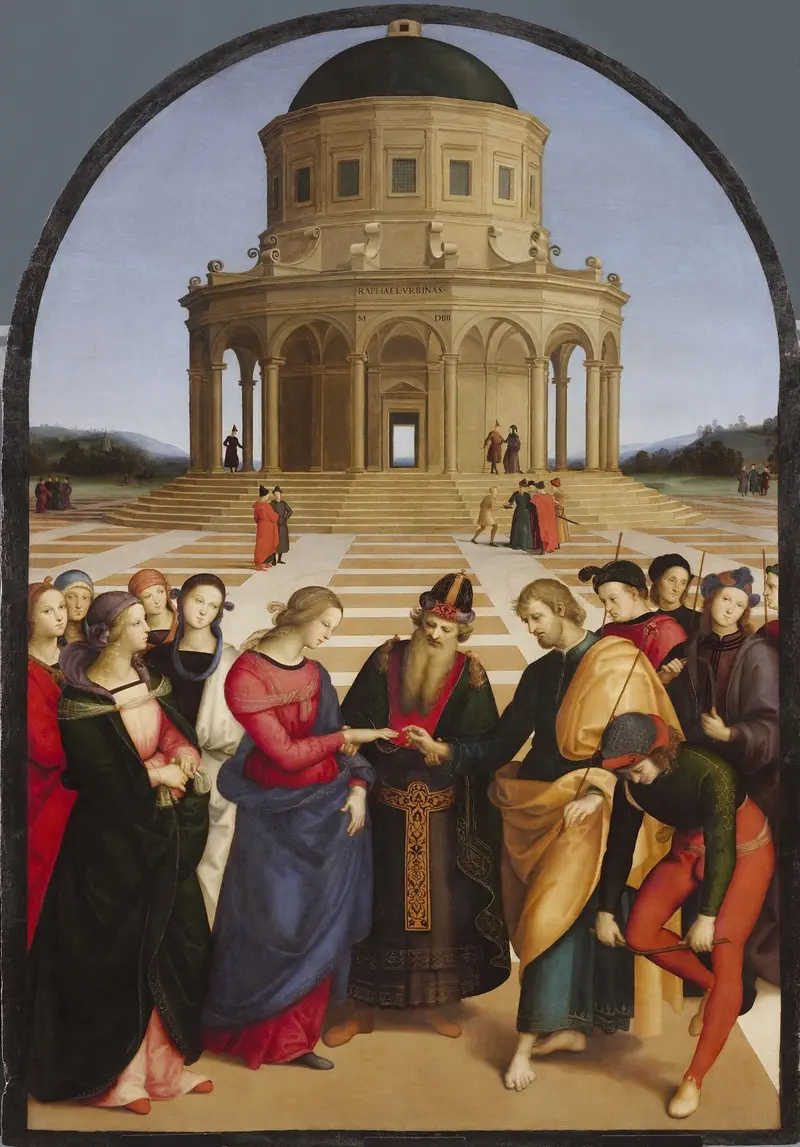
The Marriage of the Virgin
Raphael
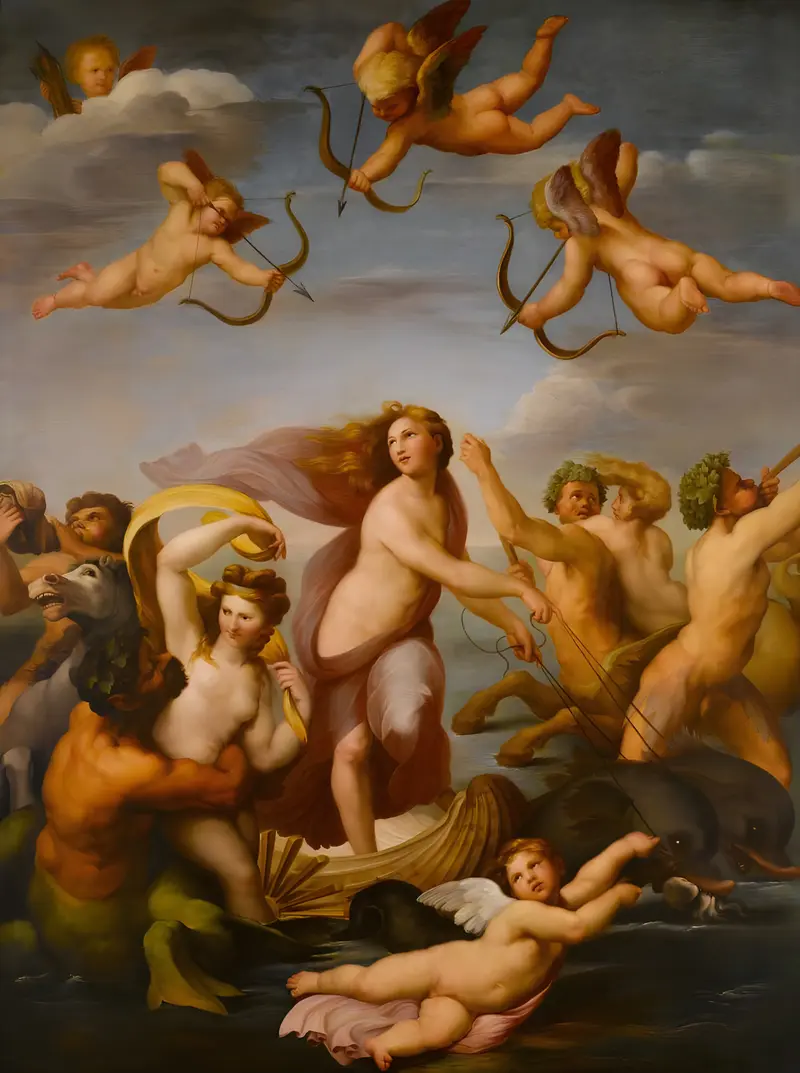
The Triumph of Galatea (copy after Raphael)
Raphael
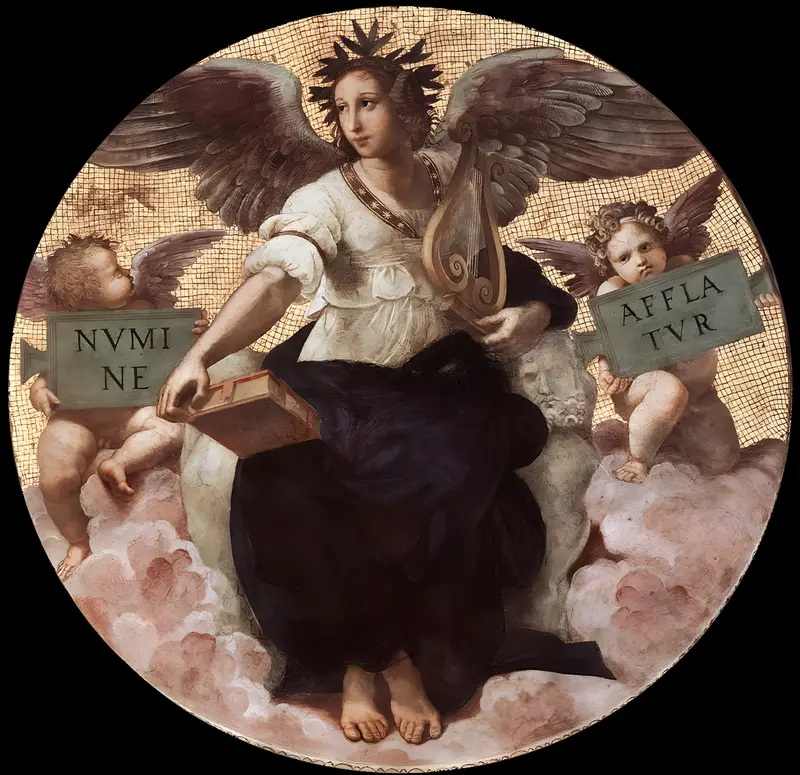
Poetry
Raphael
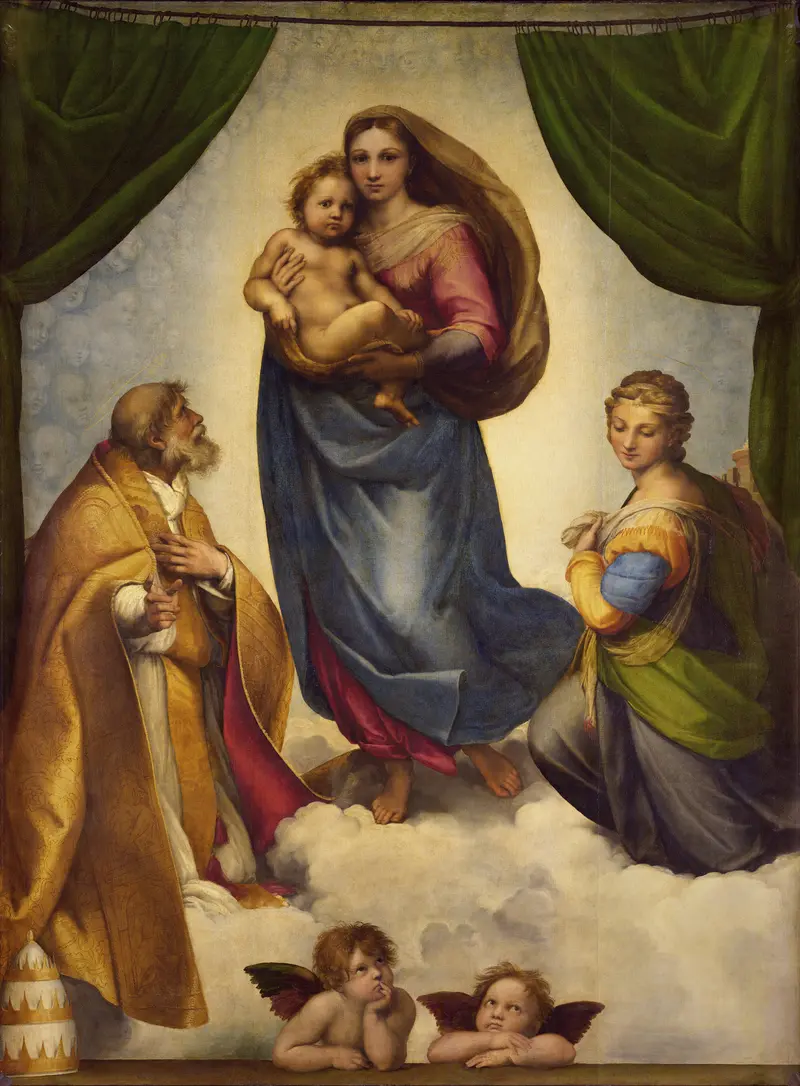
Sistine Madonna
Raphael
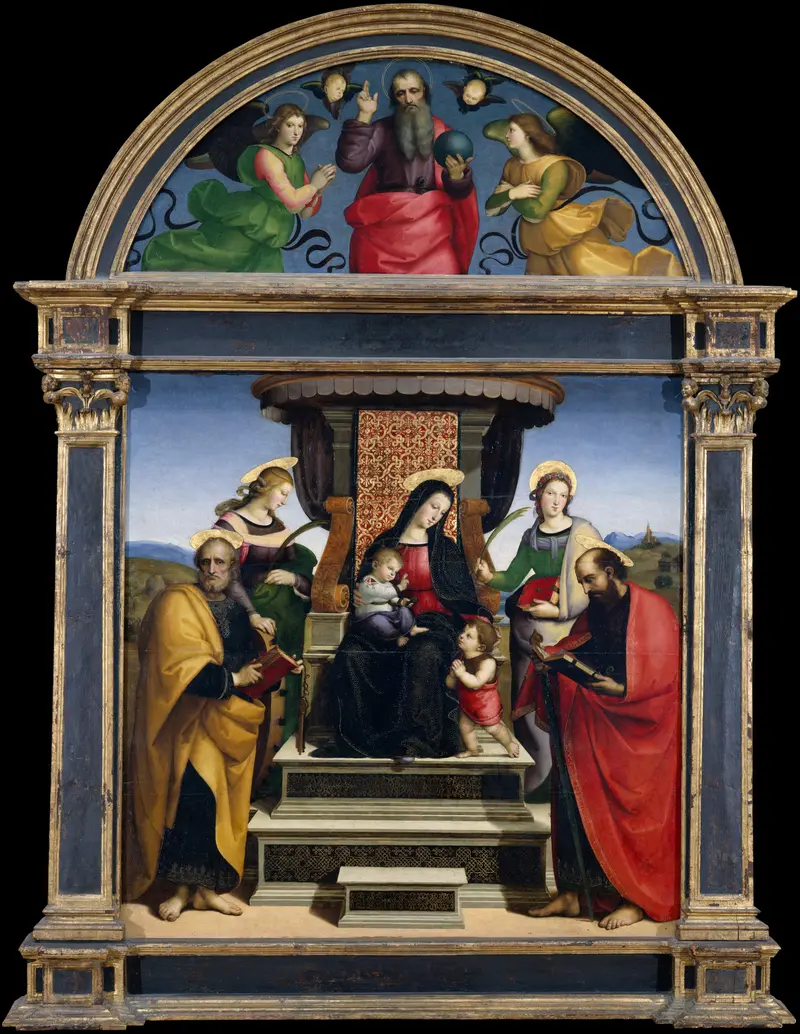
Madonna and Child Enthroned with Saints
Raphael




