
The Marriage of the Virgin — History & Facts
When The Marriage of the Virgin left the hands of the young Raphael in 1504, it was immediately recognized as a bold answer to a challenge set by his teacher, Perugino. Both artists painted the same biblical scene for neighboring churches in Città di Castello, and the comparison was inevitable. Viewers marveled at how the student’s composition, with its precise perspective and clarity, rivaled—and some whispered, surpassed—that of his master.
This rivalry, played out on two wooden panels, marked a turning point in the Renaissance, as Raphael began to emerge from the shadow of his predecessors. The scene unfolds at the moment when Joseph, chosen by a miraculous flowering rod, places the wedding ring on Mary’s finger. The high priest stands between them, his gesture solemn, while disappointed suitors break their rods in frustration—a detail drawn from apocryphal tradition. The architecture behind, a grand domed temple, draws the eye to the vanishing point, symbolizing the union’s divine sanction and the new order it represents.
The careful arrangement of figures, the luminous colors, and the harmonious balance all signal Raphael’s growing confidence. Compared to Perugino’s version, Raphael’s temple is more mathematically precise, its steps leading the viewer’s gaze into the future of Renaissance art. Commissioned for the church of San Francesco in Città di Castello, the painting remained in its original setting for centuries before passing through the hands of collectors and, eventually, into the collection of the Pinacoteca di Brera in Milan, where it hangs today. Its journey included a period of neglect and even damage, but its reputation only grew as scholars recognized its significance in Raphael’s early career.
This work marks the last of his major commissions before he left for Florence, where his style would evolve further. Today, The Marriage of the Virgin stands as a testament to the moment when a young painter announced himself as a force to be reckoned with on the Italian art scene.
More Artworks by Raphael

Madonna of the Goldfinch
Raphael

Madonna with the Fish
Raphael
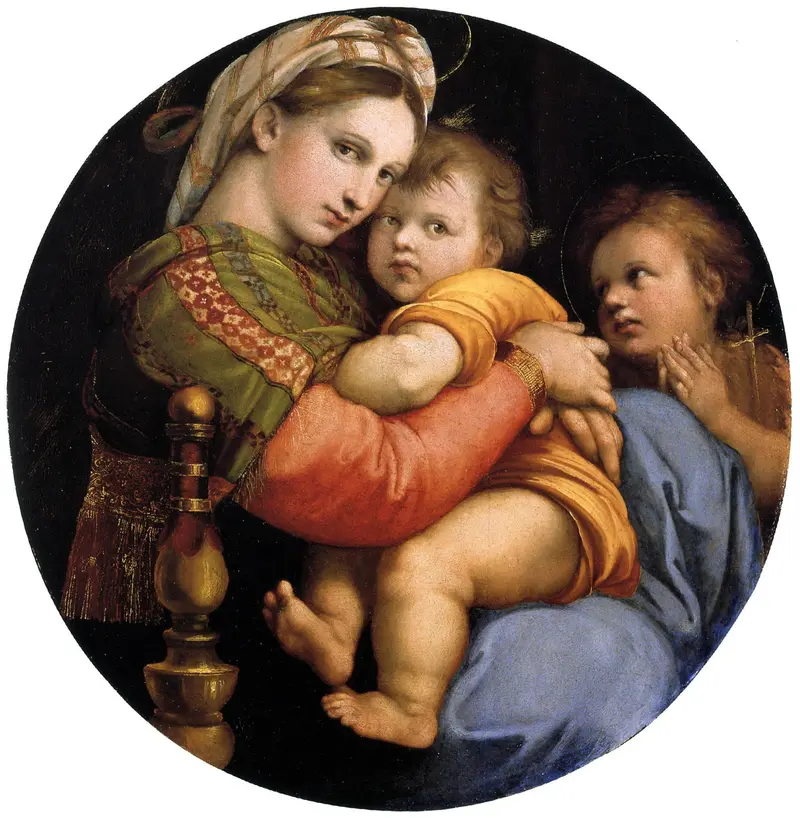
Madonna and Child (Madonna della Seggiola)
Raphael
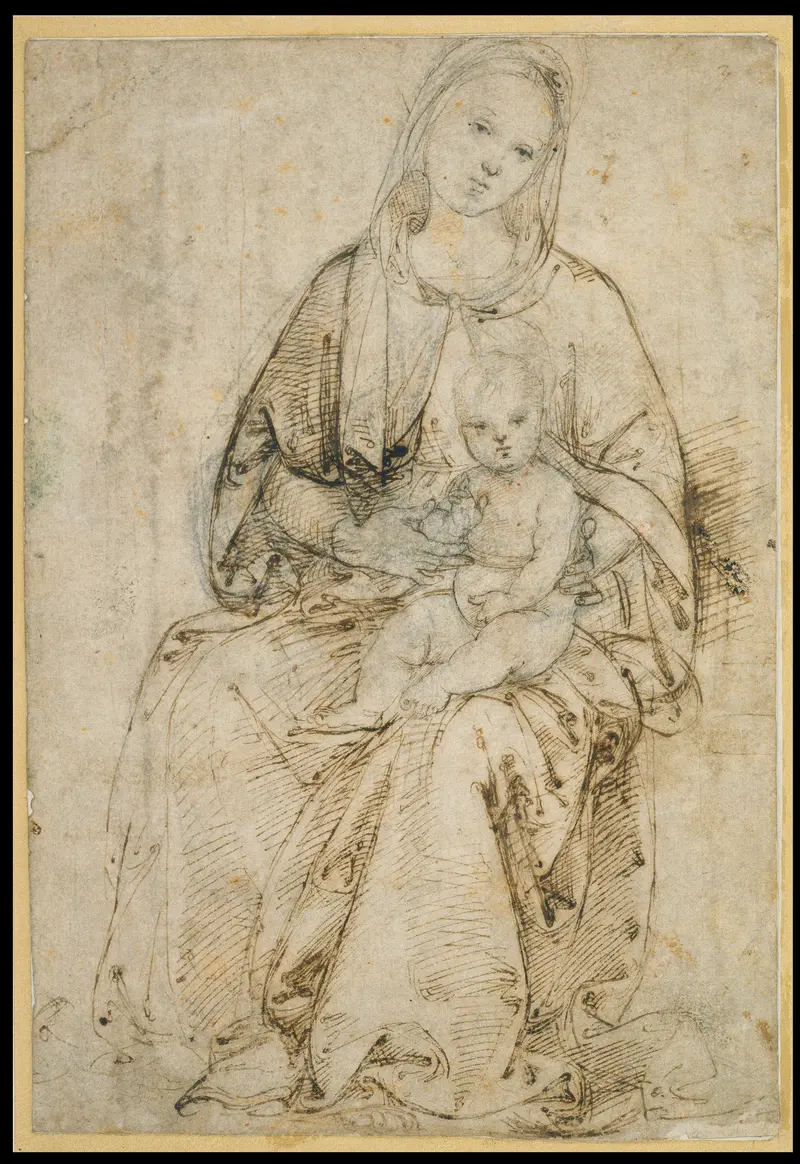
Seated Madonna and Child
Raphael
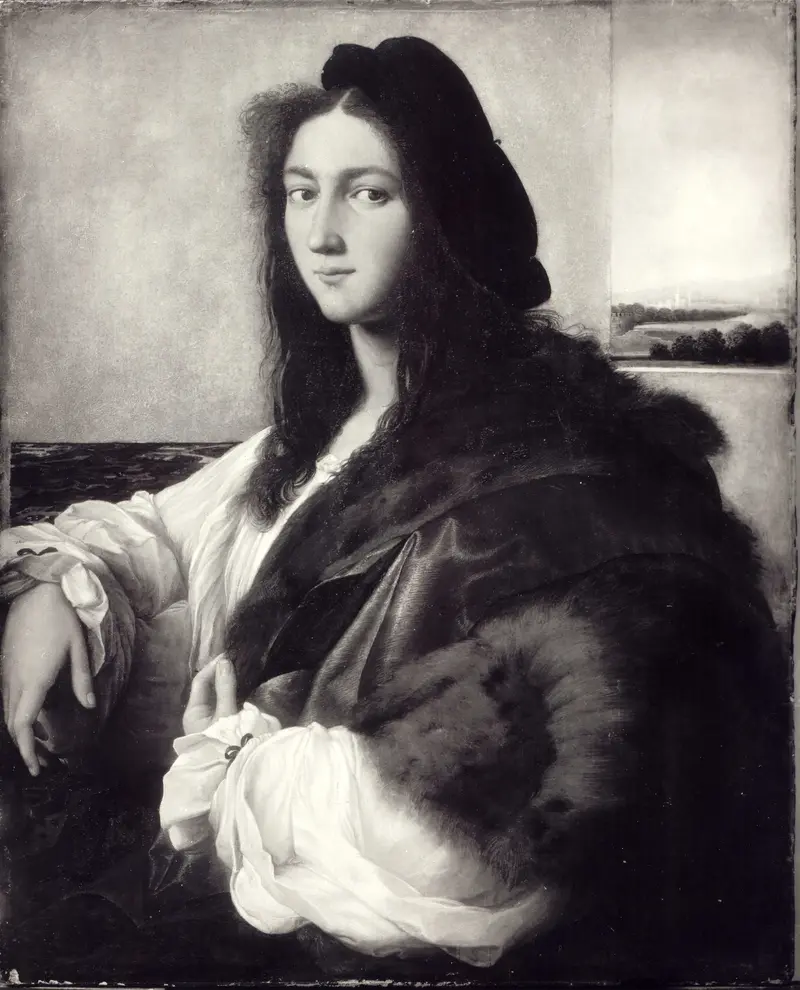
Portrait of a Young Man
Raphael
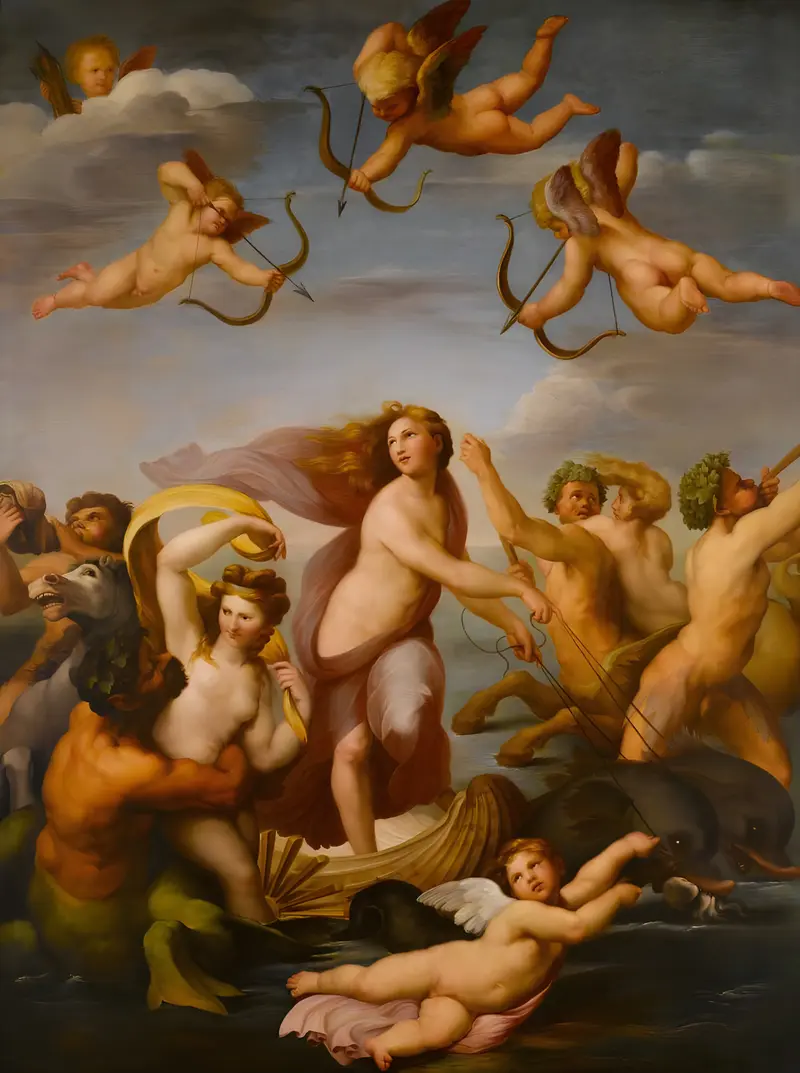
The Triumph of Galatea (copy after Raphael)
Raphael
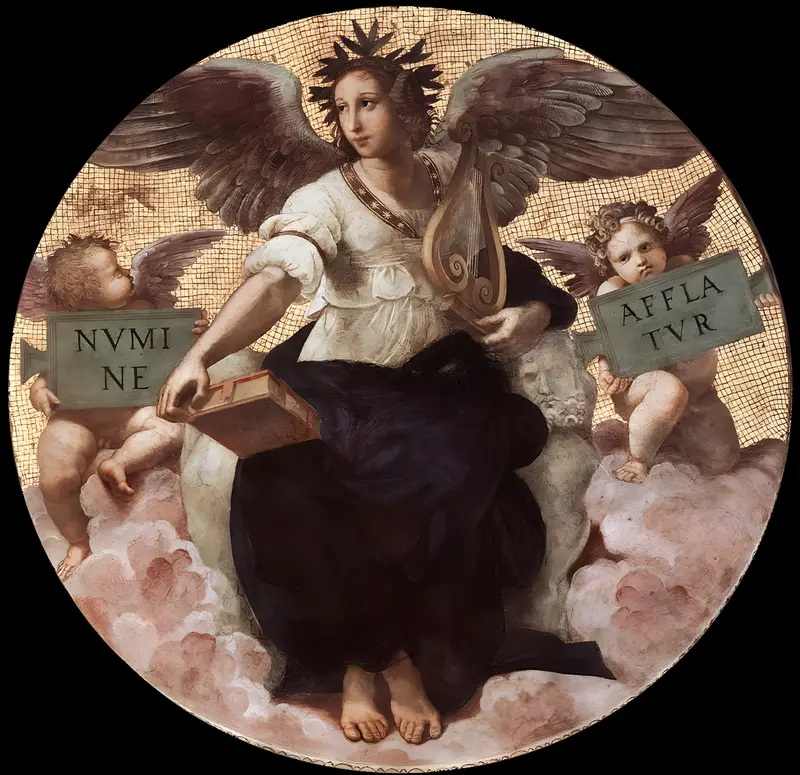
Poetry
Raphael
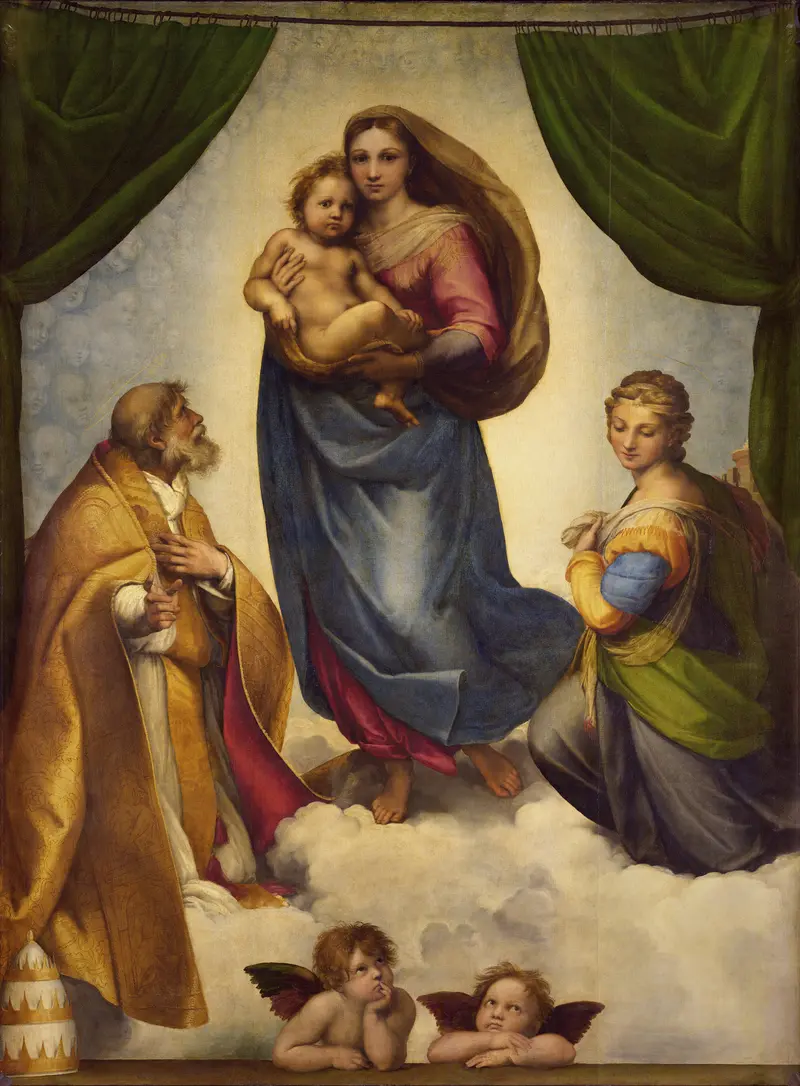
Sistine Madonna
Raphael
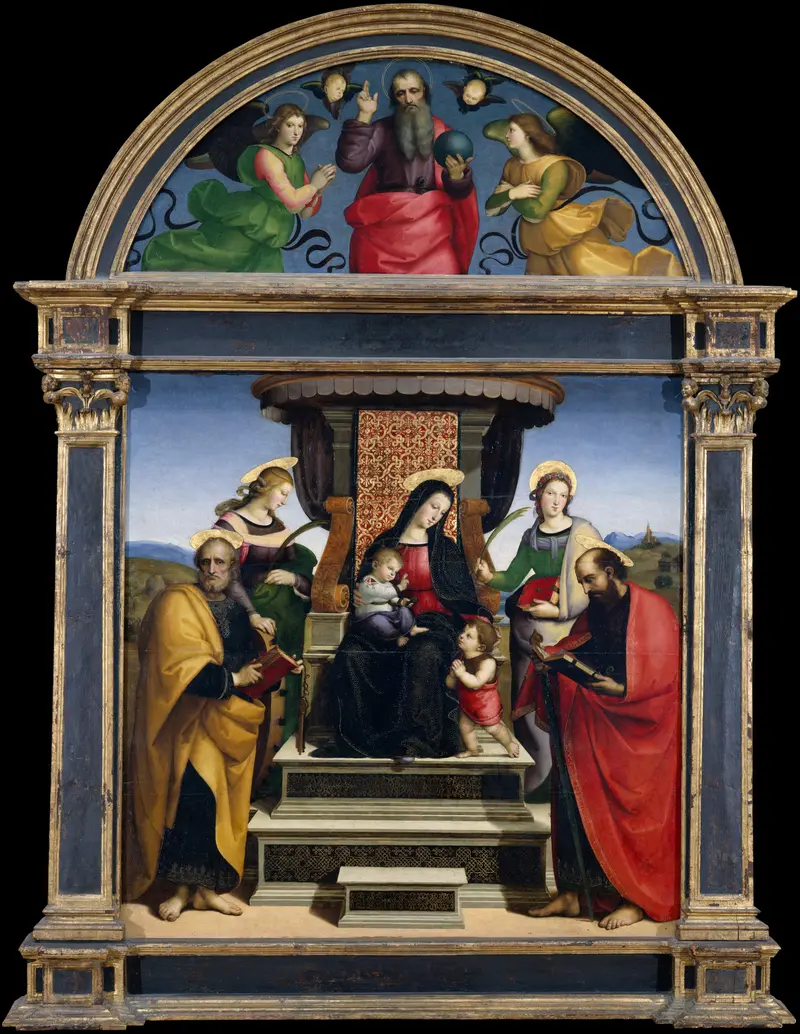
Madonna and Child Enthroned with Saints
Raphael
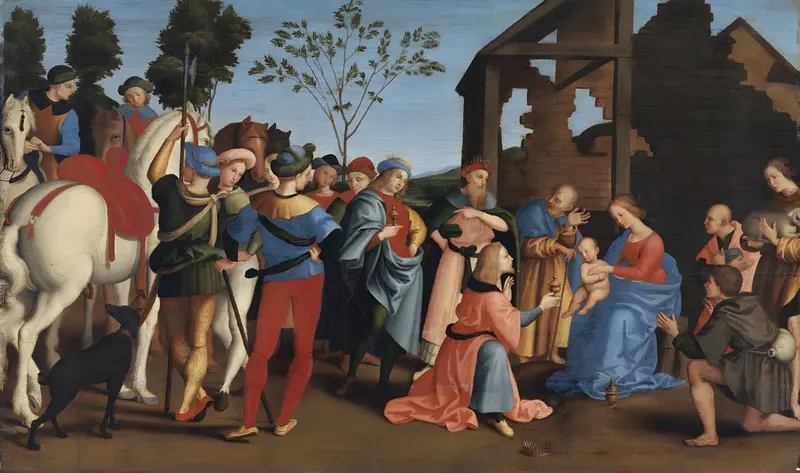
The Adoration of the Kings
Raphael




