
Poetry — History & Facts
Poetry stands as one of the four celebrated allegories Raphael painted for the Stanza della Segnatura in the Vatican, a commission that would cement his reputation in Rome. These frescoes, executed around 1508, were ordered by Pope Julius II to decorate his private library, a space intended to embody the union of faith, philosophy, poetry, and law. The room’s decoration marked a turning point in Renaissance art, with Raphael—barely in his mid-twenties—invited to surpass the achievements of his contemporaries and even those of Michelangelo, who was working on the Sistine Chapel ceiling just next door. In Poetry, Raphael personifies the art as a serene female figure, crowned with laurel and surrounded by winged putti.
She holds a book and a lyre, evoking both the written and musical forms of poetic inspiration. The moment Raphael captures is not of action, but of revelation: Poetry is shown as a divine intermediary, her gaze lifted as if receiving inspiration from above. The light softly bathes her face, suggesting enlightenment, while the laurel wreath recalls the ancient poets and their sacred status.
Unlike Botticelli’s more decorative allegories, Raphael’s figure is grounded and monumental, her calm presence inviting contemplation. The fresco remains in its original setting in the Vatican, part of the cycle that includes The School of Athens and The Disputa. These works launched Raphael into the highest circles of papal patronage and marked the beginning of his mature Roman style. Though the precise medium is fresco, the preparatory drawings and cartoons reveal the artist’s meticulous planning.
Over the centuries, the Stanza della Segnatura has survived wars, papal intrigue, and the passage of time, and today it draws visitors from around the world who come to see the harmony of human knowledge and divine inspiration as imagined by Raphael.
Sources: Wikidata Q3906946 · Image source (Wikimedia Commons)
More Artworks by Raphael

Madonna of the Goldfinch
Raphael

Madonna with the Fish
Raphael
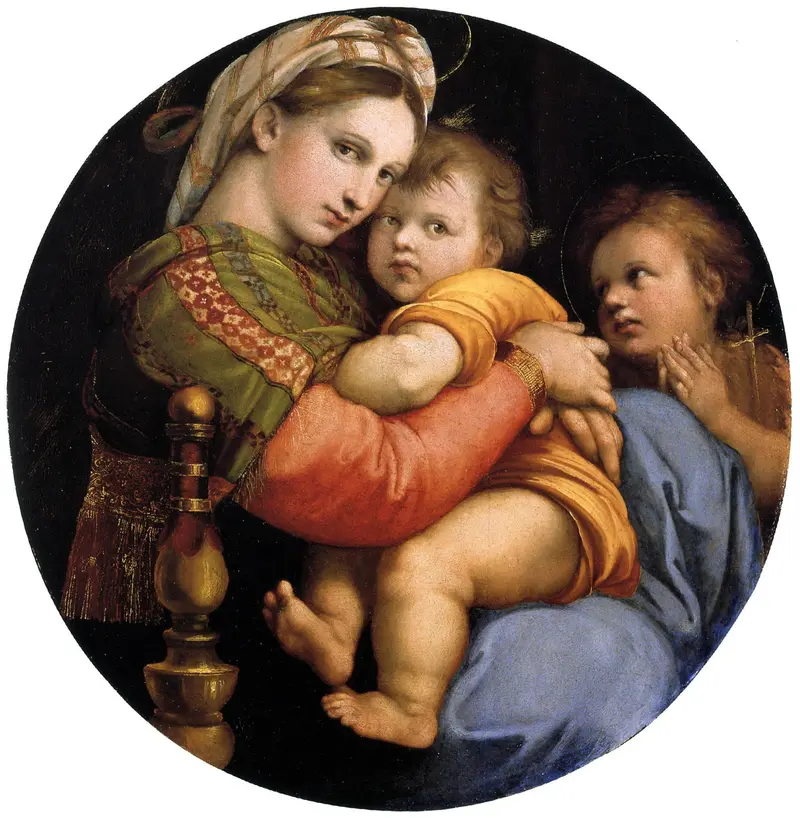
Madonna and Child (Madonna della Seggiola)
Raphael
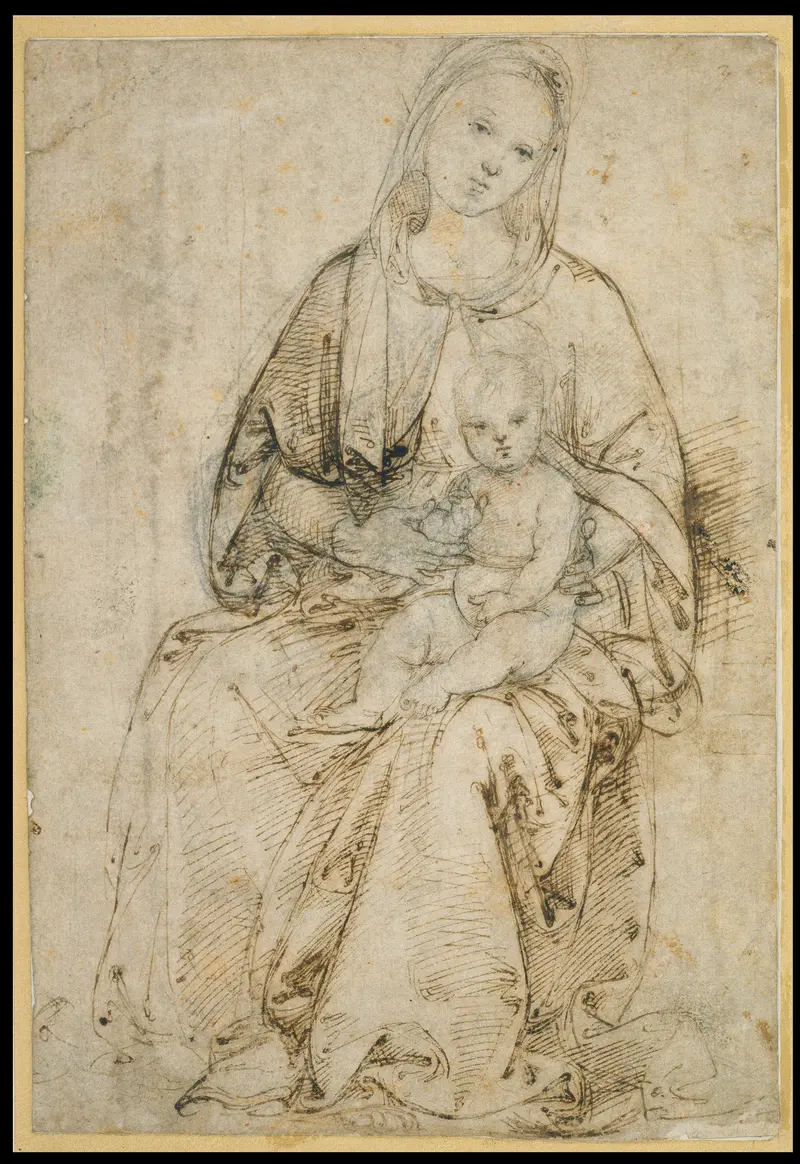
Seated Madonna and Child
Raphael
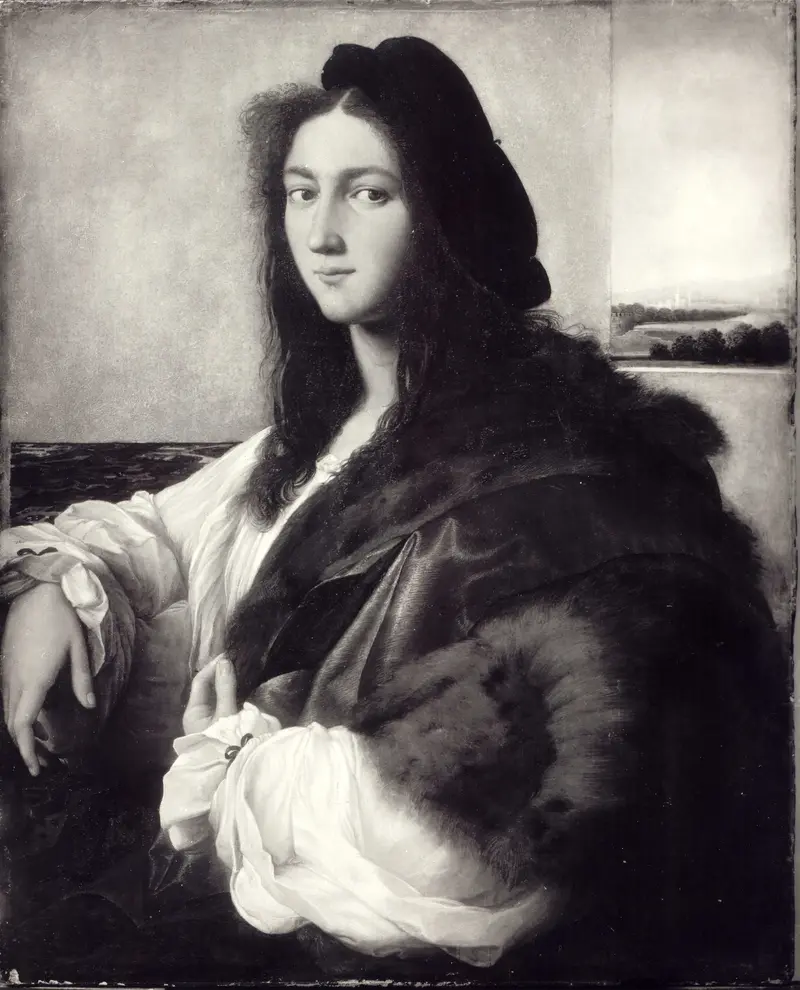
Portrait of a Young Man
Raphael
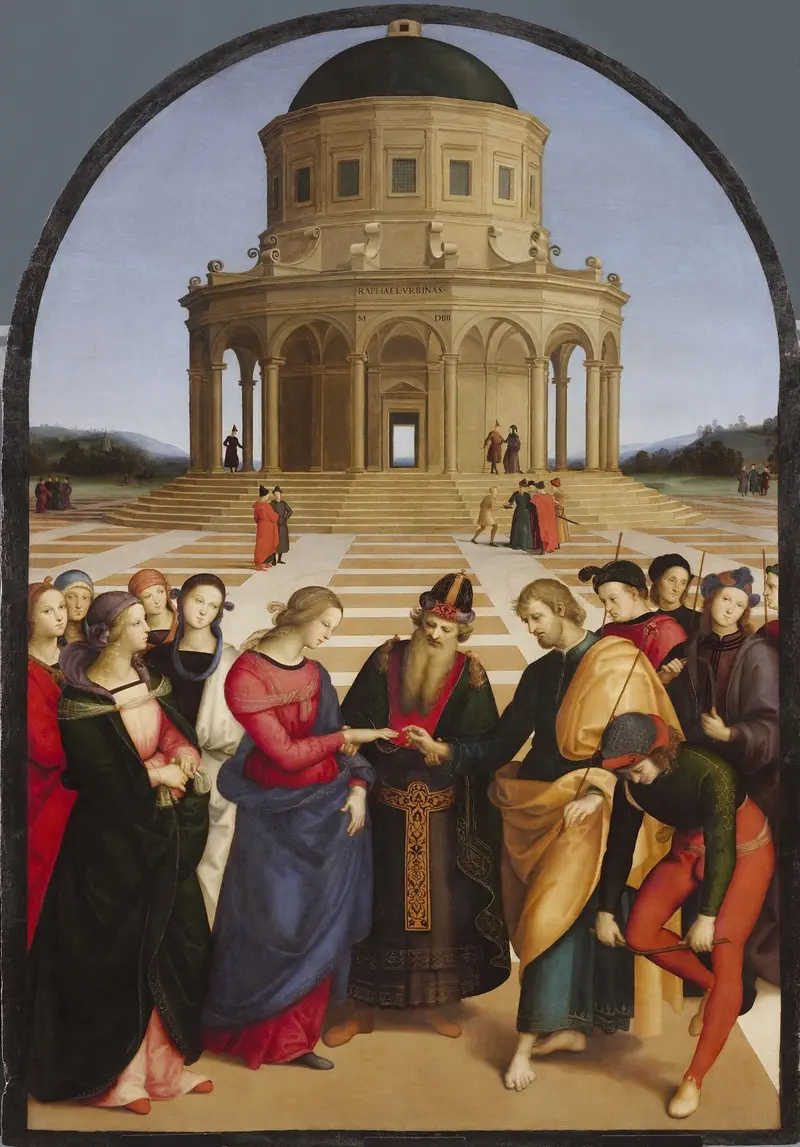
The Marriage of the Virgin
Raphael
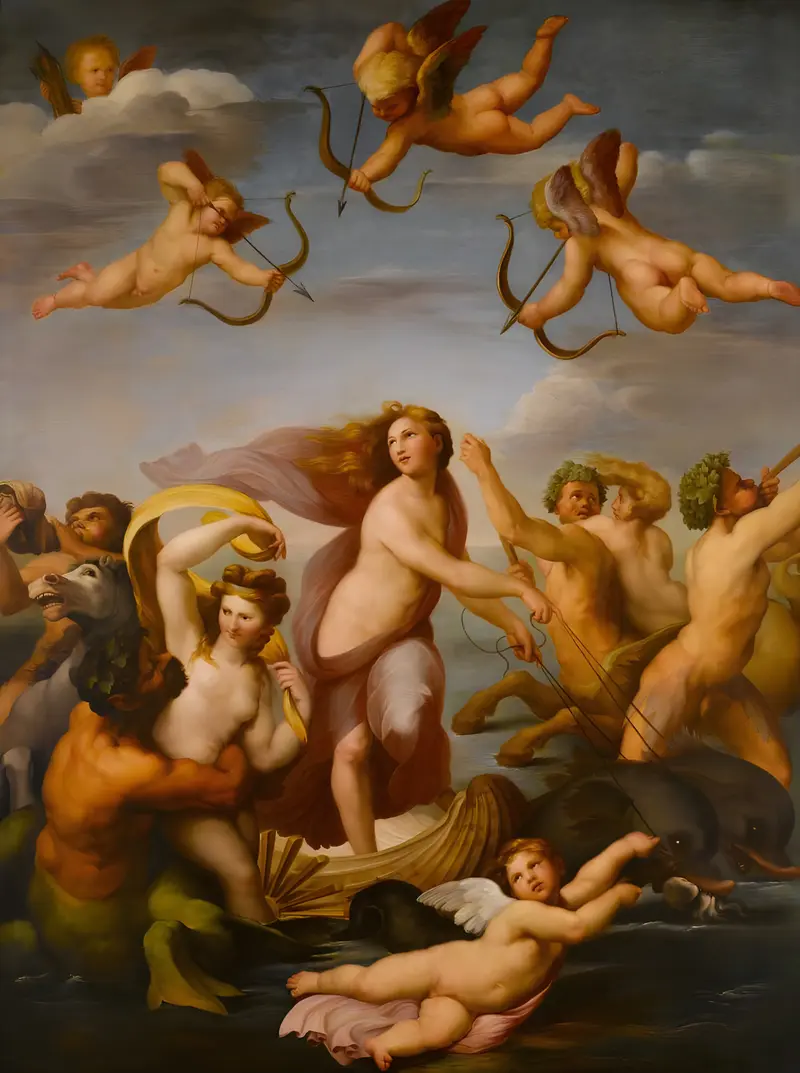
The Triumph of Galatea (copy after Raphael)
Raphael
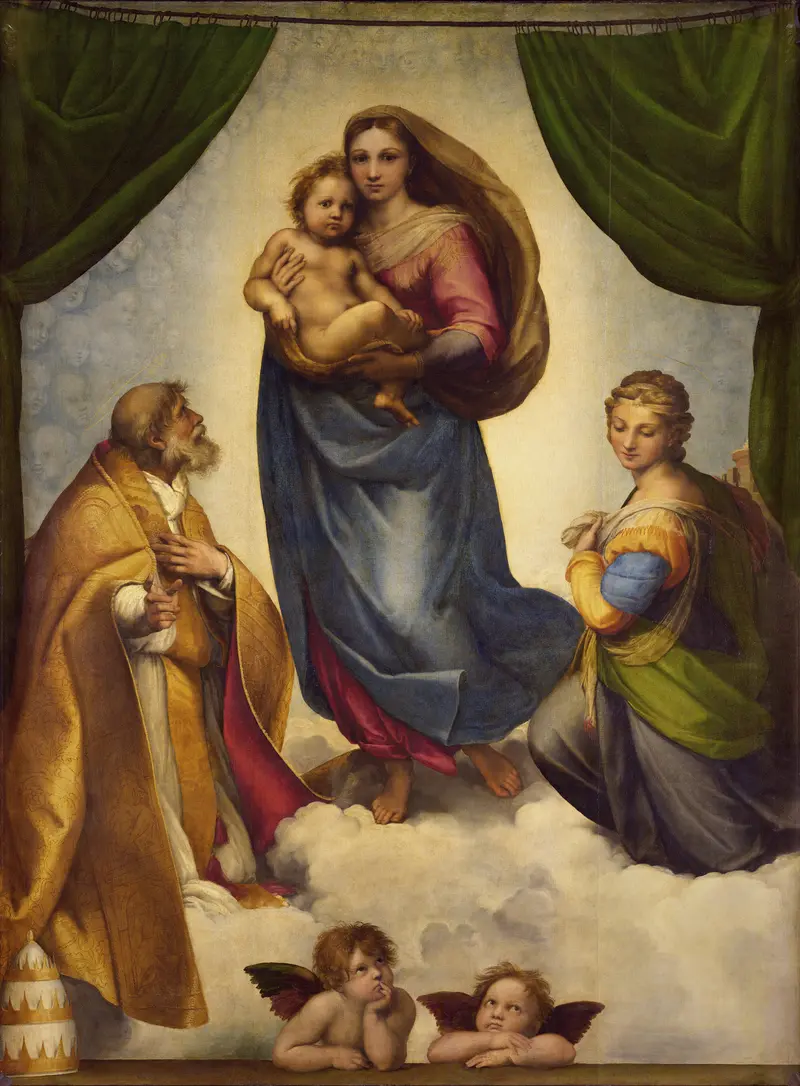
Sistine Madonna
Raphael
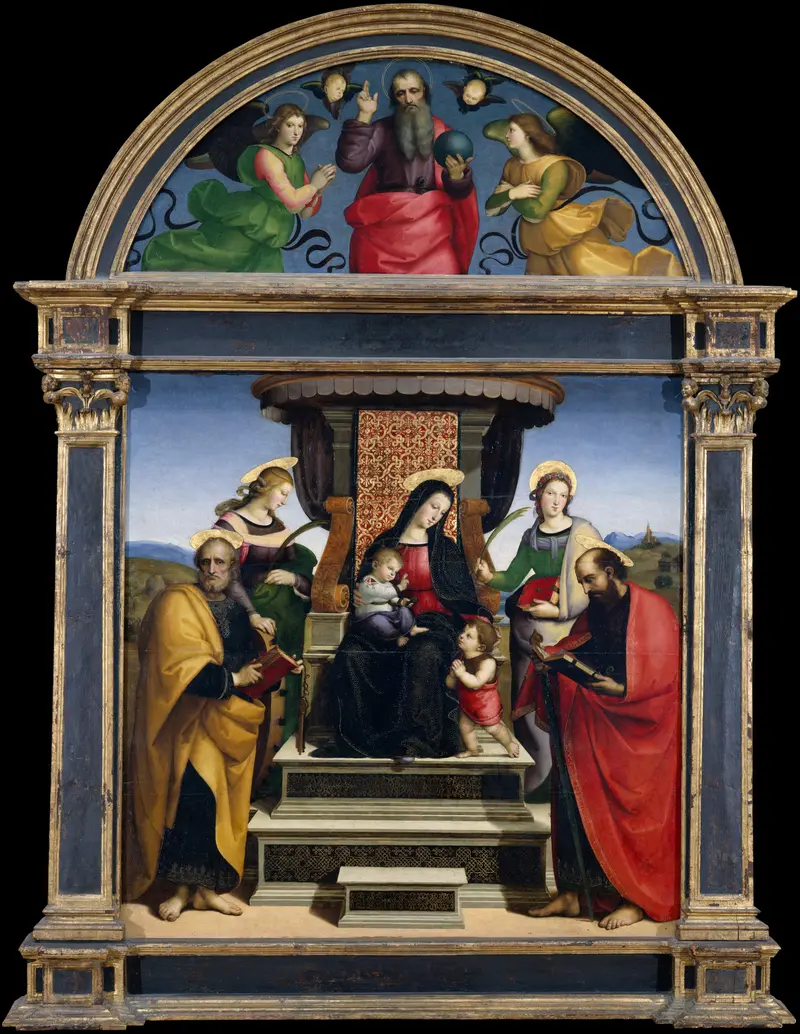
Madonna and Child Enthroned with Saints
Raphael
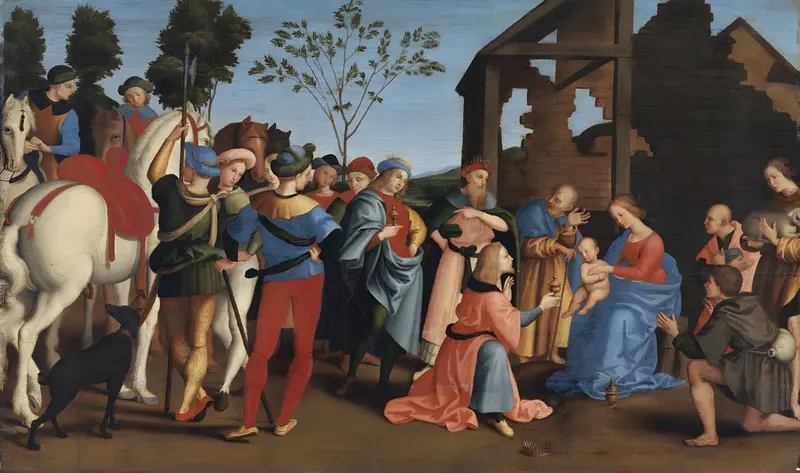
The Adoration of the Kings
Raphael





