
The Triumph of Galatea (copy after Raphael) — History & Facts
When Raphael painted The Triumph of Galatea, he was not working for a pope or a prince, but for the wealthy banker Agostino Chigi, who had transformed his villa on the Tiber into a playground for Rome’s elite. This fresco, created around 1512, was part of a grand decorative scheme in the Villa Farnesina, where Chigi hosted lavish feasts and intellectual gatherings. The room housing The Triumph of Galatea was dedicated to mythological love, and it is said that Chigi's own mistress inspired the faces of the nymphs.
The painting quickly became a point of reference for artists and poets, who marveled at its blend of classical myth and Renaissance beauty. The scene captures the sea-nymph Galatea at the peak of her escape from the monstrous Cyclops Polyphemus, who loved her in vain. Galatea rides a shell chariot drawn by dolphins, surrounded by a swirling retinue of tritons and sea nymphs. Raphael freezes the moment of her triumph: Galatea looks upward, her body twisting with an energy that animates the entire composition.
The red drapery billowing behind her signals her divinity and draws the eye, while cupids above aim their arrows, signifying the power of love. Unlike Polyphemus by Sebastiano del Piombo, painted for the same villa, Raphael’s Galatea is all movement and grace, a celebration of idealized beauty and harmonious design. Although The Triumph of Galatea is a fresco and has never left the Villa Farnesina, its fame spread quickly through engravings and copies. The painting marks a high point in Raphael’s Roman period, when he was synthesizing the lessons of ancient art and his contemporaries into a new vision of mythological painting.
Scholars have long debated the identity of the model for Galatea, but Raphael himself wrote, "I paint her with such beauty as I have in mind, but I do not know if there is such a one in nature." Today, the fresco remains in situ, a testament to the artistic ambitions of the High Renaissance and the enduring allure of classical myth.
More Artworks by Raphael

Madonna of the Goldfinch
Raphael

Madonna with the Fish
Raphael
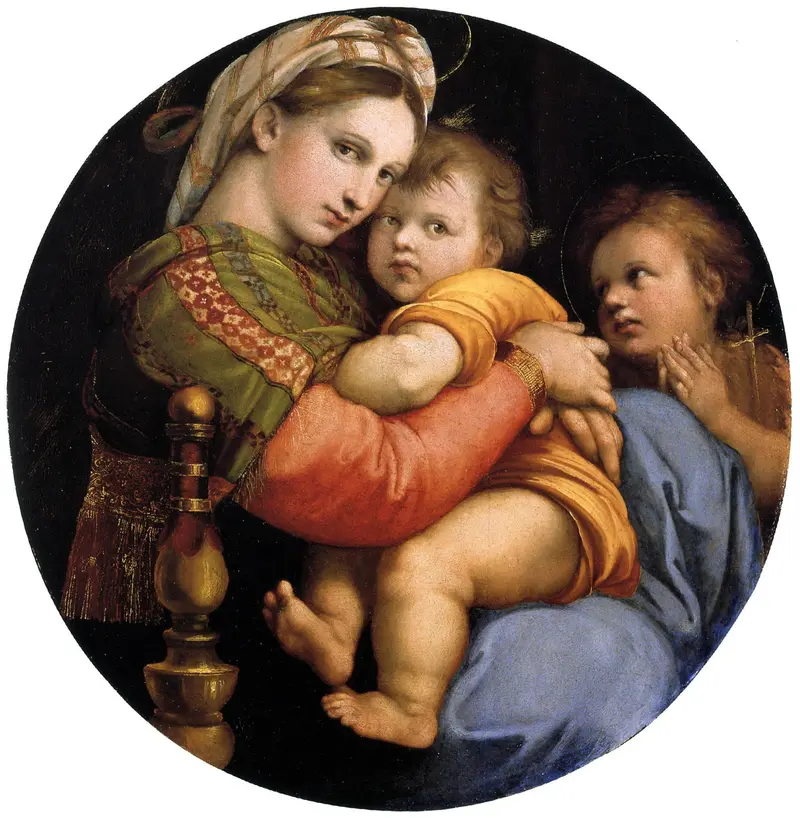
Madonna and Child (Madonna della Seggiola)
Raphael
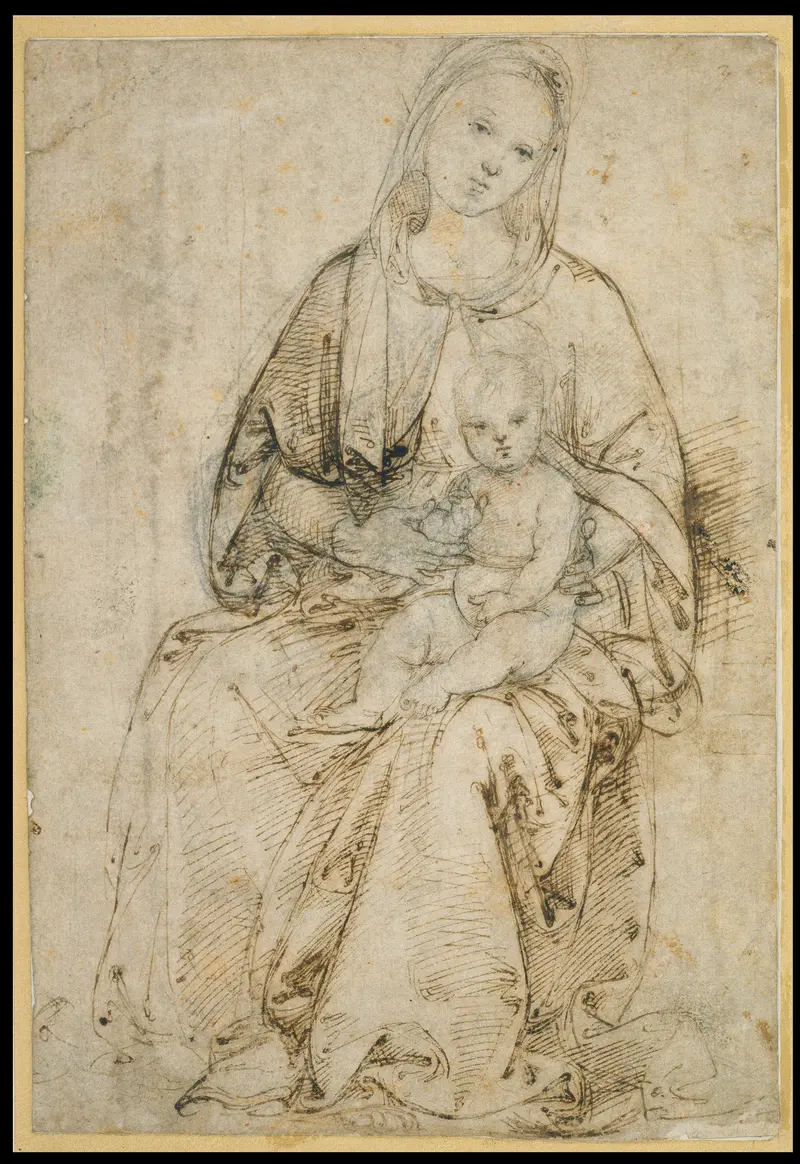
Seated Madonna and Child
Raphael
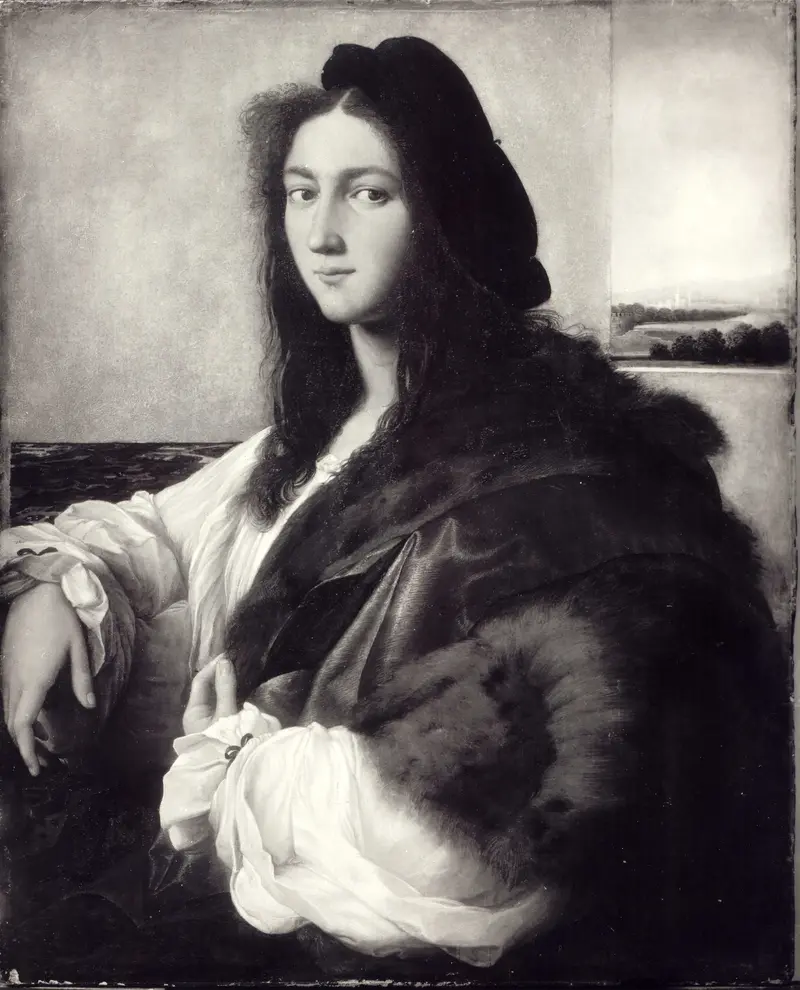
Portrait of a Young Man
Raphael
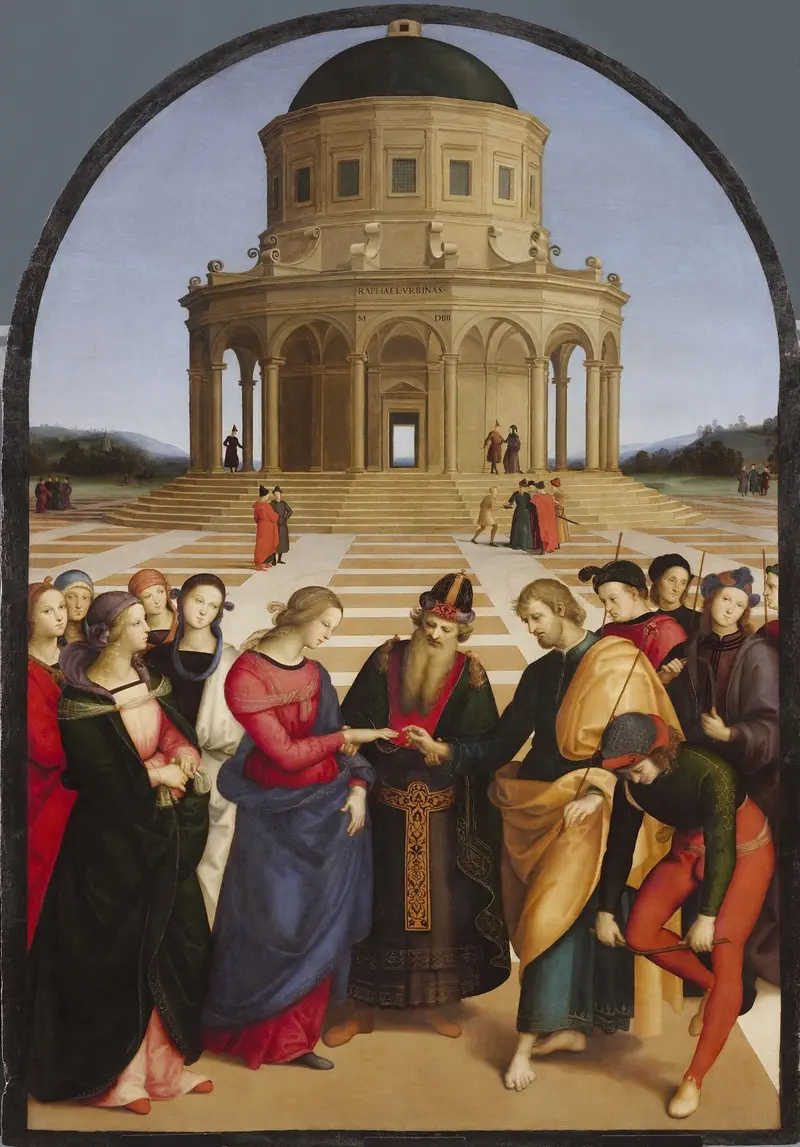
The Marriage of the Virgin
Raphael
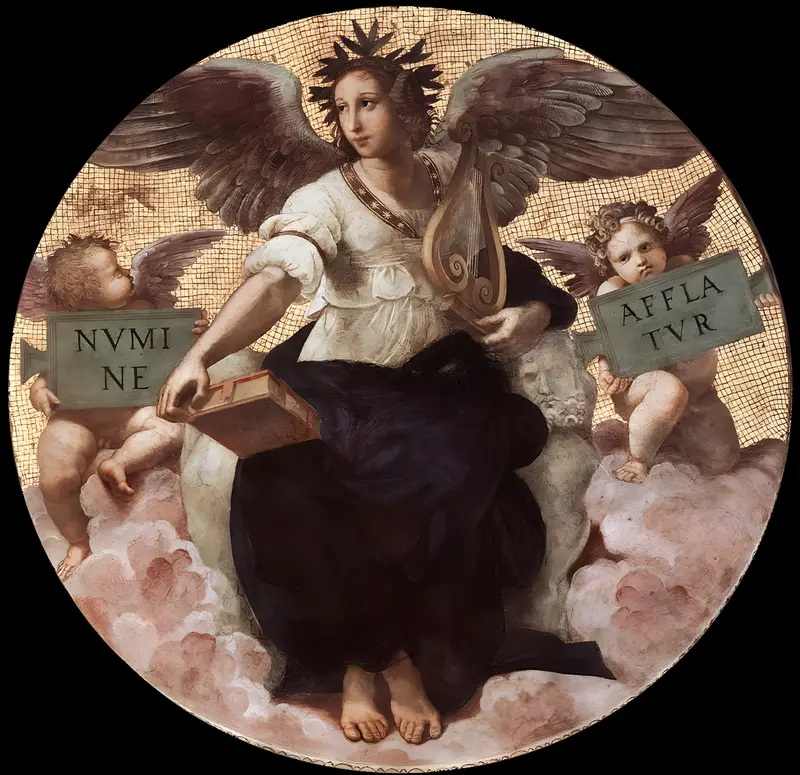
Poetry
Raphael
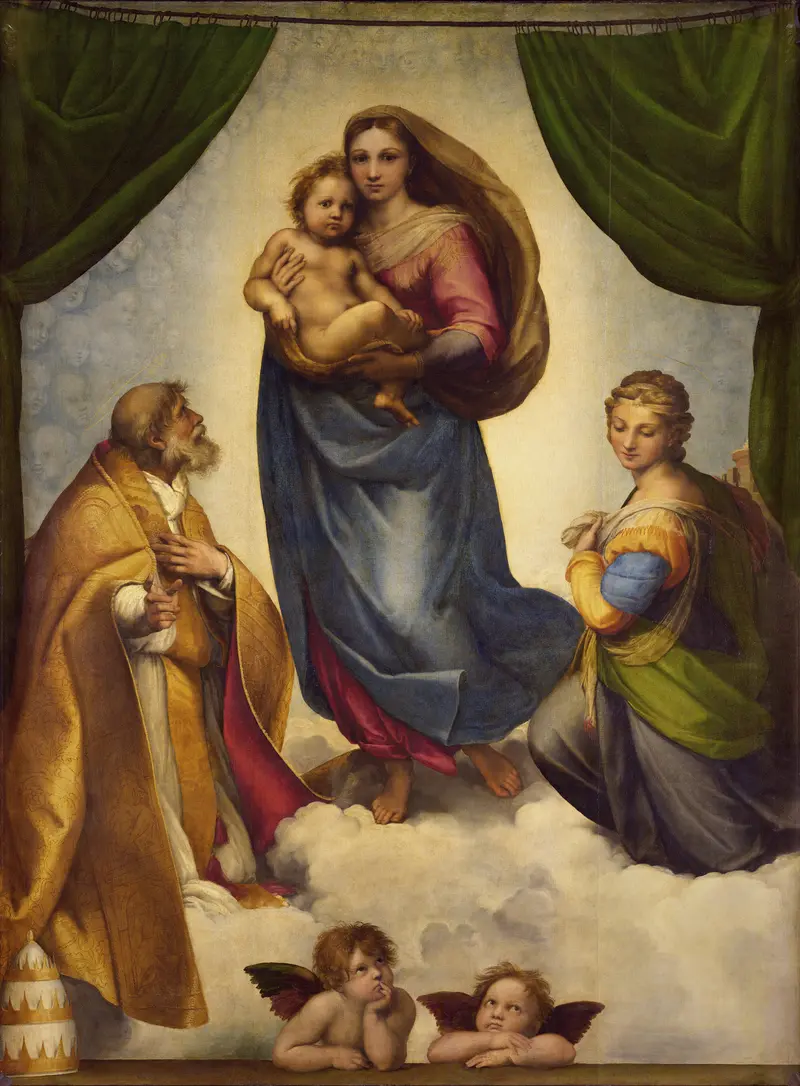
Sistine Madonna
Raphael
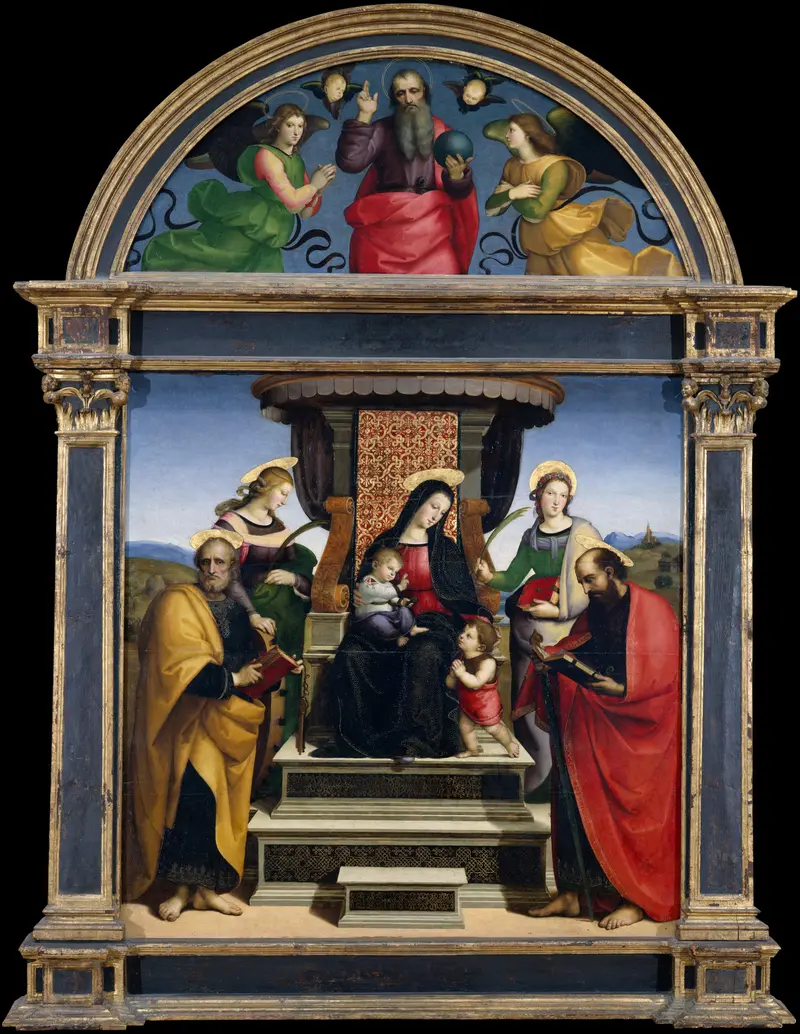
Madonna and Child Enthroned with Saints
Raphael
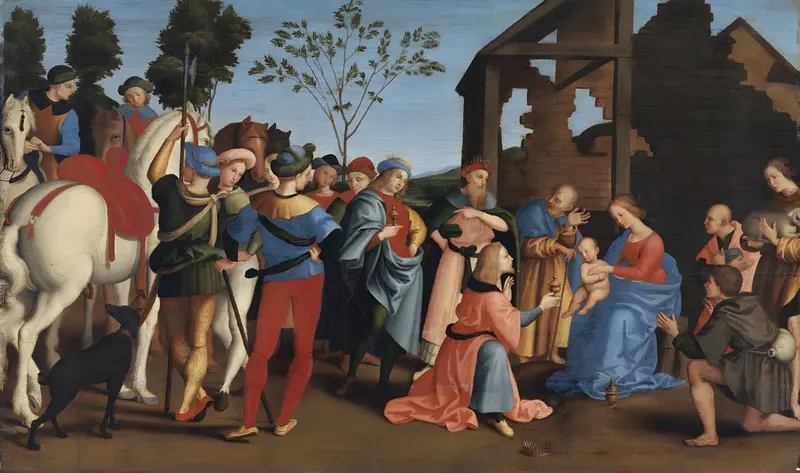
The Adoration of the Kings
Raphael





