Apple-Trees in Bloom — History & Facts
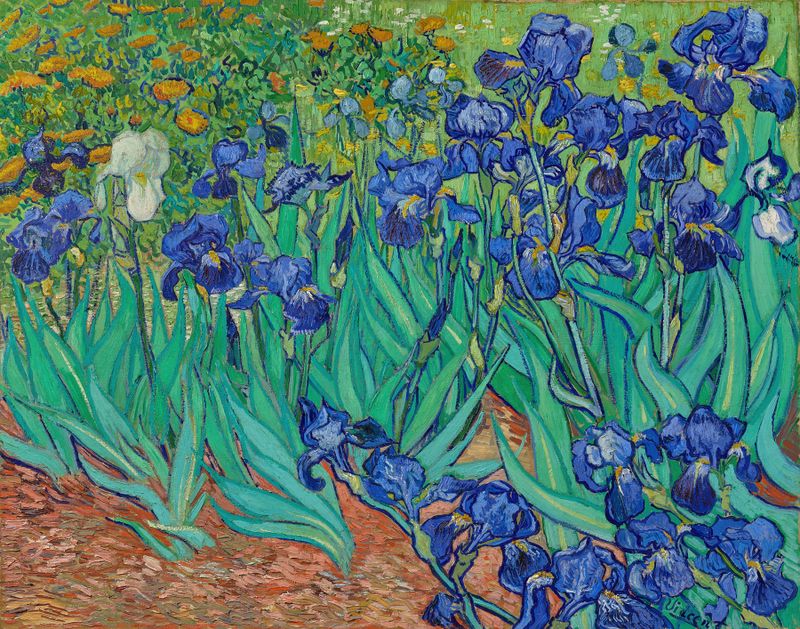
What if beauty was never meant to be finished? The notion lingers in the air like pollen wafting from blooming apple trees, inviting contemplation of nature's fleeting moments and the intricate balance they embody. Look to the center of the canvas, where the trees, heavy with blossoms, create a stunning tapestry of white and soft pink. The painter employs a delicate palette, with muted greens framing the scene, guiding the eye toward the vibrant bursts of color. Notice how the light dances through the petals, casting gentle shadows that breathe life into the composition.
Every brushstroke reflects a harmonious blend of nature’s chaos and order, inviting viewers to step into this tranquil yet vibrant world. Here, beneath the surface, lies a deeper exploration of balance—the cyclical nature of beauty and decay. Each flower teeters on the edge of blooming and withering, a poignant reminder of life's impermanence. The contrasting play of light and shadow not only shapes the landscape but also symbolizes the duality of existence, where joy and sorrow coexist in the quiet rustle of leaves.
This subtle interplay prompts reflection on our relationship with beauty and time. In 1899, during a period of artistic exploration in Poland, Apple-Trees in Bloom emerged as a testament to Stanisław Witkiewicz’s engagement with impressionism and the natural world. Residing in his native Zakopane, the artist was influenced by the romantic ideals of beauty and nostalgia, capturing the transient moments of life. This work reflects his pursuit of harmony, both in nature and within the broader context of societal change, marking a significant chapter in his artistic journey.
More Artworks by Stanisław Witkiewicz
Browse all →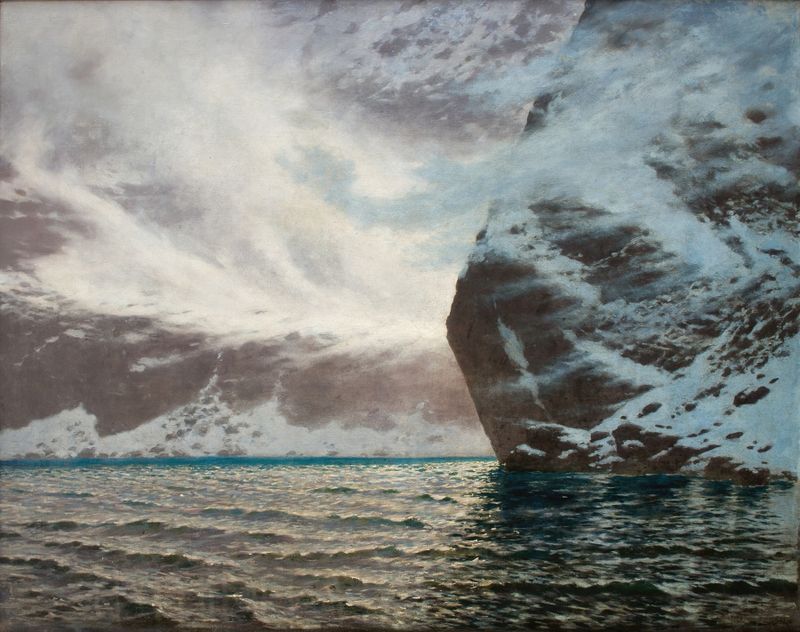
Czarny Staw (The Blake Lake) – Blizzard
Stanisław Witkiewicz

Baltic Sea near Palanga
Stanisław Witkiewicz
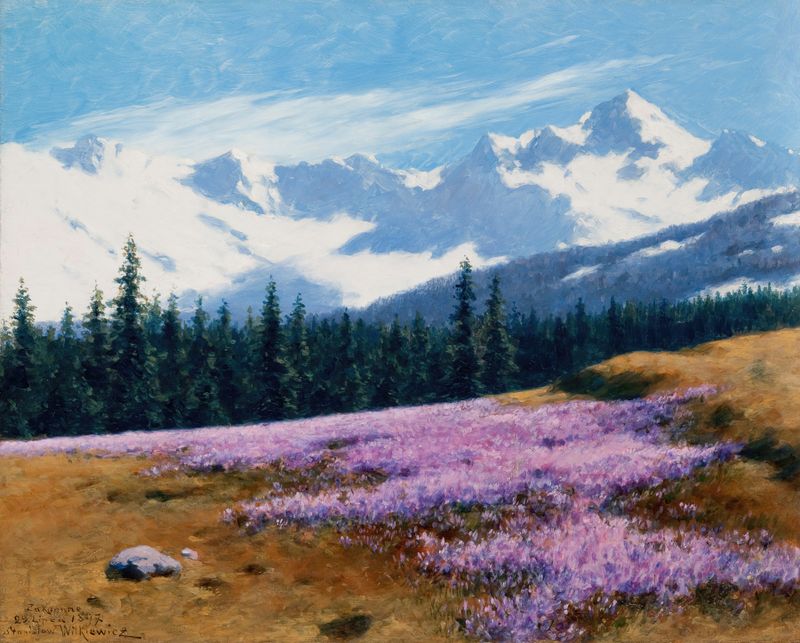
Crocuses with Snowy Mountains Behind
Stanisław Witkiewicz

Spring Mist
Stanisław Witkiewicz

Foehn Wind
Stanisław Witkiewicz
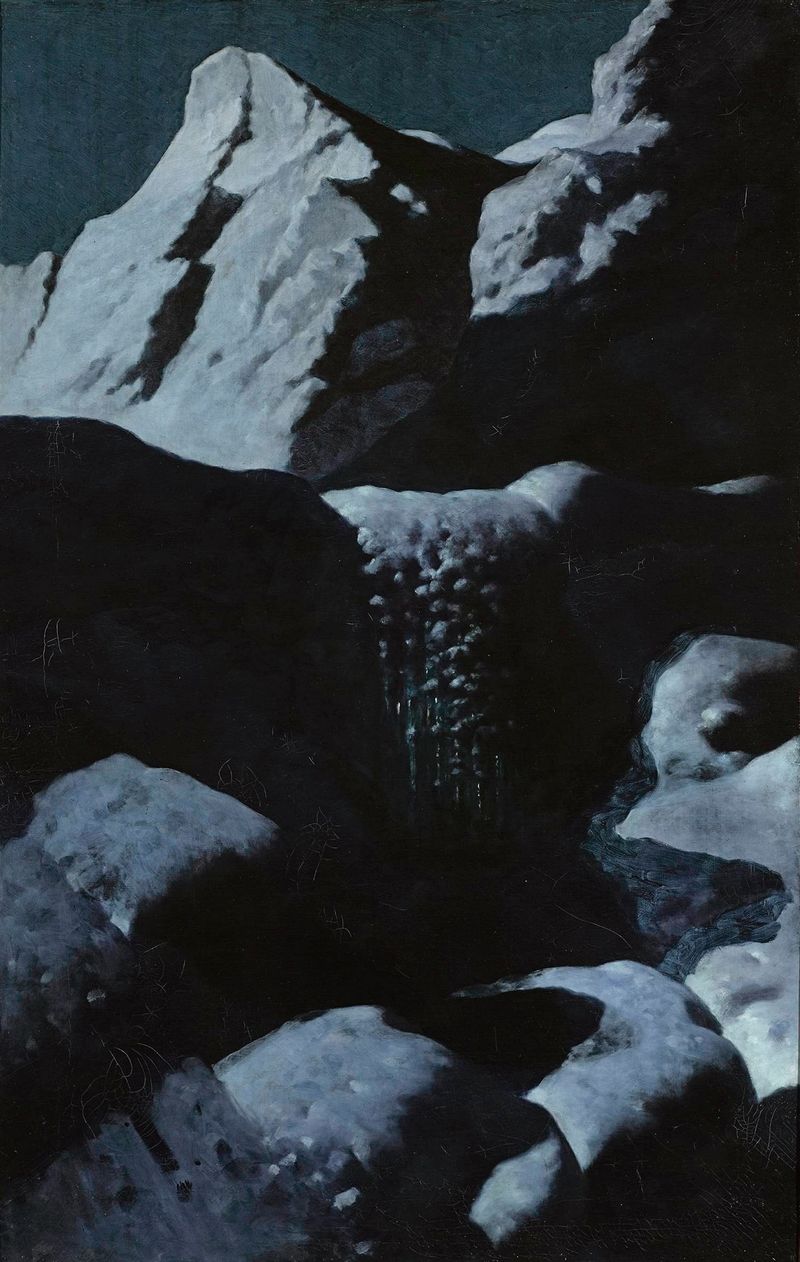
Winter landscape from the Tatra Mountains
Stanisław Witkiewicz
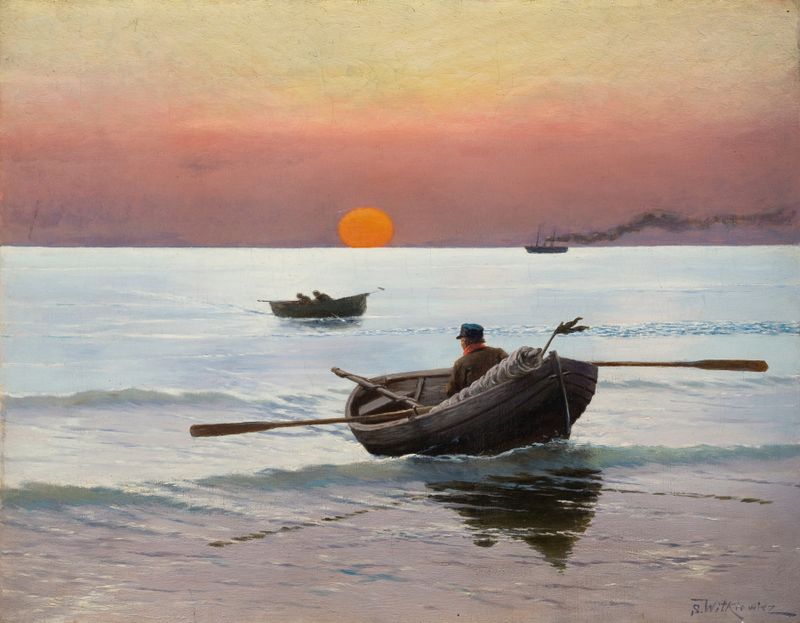
Sunset on the Sea
Stanisław Witkiewicz

Autumn Pasturage
Stanisław Witkiewicz
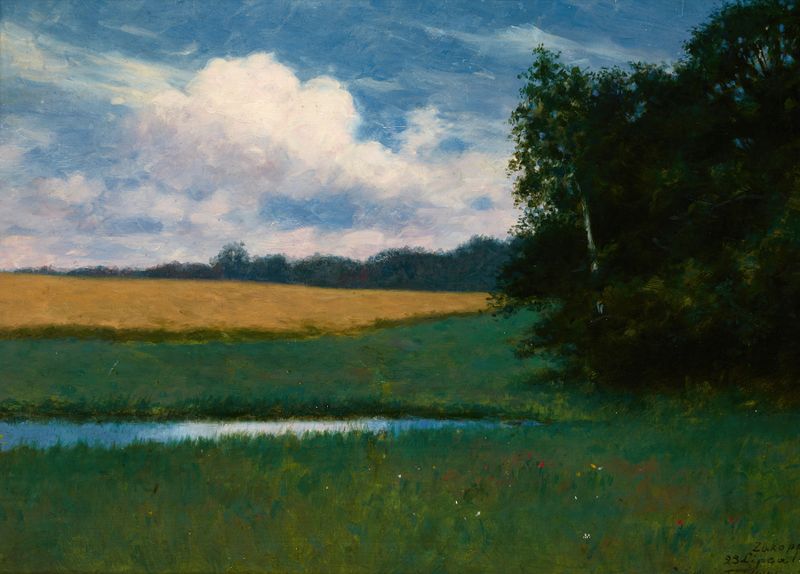
Dusk
Stanisław Witkiewicz
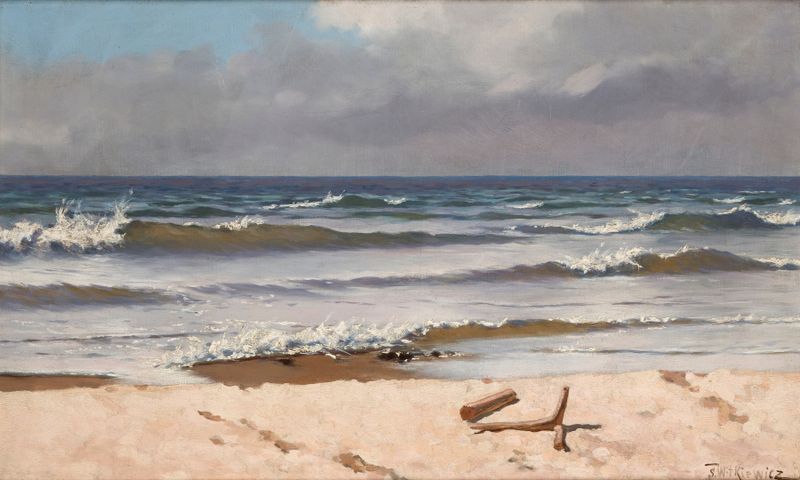
Coast at Połąga
Stanisław Witkiewicz