Apse of Notre-Dame de Paris Cathedral, state III — History & Facts
What secret hides in the quiet of the canvas? In an age where the clamor of life often drowns out solitude, this work invites us to confront our own silence and the weight of isolation. Look to the center of the composition, where the ethereal light pours through the stained glass, casting a kaleidoscope of colors onto the stone floor below. Notice how Pankiewicz captures the intricate details of the apse with delicate brushwork, each stroke conveying the solemnity of this sacred space. The juxtaposition of vibrant hues against the muted tones of the architectural elements emphasizes the contrast between the vibrancy of faith and the somber reality of solitude. Beneath the tranquil beauty lies a profound emotional tension.
The grandeur of the cathedral looms in stillness, yet the empty space hints at longing and absence. The interplay of light and shadow suggests both reverence and loneliness, as if the sacred walls remember the prayers that once filled the air but now resonate only with silence. Each element holds its own story, creating an atmosphere that evokes reflection on the nature of solitude within communal spaces. In 1902, Pankiewicz created this work during a pivotal moment in art history, influenced by the Symbolist movement and the burgeoning interest in light and color.
Working in Paris, a city alive with artistic innovation, he sought to depict the emotional resonance of sacred architecture, capturing both beauty and the remnants of silence that can haunt such grand spaces. This painting reflects his exploration of the interplay between light, architecture, and emotion, a theme that continues to resonate in the modern era.
More Artworks by Józef Pankiewicz
Browse all →
Landscape
Józef Pankiewicz

Cab in the Rain
Józef Pankiewicz
Notre Dame Cathedral in Paris
Józef Pankiewicz
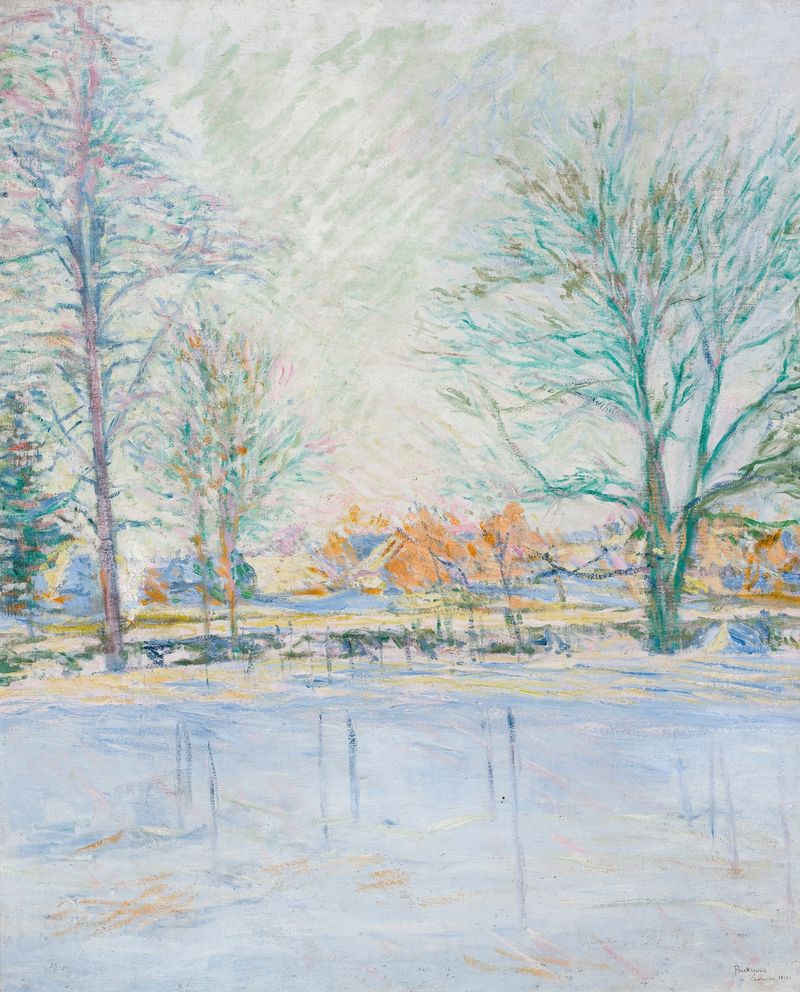
Landscape from Czarnolas
Józef Pankiewicz
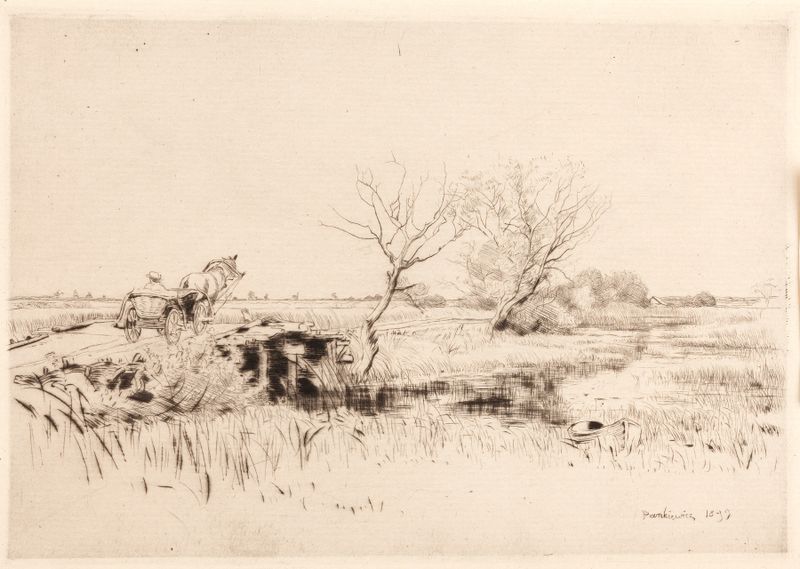
Pińsk Channel in Polesie I
Józef Pankiewicz
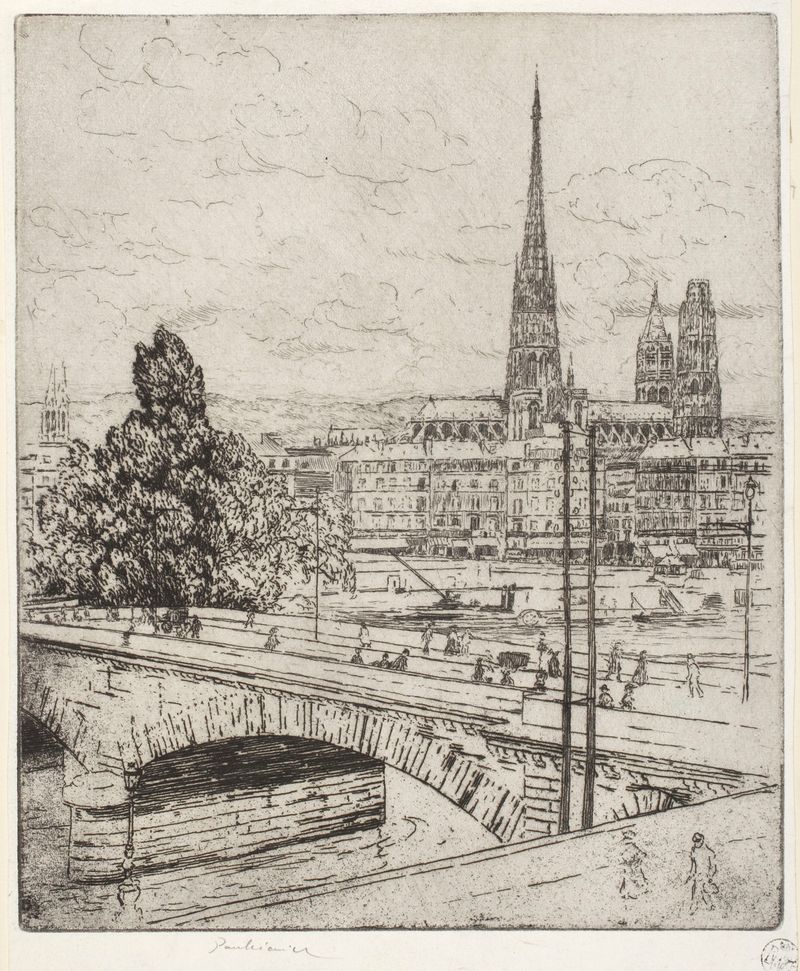
Pont Corneille in Rouen
Józef Pankiewicz
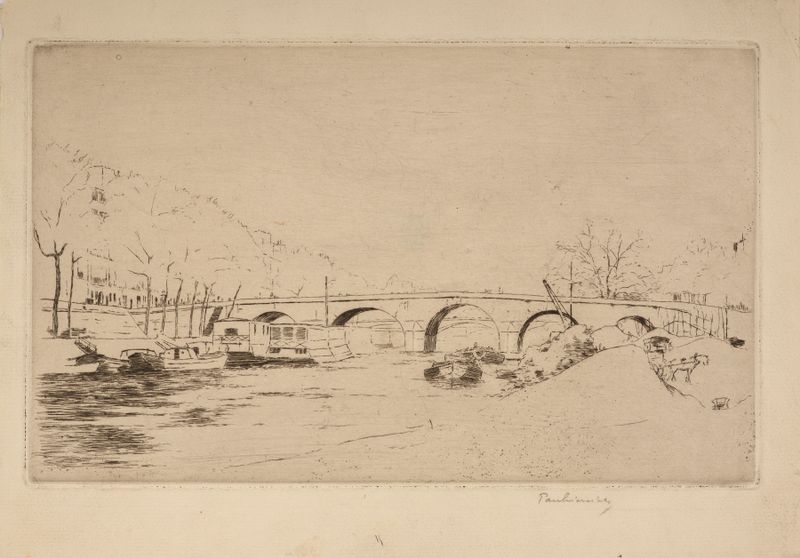
Pont Marie in Paris
Józef Pankiewicz

Rouen – portal from the Church of St Maclou
Józef Pankiewicz
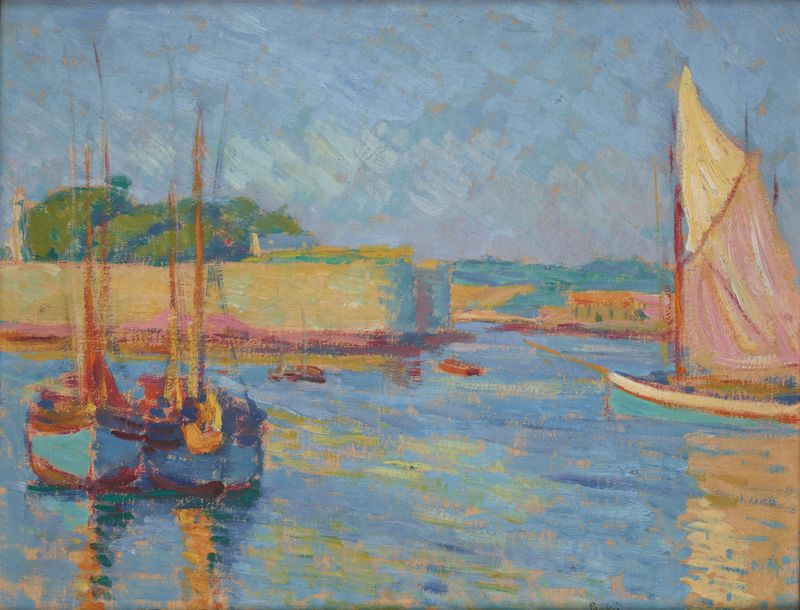
Harbour at Concarneau
Józef Pankiewicz
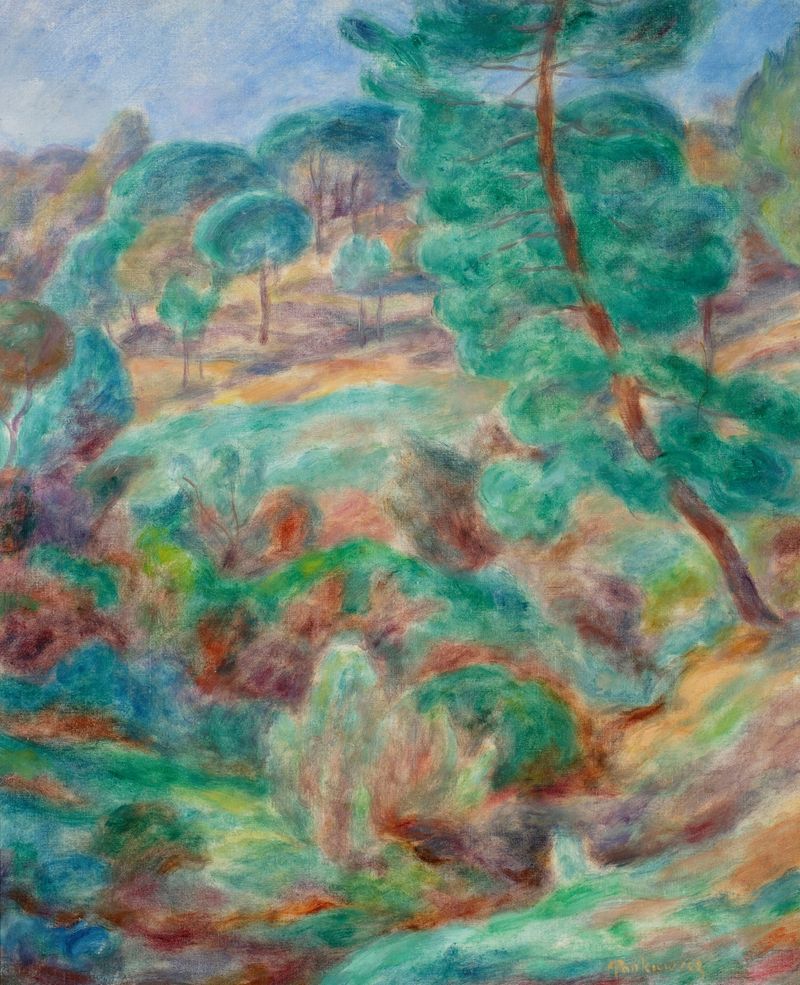
Landscape from Saint-Tropez – Stone pines
Józef Pankiewicz