
Arbonne, Le Gros Sablon — History & Facts
Can paint confess what words never could? In Arbonne, Le Gros Sablon, the visual language unfolds a narrative of legacy, weaving the past into the present. Look closely at the foreground, where earthy tones blend harmoniously with bursts of green, inviting the eye toward a quaint village nestled against the horizon. The subtle brushwork creates a texture that feels both alive and tactile, while dappled sunlight dances across the landscape, highlighting the contours of the land and the structures within it. The composition’s balance draws the viewer’s gaze, inviting exploration of the layers that lie beneath its surface. Delve deeper into the scene and notice how the juxtaposition of vibrant life against the tranquility of the village evokes a sense of nostalgia and remembrance.
The tiny figures engaging in daily tasks suggest a rhythm of life that resonates with continuity, bridging generations. The delicate interplay of light and shadow reflects not just the natural beauty of the surroundings but also the emotional weight of what has been and what endures, hinting at a collective memory that transcends time. During 1890, Lepère was establishing himself as a significant figure in the Impressionist movement while living in France, a period marked by rapid societal change and artistic innovation. His immersion in the landscape and its stories reflects his dedication to capturing fleeting moments, as he sought to honor the essence of his surroundings amidst the evolving nature of modernity.
This painting stands as a testament to both his artistry and the enduring legacy of the places he cherished.
More Artworks by Auguste Louis Lepère
Browse all →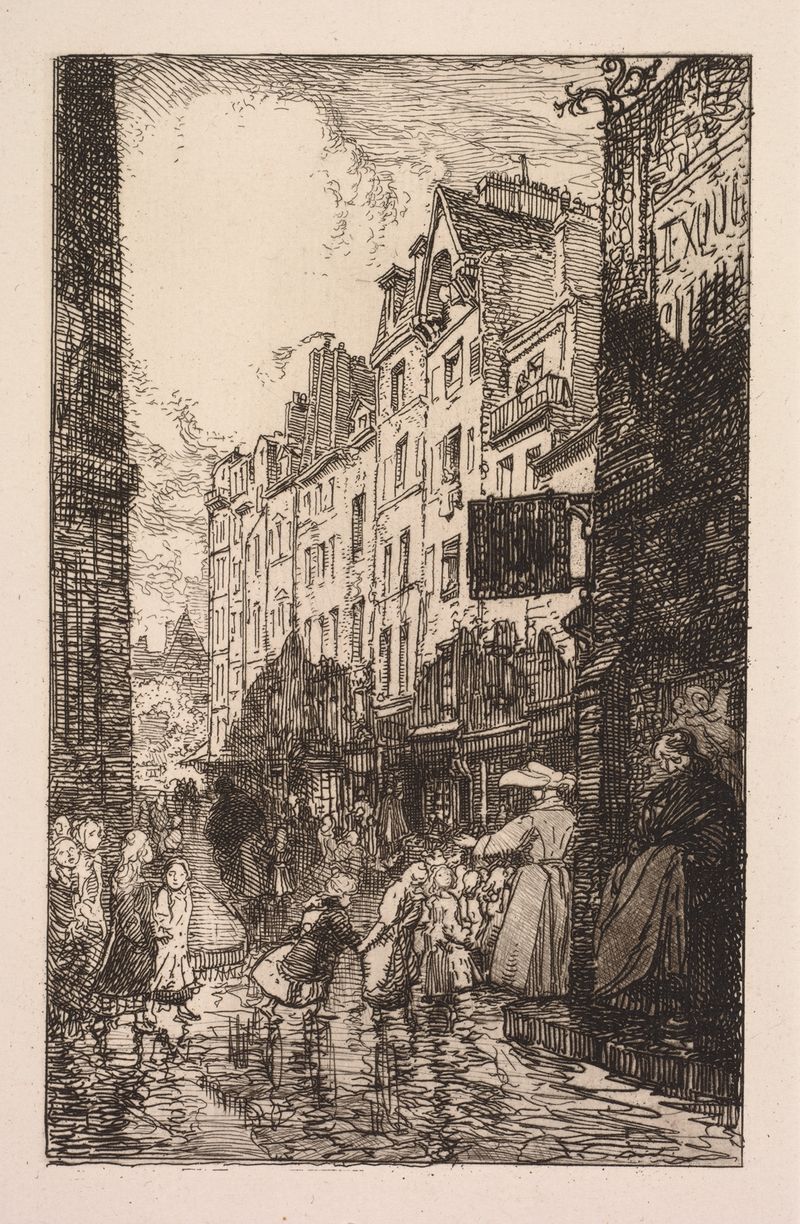
La Rue des Prêtres Saint-Séverin
Auguste Louis Lepère
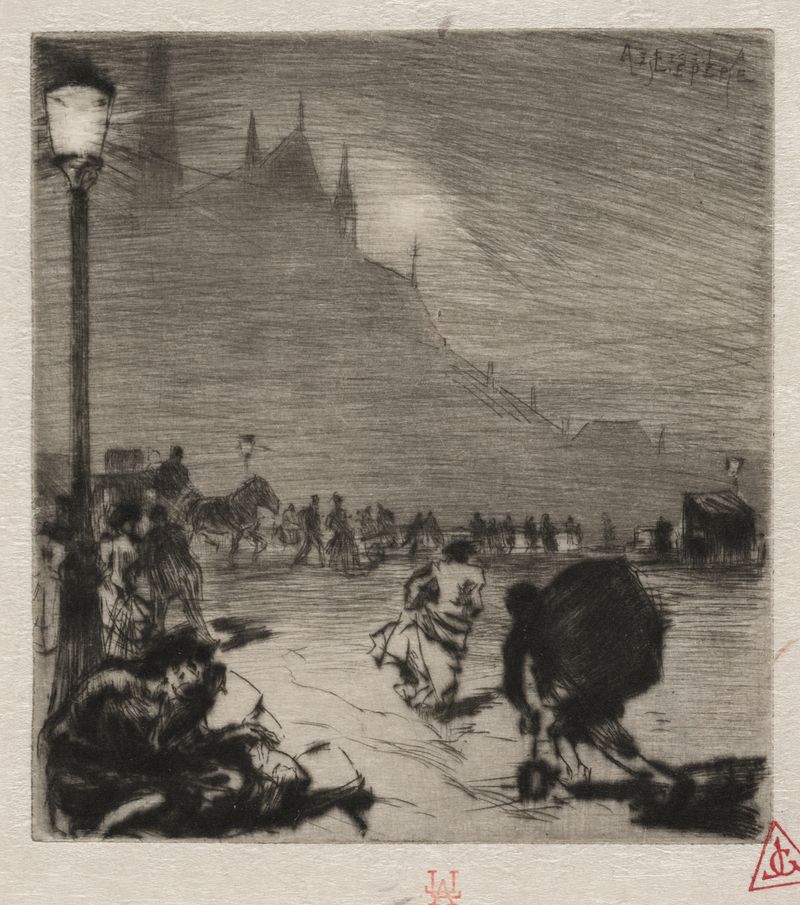
Au Coin du Pont-aux-Doubles
Auguste Louis Lepère
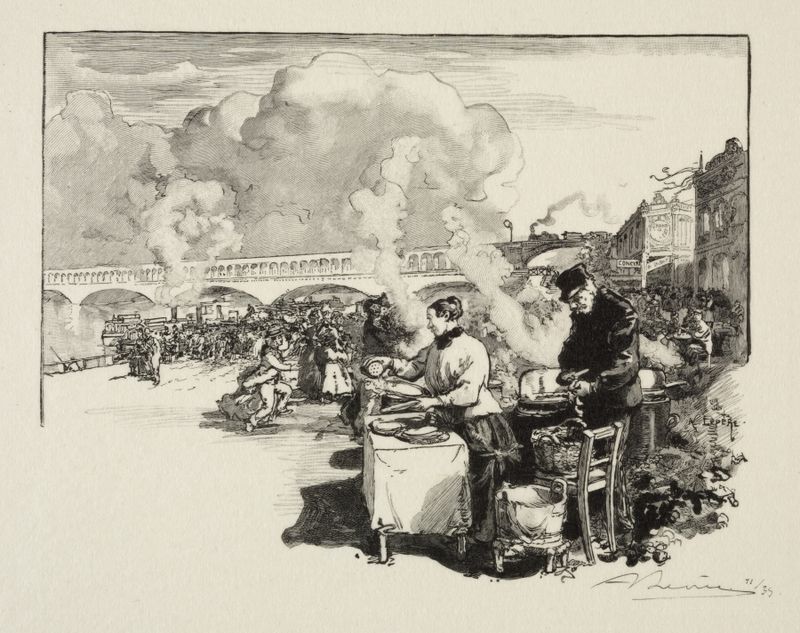
Debarcadère des bateaux-omnibus
Auguste Louis Lepère

La Seine, au quai de la Rapée
Auguste Louis Lepère
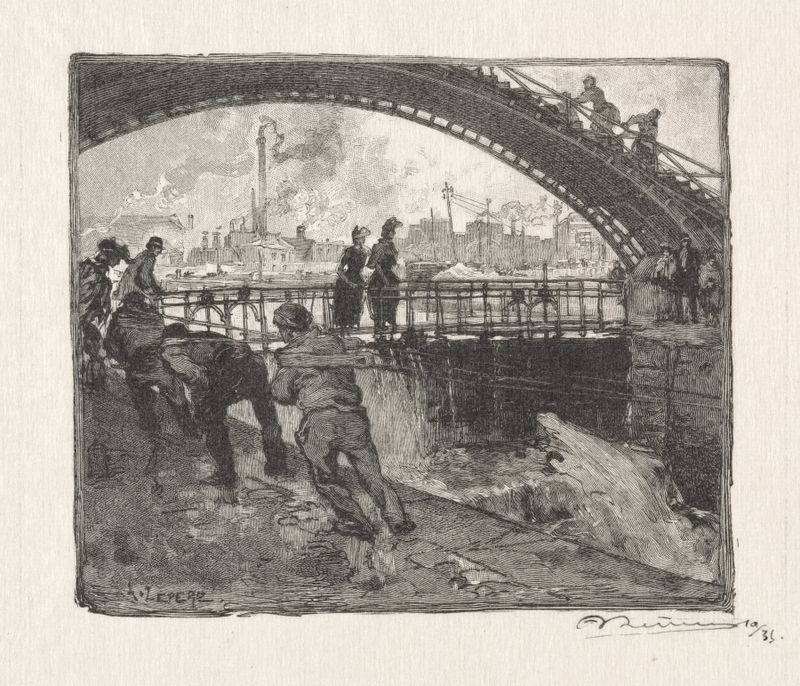
L’Ecluse du Canal St. Martin
Auguste Louis Lepère

Le Boulevard Montmartre, le Soir
Auguste Louis Lepère

Une Chasse au Mont Gérard
Auguste Louis Lepère
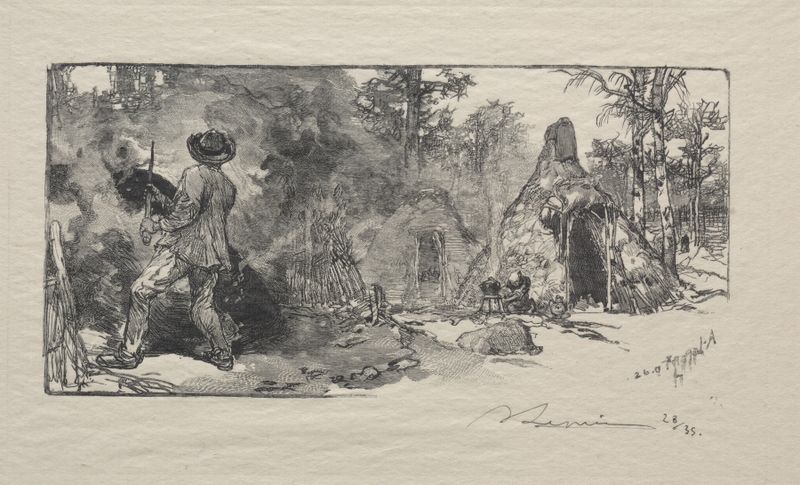
Les Charbonniere
Auguste Louis Lepère
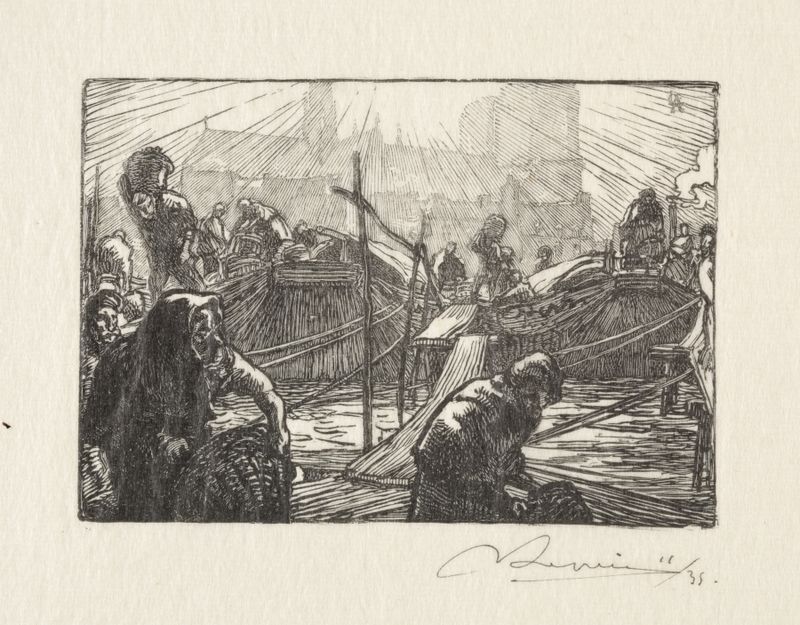
Notre Dame vue du Marché aux pommes
Auguste Louis Lepère

Le Palais des Arts Liberaux, Intèrieur
Auguste Louis Lepère





