
Arbres dans le jardin de l’asile — History & Facts
This sentiment echoes in the strokes of a master who turned his strife into a legacy of color and emotion. In Arbres dans le jardin de l’asile, the intertwining of nature and turmoil reveals the profound depths of the human experience, a testament to resilience amidst chaos. Look to the left where the vibrant greens of the trees burst forth against the contrasting backdrop of a cobalt sky. Notice how the dappled light plays over the leaves, each brushstroke alive with frenetic energy, drawing you into the very essence of the scene.
The swirling patterns and thick applications of paint create a tactile surface that invites exploration, while the composition, with its sharp angles and dynamic forms, mirrors the juxtaposition of calm and unrest inherent in the artist’s own psyche. As you delve deeper, consider how the gnarled branches reflect struggle and survival, evoking both beauty and sorrow. The bright yellows and lush greens, while vibrant, also seem to cloak an underlying tension, suggesting a complex relationship between nature and the turmoil of the mind. Each detail, from the gnarled roots to the textured sky, encapsulates the battle between hope and despair, compelling the viewer to confront their own perceptions of beauty. Painted during his stay at the asylum in Saint-Rémy-de-Provence in 1889, this work emerged from a tumultuous period in Vincent's life.
Struggling with mental health issues, he sought solace in the surrounding landscape, finding inspiration in the world outside his window. This phase marked a pivotal moment in his artistic journey, as he pushed the boundaries of impressionism towards a more expressive style, leaving a lasting impact on the art world.
More Artworks by Vincent van Gogh
Browse all →
Starry Night
Vincent van Gogh
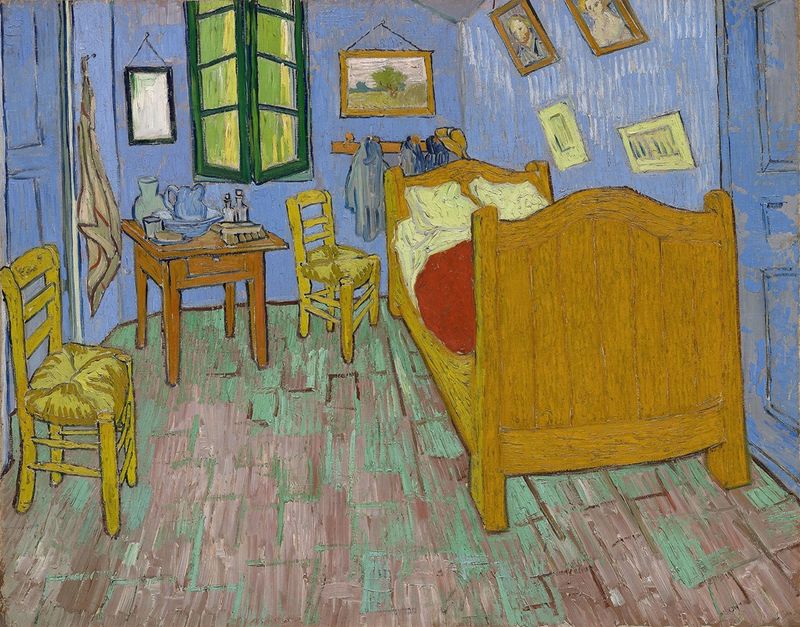
The Bedroom
Vincent van Gogh
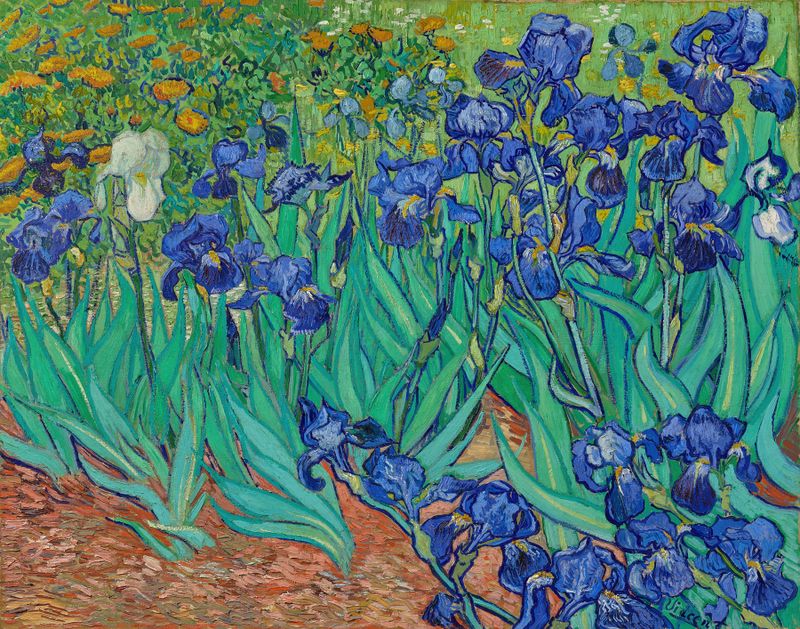
Irises
Vincent van Gogh
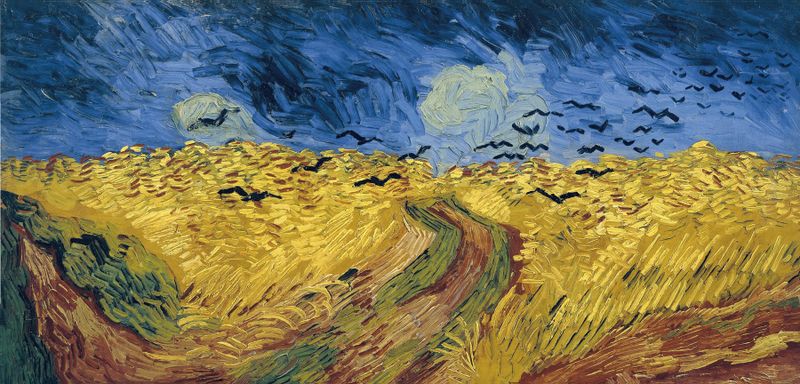
Wheatfield with Crows
Vincent van Gogh
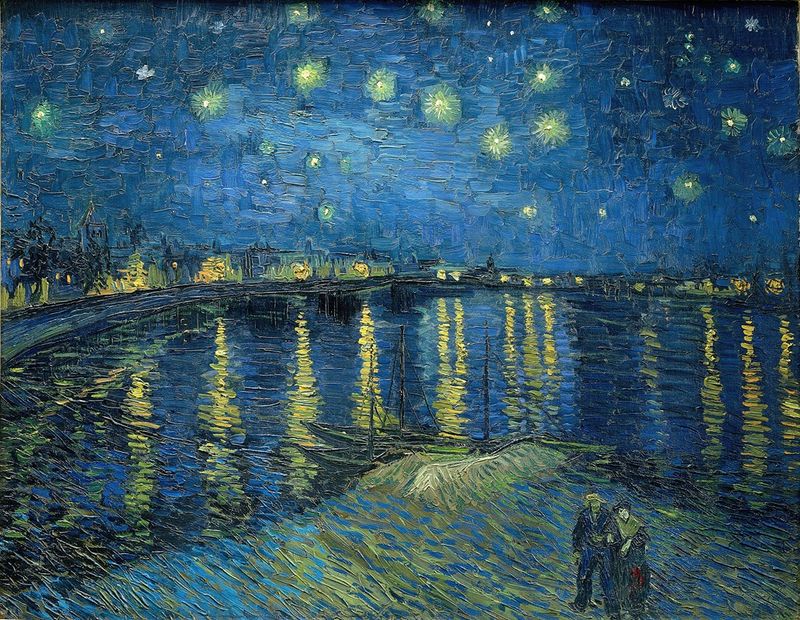
Starry Night over the Rhone
Vincent van Gogh

The yellow house
Vincent van Gogh
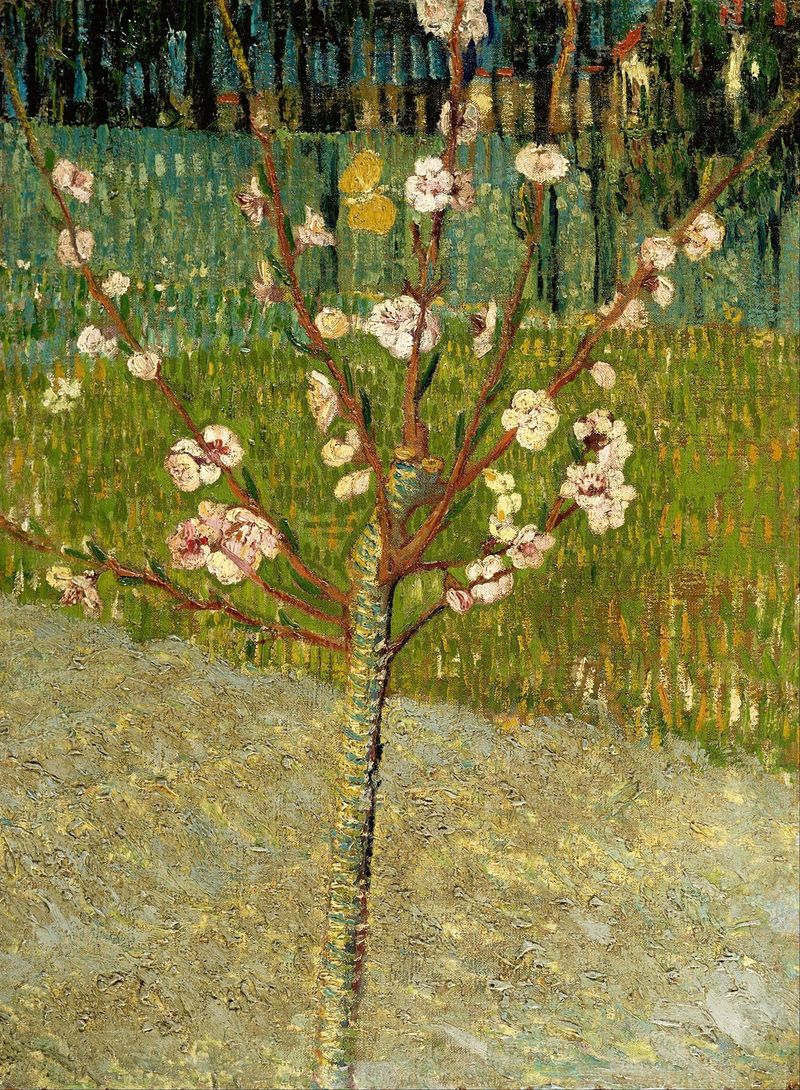
Almond tree in blossom
Vincent van Gogh

Portrait of Dr Gachet
Vincent van Gogh

The Church in Auvers-sur-Oise, View from the Chevet
Vincent van Gogh

Self-Portrait
Vincent van Gogh





