
Arcade of the Grand Trianon, Versailles — History & Facts
In the stillness of the Grand Trianon's arcade, whispers of hope linger, patiently woven into the fabric of elegant stone and shadow. Focus on the intricate archways that form a gentle embrace, drawing your gaze toward the interplay of light filtering through the columns. The soft hues of peach and cream breathe life into the luminescent marble, while dappled shadows dance across the floor, inviting you to step into this serene moment. Rich detailing exudes both grandeur and intimacy, revealing the artist’s meticulous hand with each brushstroke. Within this architectural beauty, contrasts emerge between shadow and light, stillness and history.
The arcade stands as a bridge between the past and an uncertain future, embodying the hope of renewal amidst the whispers of bygone stories. Each element — from the delicately rendered foliage to the weathering of stone — evokes a sense of quiet reflection, urging viewers to contemplate their own narratives woven into the tapestry of time. James Carroll Beckwith painted this scene in 1913 while in France, a period marked by an exploration of both Impressionism and the burgeoning modernist movement. Nestled in the aesthetic heart of Versailles, he sought to capture not just the physical beauty of architecture but also the emotional resonance of places steeped in history.
As Europe edged toward change and upheaval, this work stands as a testament to a moment of artistic introspection and timeless hope.
More Artworks by James Carroll Beckwith
Browse all →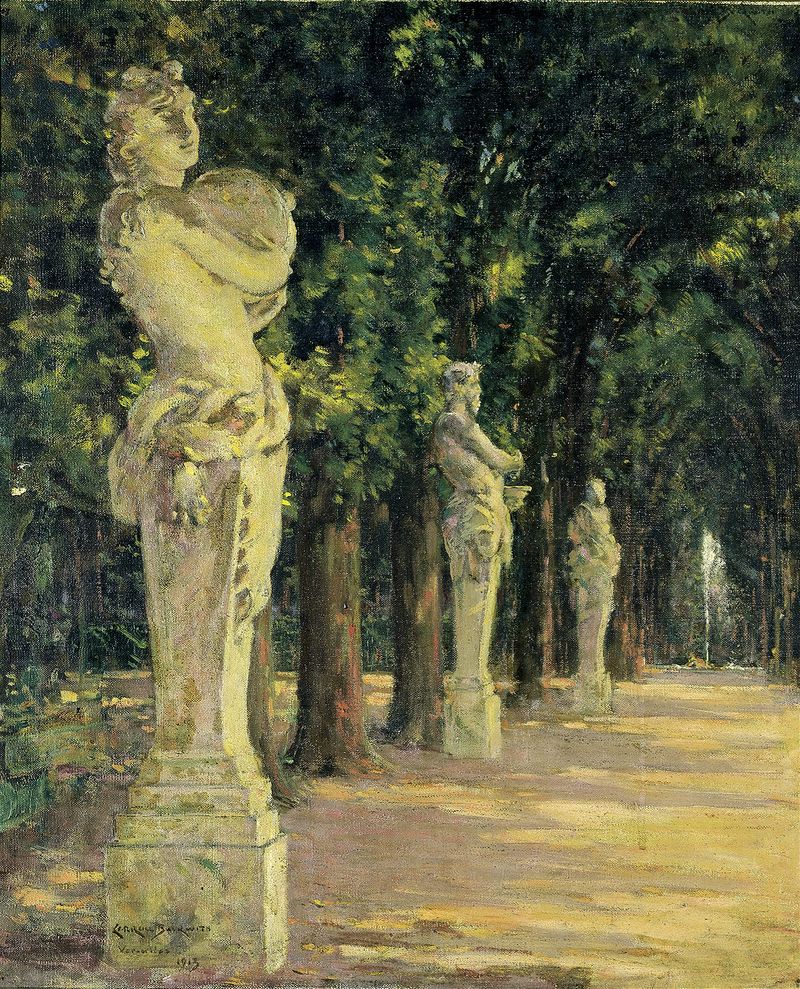
Allee de l’Ete, Versailles
James Carroll Beckwith

Carrefour at the End of the Tapis Vert, Versailles
James Carroll Beckwith

Bassin de Neptune, Versailles
James Carroll Beckwith

Nymph and Cupid
James Carroll Beckwith

George Martin Lane (1823-1897)
James Carroll Beckwith
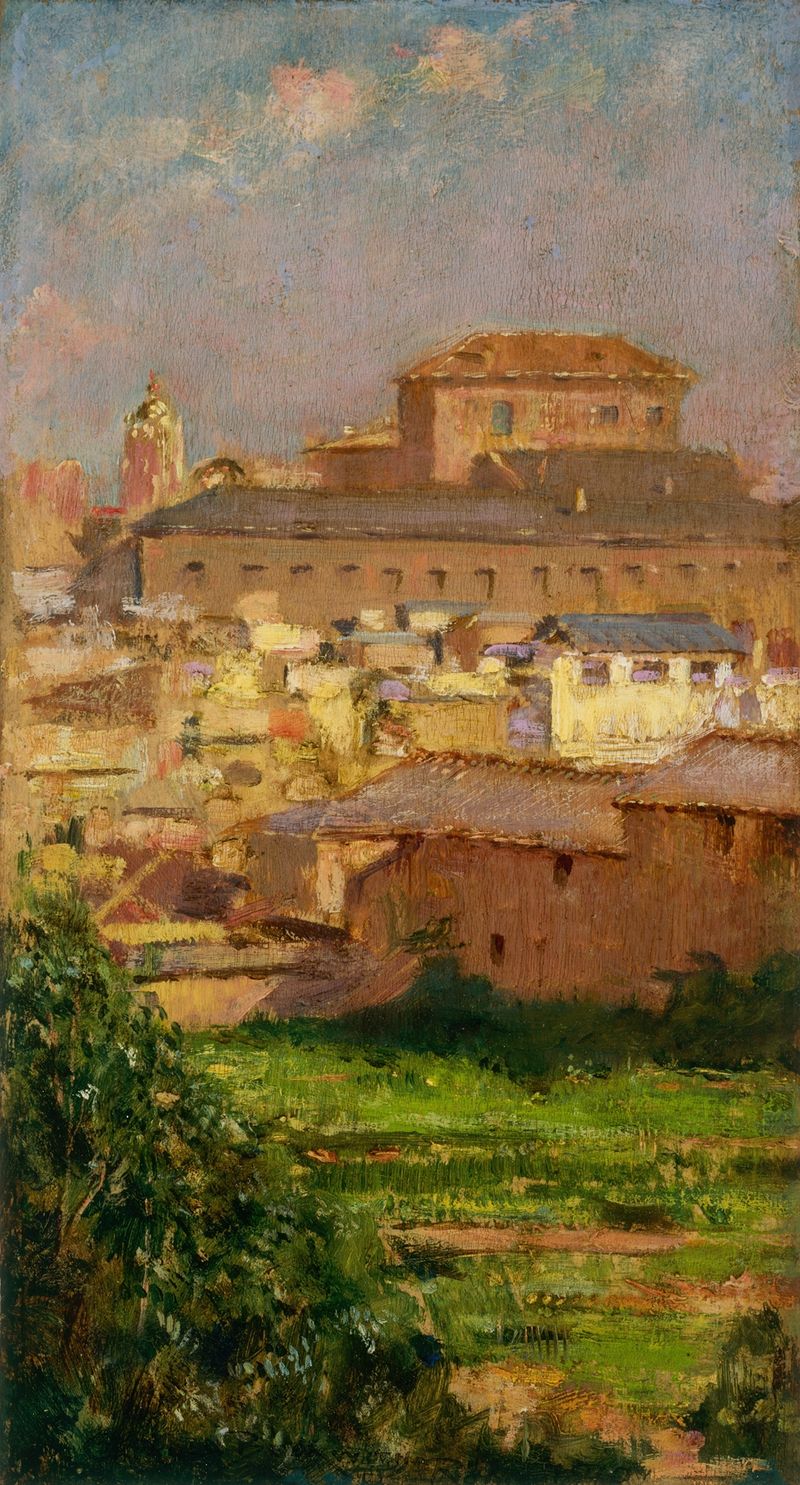
Palazzo Barberini, Rome
James Carroll Beckwith

Cathedral at le Puy
James Carroll Beckwith

The Palace of the Popes and Pont d’Avignon
James Carroll Beckwith
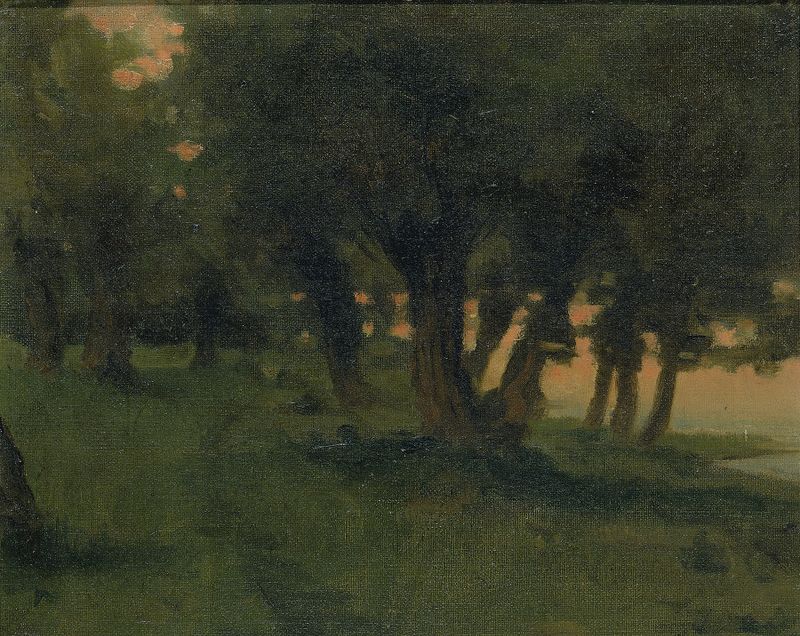
On the Banks of the Rhine, near St. Germain at Mont d’Or
James Carroll Beckwith
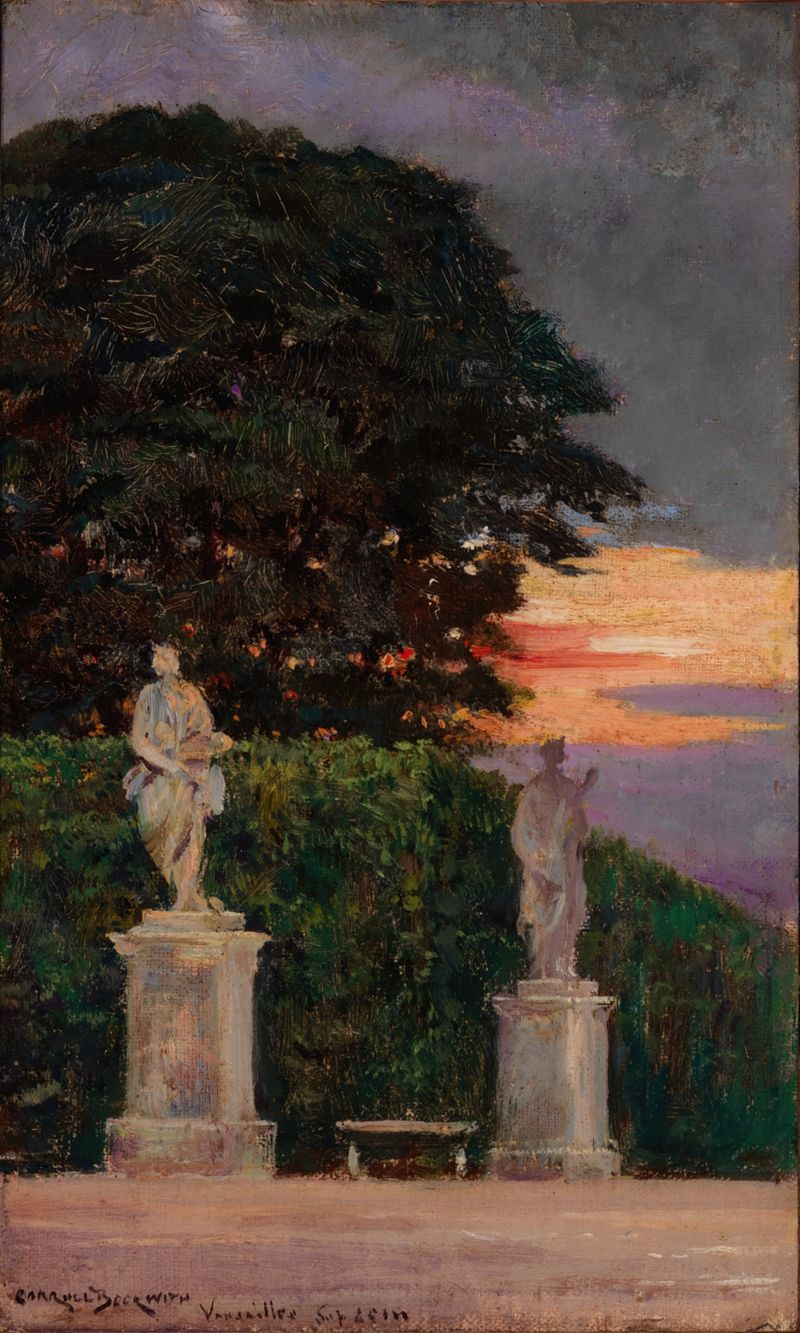
Corner of the Terrace, Versailles
James Carroll Beckwith
More Architecture Art
Browse all →
The statue of Liberty
Frédéric Auguste Bartholdi

View of Houses in Delft, Known as ‘The Little Street’
Johannes Vermeer

View of Houses in Delft, Known as ‘The Little Street’
Johannes Vermeer

The Cathedral in Rouen. The portal, Grey Weather
Claude Monet

The yellow house
Vincent van Gogh

The Church in Auvers-sur-Oise, View from the Chevet
Vincent van Gogh