
Bassin de Neptune, Versailles — History & Facts
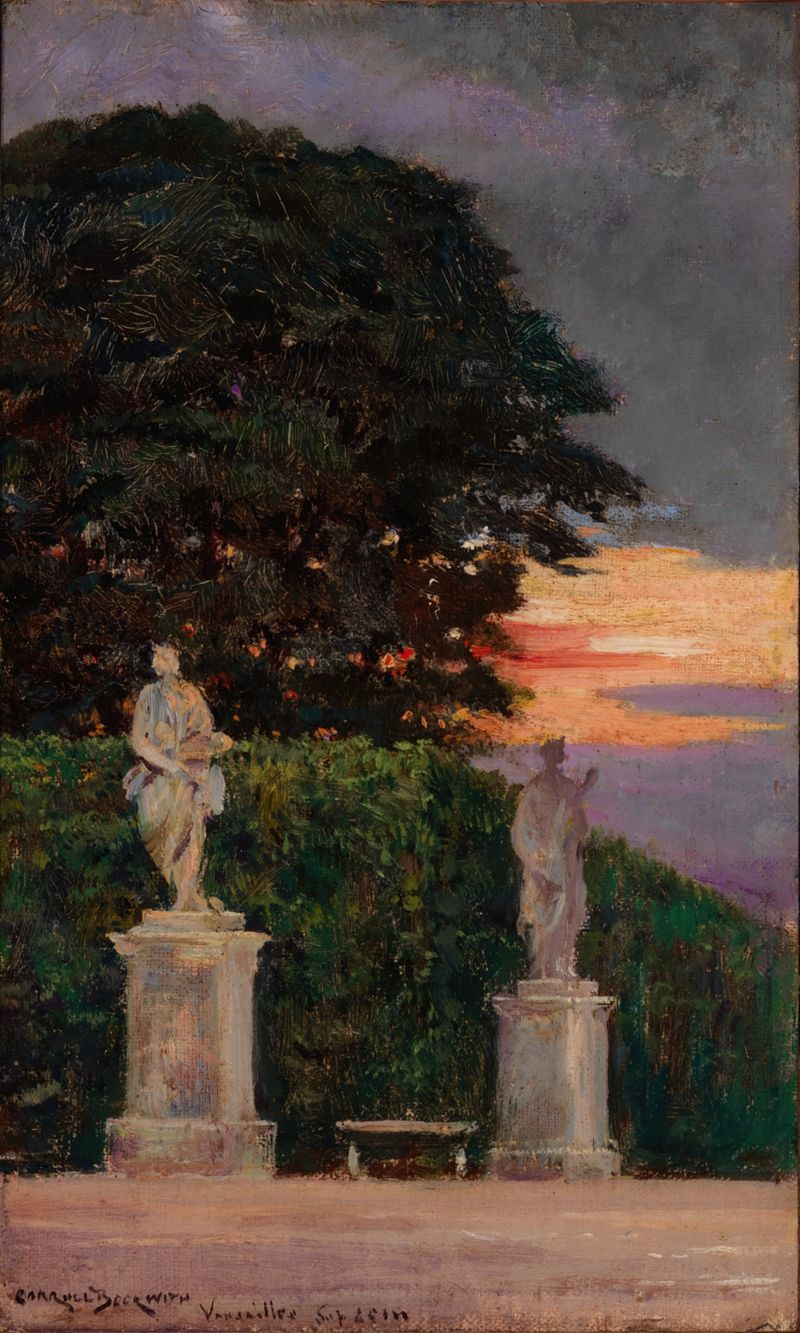
In the hush of a moment, Bassin de Neptune unveils a world where time stands still, urging us to confront the fragile nature of existence. Amidst the grandeur of Versailles, a tranquil pool reflects both beauty and the inevitability of mortality, inviting contemplation of what lies beneath the surface. Look to the shimmering water at the center; it draws the eye with its alluring surface mirroring the lush greenery and ornate architecture that surround it. Notice how the gentle ripples, created by the careful brushwork, evoke a sense of movement amidst the stillness.
The palette of soft greens and blues enhances the serenity, while the play of light dances on the water, casting intricate shadows that hint at deeper currents below. Beneath the aesthetic splendor, the painting captures the tension between grandeur and decay. The opulence of the garden hints at the fleeting nature of beauty, while the reflections in the water symbolize the ever-present shadow of time. Each element is meticulously crafted, yet there lies an underlying poignancy that suggests the transience of life and the inevitability of change. In 1913, the artist found himself at a crossroads, creating this work during a period of artistic exploration and personal reflection.
Living in the vibrant art scene of early 20th-century America, he was influenced by both his travels in Europe and the shifting tides of modernism. This painting marked a moment where he sought to blend traditional techniques with contemporary themes, capturing the essence of mortality amidst the timeless beauty of Versailles.
More Artworks by James Carroll Beckwith
Browse all →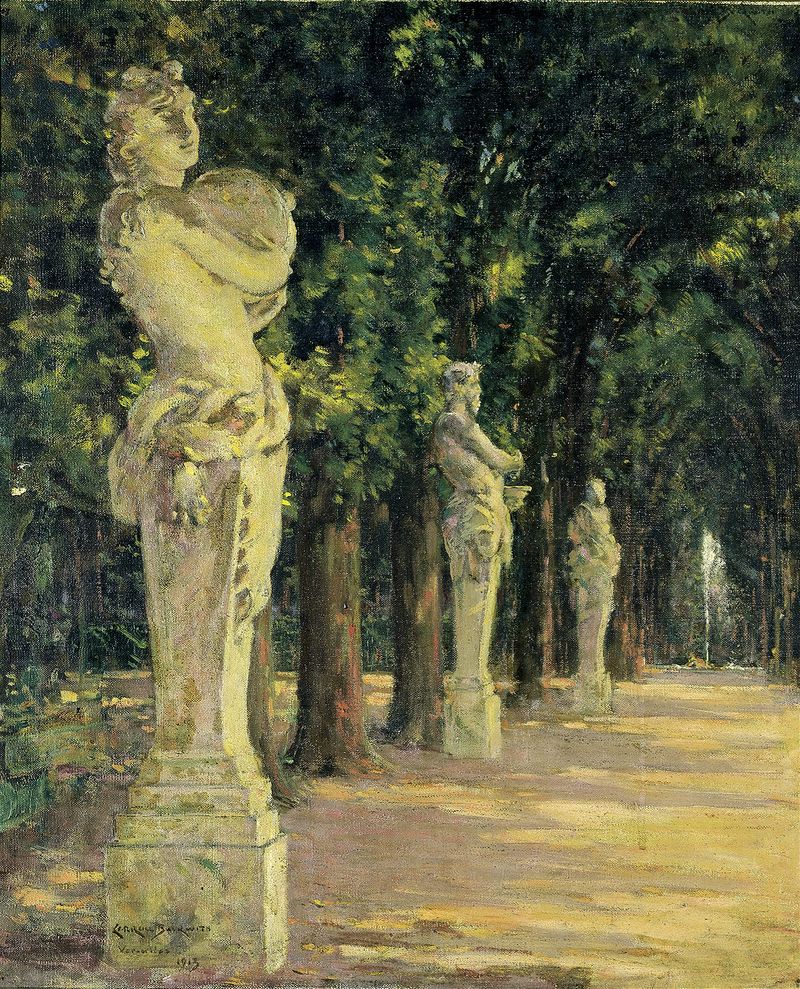
Allee de l’Ete, Versailles
James Carroll Beckwith

Carrefour at the End of the Tapis Vert, Versailles
James Carroll Beckwith

Nymph and Cupid
James Carroll Beckwith

George Martin Lane (1823-1897)
James Carroll Beckwith
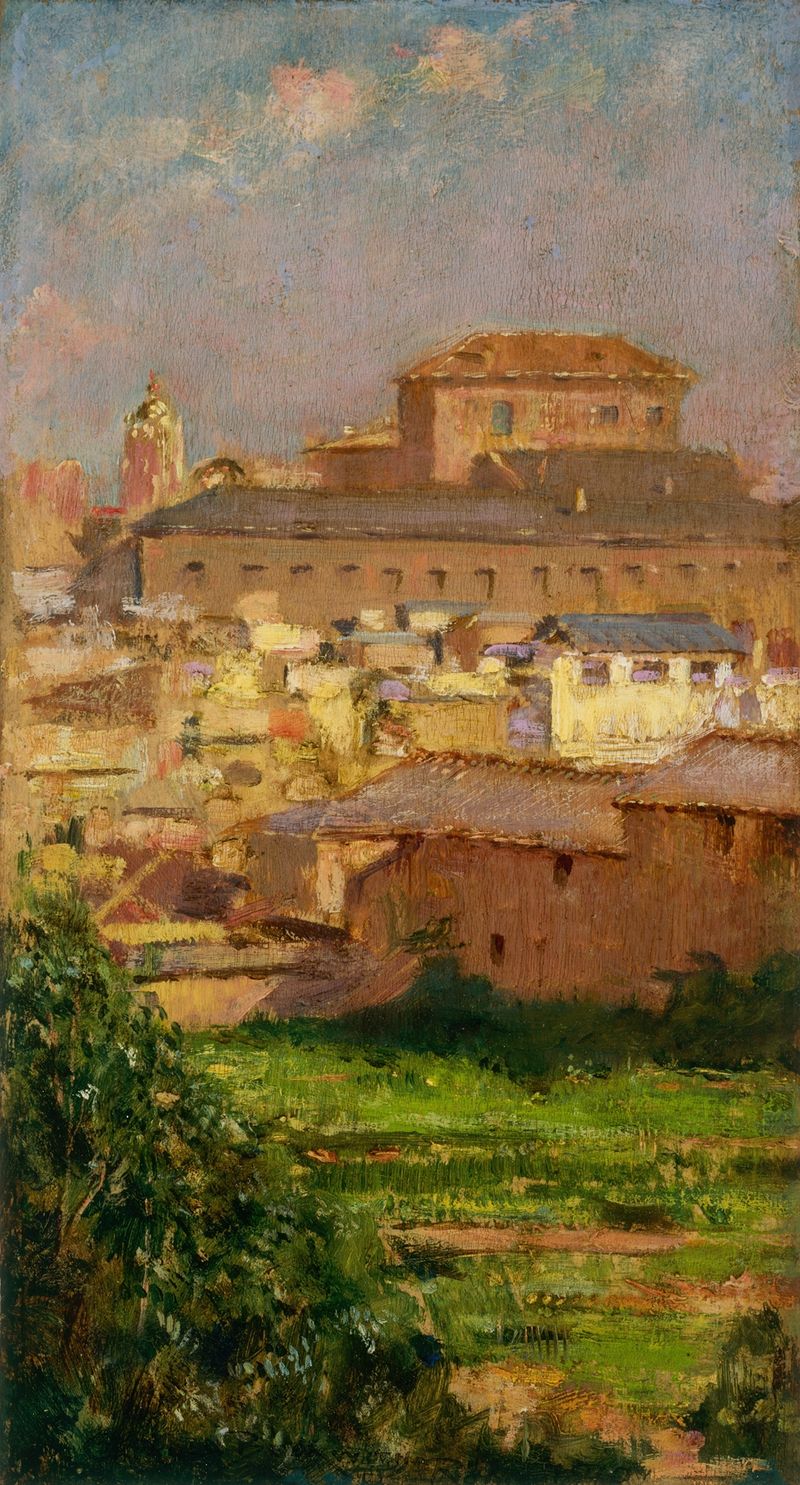
Palazzo Barberini, Rome
James Carroll Beckwith
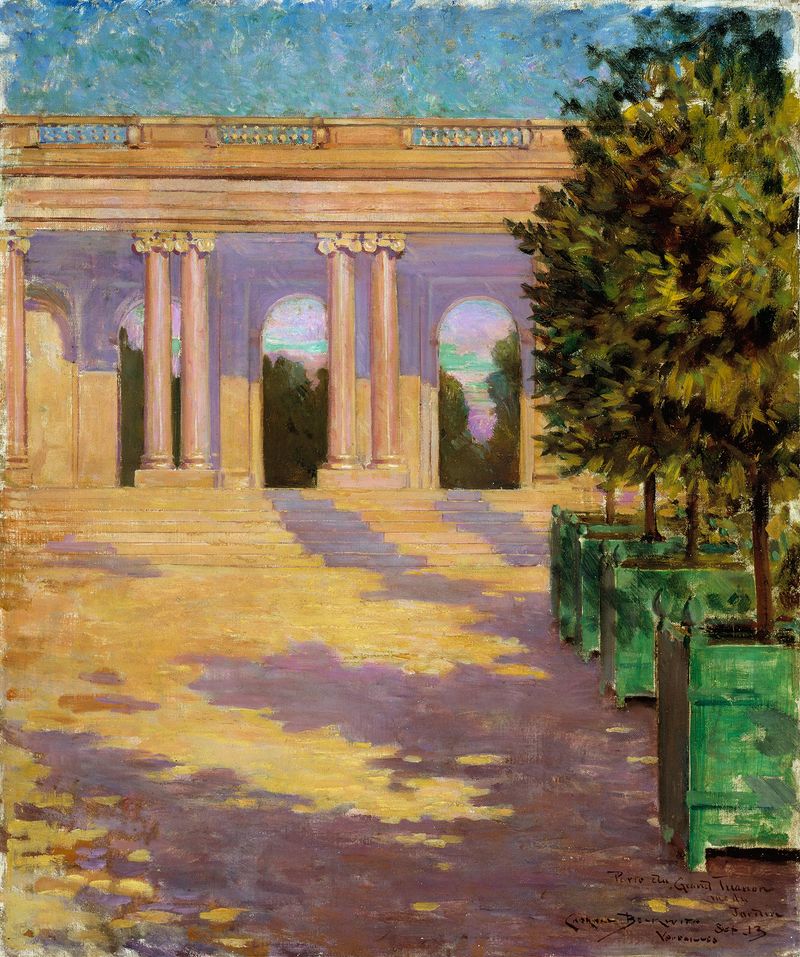
Arcade of the Grand Trianon, Versailles
James Carroll Beckwith

Cathedral at le Puy
James Carroll Beckwith

The Palace of the Popes and Pont d’Avignon
James Carroll Beckwith
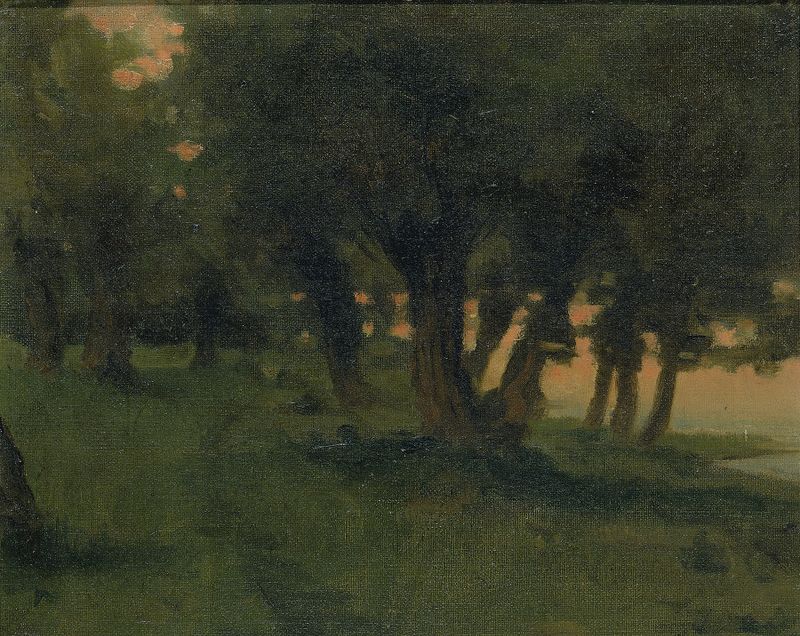
On the Banks of the Rhine, near St. Germain at Mont d’Or
James Carroll Beckwith
Corner of the Terrace, Versailles
James Carroll Beckwith





