
Carrefour at the End of the Tapis Vert, Versailles — History & Facts
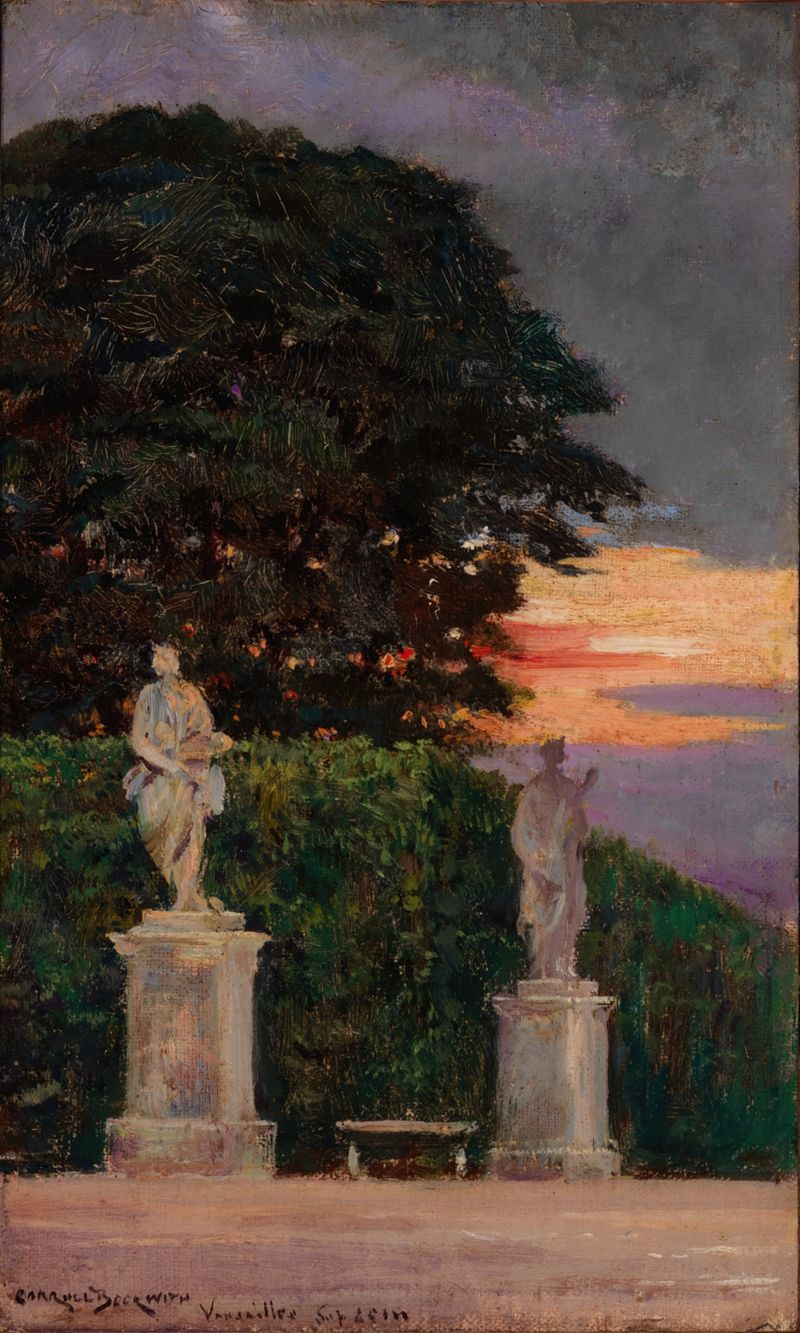
Art reveals the soul when the world turns away. It captures fleeting moments of beauty, inviting our gaze to linger where life stirs beneath the surface. Each brushstroke speaks of transcendence, urging us to find meaning in the ordinary. Look to the left at the vibrant greens swirling in the foliage, a lush tapestry that draws the eye through the tranquil scene.
The elegant figures, poised along the path, evoke a gentle rhythm, their soft pastels contrasting against the dark, rich hues of the trees. Beckwith's brushwork carries an impressionistic quality, allowing glimpses of light to dance across the canvas, illuminating the joyful camaraderie of the moment. Notice how the sun filters through leaves, casting playful patterns on the ground, orchestrating a harmony between nature and humanity. Beneath the surface, the scene resonates with echoes of connection and solitude.
The stillness of this gathering hints at deeper narratives—the fleeting nature of relationships against the backdrop of life’s grandeur. The juxtaposition of light and shadow serves as a metaphor for the complexities of existence, where joy often intertwines with introspection, inviting the viewer to reflect on their own experiences. In 1913, Beckwith painted this work in a period marked by evolving artistic styles and societal change. He was immersed in the vibrant art scene of Paris, influenced by the Impressionists who sought to capture the essence of modern life.
Amidst a world on the cusp of upheaval, his focus on serene moments in everyday life offered a respite, showcasing an enduring pursuit of beauty even as the world began to shift.
More Artworks by James Carroll Beckwith
Browse all →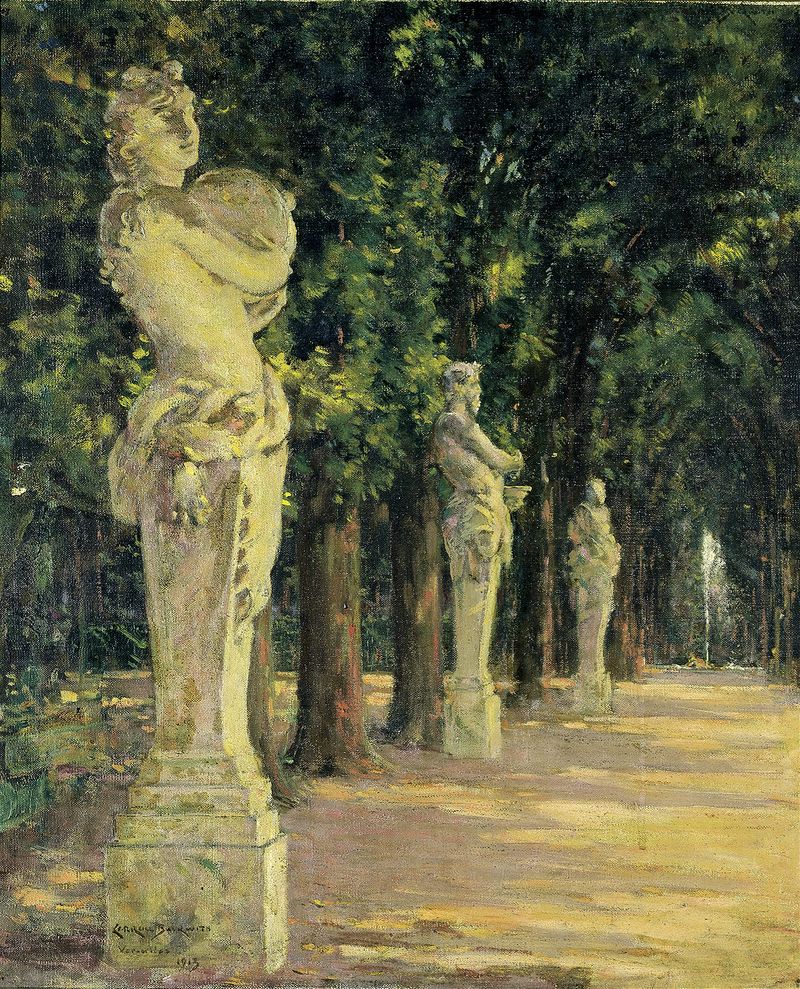
Allee de l’Ete, Versailles
James Carroll Beckwith

Bassin de Neptune, Versailles
James Carroll Beckwith

Nymph and Cupid
James Carroll Beckwith

George Martin Lane (1823-1897)
James Carroll Beckwith
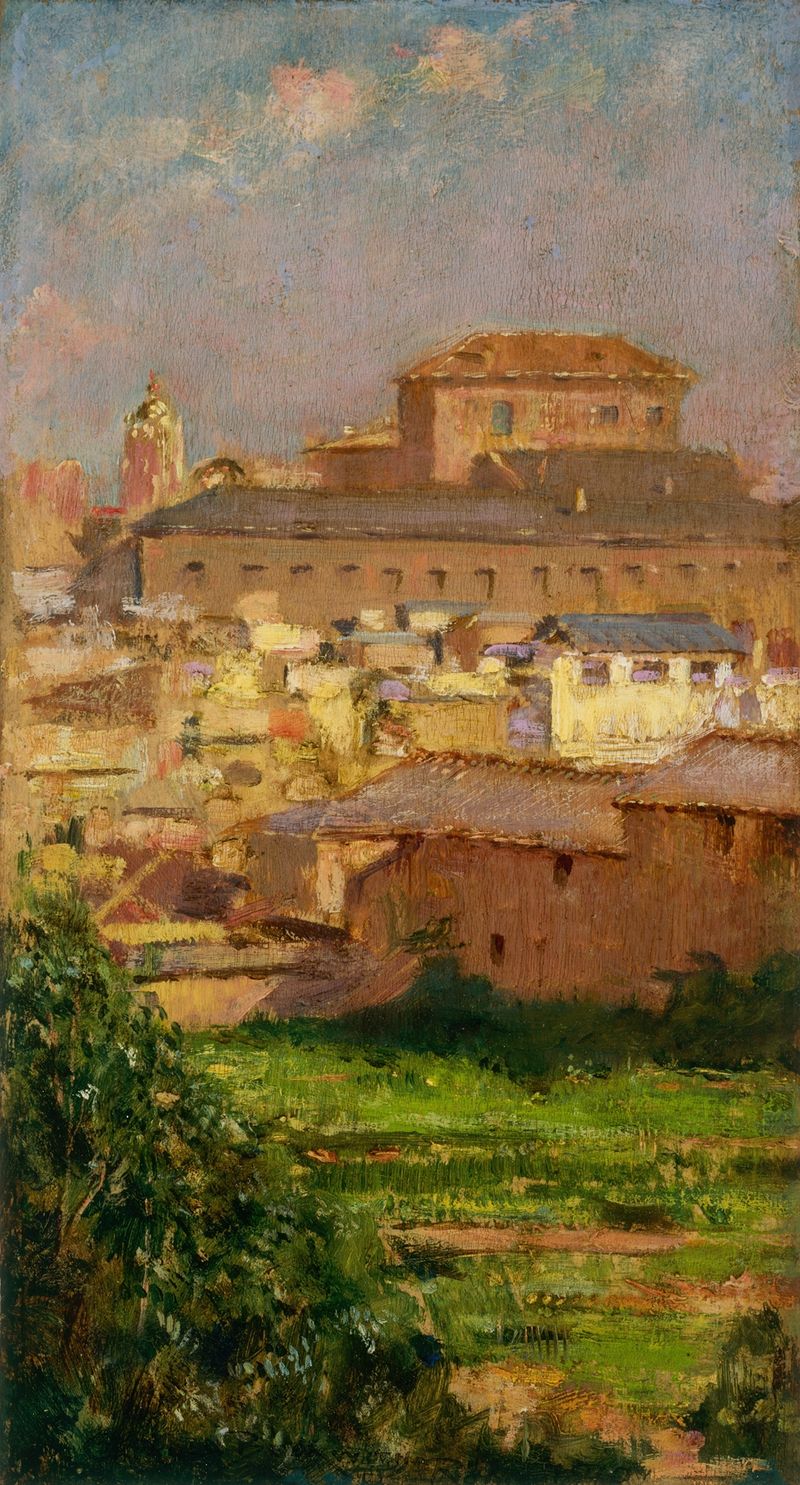
Palazzo Barberini, Rome
James Carroll Beckwith
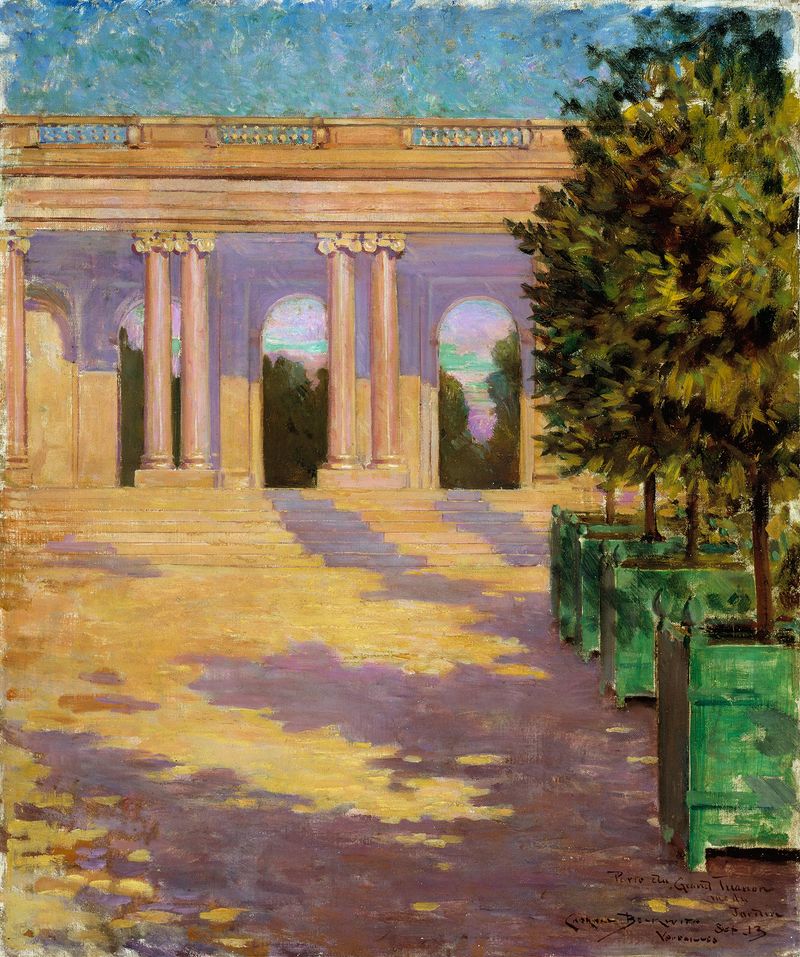
Arcade of the Grand Trianon, Versailles
James Carroll Beckwith

Cathedral at le Puy
James Carroll Beckwith

The Palace of the Popes and Pont d’Avignon
James Carroll Beckwith
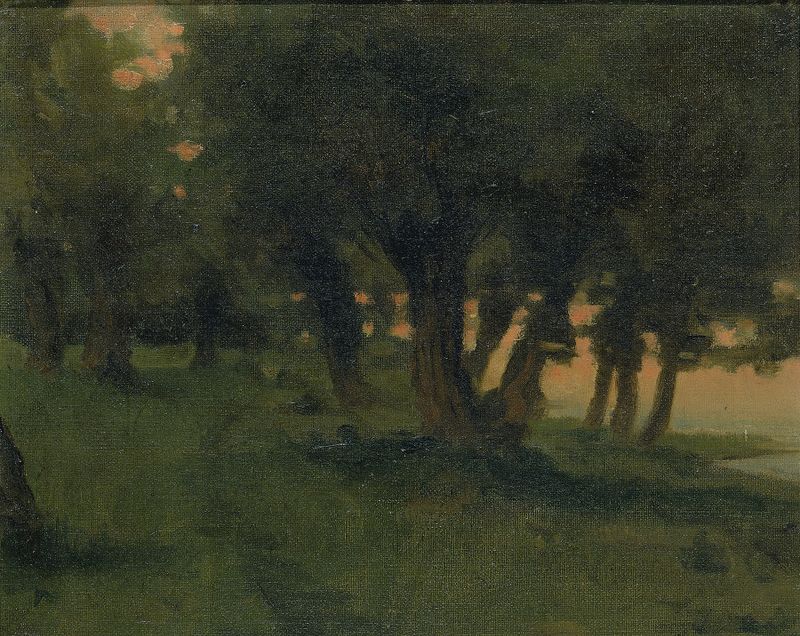
On the Banks of the Rhine, near St. Germain at Mont d’Or
James Carroll Beckwith
Corner of the Terrace, Versailles
James Carroll Beckwith





