
The Palace of the Popes and Pont d’Avignon — History & Facts
In the realm of dreams, the essence of history dances lightly, echoing through the textured layers of paint. Look to the center, where the majestic Palace of the Popes rises, its imposing architecture bathed in warm hues of amber and ochre. The soft morning light caresses the surface, illuminating the intricate details of the stonework while casting gentle shadows that speak of time's passage. Notice how the river meanders at the bottom, its calm waters reflecting not only the buildings above but also the tranquil atmosphere that envelops the scene, inviting contemplation. Amidst the serene backdrop, hints of life emerge in the form of figures that populate the foreground.
Their smallness against the grand edifice evokes a sense of solitude and introspection, suggesting the weight of history that rests upon the viewer. The juxtaposition of the vibrant colors of the buildings with the muted tones of the landscape speaks to the transient nature of existence—where the past, though monumental, is gradually softened by time and memory. In 1911, when this piece was created, the artist was immersed in the vibrant art scene of America, influenced by the growing appreciation for Impressionism and the explorations of light and color. Beckwith, who spent significant time in Europe, was keenly aware of the historical narratives embedded in the places he painted, particularly in France.
This work reflects not only his technical mastery but also a moment of personal resonance as he grappled with the ideals of beauty and the fleeting nature of life.
More Artworks by James Carroll Beckwith
Browse all →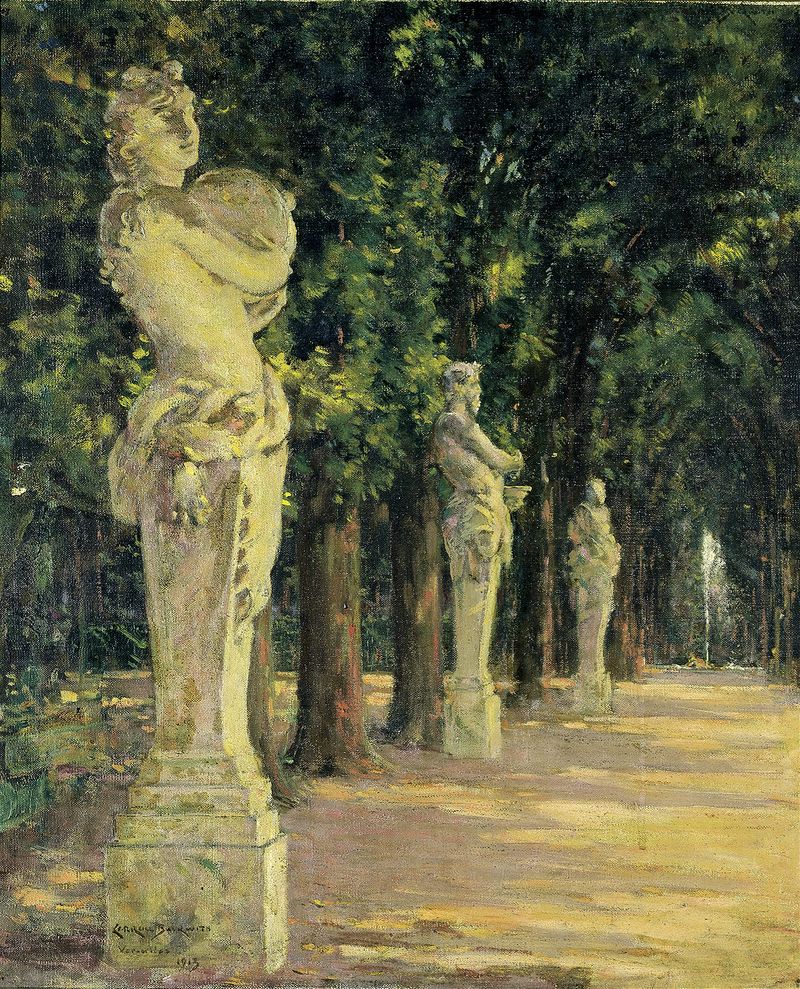
Allee de l’Ete, Versailles
James Carroll Beckwith

Carrefour at the End of the Tapis Vert, Versailles
James Carroll Beckwith

Bassin de Neptune, Versailles
James Carroll Beckwith

Nymph and Cupid
James Carroll Beckwith

George Martin Lane (1823-1897)
James Carroll Beckwith
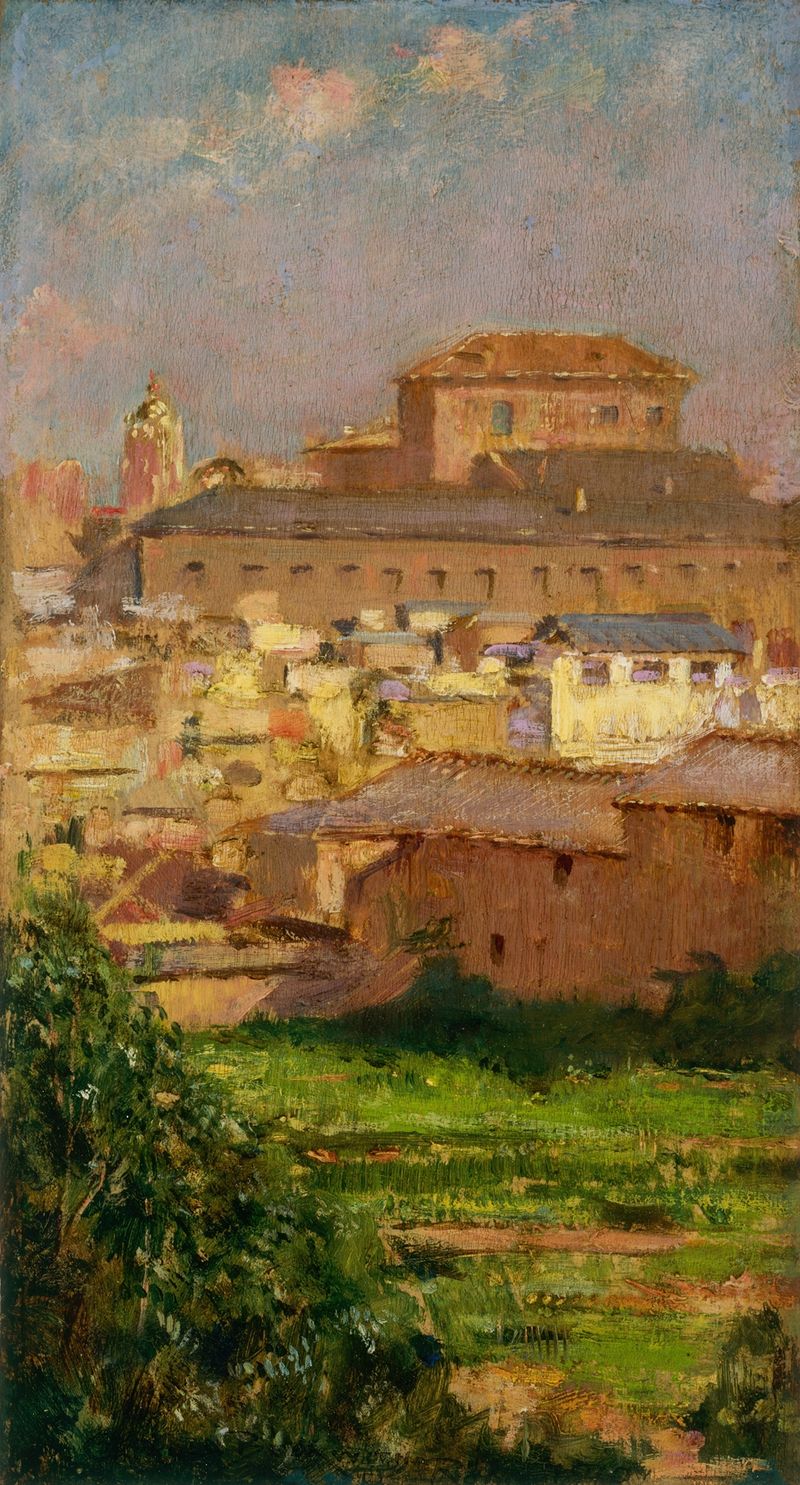
Palazzo Barberini, Rome
James Carroll Beckwith
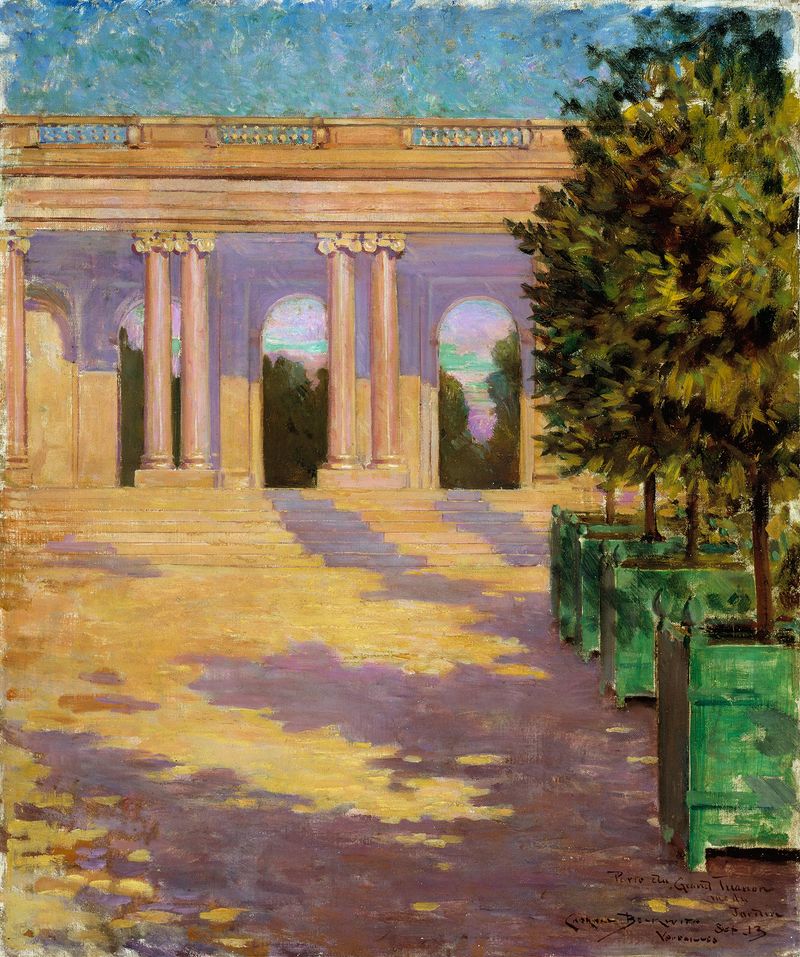
Arcade of the Grand Trianon, Versailles
James Carroll Beckwith

Cathedral at le Puy
James Carroll Beckwith
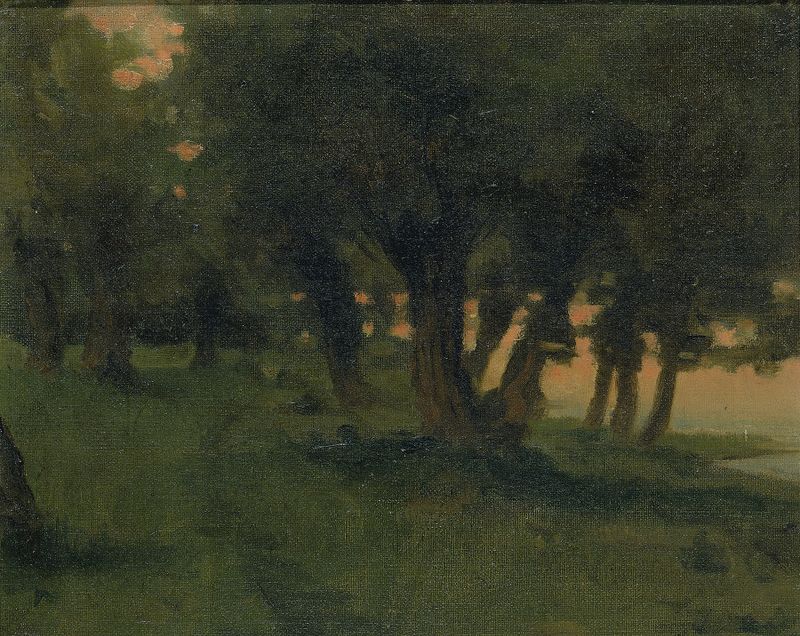
On the Banks of the Rhine, near St. Germain at Mont d’Or
James Carroll Beckwith
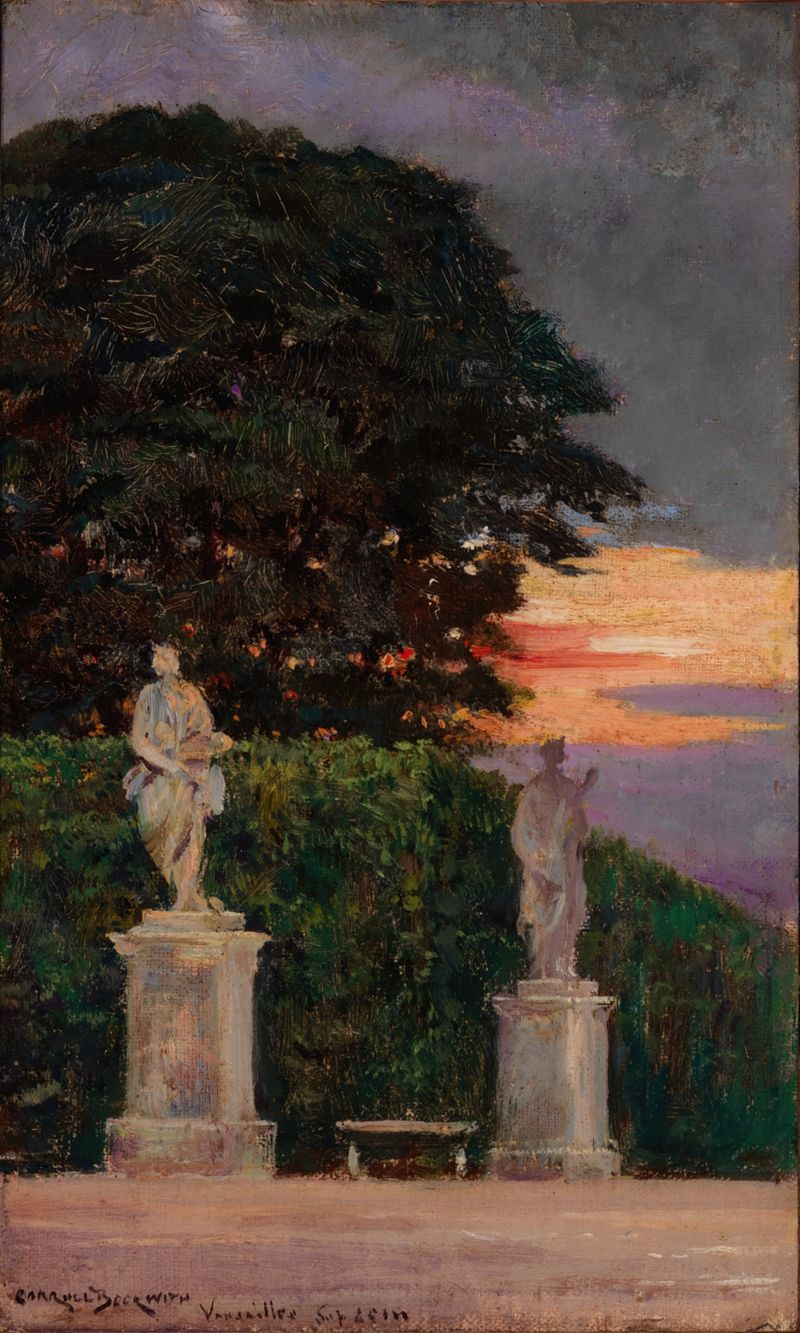
Corner of the Terrace, Versailles
James Carroll Beckwith
More Architecture Art
Browse all →
The statue of Liberty
Frédéric Auguste Bartholdi

View of Houses in Delft, Known as ‘The Little Street’
Johannes Vermeer

View of Houses in Delft, Known as ‘The Little Street’
Johannes Vermeer

The Cathedral in Rouen. The portal, Grey Weather
Claude Monet

The yellow house
Vincent van Gogh

The Church in Auvers-sur-Oise, View from the Chevet
Vincent van Gogh