
Cathedral at le Puy — History & Facts
In the hushed recesses of the mind, emptiness often breathes as deeply as existence itself, echoing with the whispers of ages. Focus on the serene interplay of light and shadow within the cathedral's vast stone arches. Notice how the gentle wash of muted grays and blues envelops the structure, creating a sense of solemnity that invites contemplation. The artist’s brushwork captures intricate details, from the ornate carvings to the delicate play of sunlight filtering through stained glass, illuminating fragments of history woven into the fabric of the stone. The juxtaposition of grandeur and isolation becomes evident as you explore the empty space around the cathedral.
Each arch seems to reach out, longing for connection, while the absence of figures amplifies a haunting solitude. This tension between the monumental and the void speaks to the spiritual resonance of the building itself, suggesting that in its stillness lies a profound narrative of human aspiration and yearning. In 1911, during a period marked by rapid change in both society and art, the artist found refuge in the timelessness of architecture. Beckwith was exploring themes of memory and shadow in his work, drawing from both personal experiences and the shifting artistic landscape around him.
As the world outside buzzed with modernity, he turned to the enduring silence of structures like the Cathedral at le Puy, capturing its essence with a painter’s eye for beauty and reflection.
More Artworks by James Carroll Beckwith
Browse all →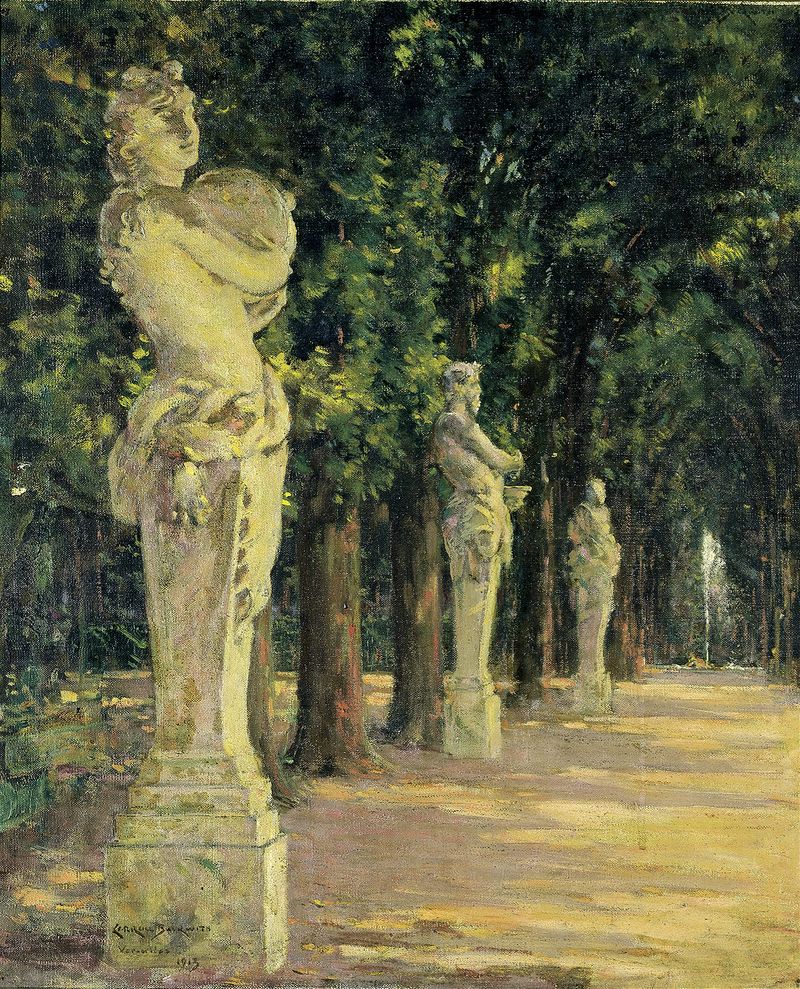
Allee de l’Ete, Versailles
James Carroll Beckwith

Carrefour at the End of the Tapis Vert, Versailles
James Carroll Beckwith

Bassin de Neptune, Versailles
James Carroll Beckwith

Nymph and Cupid
James Carroll Beckwith

George Martin Lane (1823-1897)
James Carroll Beckwith
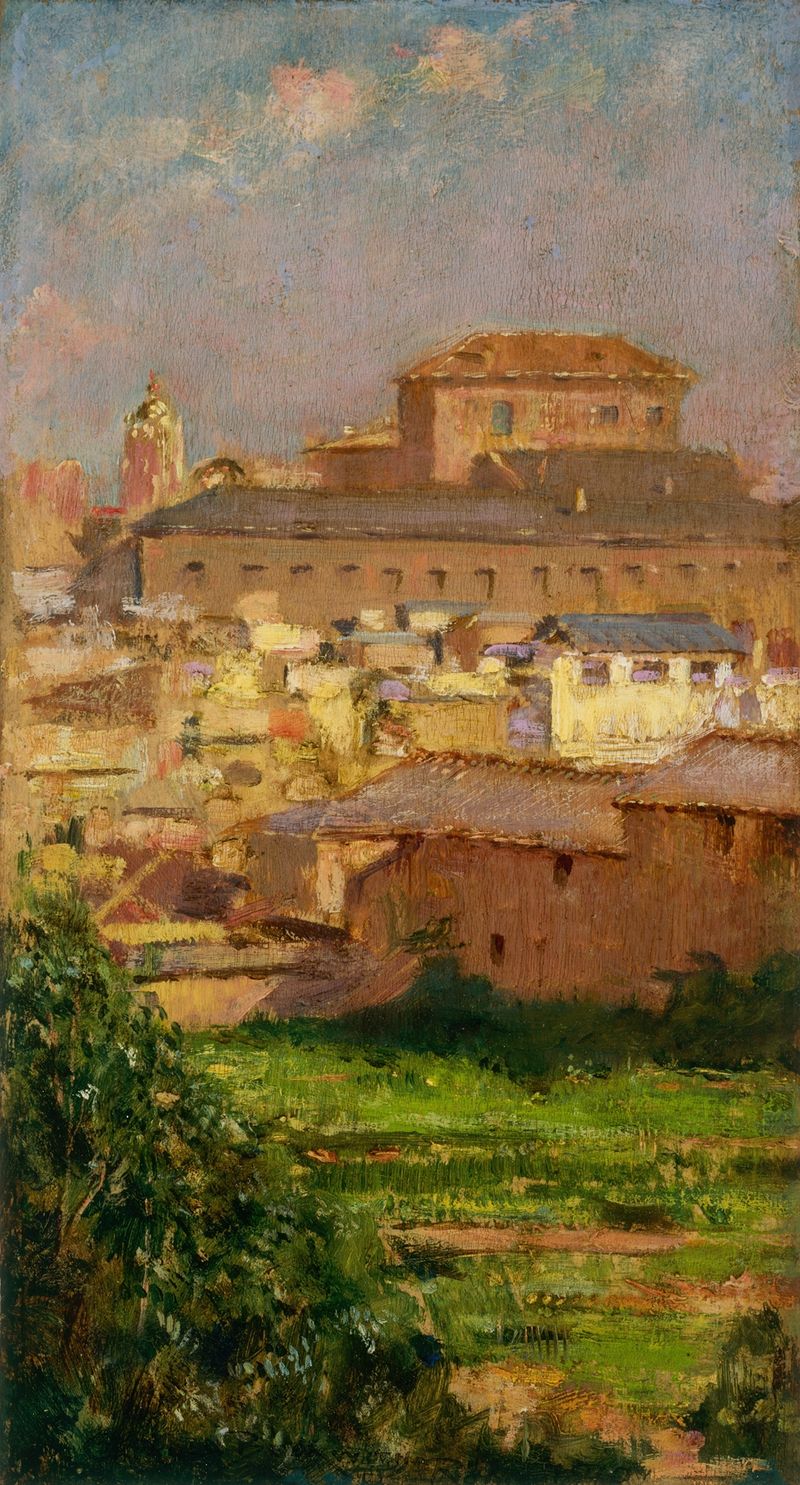
Palazzo Barberini, Rome
James Carroll Beckwith
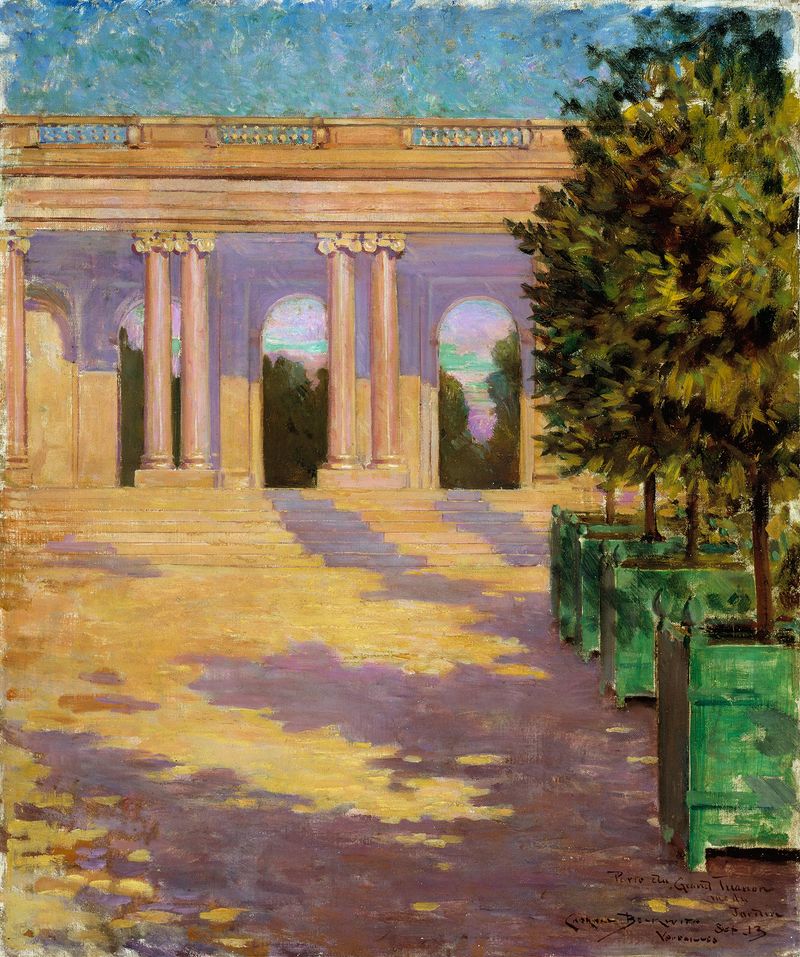
Arcade of the Grand Trianon, Versailles
James Carroll Beckwith

The Palace of the Popes and Pont d’Avignon
James Carroll Beckwith
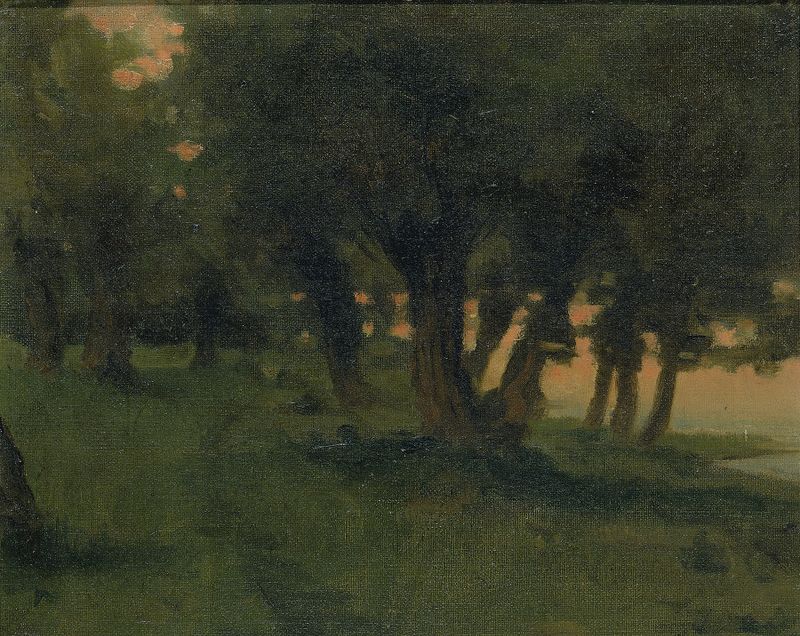
On the Banks of the Rhine, near St. Germain at Mont d’Or
James Carroll Beckwith
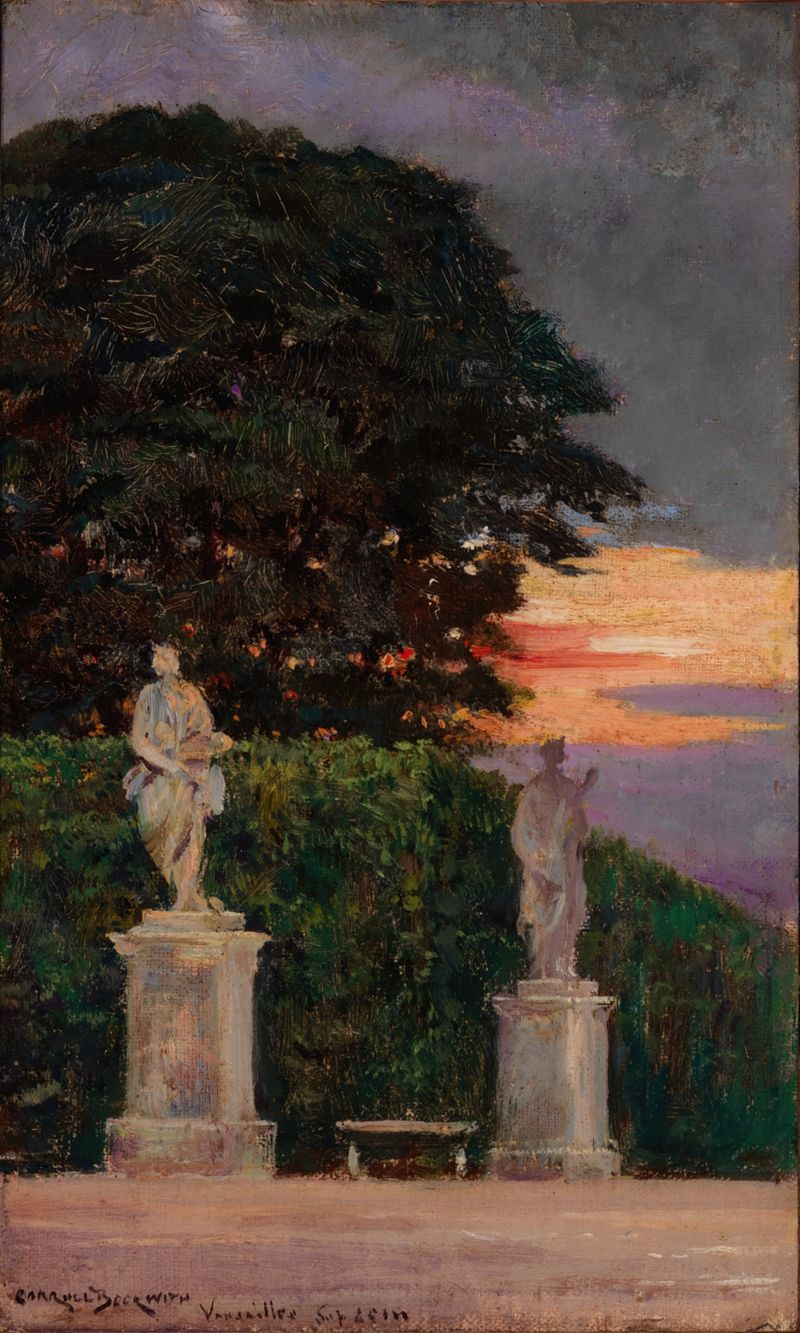
Corner of the Terrace, Versailles
James Carroll Beckwith
More Architecture Art
Browse all →
The statue of Liberty
Frédéric Auguste Bartholdi

View of Houses in Delft, Known as ‘The Little Street’
Johannes Vermeer

View of Houses in Delft, Known as ‘The Little Street’
Johannes Vermeer

The Cathedral in Rouen. The portal, Grey Weather
Claude Monet

The yellow house
Vincent van Gogh

The Church in Auvers-sur-Oise, View from the Chevet
Vincent van Gogh