
Arch of Janus, after Piranesi — History & Facts
In the echo of ancient grandeur and human endeavor, Thomas Girtin captures the awe-inspiring remnants of time in Arch of Janus, after Piranesi. The painting invites us to reflect on the weight of history, urging us to look beyond mere ruins and toward the stories they tell. Begin your exploration by focusing on the arch’s magnificent structure, which dominates the canvas with its bold, imposing lines. Notice how light dances across the textured stone, illuminating the details of its weathered façade.
The rich, earthy palette of ochres and deep blues draws the viewer’s eye, imbuing the scene with a somber yet majestic atmosphere. Girtin’s loose, expressive brushwork juxtaposes precision with spontaneity, evoking a sense of both fragility and permanence in this architectural relic. Within this artwork lies a poignant commentary on the passage of time and the human condition. The arch stands as a testament to resilience, yet its dilapidated state suggests decay and the inevitability of change.
The interplay of light and shadow reveals hidden depths, inviting contemplation of what once was and what remains. Girtin’s choice to set this structure against a backdrop of moody skies further enhances the emotional tension, evoking a sense of melancholy within the grandeur. Creating Arch of Janus, after Piranesi between 1798 and 1799, Girtin was immersed in a period of artistic transition. He was influenced by the picturesque movement sweeping through England, seeking to capture not just the physical form but the essence of places.
At the same time, Europe was grappling with the aftershocks of revolutionary change, a reflection of which resonates through the ruins that pepper his work. This painting serves as both homage and exploration, encapsulating a moment where history and art intersect.
More Artworks by Thomas Girtin
Browse all →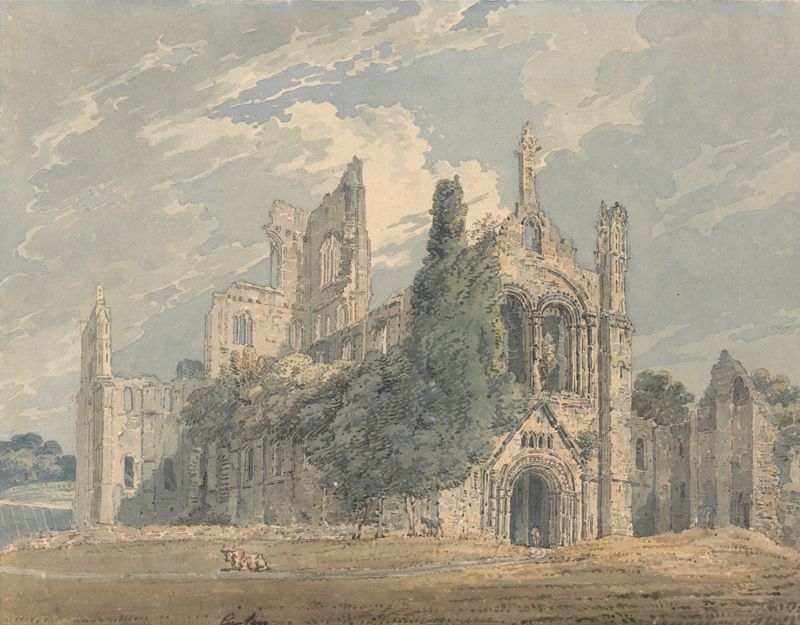
Kirkstall Abbey from the N.W.
Thomas Girtin
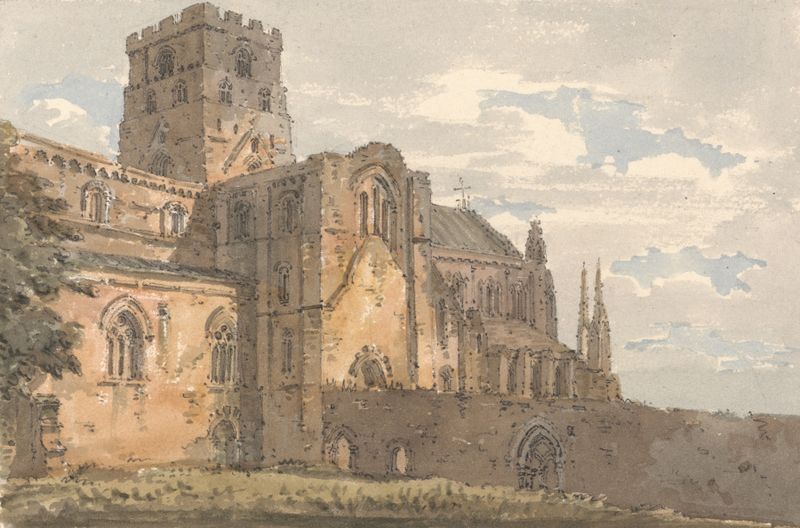
Carlisle Cathedral, Cumberland, from the South-west
Thomas Girtin
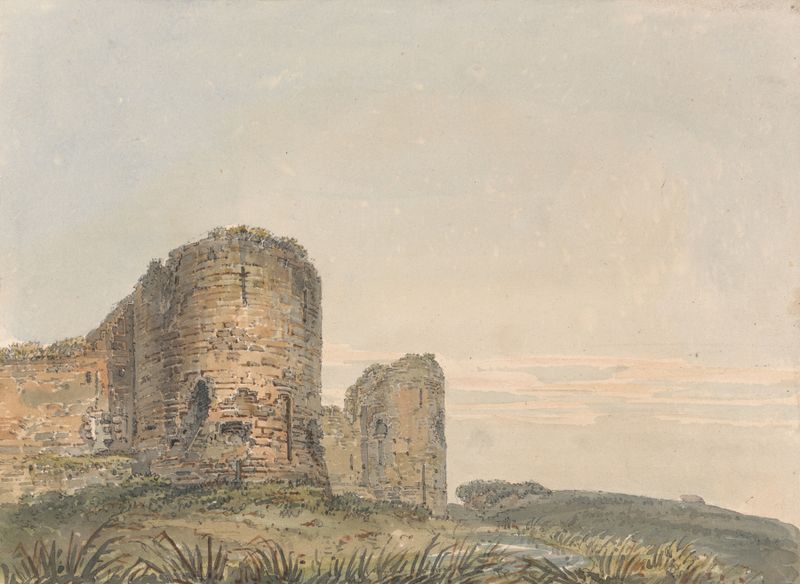
Pevensey Castle, Sussex
Thomas Girtin
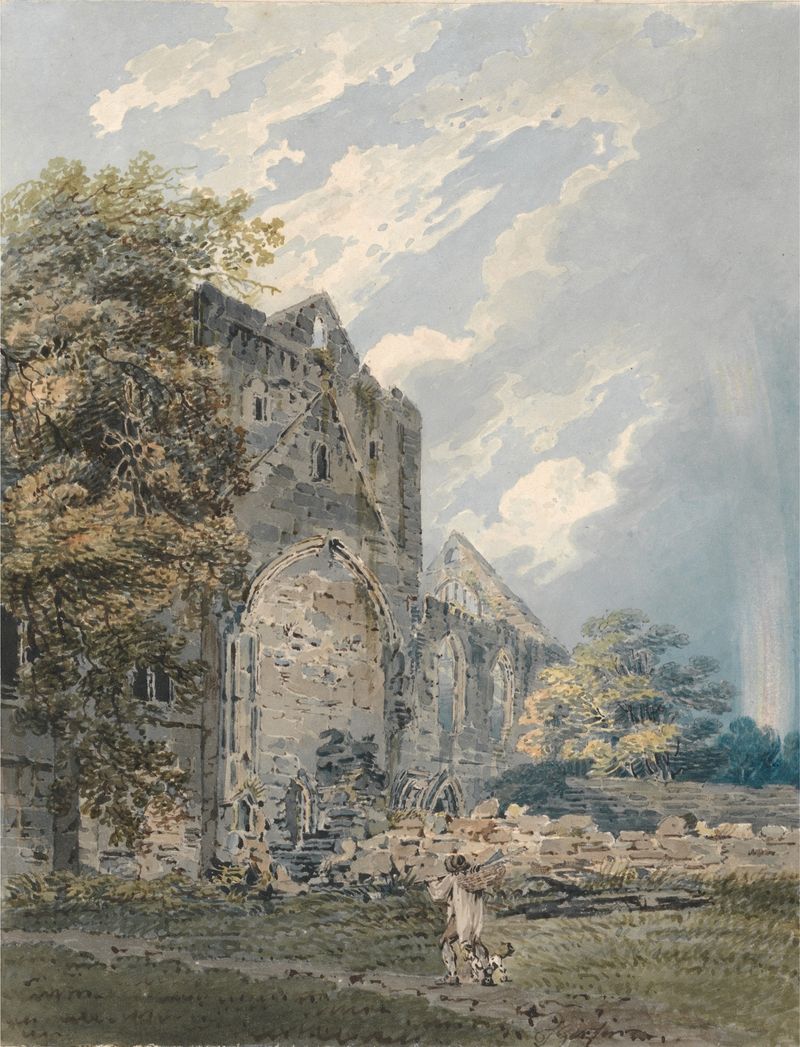
Pluscardine Abbey, Elgin
Thomas Girtin
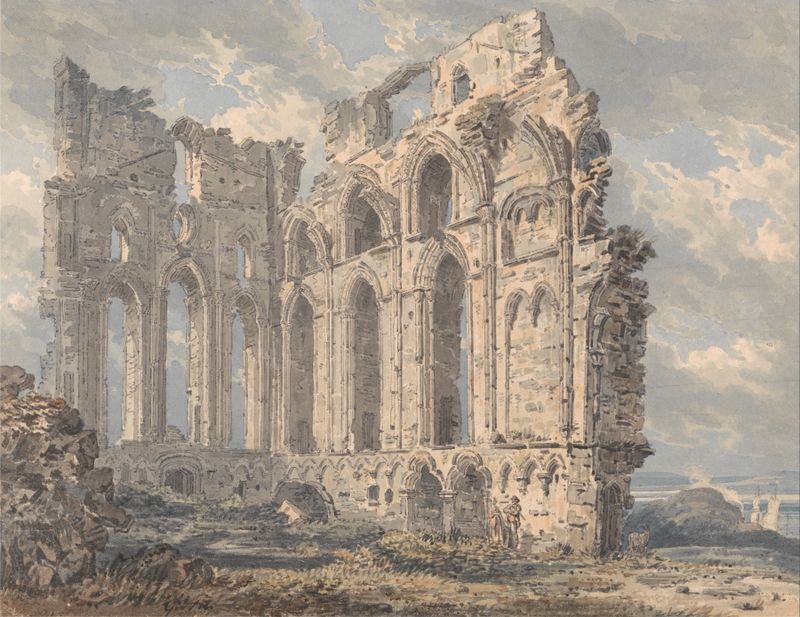
Tynemouth Priory, Northumberland
Thomas Girtin
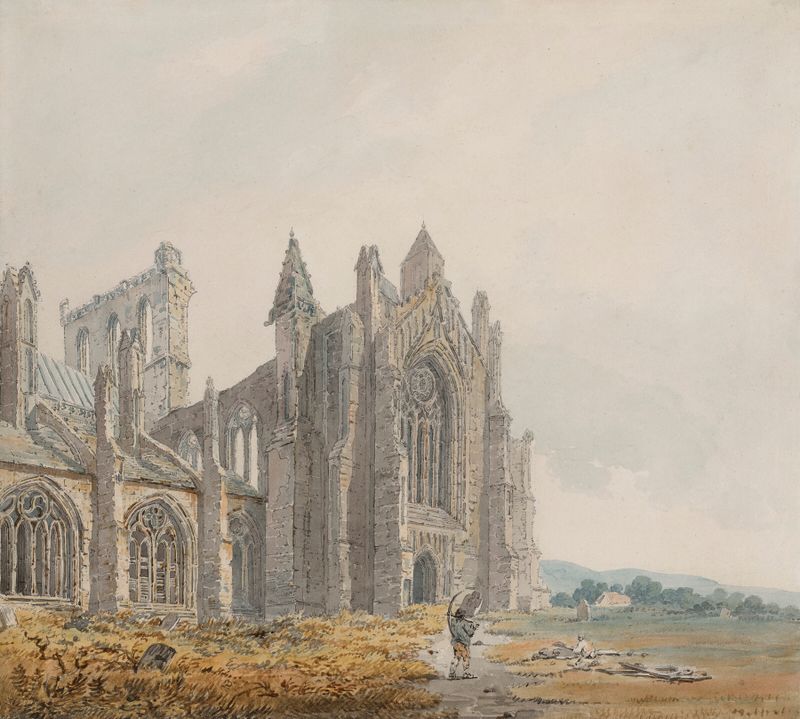
Melrose Abbey, Scotland
Thomas Girtin
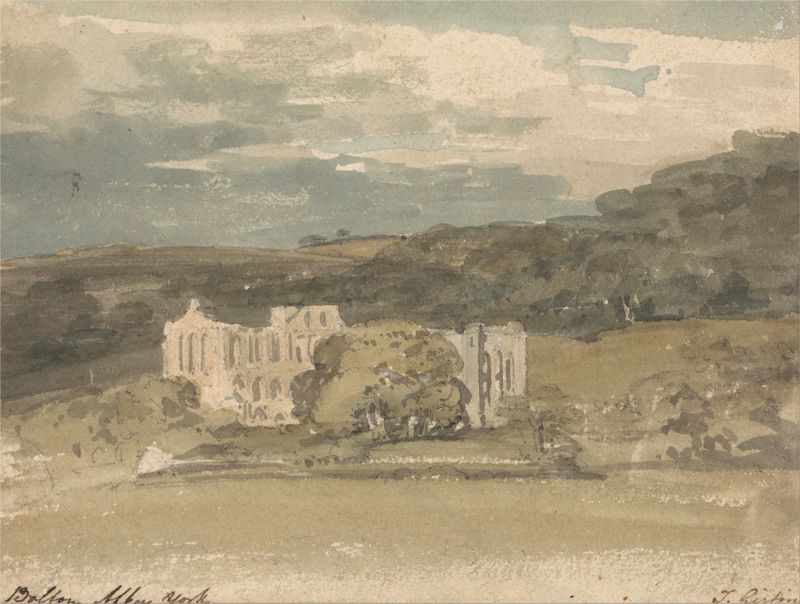
Rievaulx Abbey, Yorkshire
Thomas Girtin
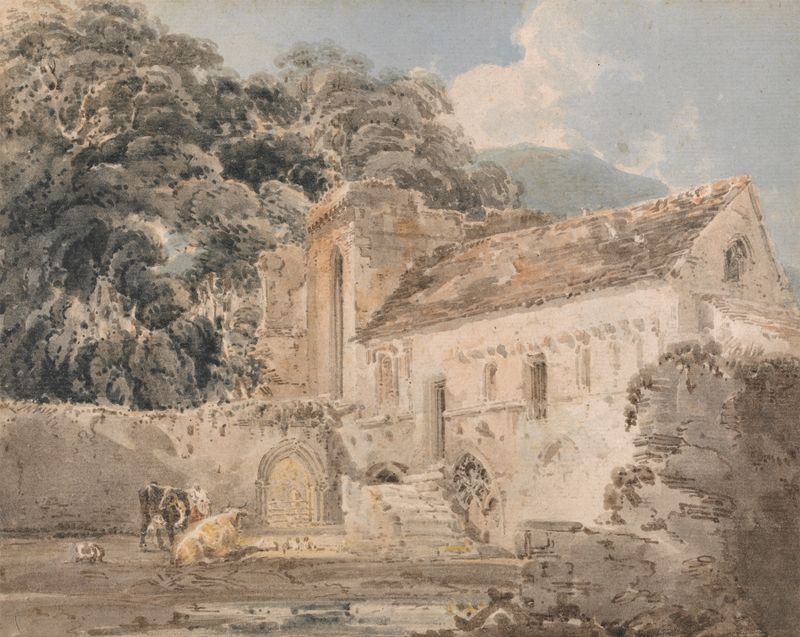
Valle Crucis Abbey, Denbighshire
Thomas Girtin
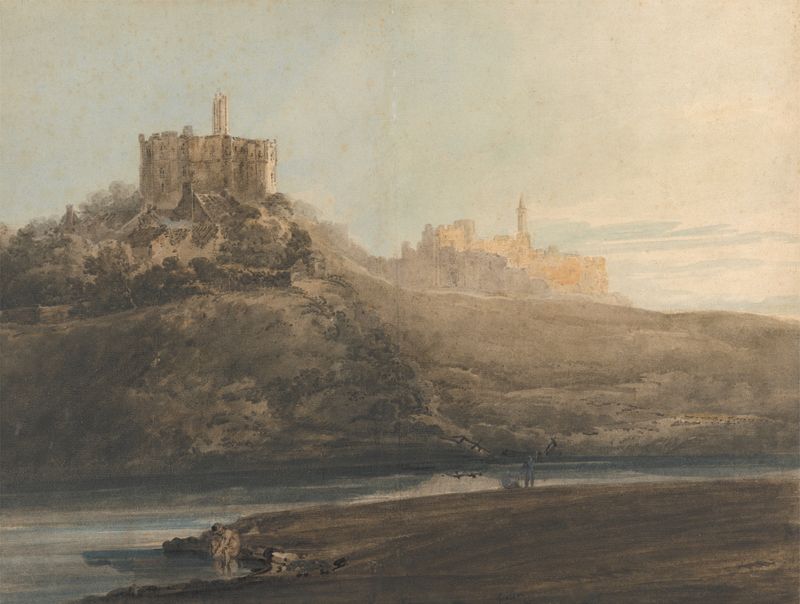
Warkworth Castle, Northumberland
Thomas Girtin
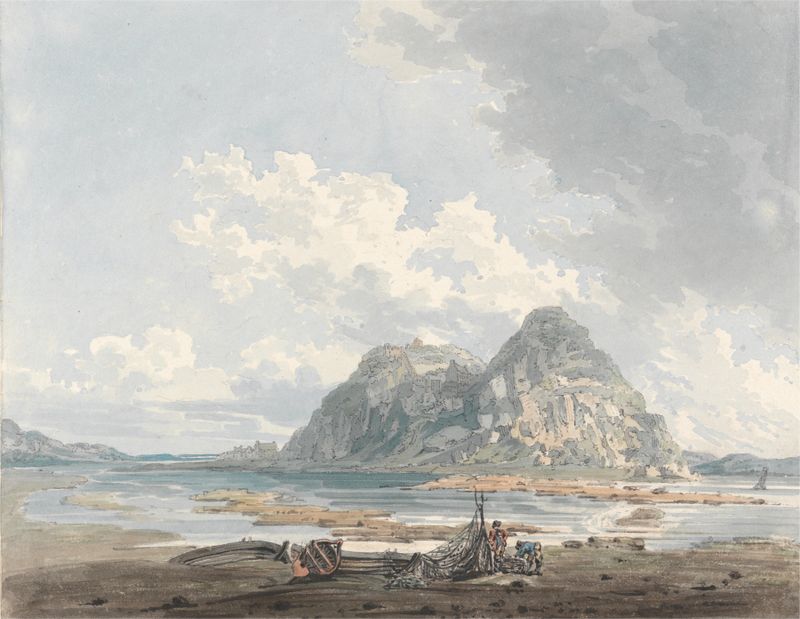
Dumbarton Rock and Castle
Thomas Girtin
More Architecture Art
Browse all →
The statue of Liberty
Frédéric Auguste Bartholdi

View of Houses in Delft, Known as ‘The Little Street’
Johannes Vermeer

View of Houses in Delft, Known as ‘The Little Street’
Johannes Vermeer

The Cathedral in Rouen. The portal, Grey Weather
Claude Monet

The yellow house
Vincent van Gogh

The Church in Auvers-sur-Oise, View from the Chevet
Vincent van Gogh