Discover insights about this artwork
Architectural Capriccio; A Palace Colonnade. — History & Facts
In Architectural Capriccio; A Palace Colonnade, Francesco Guardi presents a vibrant scene filled with light and color. The painting features an elaborate colonnade that suggests grandeur and elegance. Soft pastels and warm earth tones dominate the palette, creating a harmonious atmosphere.
Figures can be seen in the foreground, adding life to the architectural setting. The painting is characterized by its intricate details and fluid brushwork, typical of the Rococo style. Guardi's use of light enhances the three-dimensionality of the colonnade, making it appear almost tangible. The composition is balanced, with a dynamic interplay between the architecture and the figures.
Viewers can appreciate the meticulous attention to detail in the columns and the overall structure. Francesco Guardi was a prominent Venetian painter known for his landscapes and architectural scenes. This work reflects his ability to blend reality with imagination, a hallmark of the Rococo movement. Interestingly, Guardi often painted in a way that captured the fleeting effects of light, making his works feel alive.
Architectural Capriccio is a fine example of his innovative approach to architectural representation.
More Artworks by Francesco Guardi
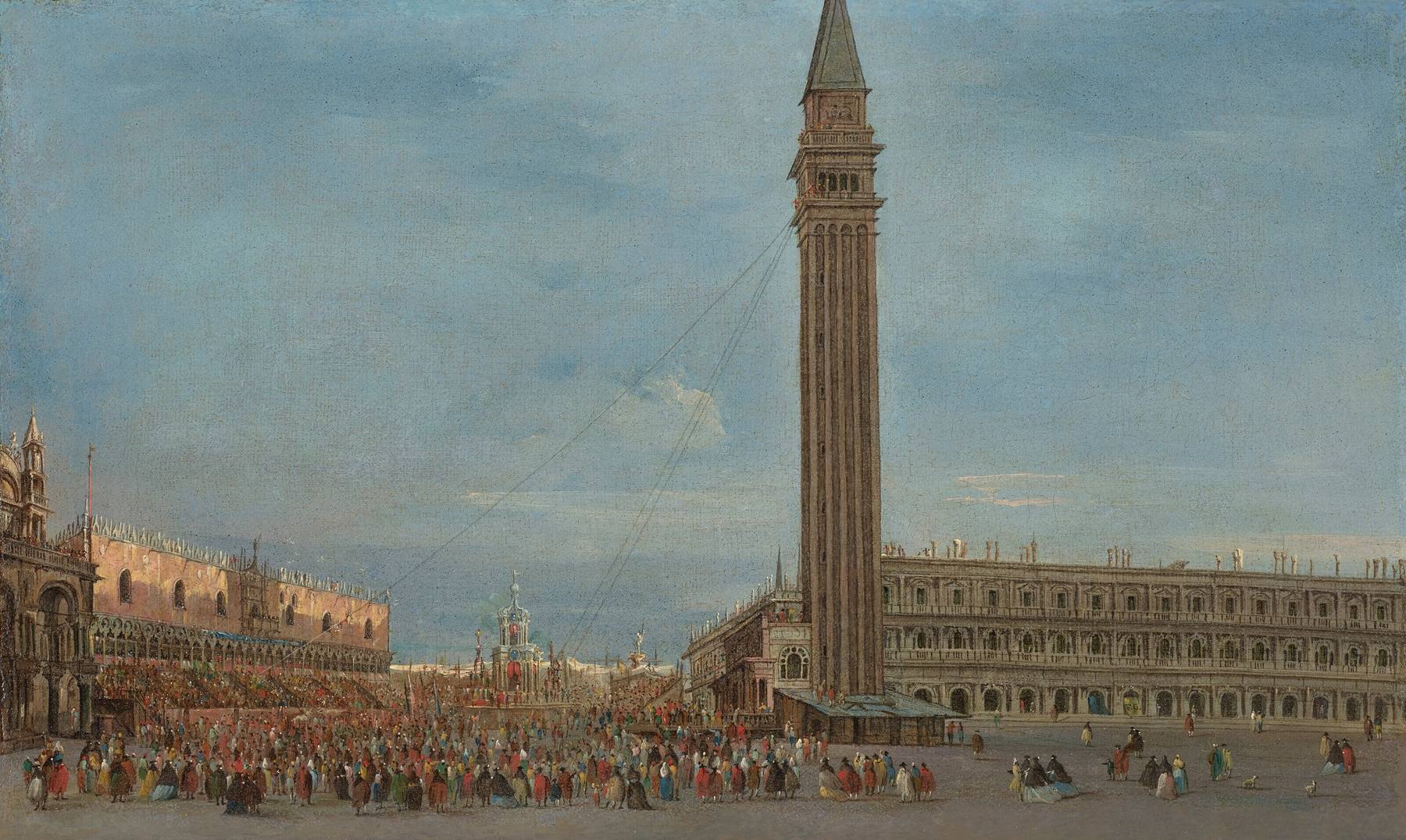
Venice, the Piazzetta San Marco with the Festival of Giovedì Grasso
Francesco Guardi
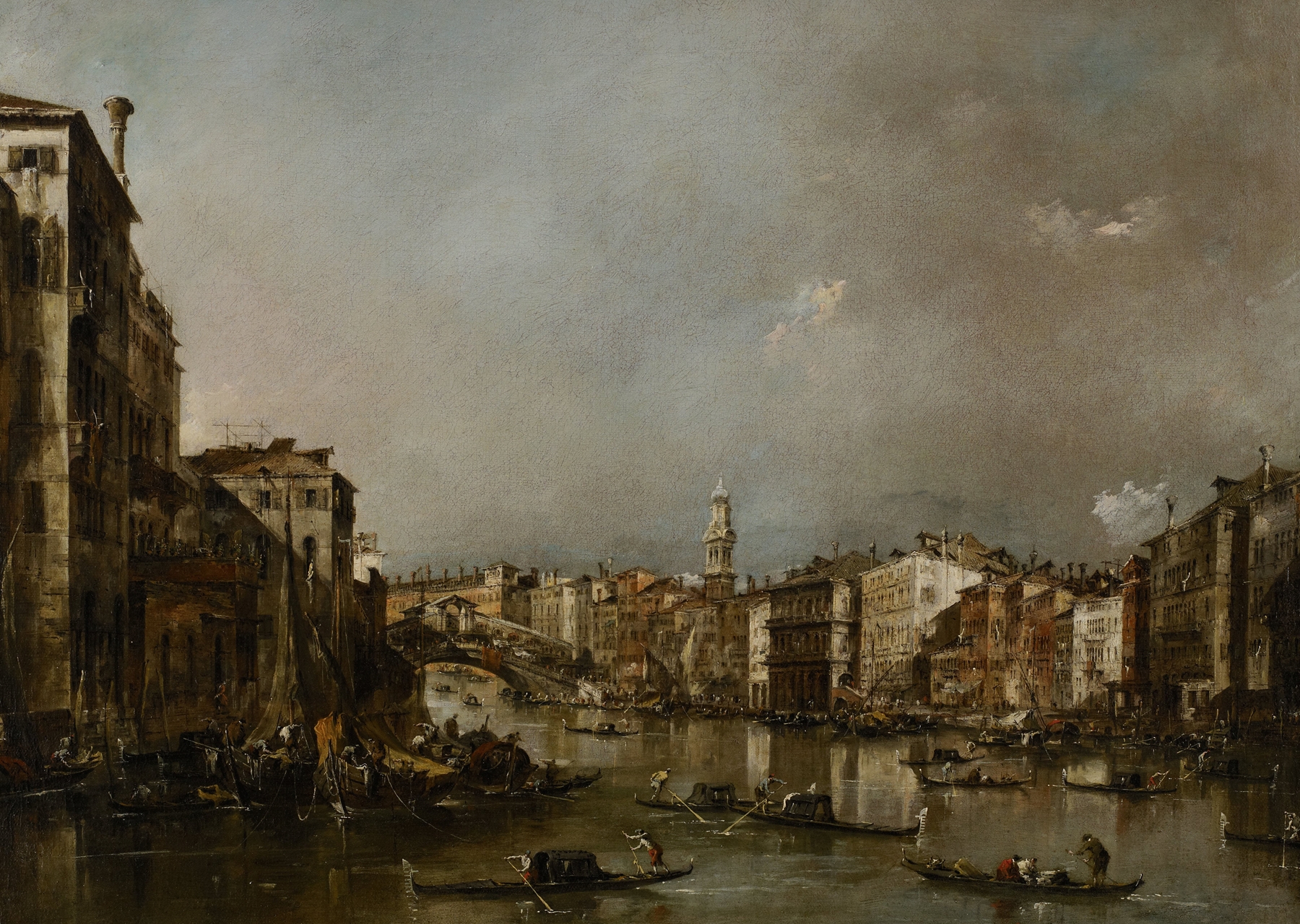
View up the Grand Canal toward the Rialto
Francesco Guardi
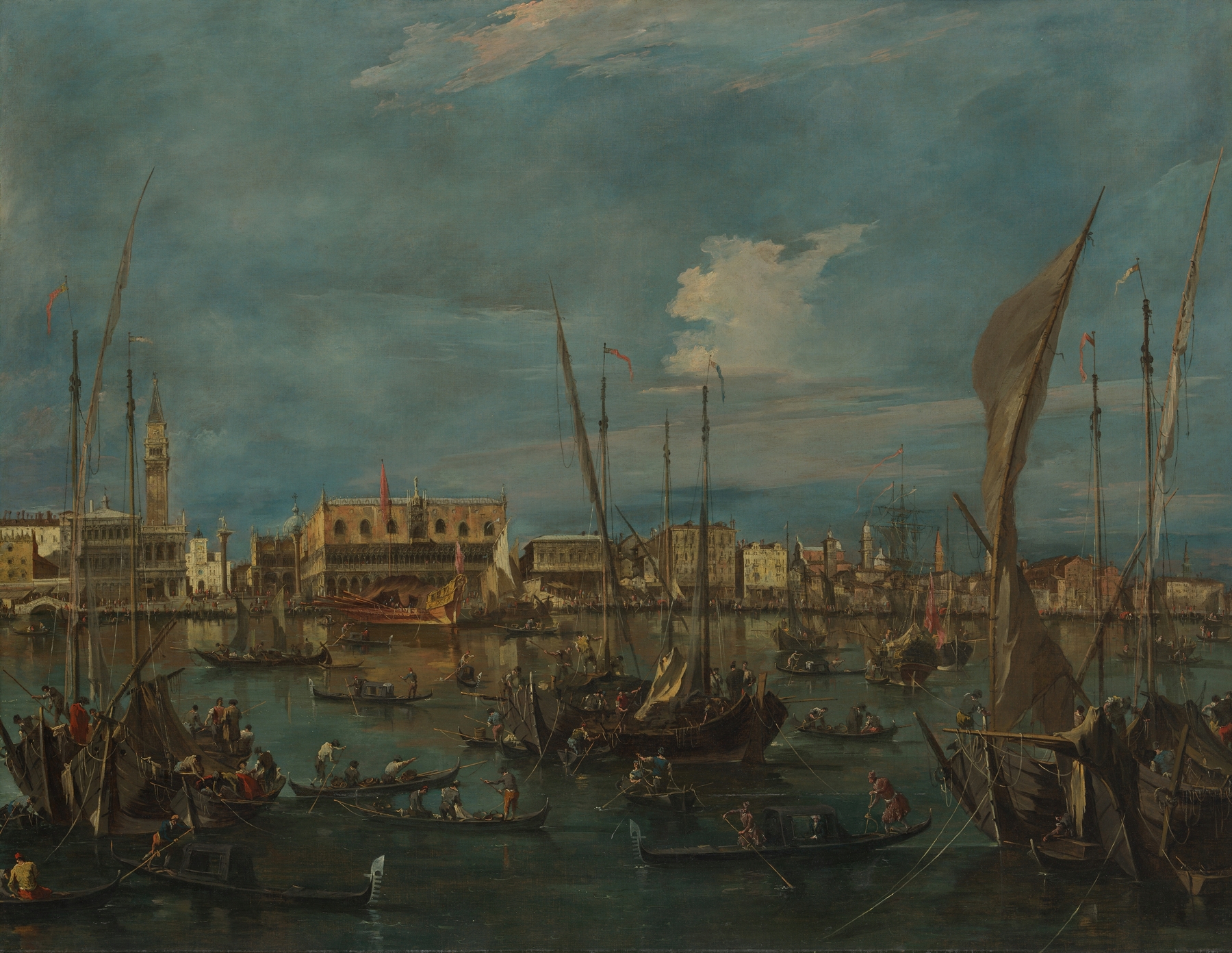
Venice from the Bacino di San Marco
Francesco Guardi
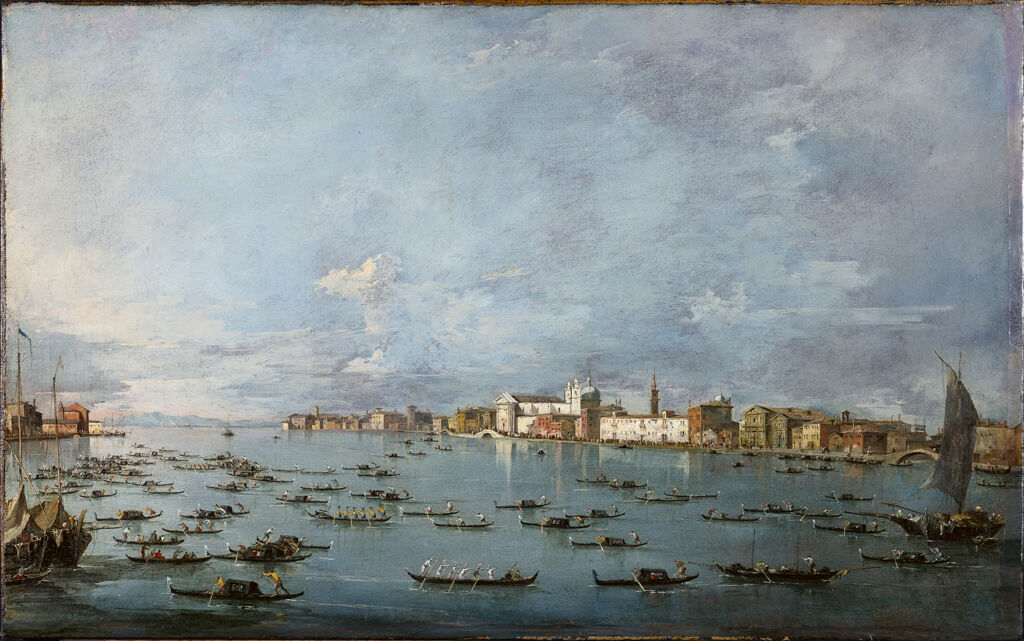
The Fondamenta della Zattere, Venice
Francesco Guardi
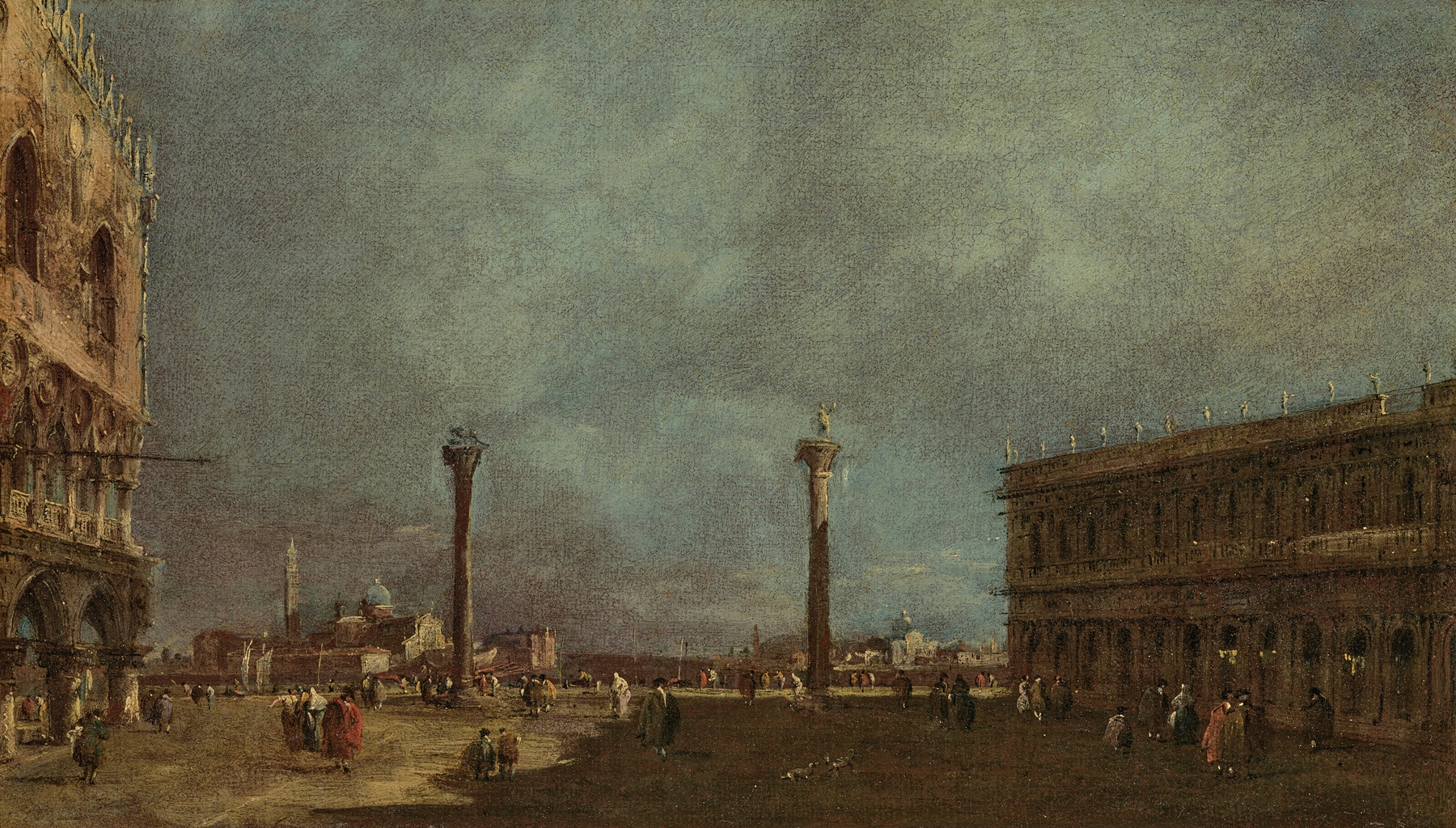
Venice, the Piazzetta looking south, with a view of the Doge’s Palace and the Biblioteca Marciana, the island of San Giorgio Maggiore beyond
Francesco Guardi
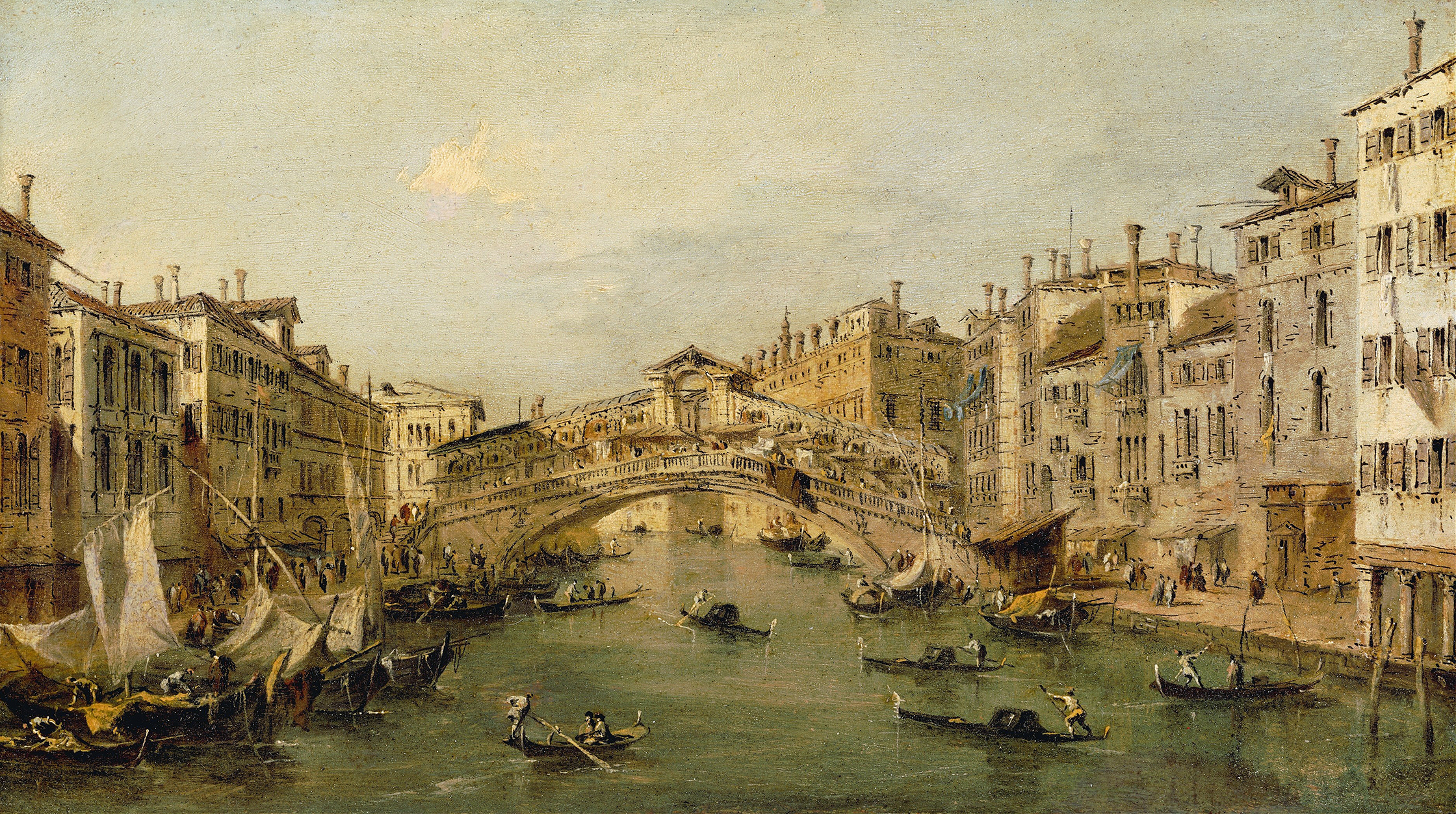
Venice, The Rialto
Francesco Guardi
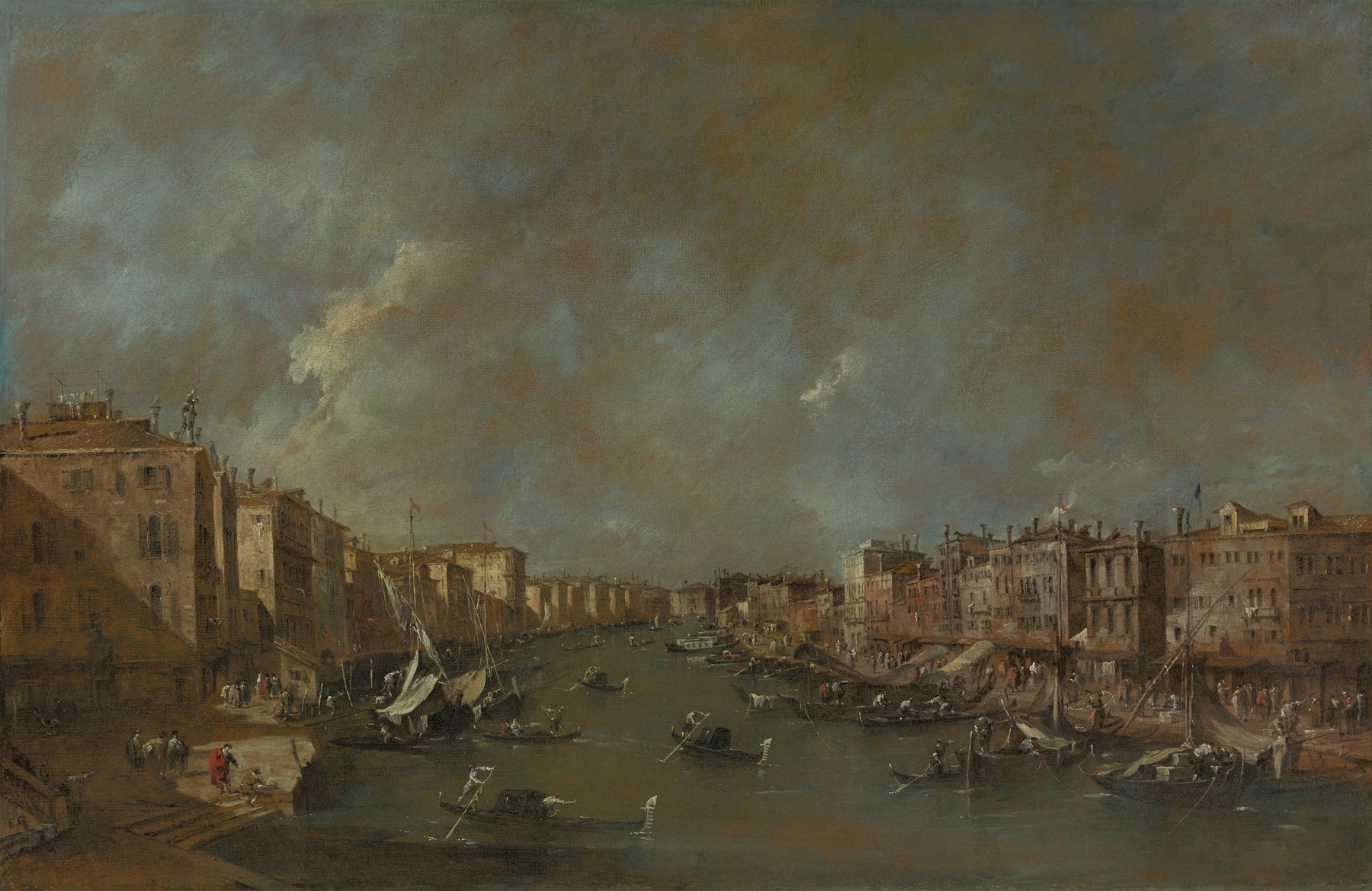
View of the Grand Canal from the Ponte di Rialto
Francesco Guardi
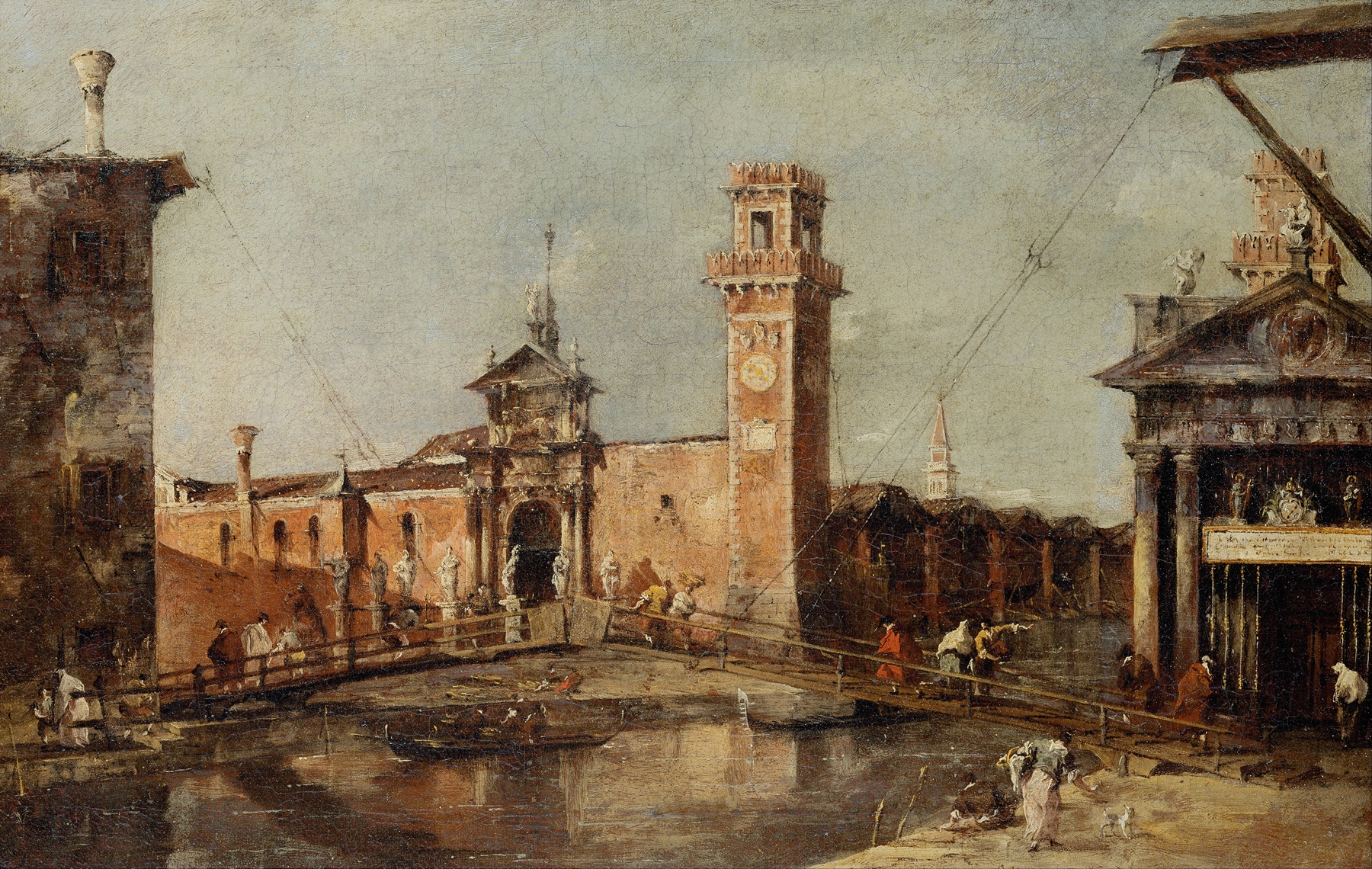
The Entrance to the Arsenal in Venice
Francesco Guardi
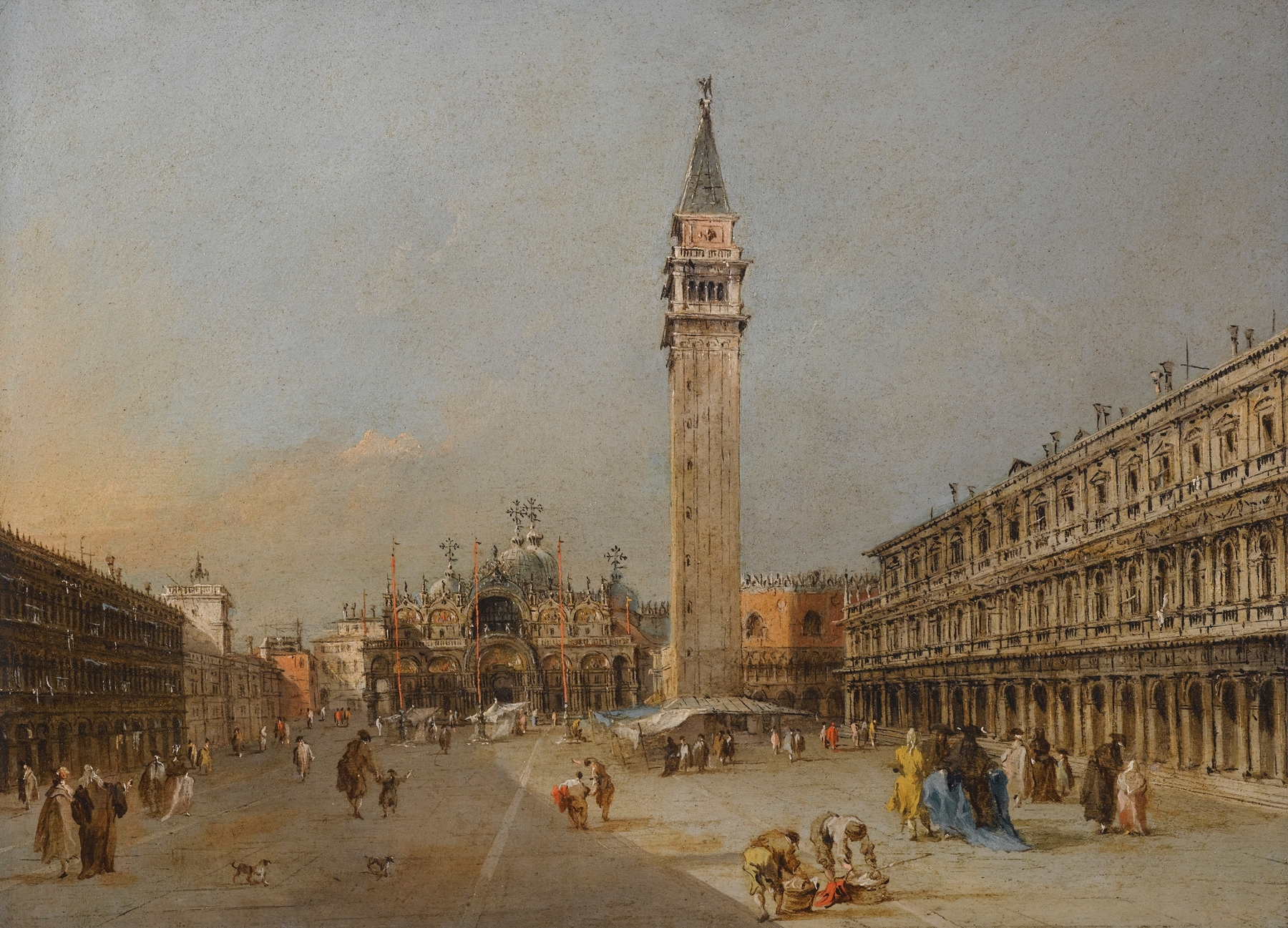
The Piazza San Marco With The Basilica And Campanile
Francesco Guardi
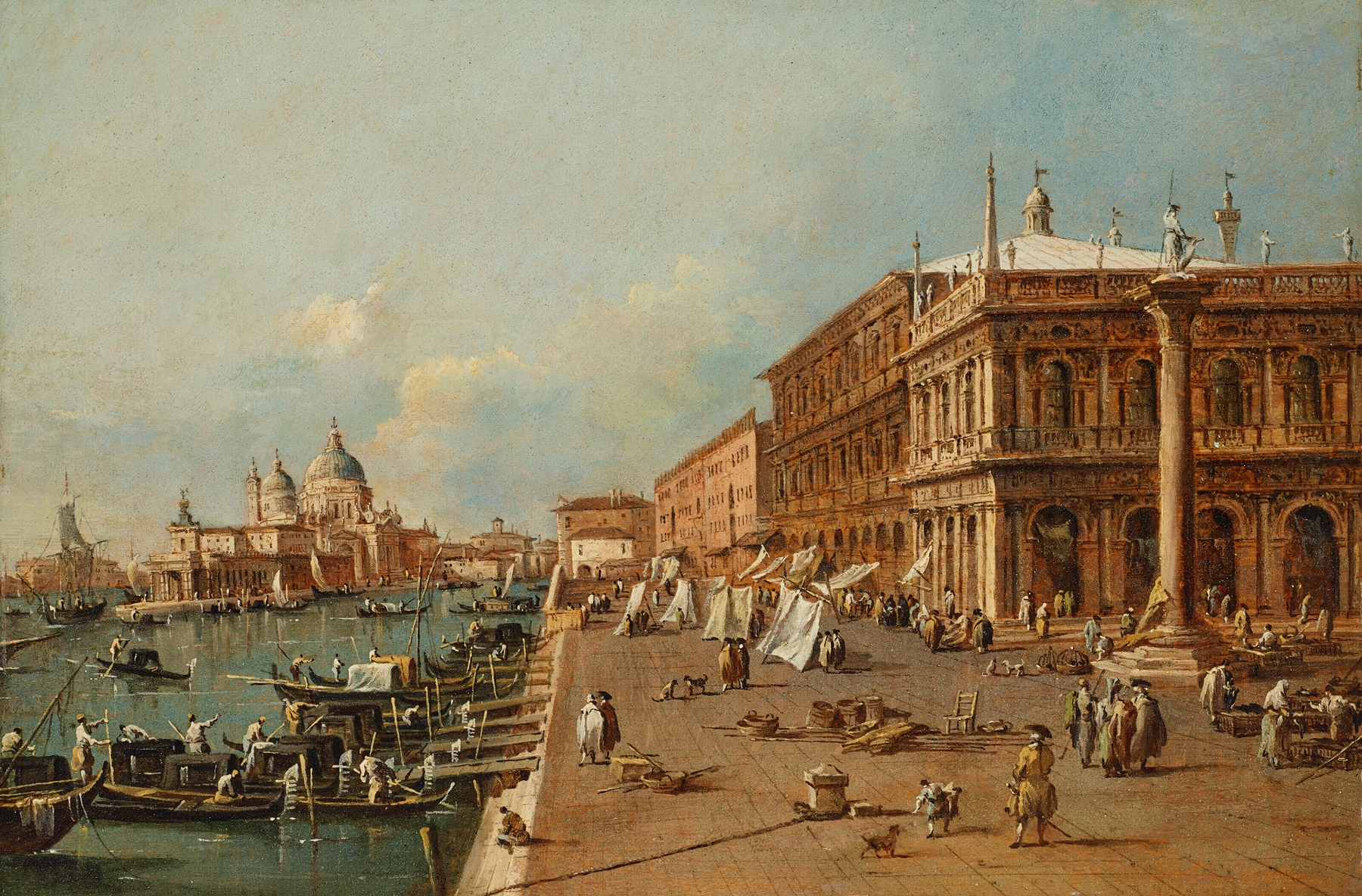
Venice; The Molo with the Libreria, the Punta della Dogana and Santa Maria della Salute
Francesco Guardi