
Architektonisches Capriccio, Ruinen einer Tempelfassade, im Hintergrund Landschaft mit Gebäuden und Seebucht — History & Facts
In the delicate balance between architecture and nature, innocence breathes within the ruins, inviting contemplation of what once was and what remains. Look to the center of the canvas, where fragmented columns rise, their once-imposing presence now softened by time. The meticulous brushstrokes depict weathered stone, flecked with lively greens, and soft blue hues that dance across the background. Notice how the light gently illuminates the remnants of the temple façade, creating an ethereal glow that evokes memories of grandeur.
The distant seascape, with its serene waters and gentle slopes, cradles the ruins, forming a harmonious dialogue between decay and beauty. Beneath the surface, a poignant contrast emerges: the once-majestic structure stands vulnerable against the expansive backdrop of the vibrant landscape. Each cracked column tells a tale of innocence lost, a reminder of the transience of human achievement. Yet, the surrounding splendor of nature conveys a sense of resilience, suggesting that life persists even amidst the echoes of history.
The viewer is left to ponder the duality of existence—the fragility of man-made creations versus the enduring embrace of the earth. Victor-Jean Nicolle painted this work during a period in the late 18th century marked by the fascination with classical architecture and romantic landscapes. Living in France, Nicolle was part of a cultural movement that celebrated antiquity and historical themes, while also responding to the emerging Romanticism that sought to explore emotions and the sublime. This work reflects not only his artistic mastery but also the historical context of a world grappling with change and longing for ideals of purity and innocence in an increasingly complex society.
More Artworks by Victor-Jean Nicolle
Browse all →
Fontana di Trevi, gezien vanuit het Westen
Victor-Jean Nicolle
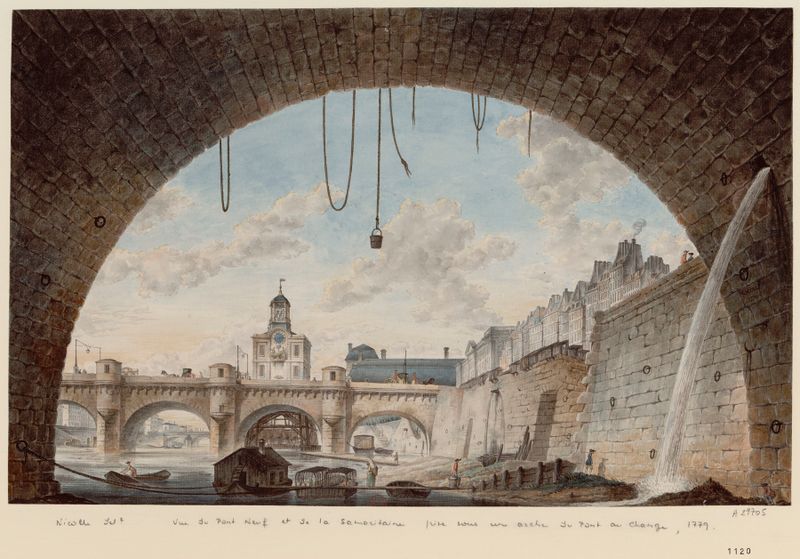
Vue du Pont Neuf et de la Samaritaine prise sous une arche du Pont au Change
Victor-Jean Nicolle
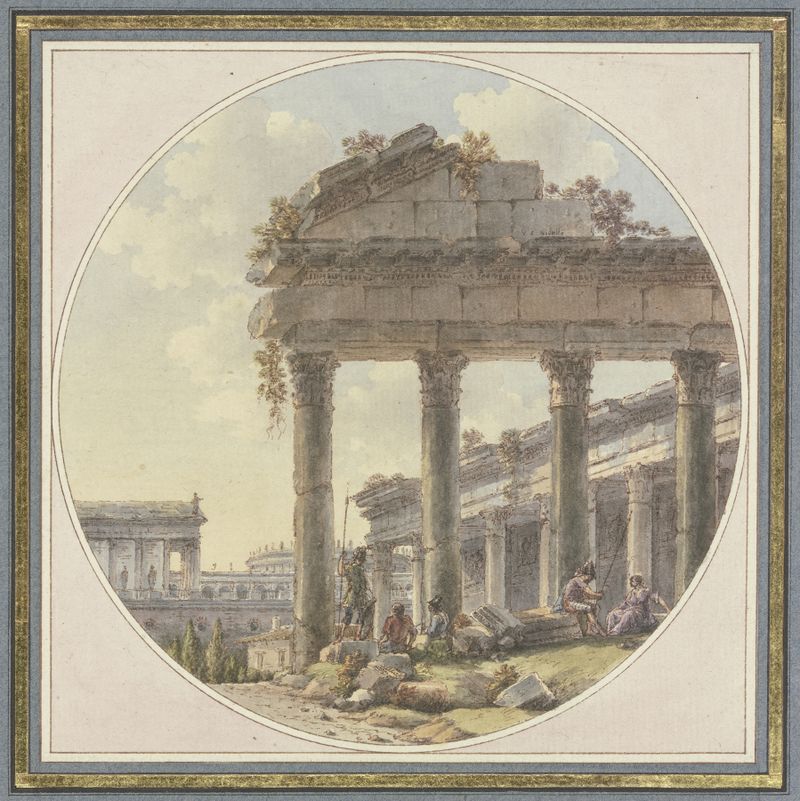
Architektonisches Capriccio; Tempelruine und Figurenstaffage
Victor-Jean Nicolle
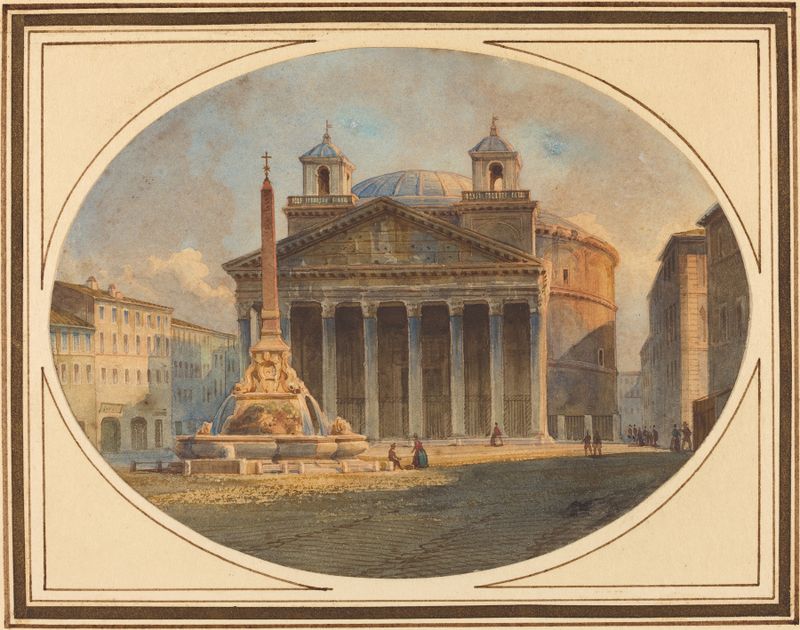
The Pantheon
Victor-Jean Nicolle
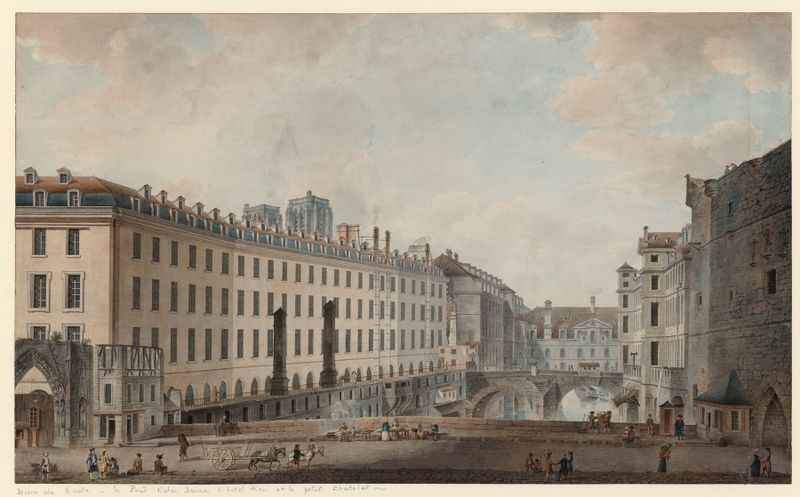
Le Pont au Double, l’Hôtel-Dieu et le Petit Châtelet
Victor-Jean Nicolle
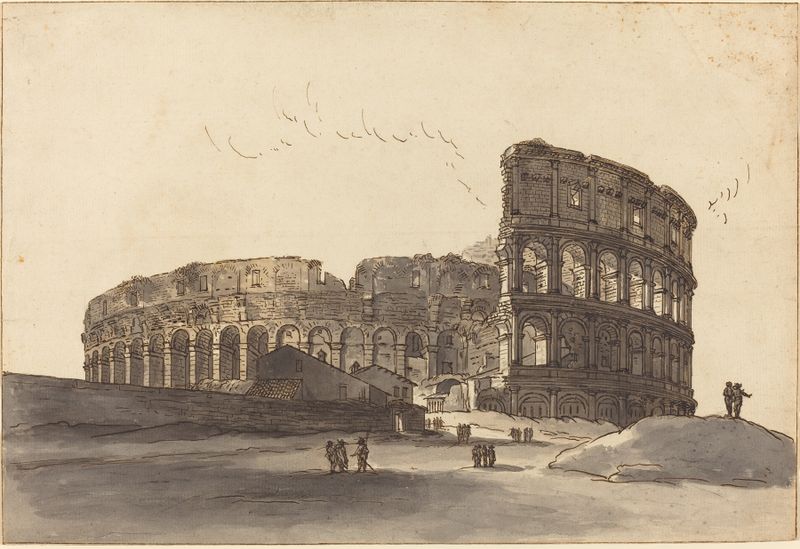
The Colosseum
Victor-Jean Nicolle
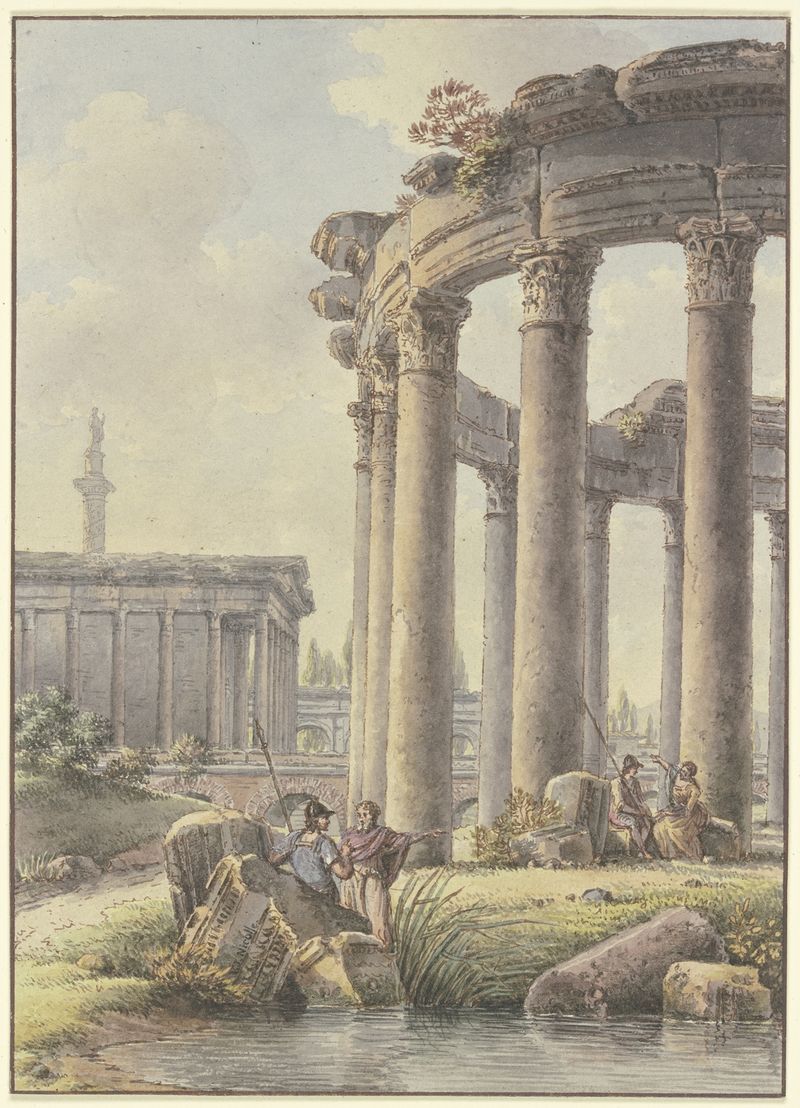
Architektonisches Capriccio; Ruinen eines Rundtempels, im Hintergrund die Trajansäule
Victor-Jean Nicolle
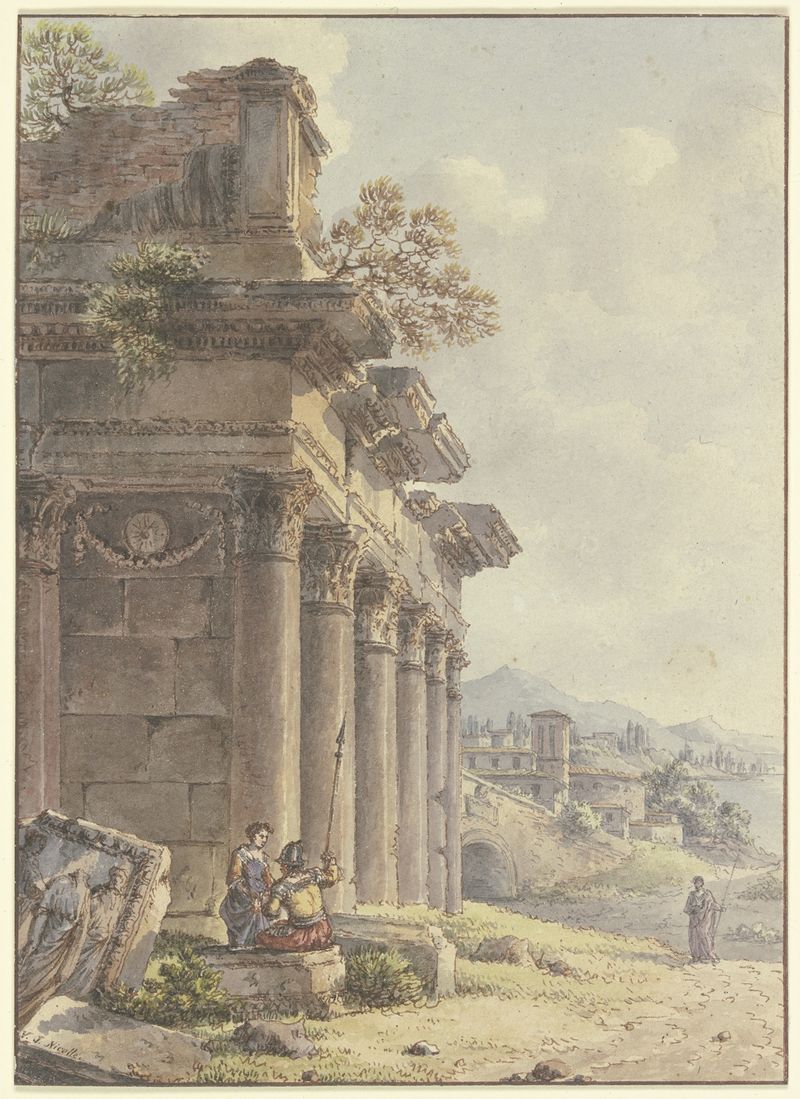
Architektonisches Capriccio; Ruinen einer Tempelfassade, im Hintergrund Landschaft mit Gebäuden und Seebucht
Victor-Jean Nicolle
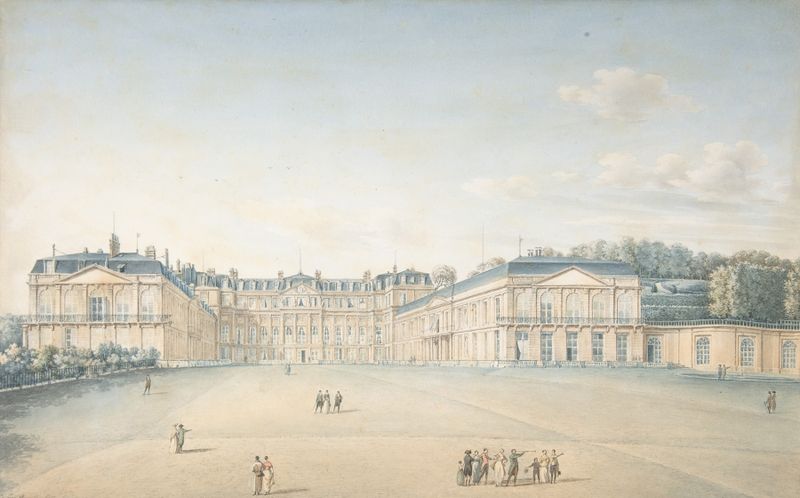
Courtyard of the Chateau de Saint-Cloud
Victor-Jean Nicolle

The Tiber at the Outskirts of Rome
Victor-Jean Nicolle





