
The Tiber at the Outskirts of Rome — History & Facts
In the hands of a master, even the wildest landscapes can breathe with a sense of divine tranquility. Look to the bottom left, where the gentle flow of the Tiber River glimmers beneath a blanket of soft, golden light. The subtle blues and greens intermingle seamlessly, inviting the viewer to trace the winding banks of the river with their eyes. As you traverse the canvas, notice how the trees stand stoically by the water’s edge, their shadows stretching elegantly across the surface, creating a harmonious balance between the chaotic nature of the world and the serenity that lies within it. As you explore, small details emerge, revealing layers of emotional complexity.
The distant hills cradle the horizon, while a lone figure appears almost dreamlike, hinting at humanity’s humble place amidst nature's grandeur. This contrast between the expansive landscape and the solitary presence underlines a profound meditation on divinity, suggesting that while nature is magnificent, it is the human spirit that seeks connection within it. The vibrant palette whispers of life and renewal, evoking a sense of wonder at the divine beauty found in the everyday. Victor-Jean Nicolle created this work during the late 18th to early 19th century, a time marked by significant shifts in art, as Romanticism began to emerge.
Living in France, Nicolle navigated the transition from neoclassical ideals to a burgeoning appreciation for the sublime, and his studies of landscapes reflected this journey. The Tiber, as a symbol of the eternal, speaks to the artist’s contemplations of both nature and spirituality during an era ripe for exploration and expression.
More Artworks by Victor-Jean Nicolle
Browse all →
Fontana di Trevi, gezien vanuit het Westen
Victor-Jean Nicolle
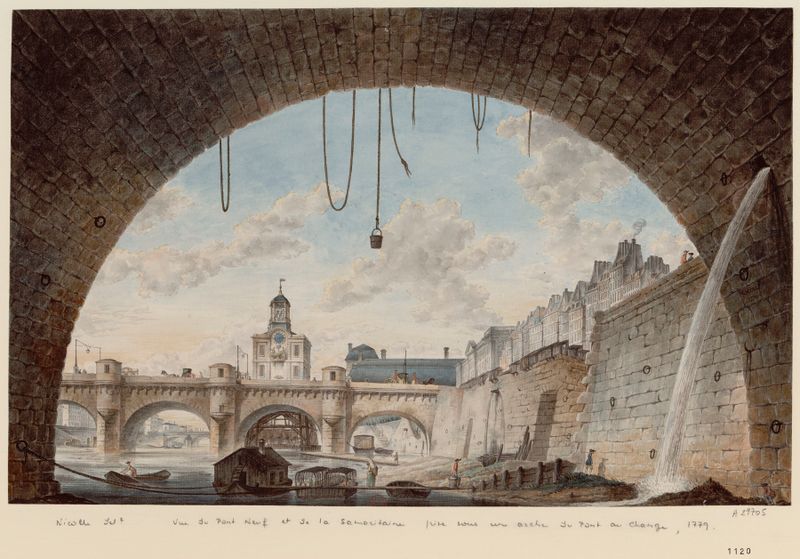
Vue du Pont Neuf et de la Samaritaine prise sous une arche du Pont au Change
Victor-Jean Nicolle
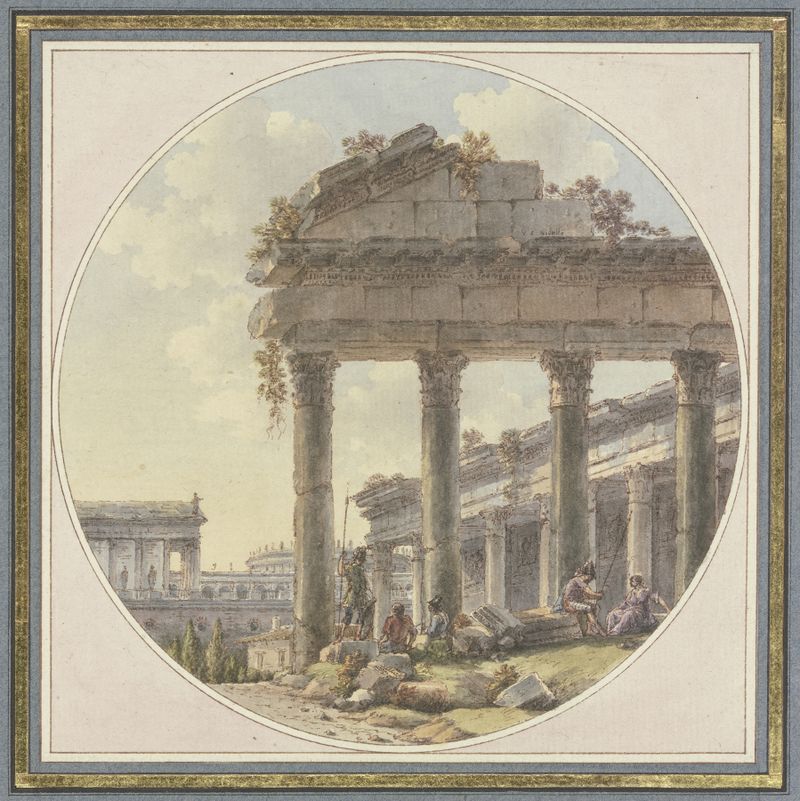
Architektonisches Capriccio; Tempelruine und Figurenstaffage
Victor-Jean Nicolle
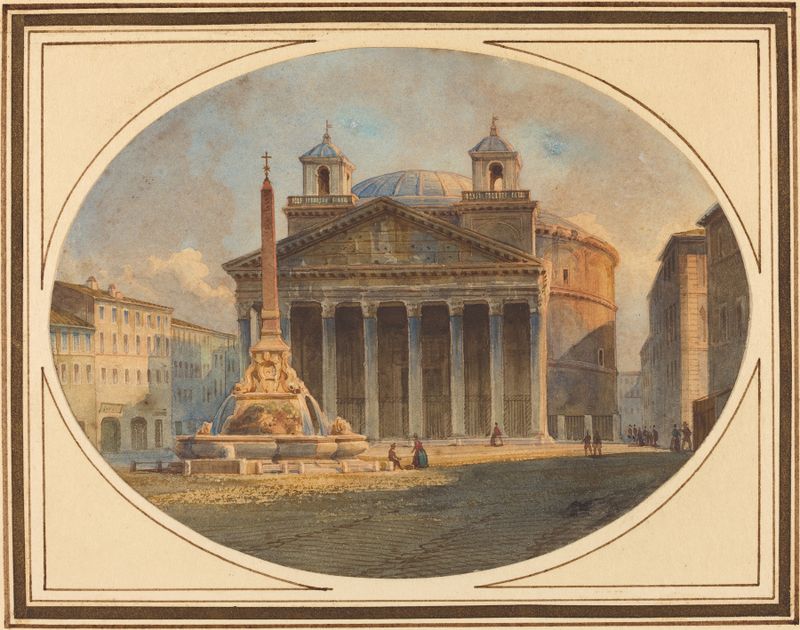
The Pantheon
Victor-Jean Nicolle
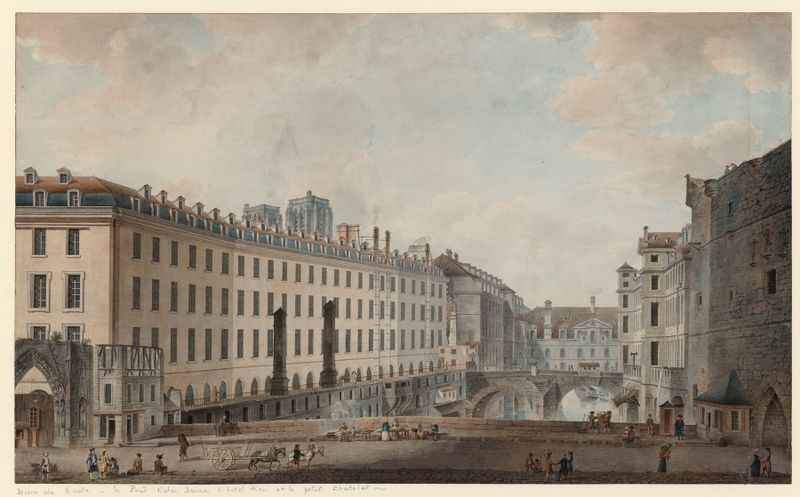
Le Pont au Double, l’Hôtel-Dieu et le Petit Châtelet
Victor-Jean Nicolle
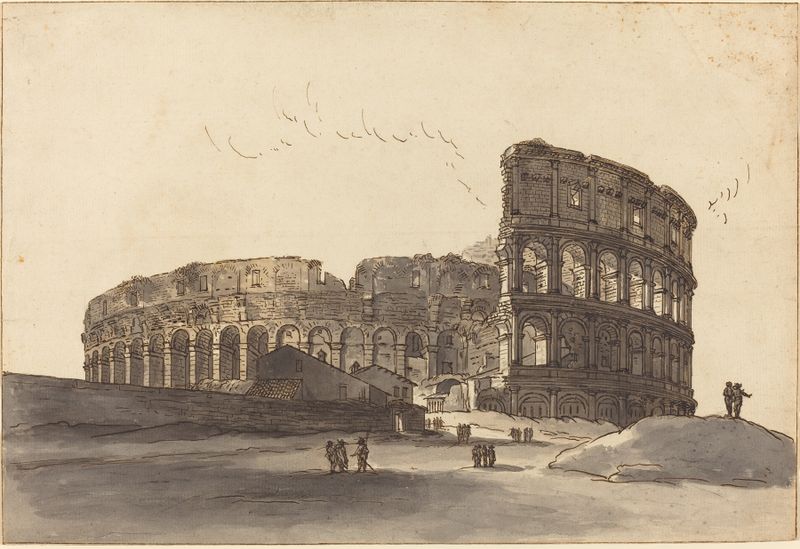
The Colosseum
Victor-Jean Nicolle
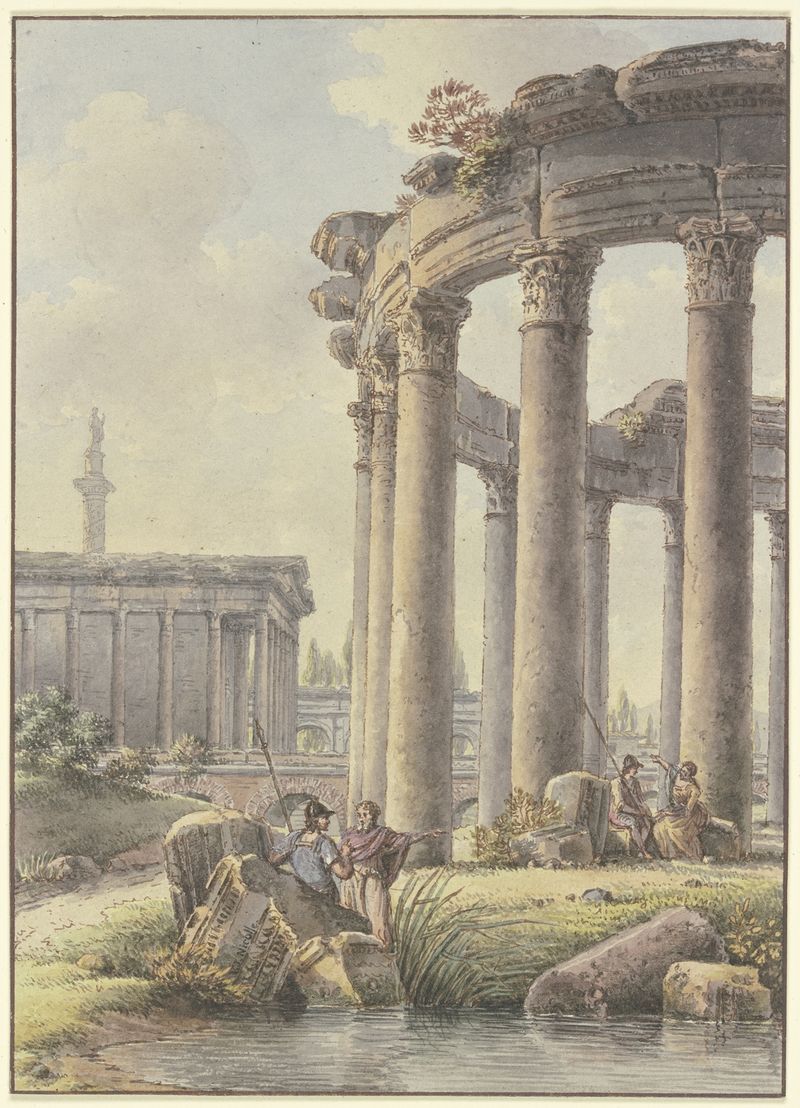
Architektonisches Capriccio; Ruinen eines Rundtempels, im Hintergrund die Trajansäule
Victor-Jean Nicolle
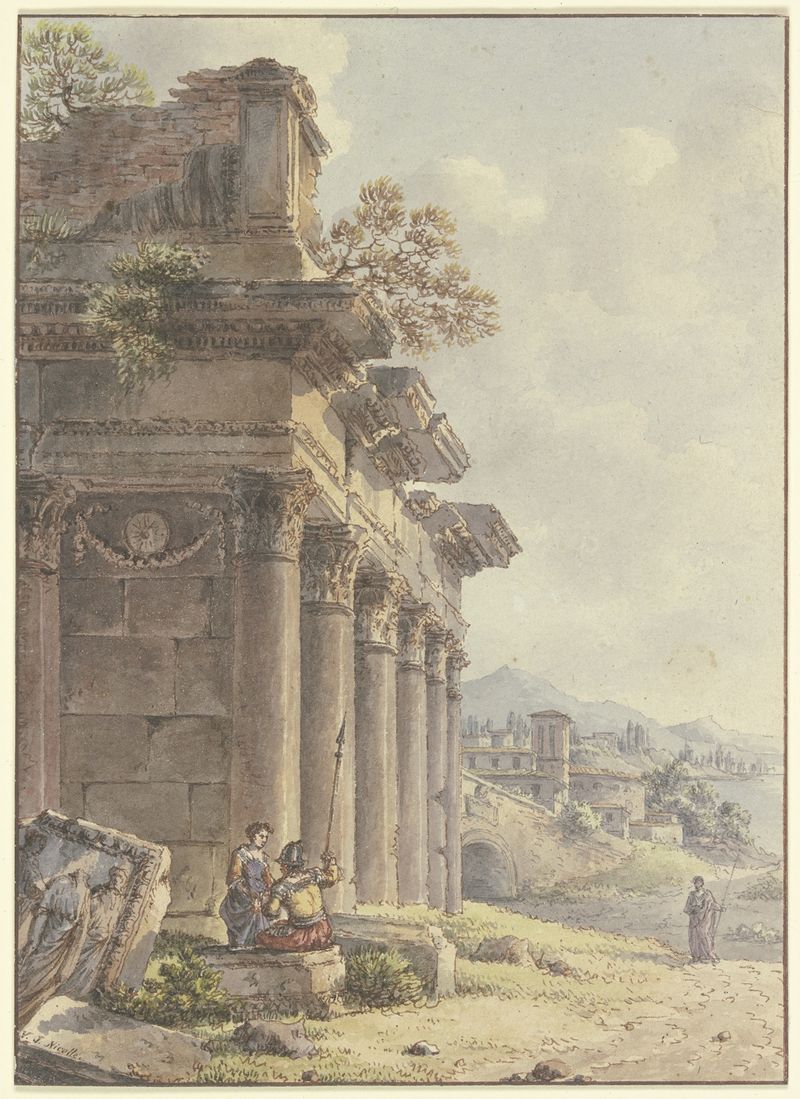
Architektonisches Capriccio; Ruinen einer Tempelfassade, im Hintergrund Landschaft mit Gebäuden und Seebucht
Victor-Jean Nicolle
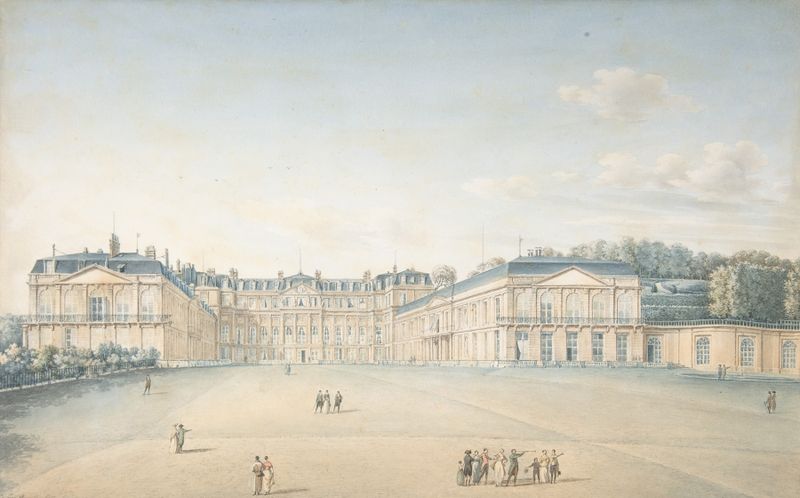
Courtyard of the Chateau de Saint-Cloud
Victor-Jean Nicolle
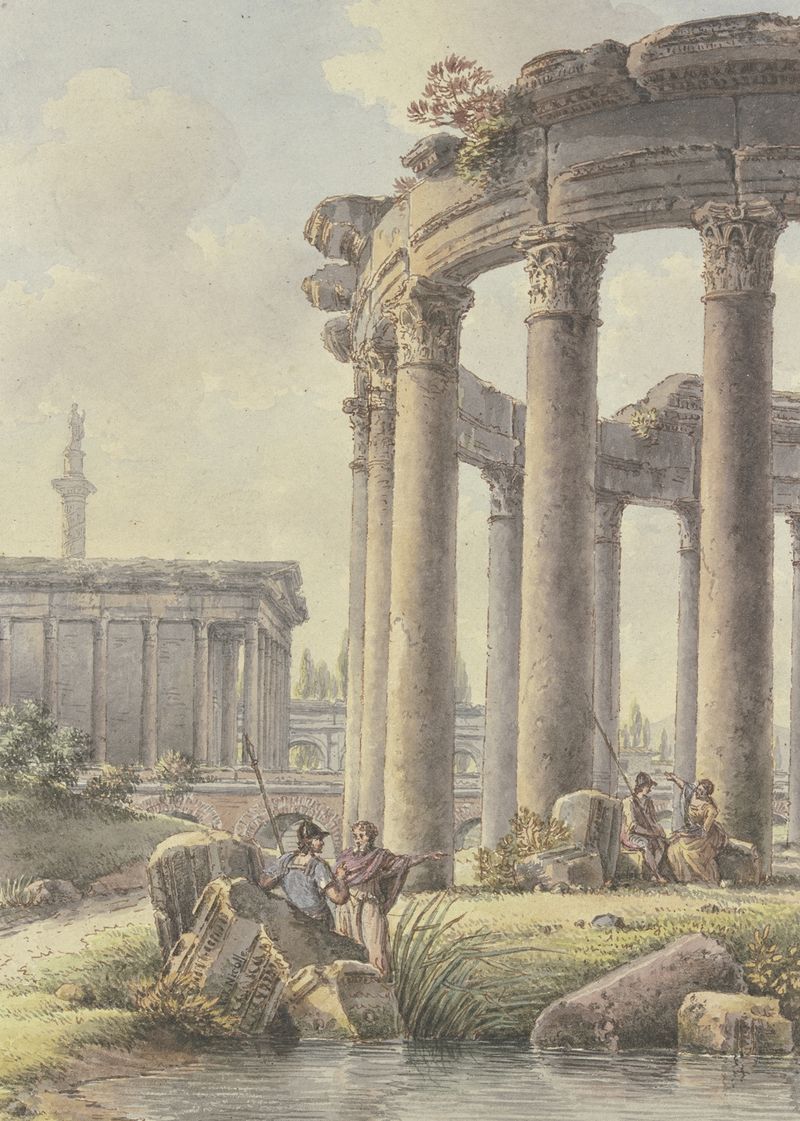
Architektonisches Capriccio, Ruinen eines Rundtempels, im Hintergrund die Trajansäule
Victor-Jean Nicolle





