
Vue du Pont Neuf et de la Samaritaine prise sous une arche du Pont au Change — History & Facts
In a world on the cusp of revolution, the delicate layers of history and emotion coalesce within this artwork, inviting us to witness a fleeting moment captured in time. Look to the foreground, where the vivid blue of the Seine dances with the reflections of the Parisian sky. The iconic Pont Neuf stands proudly, its arches framing both the architecture and the activities of life bustling beneath. Notice how the soft, warm light envelops the scene, illuminating not just the buildings, but also the ambitions and dreams of the people inhabiting this vibrant city.
The precision of Nicolle’s brushwork breathes life into the boats gliding along the river; each vessel becomes a testament to the exchange of ideas and the stirrings of change. Consider the contrast between the steadfastness of the bridge and the fluidity of the water. This juxtaposition speaks to the tensions of the era—a society caught between tradition and the impending tides of revolution. The figures dotting the riverbanks suggest both camaraderie and solitude, embodying the hopes and fears of a nation on the brink.
Each tiny detail, from the rippling currents to the bustling market stalls, resonates with the pulse of an epoch yearning for transformation. Victor-Jean Nicolle painted this piece in 1779 while living in Paris, a city throbbing with political unrest and enlightenment ideals. As revolutionary sentiments began to swell, artists like Nicolle sought to document both the beauty and the complexities of urban life. His work reflects a poignant moment in history, capturing a Paris that was both nostalgic and teetering on the edge of profound change.
More Artworks by Victor-Jean Nicolle
Browse all →
Fontana di Trevi, gezien vanuit het Westen
Victor-Jean Nicolle
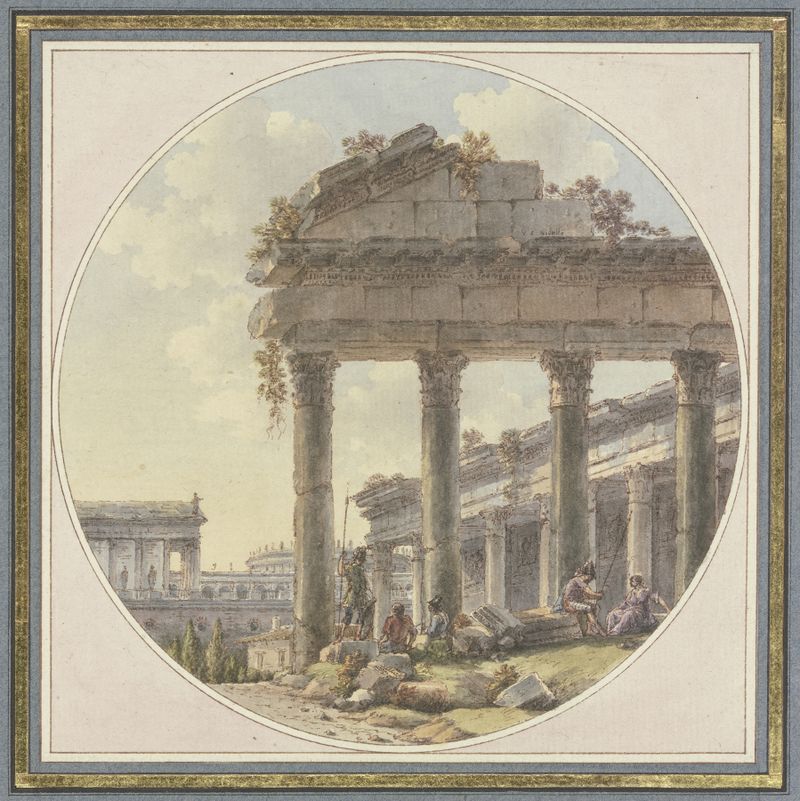
Architektonisches Capriccio; Tempelruine und Figurenstaffage
Victor-Jean Nicolle
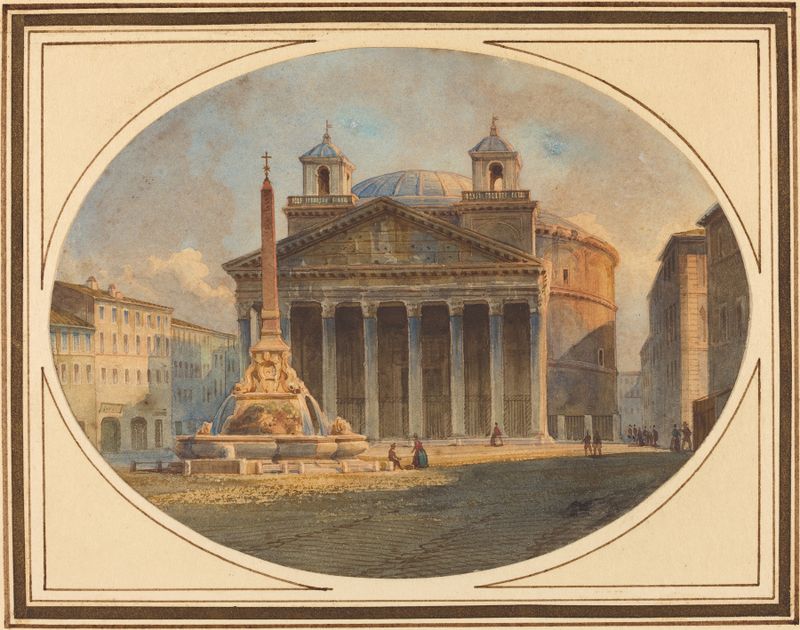
The Pantheon
Victor-Jean Nicolle
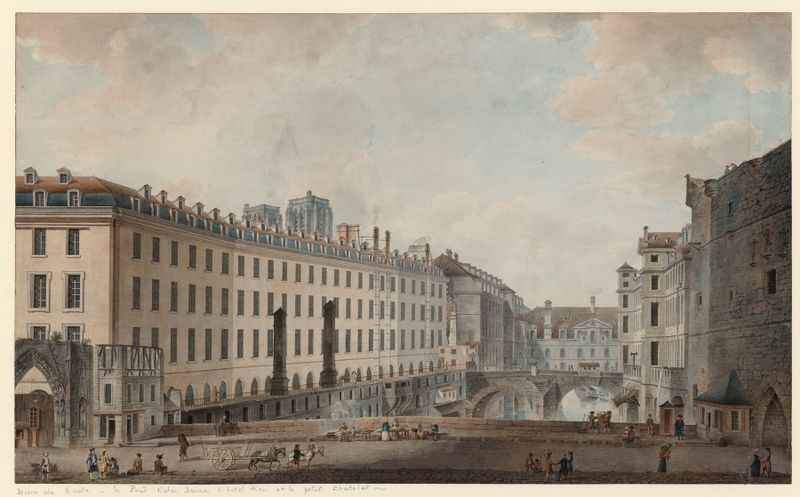
Le Pont au Double, l’Hôtel-Dieu et le Petit Châtelet
Victor-Jean Nicolle
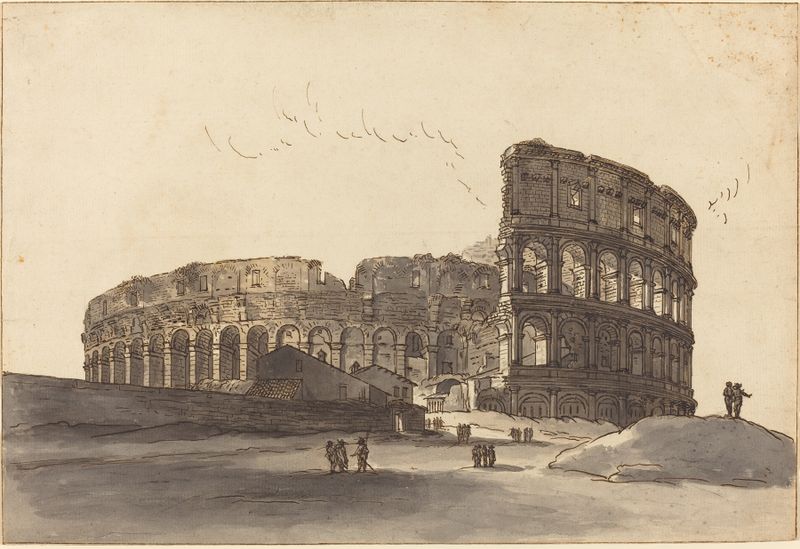
The Colosseum
Victor-Jean Nicolle
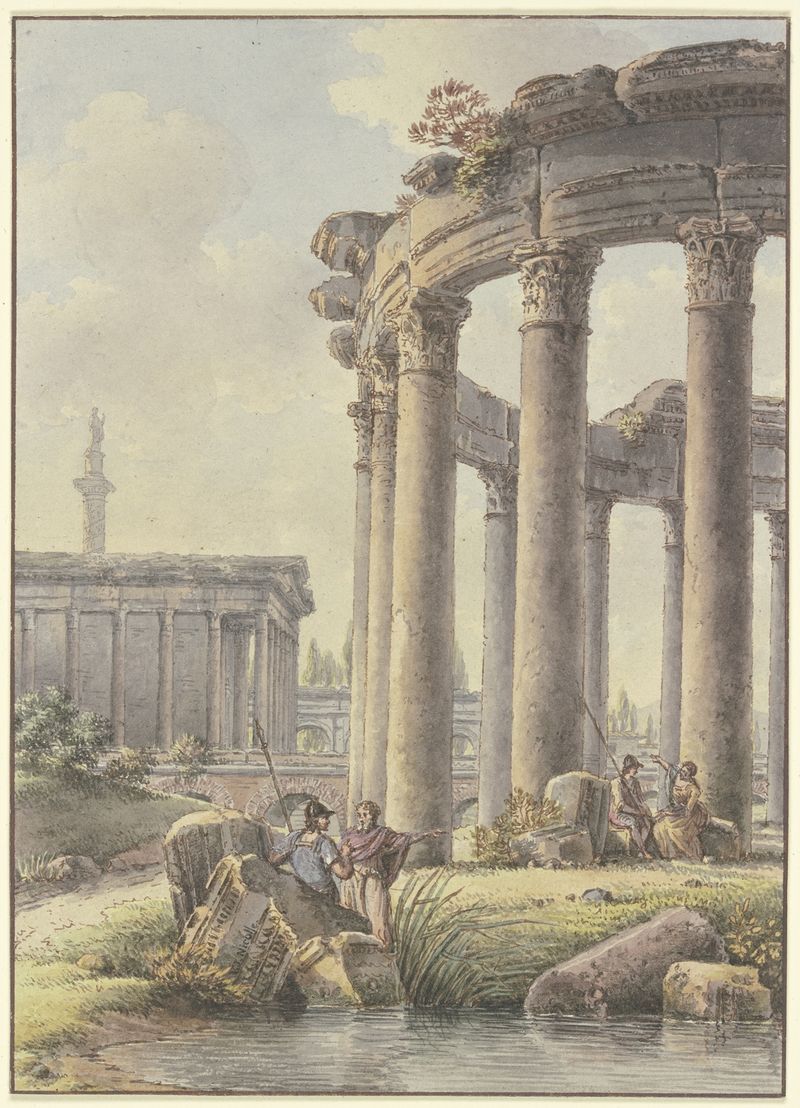
Architektonisches Capriccio; Ruinen eines Rundtempels, im Hintergrund die Trajansäule
Victor-Jean Nicolle
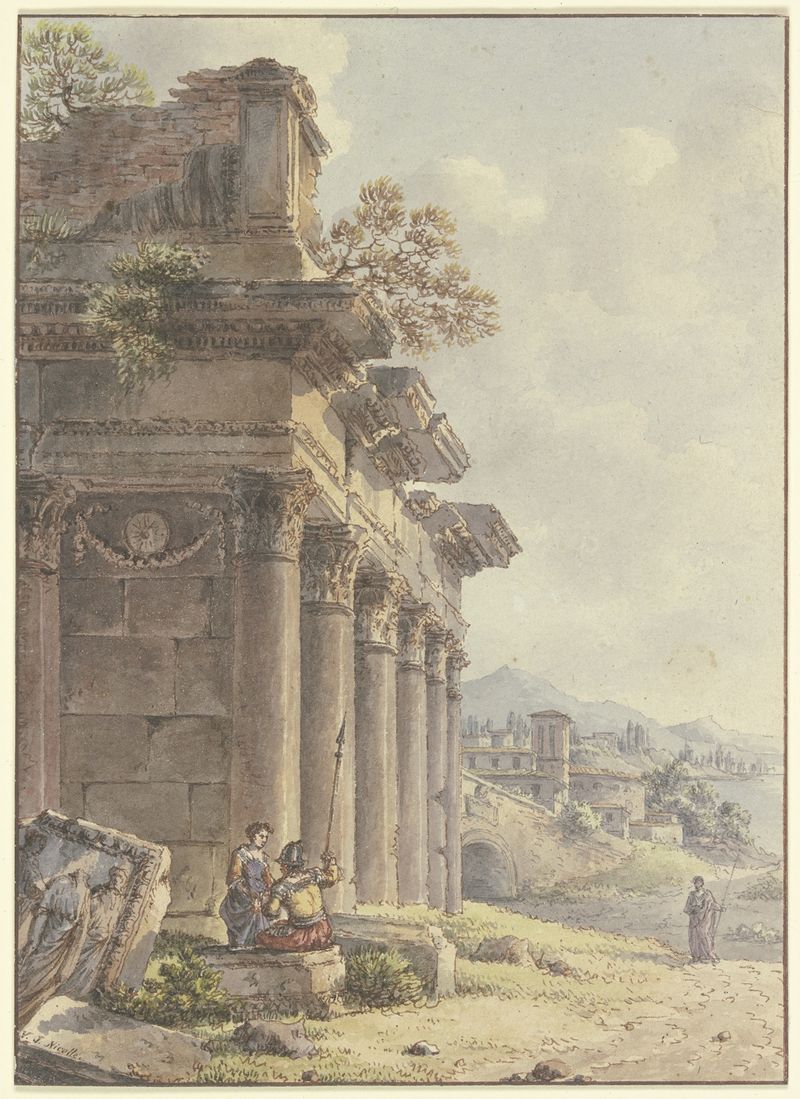
Architektonisches Capriccio; Ruinen einer Tempelfassade, im Hintergrund Landschaft mit Gebäuden und Seebucht
Victor-Jean Nicolle
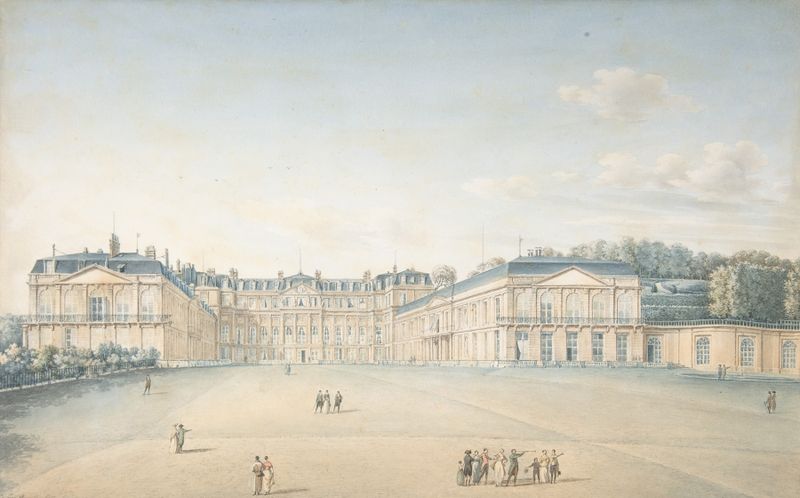
Courtyard of the Chateau de Saint-Cloud
Victor-Jean Nicolle

The Tiber at the Outskirts of Rome
Victor-Jean Nicolle
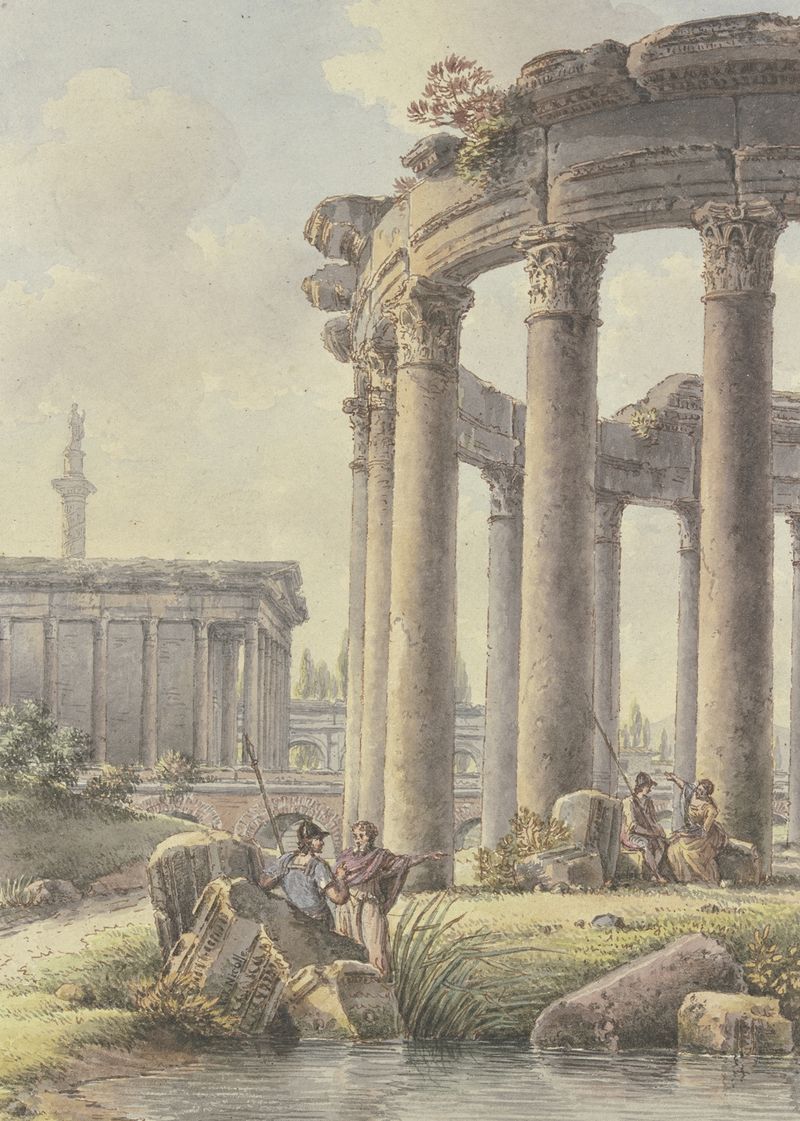
Architektonisches Capriccio, Ruinen eines Rundtempels, im Hintergrund die Trajansäule
Victor-Jean Nicolle





