
Courtyard of the Chateau de Saint-Cloud — History & Facts
In the stillness of the past, a void whispers through time, holding the echoes of lives lived and lost in nature’s embrace. Look to the center, where the grand chateau stands proud, its architectural elegance framed by lush greenery and soft clouds. Notice how the light dances across the surface of the buildings, illuminating the warm hues of ochre and beige that contrast beautifully with the verdant foliage surrounding it. The meticulous detailing in the foliage invites your eye to wander, revealing the artist's skilled hand and thoughtful composition at every turn. Beyond the beauty, layers of meaning unfurl like petals in bloom.
The chateau, a symbol of opulence, coexists with nature, reminding us of the transient nature of human achievement against the eternal backdrop of the earth. Hidden moments of stillness contrast with the vibrant life of the gardens, suggesting a deeper reflection on the void that time creates around even the most splendid of structures. This interplay of grandeur and decay speaks to the ephemerality of existence, allowing the viewer to ponder what remains when the world fades. Victor-Jean Nicolle painted this scene during the late 18th to early 19th century, a period marked by the transition of art from neoclassicism to romanticism.
Living in France, he found inspiration in the changing landscape, capturing the essence of places that resonated with stories and histories. As the world around him evolved, so too did his brush, creating a lasting testament to the interplay between architecture and nature at the Chateau de Saint-Cloud.
More Artworks by Victor-Jean Nicolle
Browse all →
Fontana di Trevi, gezien vanuit het Westen
Victor-Jean Nicolle
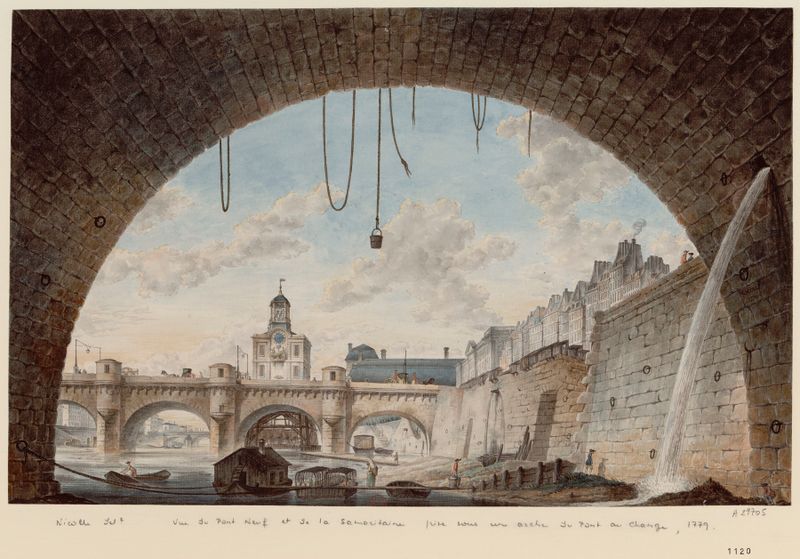
Vue du Pont Neuf et de la Samaritaine prise sous une arche du Pont au Change
Victor-Jean Nicolle
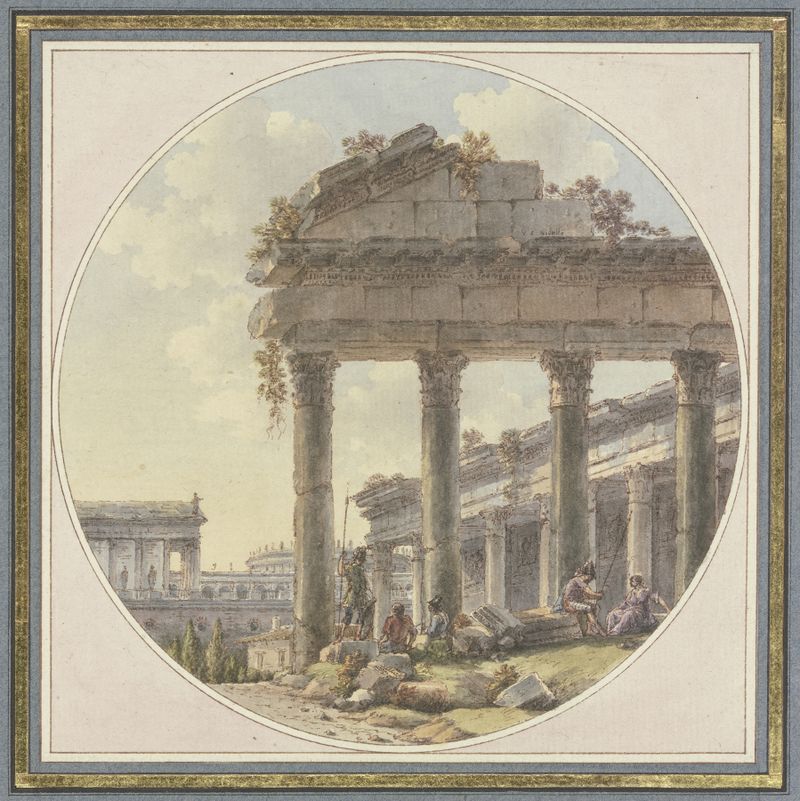
Architektonisches Capriccio; Tempelruine und Figurenstaffage
Victor-Jean Nicolle
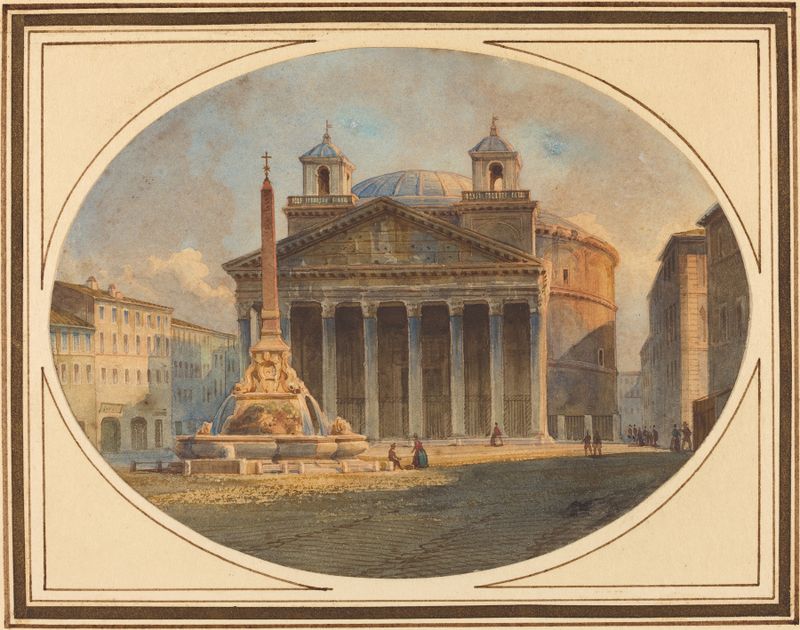
The Pantheon
Victor-Jean Nicolle
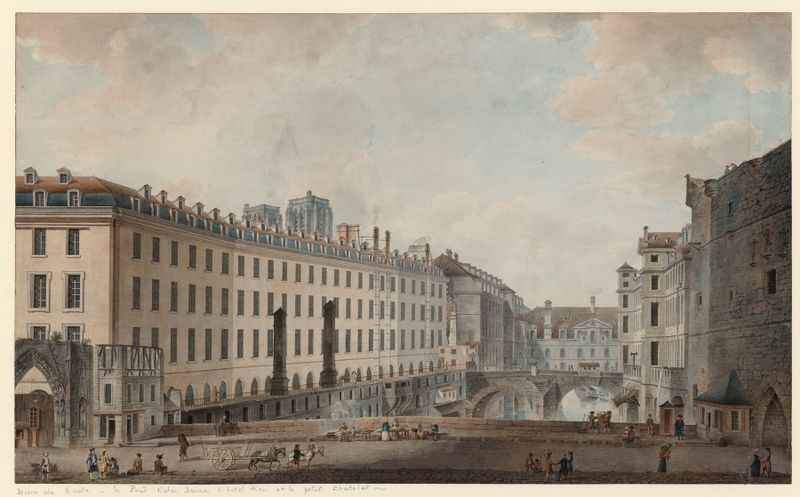
Le Pont au Double, l’Hôtel-Dieu et le Petit Châtelet
Victor-Jean Nicolle
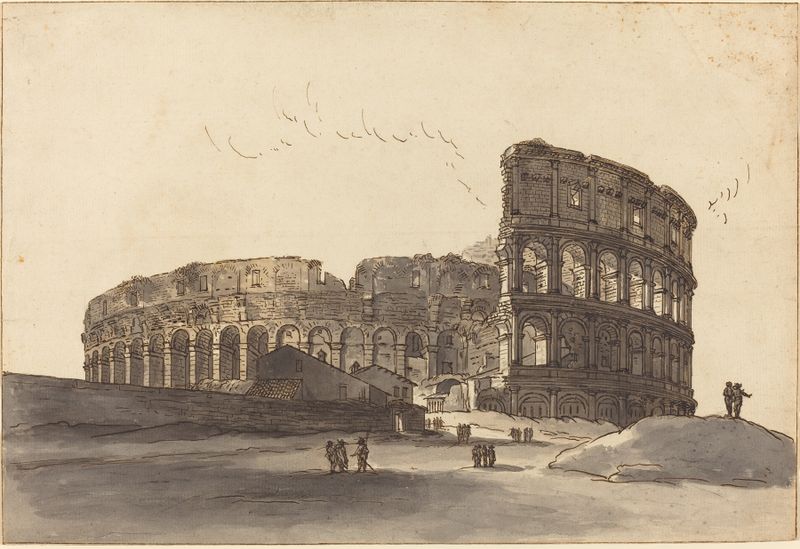
The Colosseum
Victor-Jean Nicolle
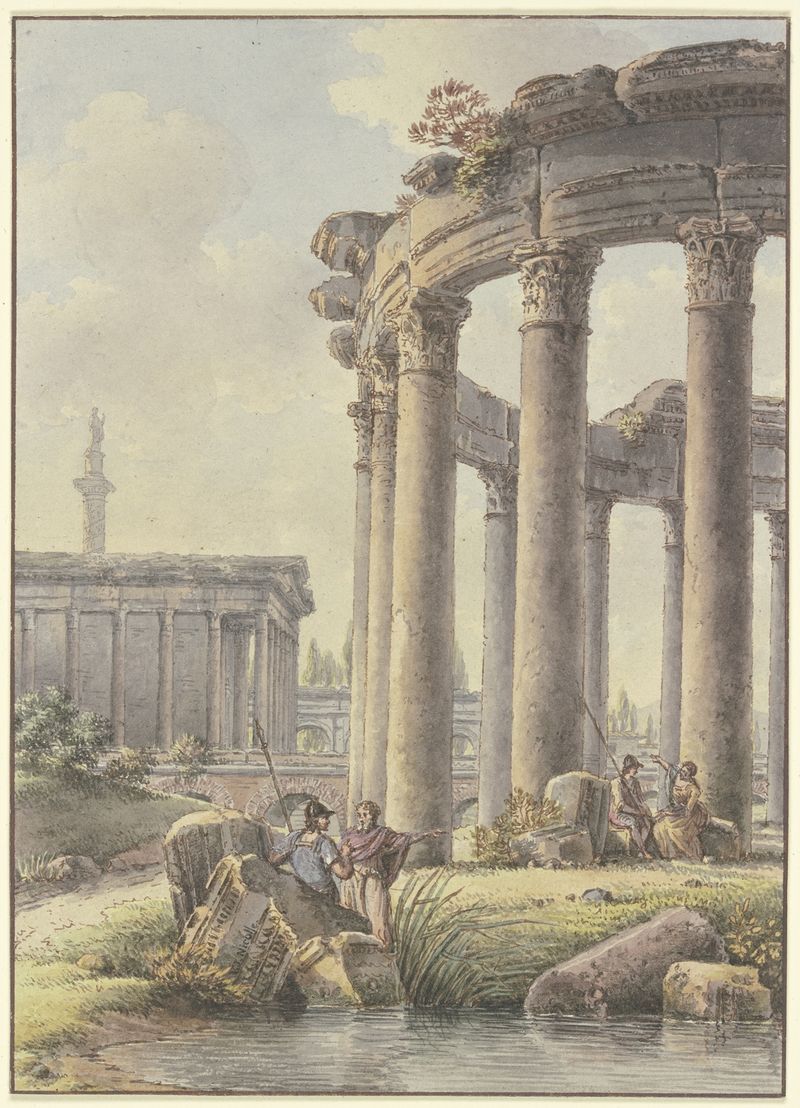
Architektonisches Capriccio; Ruinen eines Rundtempels, im Hintergrund die Trajansäule
Victor-Jean Nicolle
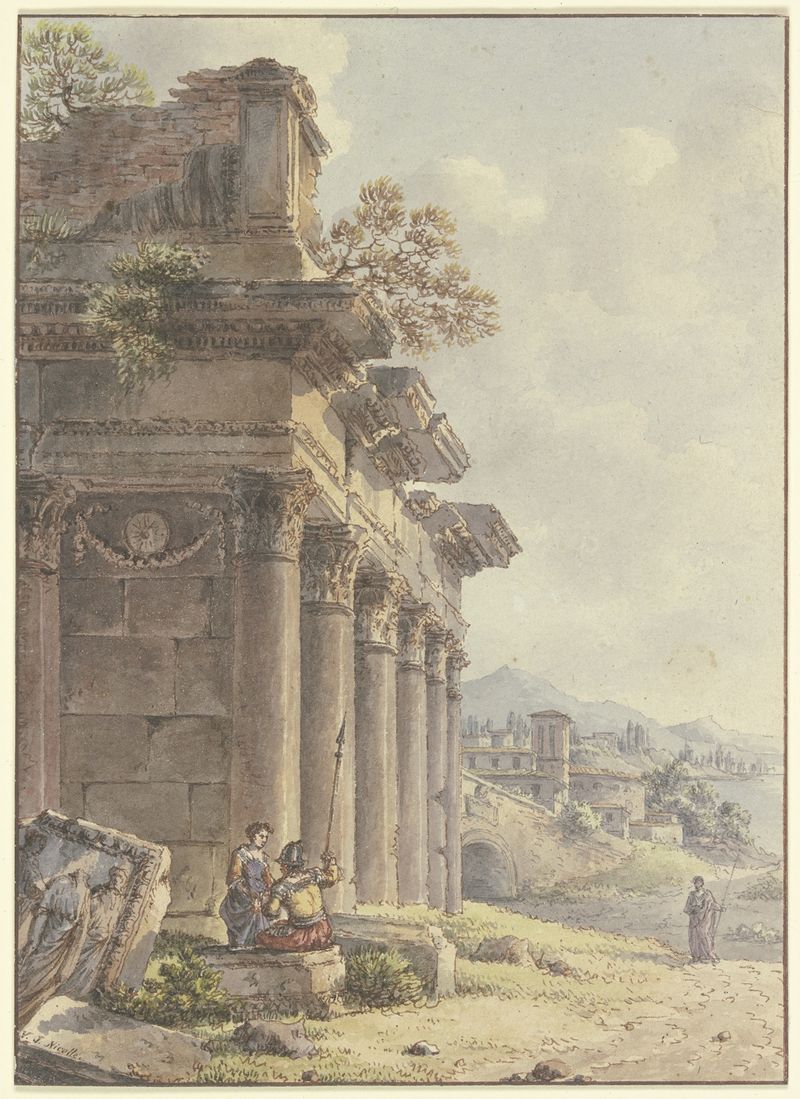
Architektonisches Capriccio; Ruinen einer Tempelfassade, im Hintergrund Landschaft mit Gebäuden und Seebucht
Victor-Jean Nicolle

The Tiber at the Outskirts of Rome
Victor-Jean Nicolle
Architektonisches Capriccio, Ruinen eines Rundtempels, im Hintergrund die Trajansäule
Victor-Jean Nicolle





