
The Pantheon — History & Facts
Did the painter know this moment would outlive them? In The Pantheon, the sweeping architecture stands testament to both human ingenuity and the enduring nature of faith, a dialogue between heaven and earth captured in a single frame. Look to the left at the impressive façade, where the grand columns reach toward the sky, their shadows sculpting the ground beneath. The careful interplay of light and shadow accentuates intricate details, each curve and angle meticulously rendered. Nicolle’s palette employs soft earth tones ranging from warm ochres to muted grays, evoking a sense of serenity and reverence that draws the viewer further into this sacred space. Beneath the monumental structure lies an emotional undercurrent, as the artist contrasts the firm stability of stone with the ethereal quality of light filtering through the open dome.
This interplay suggests not merely a physical space, but a metaphysical one, where the presence of the divine may be felt amidst the weight of history. The figures at the base—small, almost insignificant against the vastness of the architecture—remind us of humanity's place within this grand narrative, caught in a moment of worship and reflection. Victor-Jean Nicolle painted The Pantheon during a time when neoclassicism was in full bloom, and architectural wonders were often romanticized. Working primarily in France, his career unfolded against a backdrop of national pride and artistic revival.
The precise date of this work remains uncertain, yet it reflects a moment when creativity flourished, intertwining art, spirituality, and a deep reverence for the past.
More Artworks by Victor-Jean Nicolle
Browse all →
Fontana di Trevi, gezien vanuit het Westen
Victor-Jean Nicolle
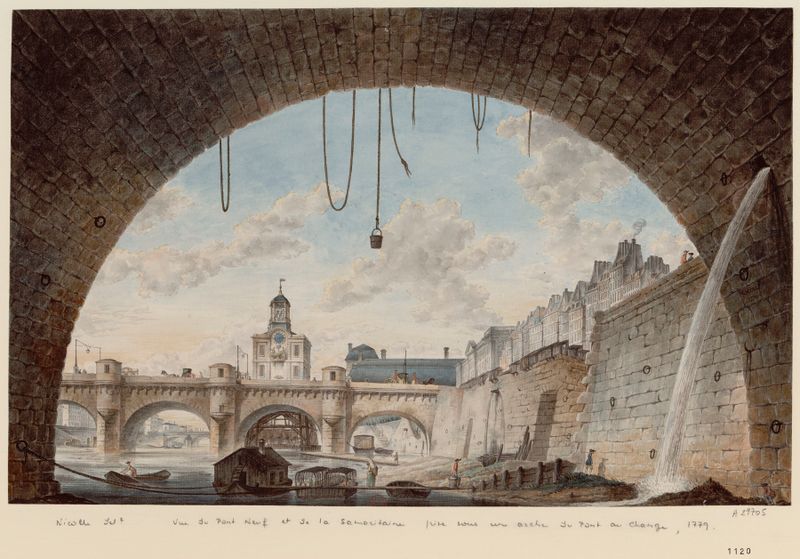
Vue du Pont Neuf et de la Samaritaine prise sous une arche du Pont au Change
Victor-Jean Nicolle
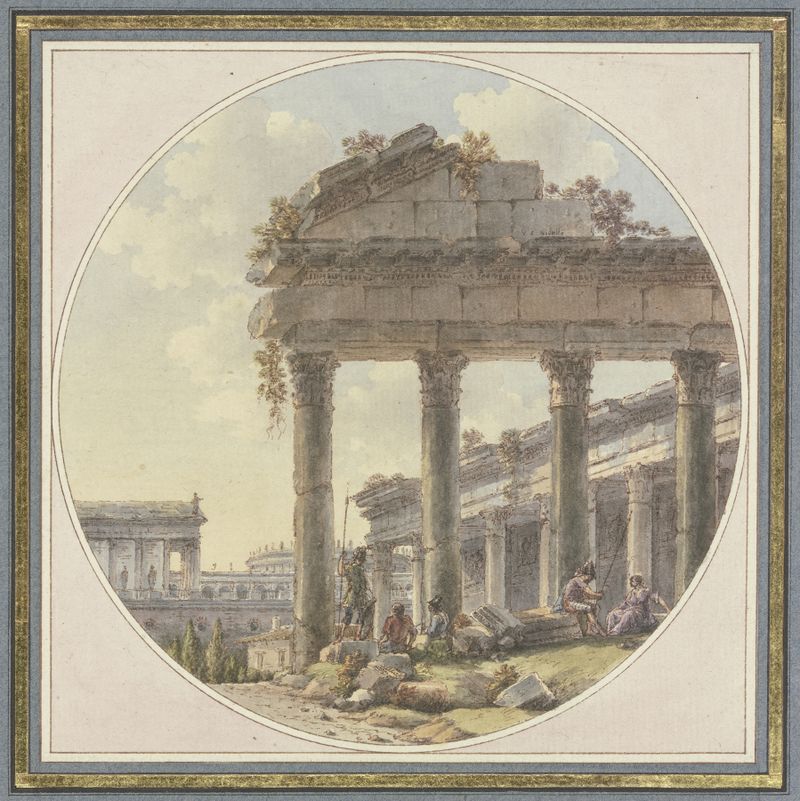
Architektonisches Capriccio; Tempelruine und Figurenstaffage
Victor-Jean Nicolle
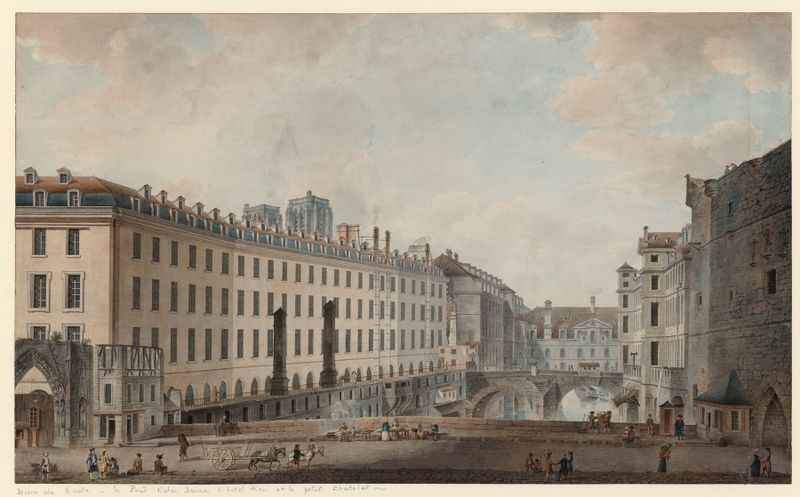
Le Pont au Double, l’Hôtel-Dieu et le Petit Châtelet
Victor-Jean Nicolle
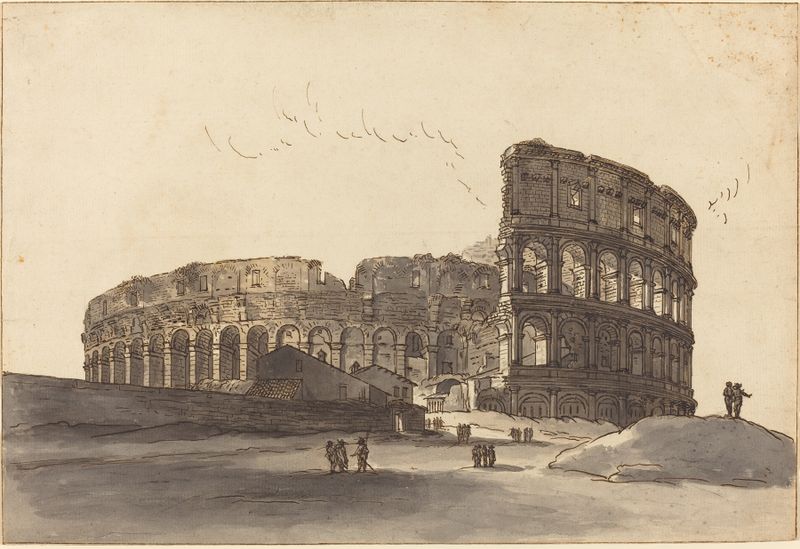
The Colosseum
Victor-Jean Nicolle
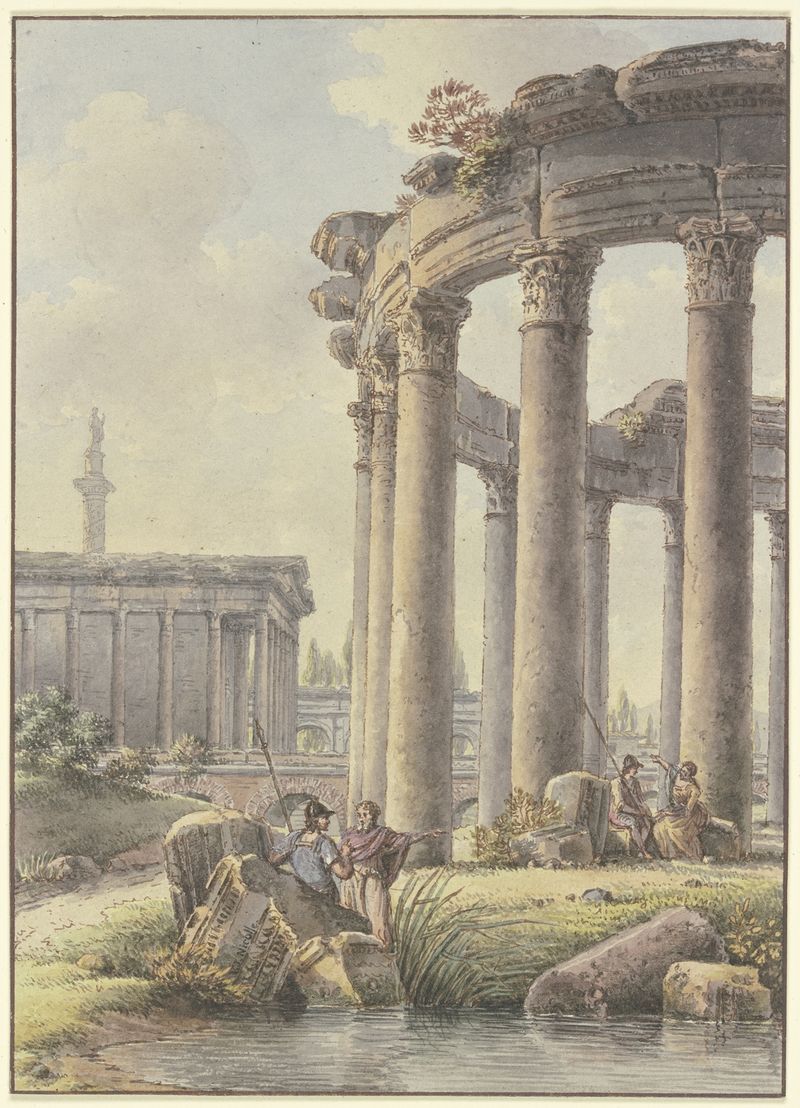
Architektonisches Capriccio; Ruinen eines Rundtempels, im Hintergrund die Trajansäule
Victor-Jean Nicolle
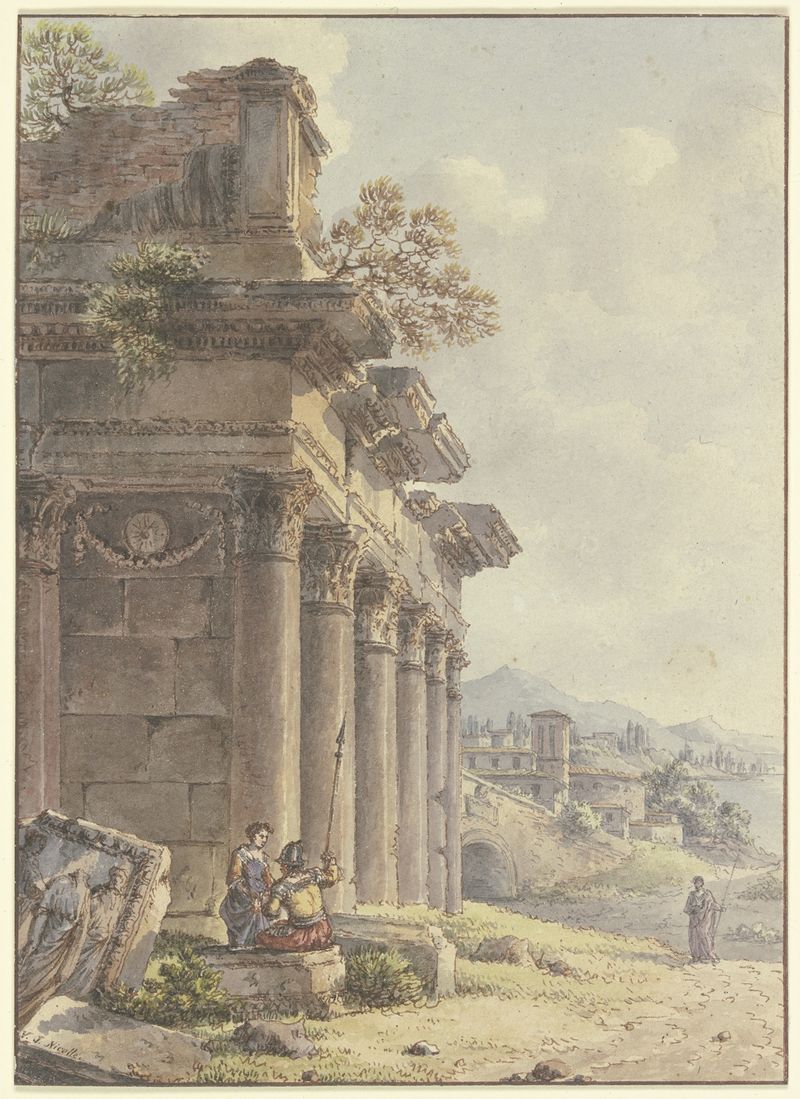
Architektonisches Capriccio; Ruinen einer Tempelfassade, im Hintergrund Landschaft mit Gebäuden und Seebucht
Victor-Jean Nicolle
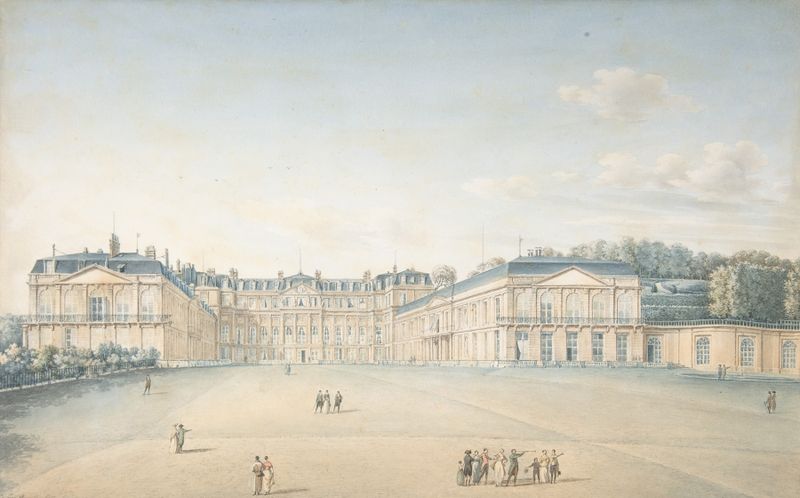
Courtyard of the Chateau de Saint-Cloud
Victor-Jean Nicolle

The Tiber at the Outskirts of Rome
Victor-Jean Nicolle
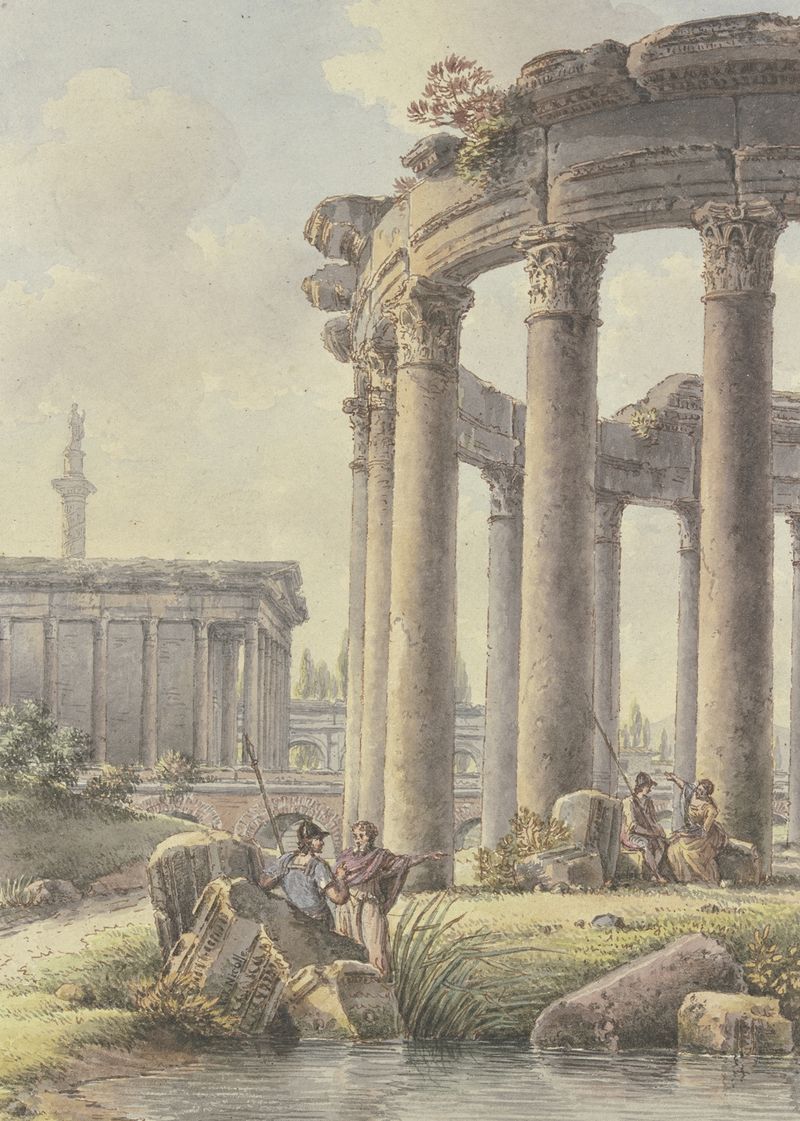
Architektonisches Capriccio, Ruinen eines Rundtempels, im Hintergrund die Trajansäule
Victor-Jean Nicolle
More Architecture Art
Browse all →
The statue of Liberty
Frédéric Auguste Bartholdi

View of Houses in Delft, Known as ‘The Little Street’
Johannes Vermeer

View of Houses in Delft, Known as ‘The Little Street’
Johannes Vermeer

The Cathedral in Rouen. The portal, Grey Weather
Claude Monet

The yellow house
Vincent van Gogh

The Church in Auvers-sur-Oise, View from the Chevet
Vincent van Gogh