
Architektonisches Capriccio; Ruinen einer Tempelfassade, im Hintergrund Landschaft mit Gebäuden und Seebucht — History & Facts
In the intricate dance of architecture and nature, we find the boundless obsession of the human spirit for beauty and order. Look closely at the left side of the canvas, where the remnants of a once-magnificent temple façade rise defiantly against the serenity of the landscape. The light gently caresses the ruins, highlighting the delicate interplay of shadows that hint at the passage of time. Notice how the muted earth tones of the stone contrast with the vibrant blues and greens of the surrounding landscape, creating a visual dialogue that speaks of decay and rebirth. Yet, within the splendor of the composition lies a profound melancholy.
The juxtaposition of the temple’s crumbling form and the tranquil bay suggests an eternal yearning for what has been lost. The sprawling landscape in the background, dotted with distant structures, evokes a sense of nostalgia for a civilization that once flourished, now merely echoes in the memories of stone. This tension between the past and present, vitality and decay, is intricately woven into the fabric of the piece. Victor-Jean Nicolle painted this work during a time when the neoclassical movement was at its peak, drawing inspiration from antiquity and exploring the sublime nature of ruins.
He likely created Architektonisches Capriccio; Ruinen einer Tempelfassade amidst a burgeoning interest in archaeology and historical landscapes in the late 18th to early 19th century, a period marked by both artistic exploration and a growing obsession with the remnants of past civilizations.
More Artworks by Victor-Jean Nicolle
Browse all →
Fontana di Trevi, gezien vanuit het Westen
Victor-Jean Nicolle
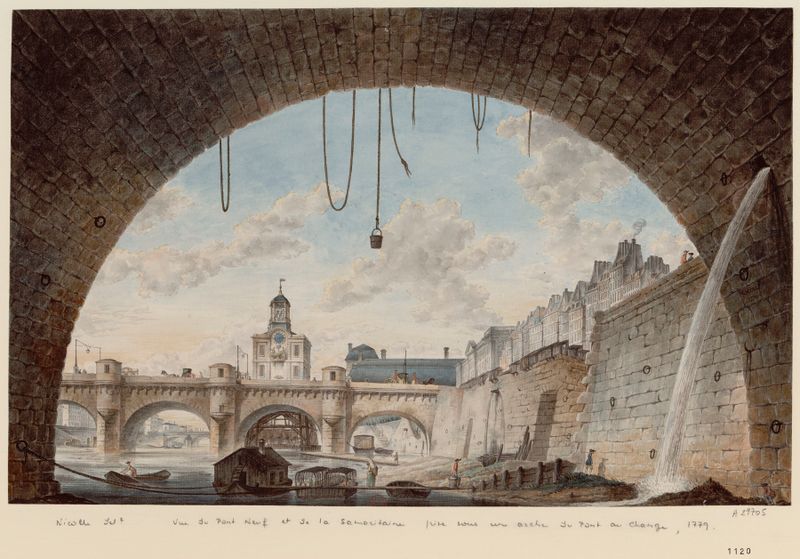
Vue du Pont Neuf et de la Samaritaine prise sous une arche du Pont au Change
Victor-Jean Nicolle
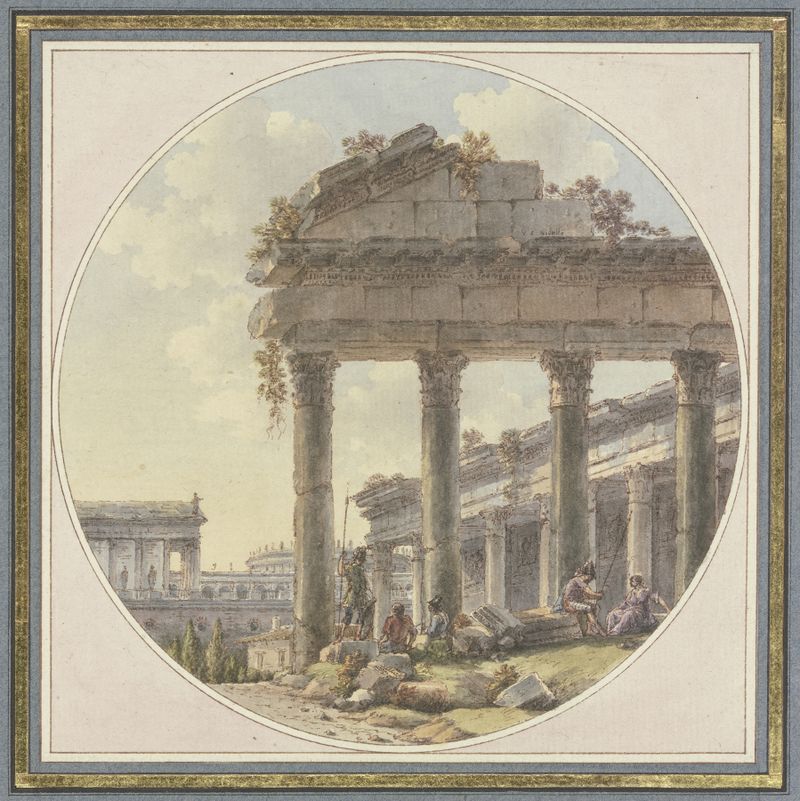
Architektonisches Capriccio; Tempelruine und Figurenstaffage
Victor-Jean Nicolle
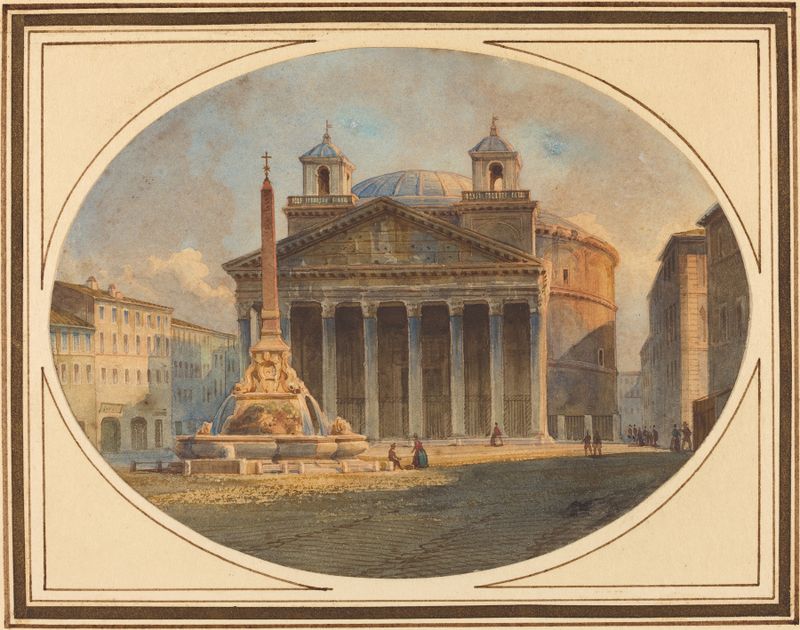
The Pantheon
Victor-Jean Nicolle
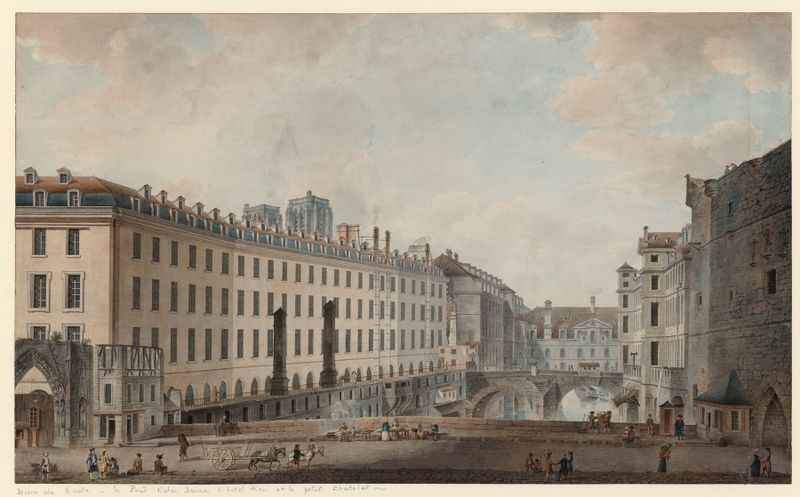
Le Pont au Double, l’Hôtel-Dieu et le Petit Châtelet
Victor-Jean Nicolle
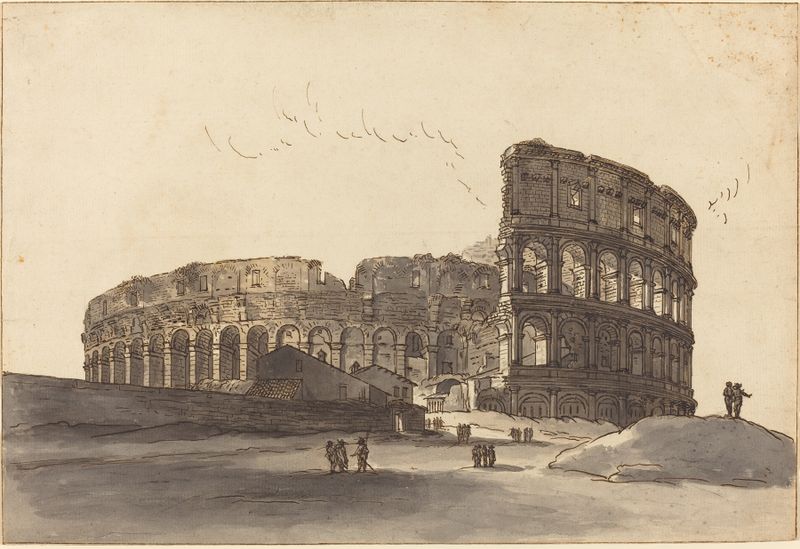
The Colosseum
Victor-Jean Nicolle
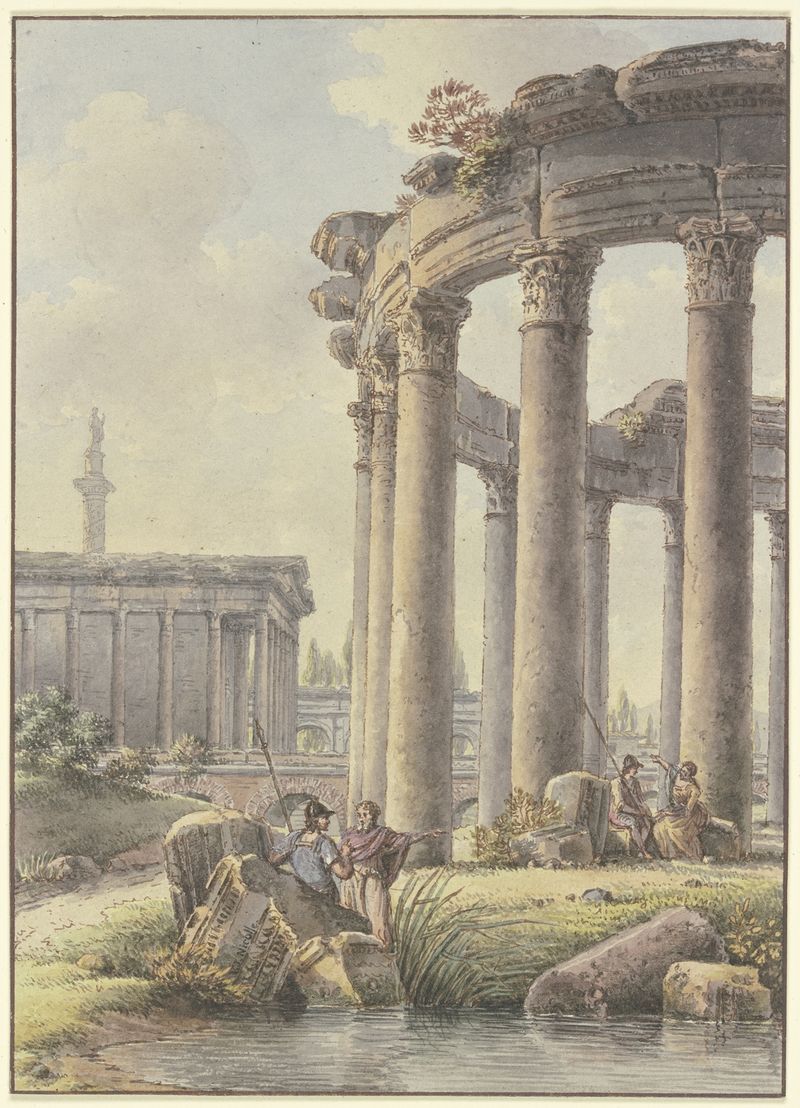
Architektonisches Capriccio; Ruinen eines Rundtempels, im Hintergrund die Trajansäule
Victor-Jean Nicolle
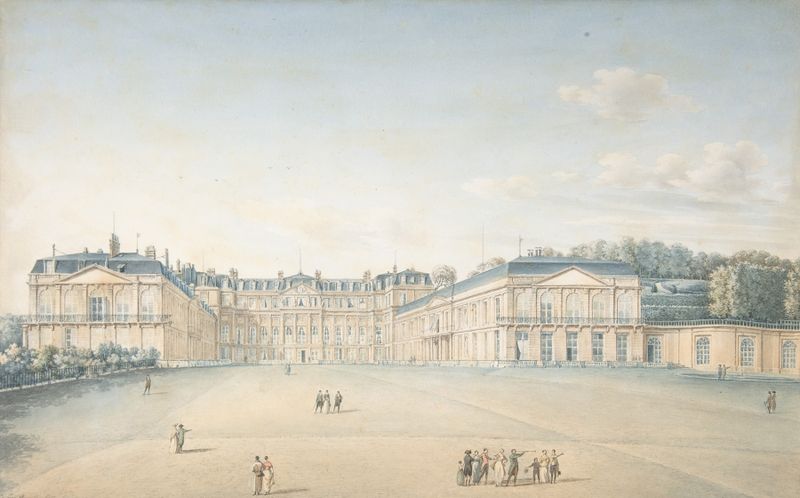
Courtyard of the Chateau de Saint-Cloud
Victor-Jean Nicolle

The Tiber at the Outskirts of Rome
Victor-Jean Nicolle
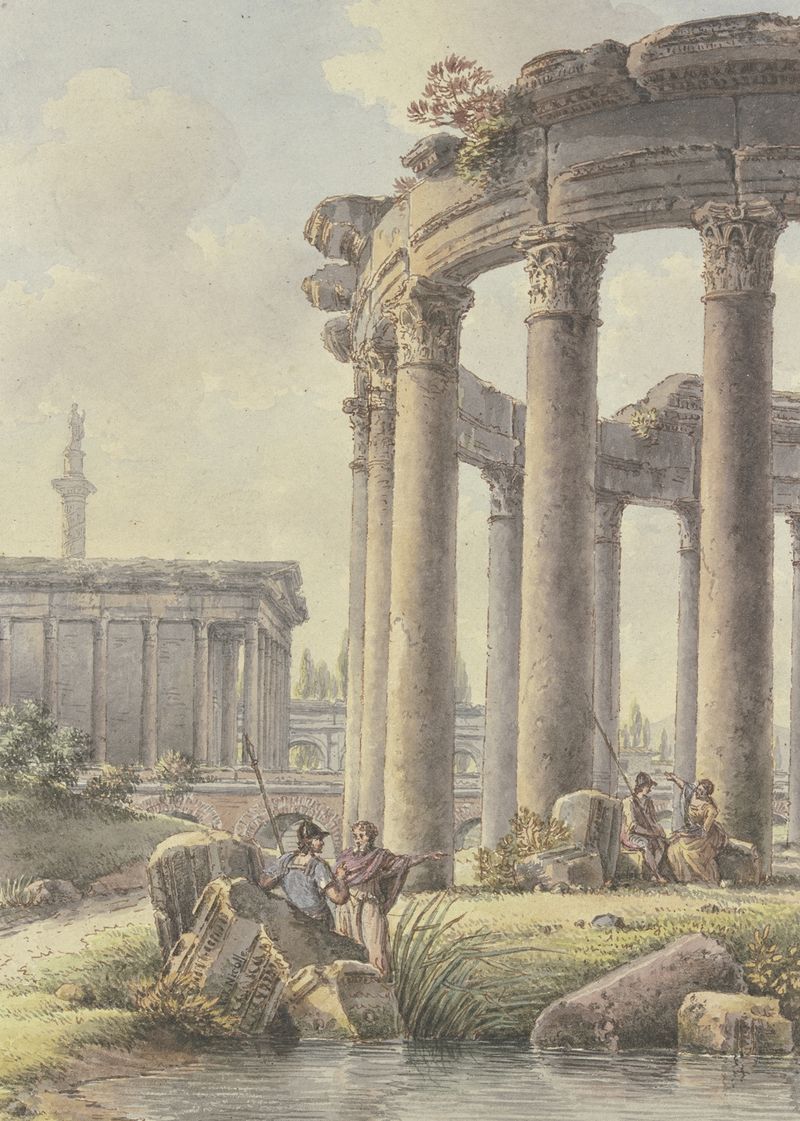
Architektonisches Capriccio, Ruinen eines Rundtempels, im Hintergrund die Trajansäule
Victor-Jean Nicolle





