
Architektonisches Capriccio, Ruinen eines Rundtempels, im Hintergrund die Trajansäule — History & Facts
In the world of art, shadows often reveal deeper truths than the light itself can illuminate. Look closely at the ruins depicted in Architektonisches Capriccio, Ruinen eines Rundtempels, im Hintergrund die Trajansäule. The intricate details of the temple’s crumbling columns draw your eye first, framed against the majestic backdrop of Trajan’s Column. Notice how the artist’s brush strokes evoke both the strength and fragility of these ancient structures, with muted earth tones contrasted by the soft, almost ethereal whites of the clouds.
Shadows play a critical role here, emphasizing the depth and history of the scene while inviting the viewer to explore hidden corners of ruin and decay. Beyond the architectural grandeur, the painting whispers stories of resilience and time. The juxtaposition of the sturdy columns and the soft shadows evokes a profound sense of loss, hinting at the passage of civilizations. The light that bathes the scene transforms the ruins into a reflection of memory, inviting us to ponder what has been lost to history.
The intricate interplay between light and shadow not only highlights the artistry but also deepens the emotional undercurrents, reminding us of the transient nature of human endeavor. Victor-Jean Nicolle created this work during the late 18th to early 19th century, a period marked by a growing fascination with classical antiquity. Living in Paris, Nicolle was immersed in the Neoclassical movement, diligently capturing the essence of ruins that spoke of both beauty and decay. At this time, artists sought to synthesize past inspirations with contemporary vision, a sentiment reflected in his architectural landscapes, stirring a dialogue between the historical and the modern.
More Artworks by Victor-Jean Nicolle
Browse all →
Fontana di Trevi, gezien vanuit het Westen
Victor-Jean Nicolle
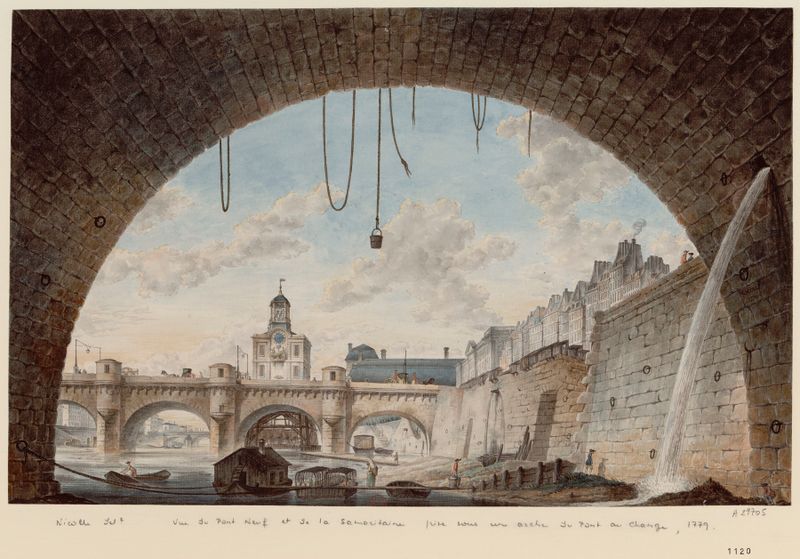
Vue du Pont Neuf et de la Samaritaine prise sous une arche du Pont au Change
Victor-Jean Nicolle
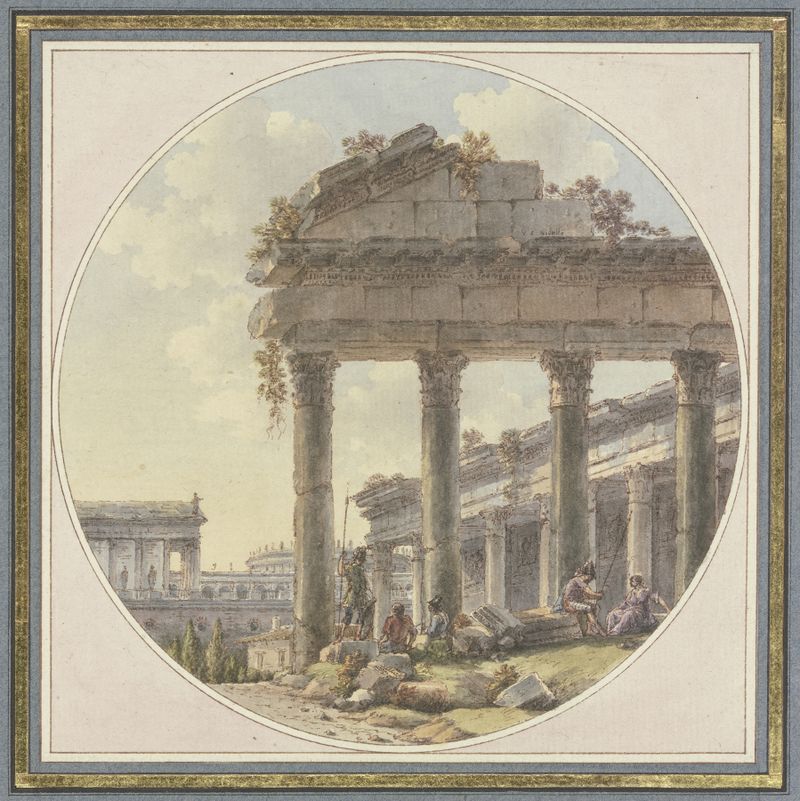
Architektonisches Capriccio; Tempelruine und Figurenstaffage
Victor-Jean Nicolle
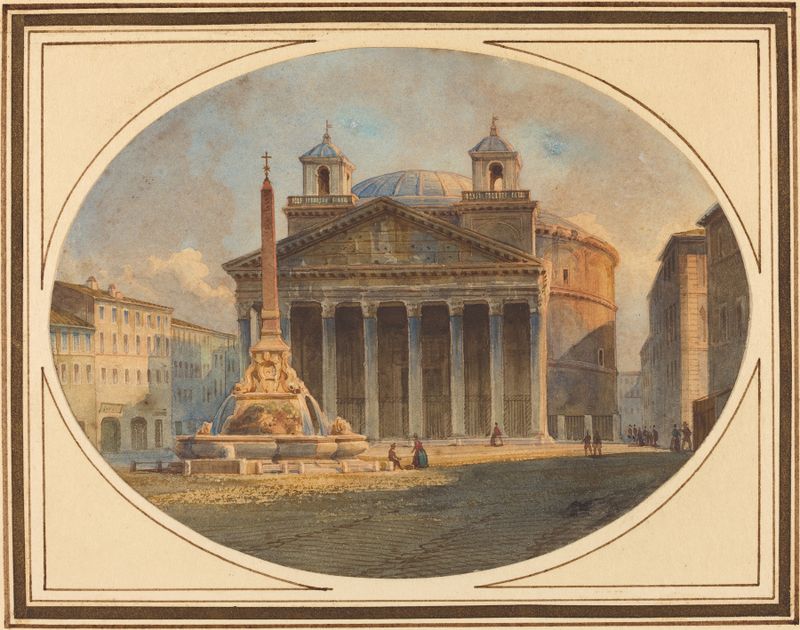
The Pantheon
Victor-Jean Nicolle
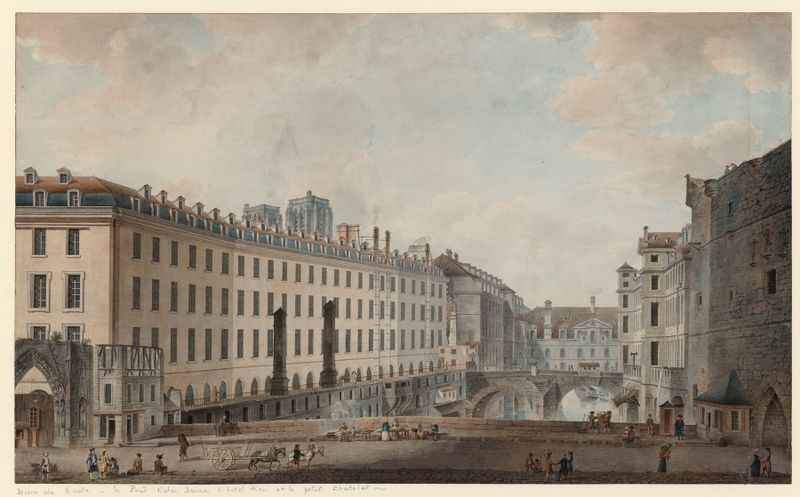
Le Pont au Double, l’Hôtel-Dieu et le Petit Châtelet
Victor-Jean Nicolle
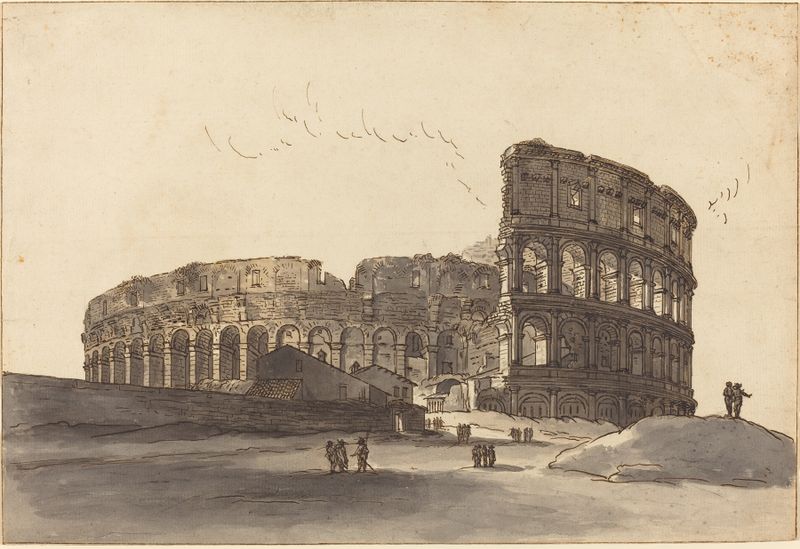
The Colosseum
Victor-Jean Nicolle
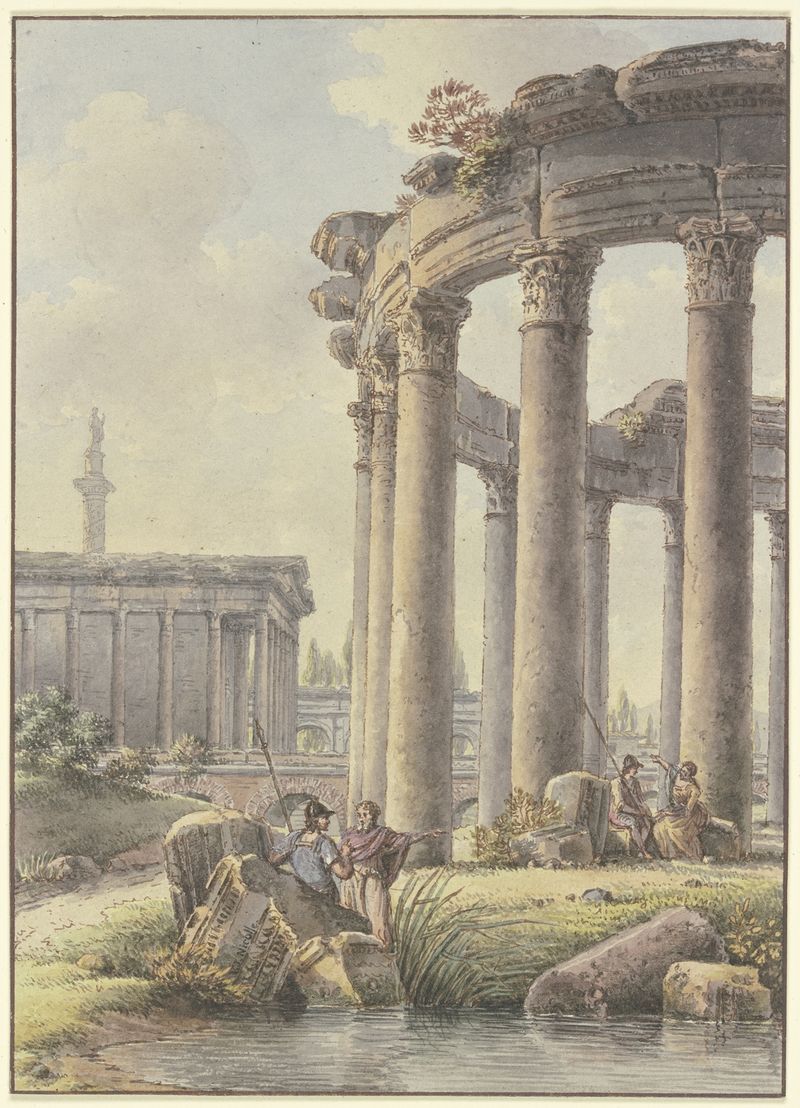
Architektonisches Capriccio; Ruinen eines Rundtempels, im Hintergrund die Trajansäule
Victor-Jean Nicolle
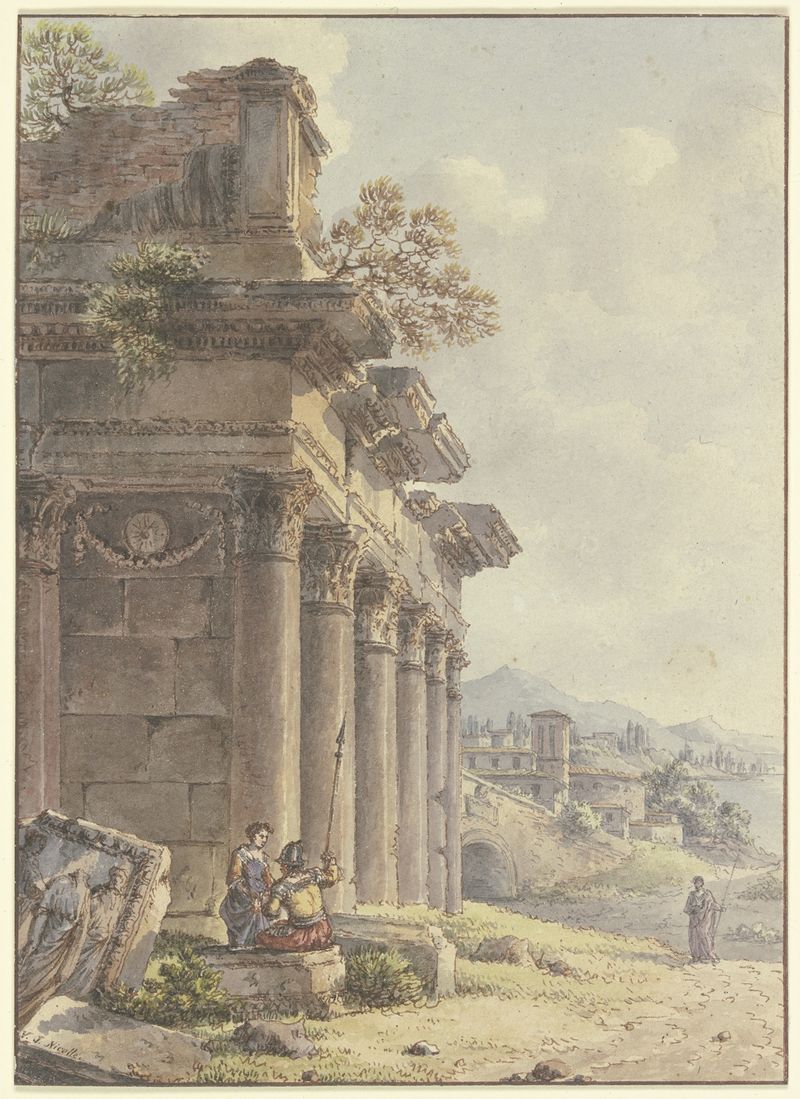
Architektonisches Capriccio; Ruinen einer Tempelfassade, im Hintergrund Landschaft mit Gebäuden und Seebucht
Victor-Jean Nicolle
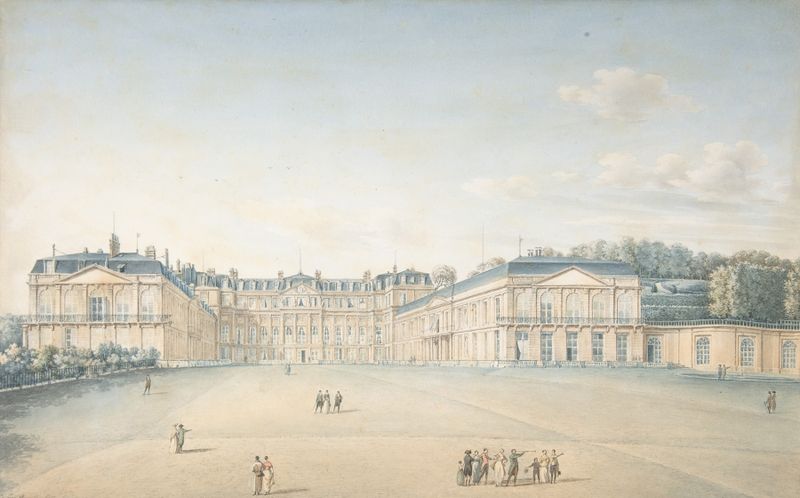
Courtyard of the Chateau de Saint-Cloud
Victor-Jean Nicolle

The Tiber at the Outskirts of Rome
Victor-Jean Nicolle
More Architecture Art
Browse all →
The statue of Liberty
Frédéric Auguste Bartholdi

View of Houses in Delft, Known as ‘The Little Street’
Johannes Vermeer

View of Houses in Delft, Known as ‘The Little Street’
Johannes Vermeer

The Cathedral in Rouen. The portal, Grey Weather
Claude Monet

The yellow house
Vincent van Gogh

The Church in Auvers-sur-Oise, View from the Chevet
Vincent van Gogh