
Ariadne Abandoned by Theseus — History & Facts
In Ariadne Abandoned by Theseus, the viewer sees a desolate Ariadne, draped in flowing fabrics, set against a rocky landscape. The colors are rich, with deep blues and earthy tones dominating the scene. The figures are rendered with a delicate touch, emphasizing the emotional weight of the moment.
The setting enhances the drama, with a distant ship symbolizing Theseus's departure. The painting is executed in oil on canvas, a popular medium for the time, allowing for vibrant colors and detailed textures. Kauffmann's technique showcases her skill in capturing the human form and emotion, particularly in Ariadne's expression of despair. The composition is balanced, drawing the eye to the central figure while providing context through the surrounding elements.
This work exemplifies the Neoclassical style, characterized by its focus on classical themes and clarity. Angelica Kauffmann was a prominent figure in the Neoclassical movement and one of the few female artists of her time to gain recognition. This painting reflects her interest in mythological subjects, which were popular among her contemporaries. An interesting fact about this work is that it was inspired by the ancient Greek myth of Ariadne, who was left on the island of Naxos by Theseus after helping him defeat the Minotaur.
Kauffmann's portrayal of Ariadne captures both her beauty and her profound sense of abandonment.
More Artworks by Angelica Kauffmann
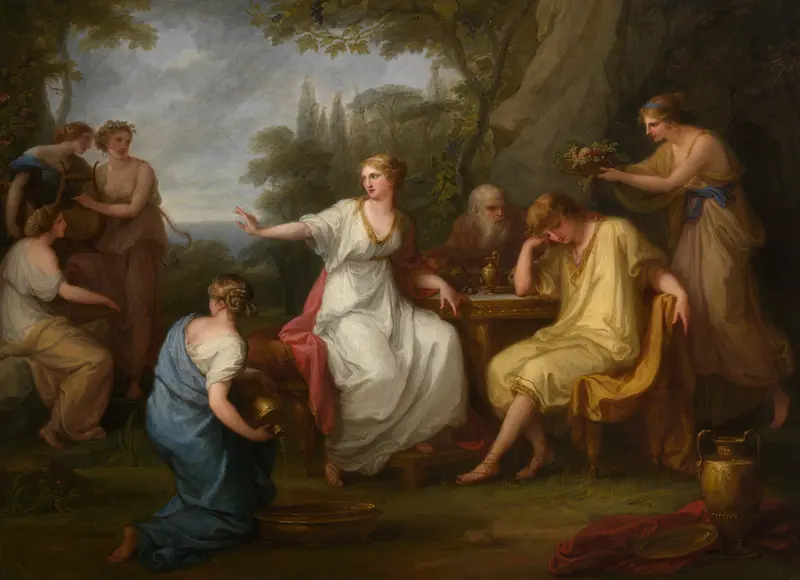
The Sorrow of Telemachus
Angelica Kauffmann

Portrait Of A Lady As A Vestal Virgin
Angelica Kauffmann
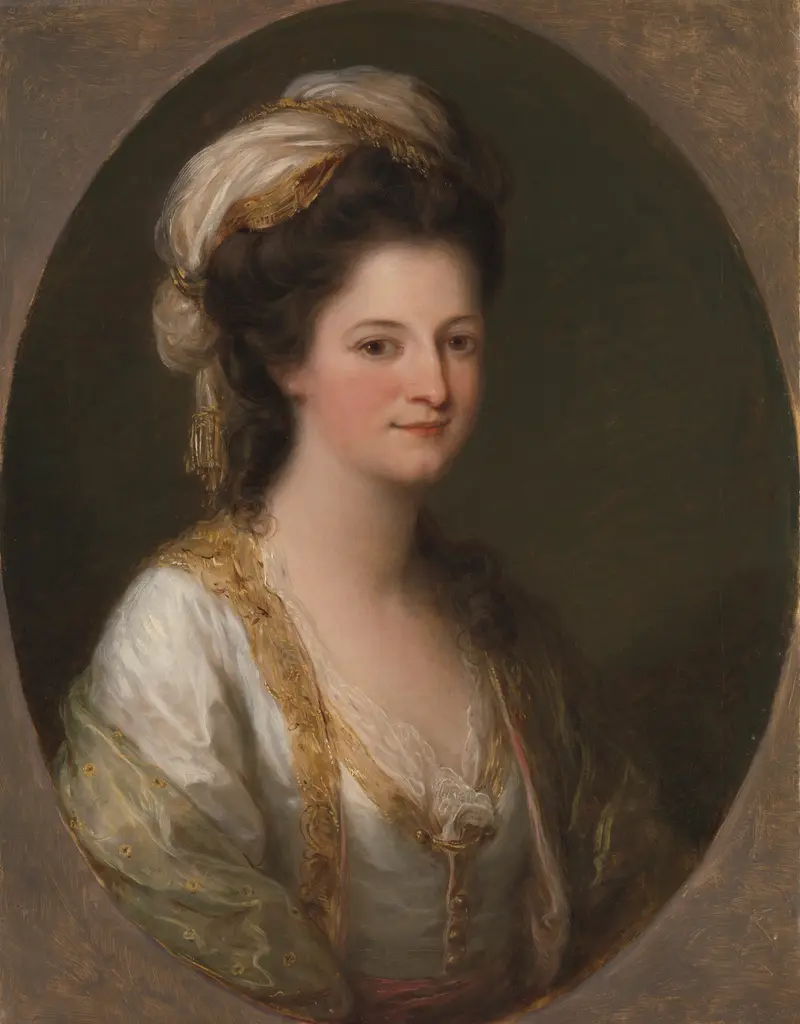
Portrait of a woman, traditionally identified as Lady Hervey
Angelica Kauffmann
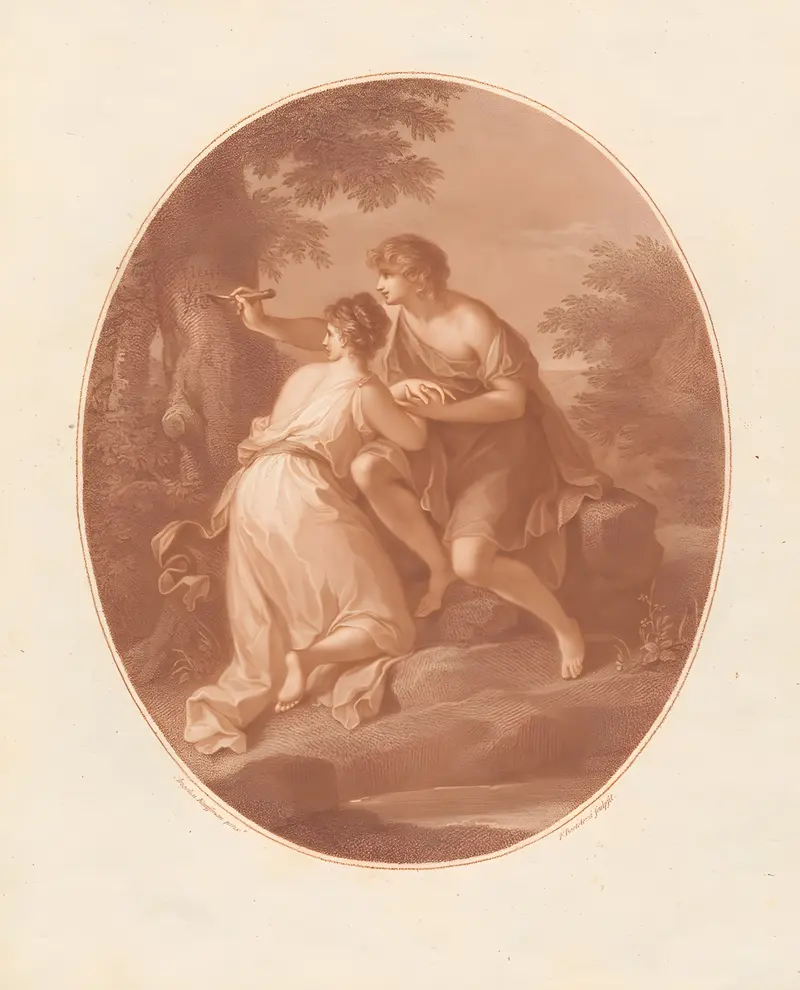
Paris and Oenone
Angelica Kauffmann
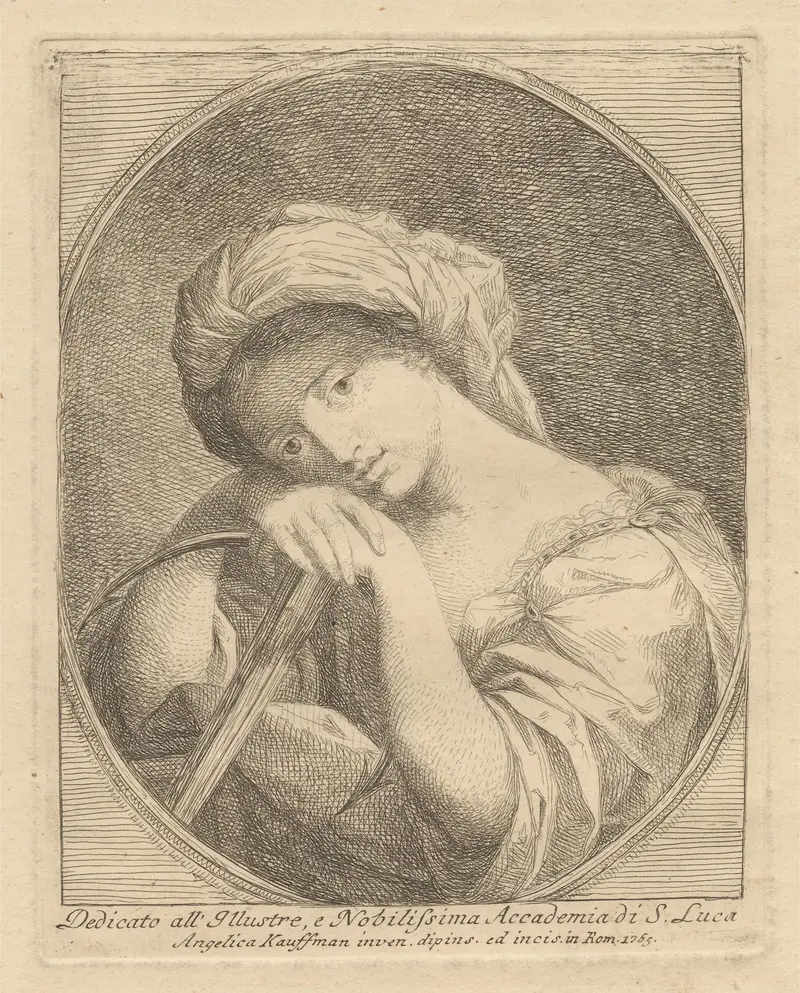
Bust of a Young Woman with Flowers in Her Hair
Angelica Kauffmann
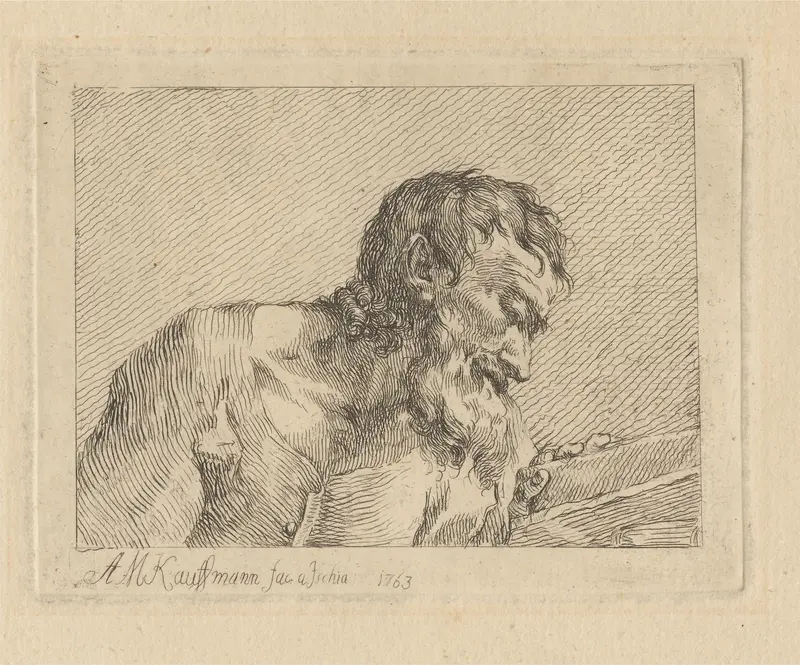
Bust of an Old Man.
Angelica Kauffmann
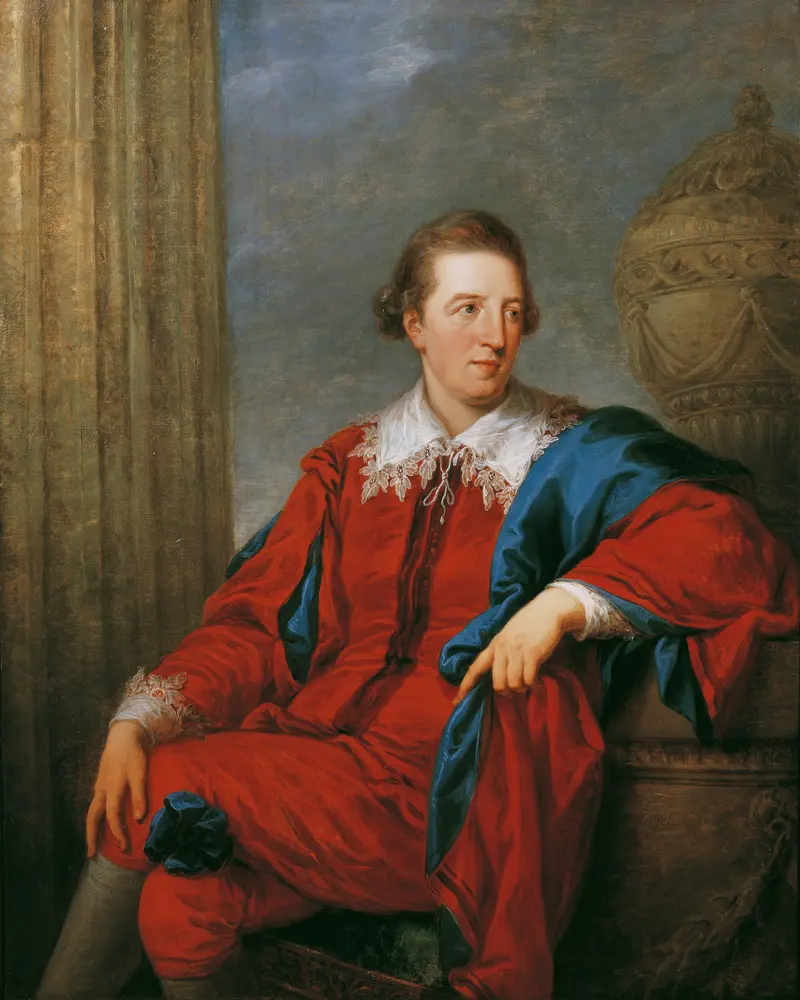
John Simpson, der Vater von Maria Susanna Lady Ravensworth
Angelica Kauffmann
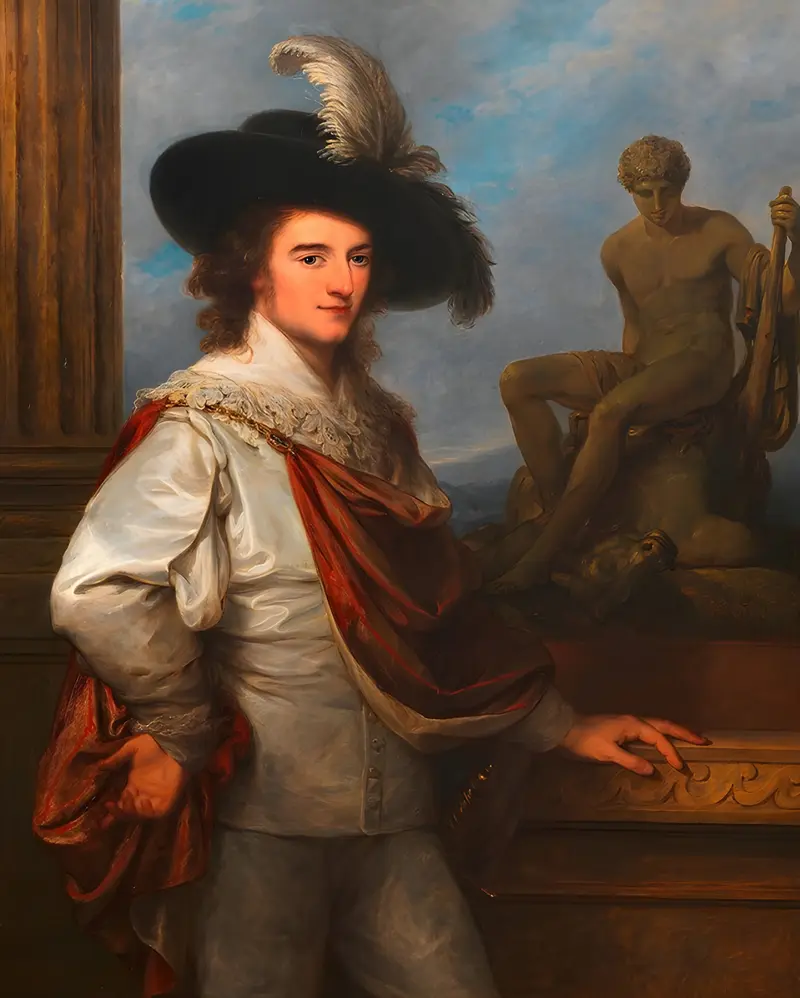
Josef Johann Graf Fries
Angelica Kauffmann
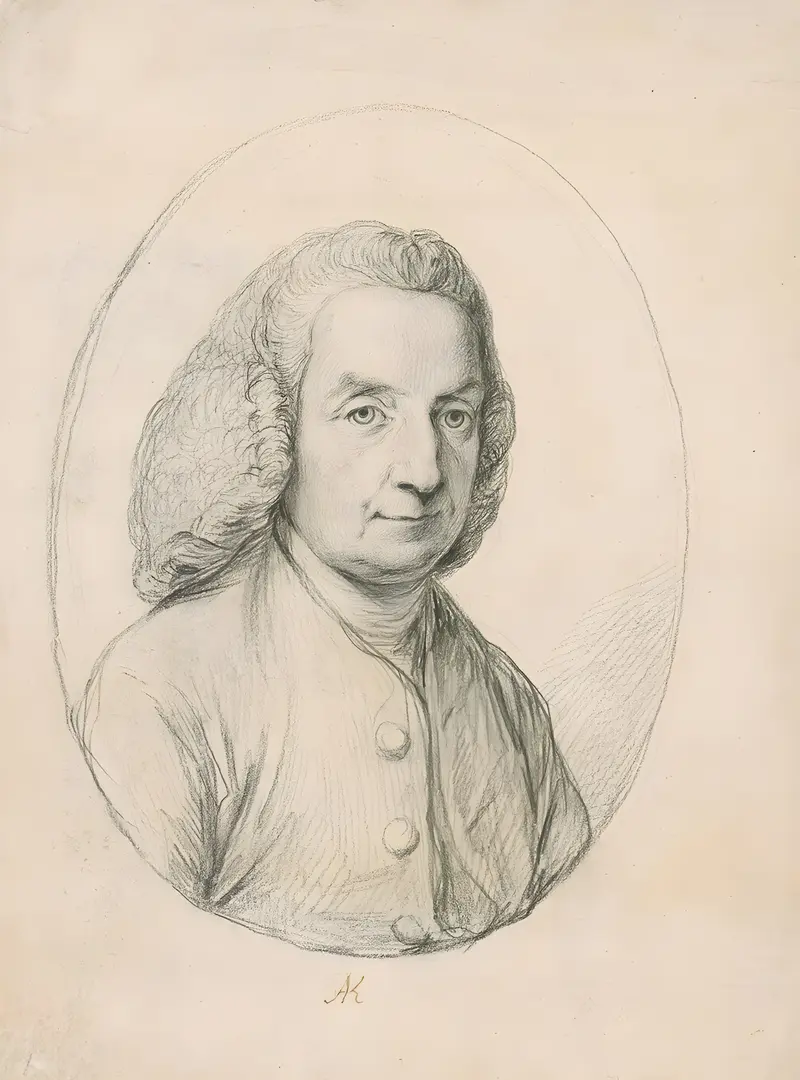
Judge George Robert Hellen (1725-1793)
Angelica Kauffmann
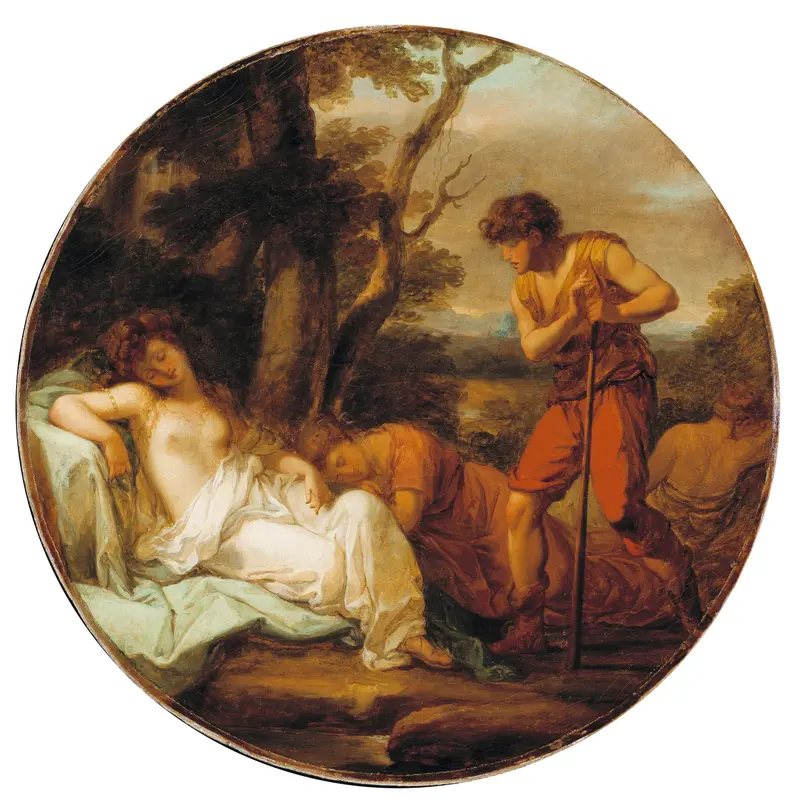
Cymon and Iphigenia
Angelica Kauffmann





