
Arrangement in Yellow and Gray: Effie Deans — History & Facts
A single figure stands wrapped in yellow and gray, her form emerging from the darkness with the quiet gravity of a memory half-recalled. The woman’s profile is turned away, her hand gently at her neck, as if caught in a moment of reflection or uncertainty. The folds of her skirt and the soft sweep of her shawl dissolve into the shadowy background, blurring the boundary between body and air.
Light grazes her cheek and hand, drawing the eye to the delicate tension in her gesture, while the muted palette hushes every detail, inviting close looking. There is no narrative spelled out—just the suggestion of a story, the sense that something private and unspoken lingers in the space around her. Painted between 1876 and 1878, Arrangement in Yellow and Gray: Effie Deans belongs to a period when artists like James McNeill Whistler were redefining the portrait as a study in mood and harmony, rather than a straightforward likeness or social document. The title, only attached years after the work’s creation, alludes to a literary heroine from Walter Scott, but it is the visual music of color and form that dominates.
Such works were often commissioned or collected by those drawn to the new language of modern painting—one that valued atmosphere and suggestion over clarity and narrative. History has kept few traces of the painting’s early journey, but its quiet insistence on mood over message is as striking now as it was in the waning years of the nineteenth century. Let your eyes linger on the soft transitions and shadowy depths; the painting rewards patience.
More Artworks by James McNeill Whistler
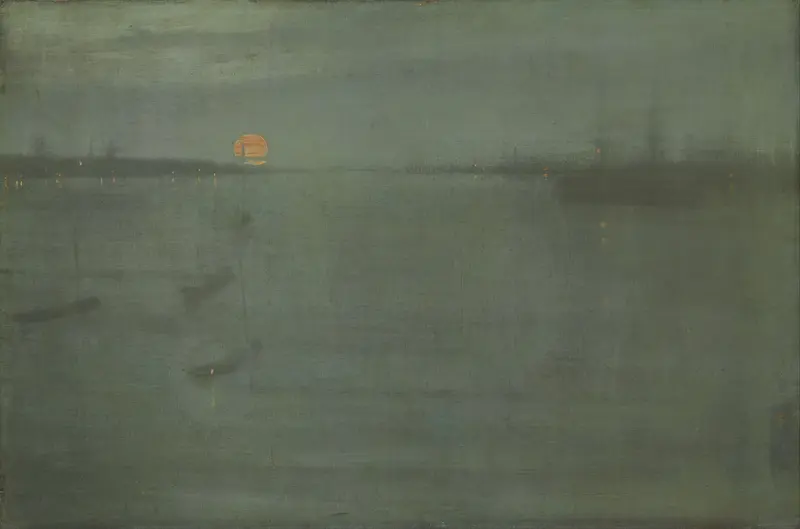
Nocturne: Blue and Gold—Southampton Water
James McNeill Whistler
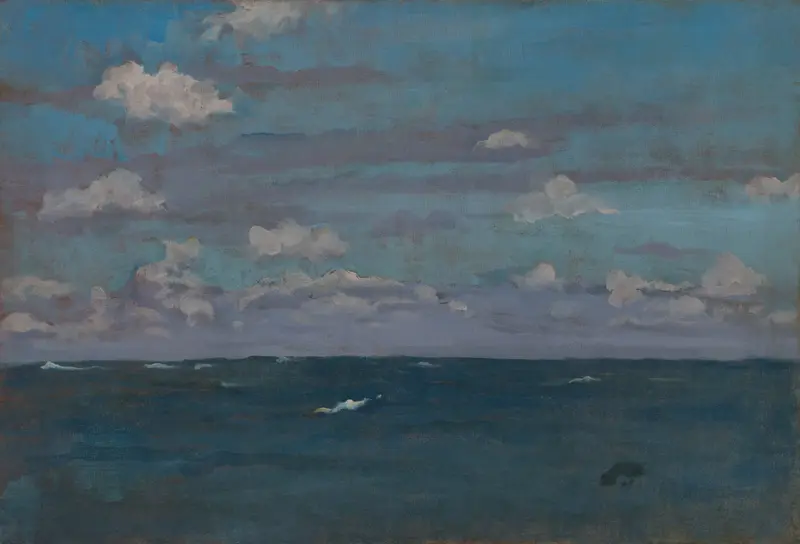
Violet and Silver—The Deep Sea
James McNeill Whistler
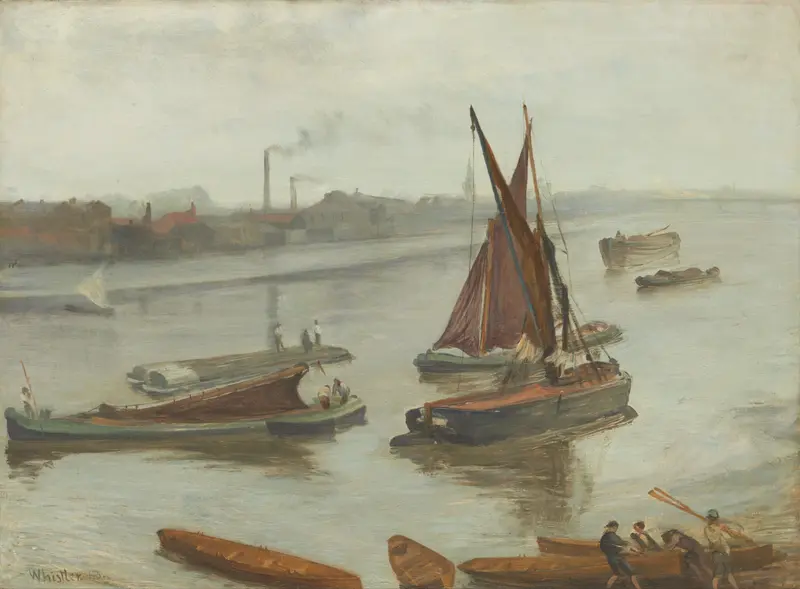
Grey and Silver: Old Battersea Reach
James McNeill Whistler
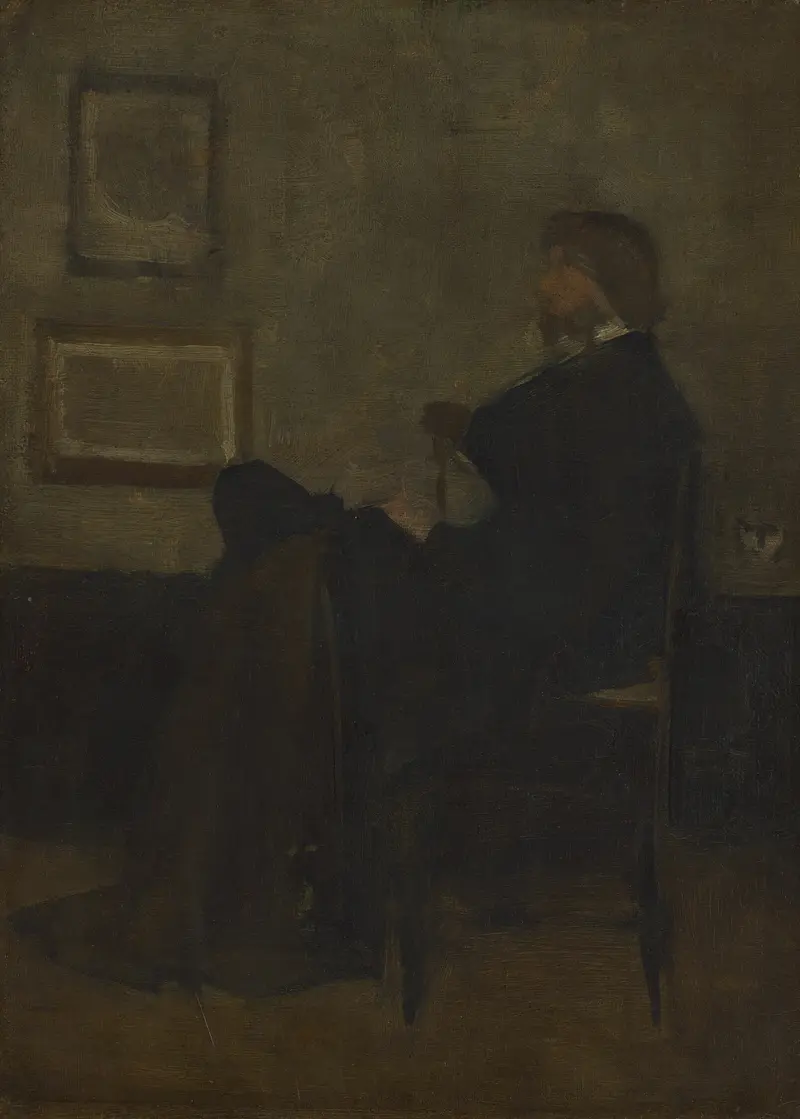
Study for "Arrangement in Grey and Black, No. 2: Portrait of Thomas Carlyle"
James McNeill Whistler
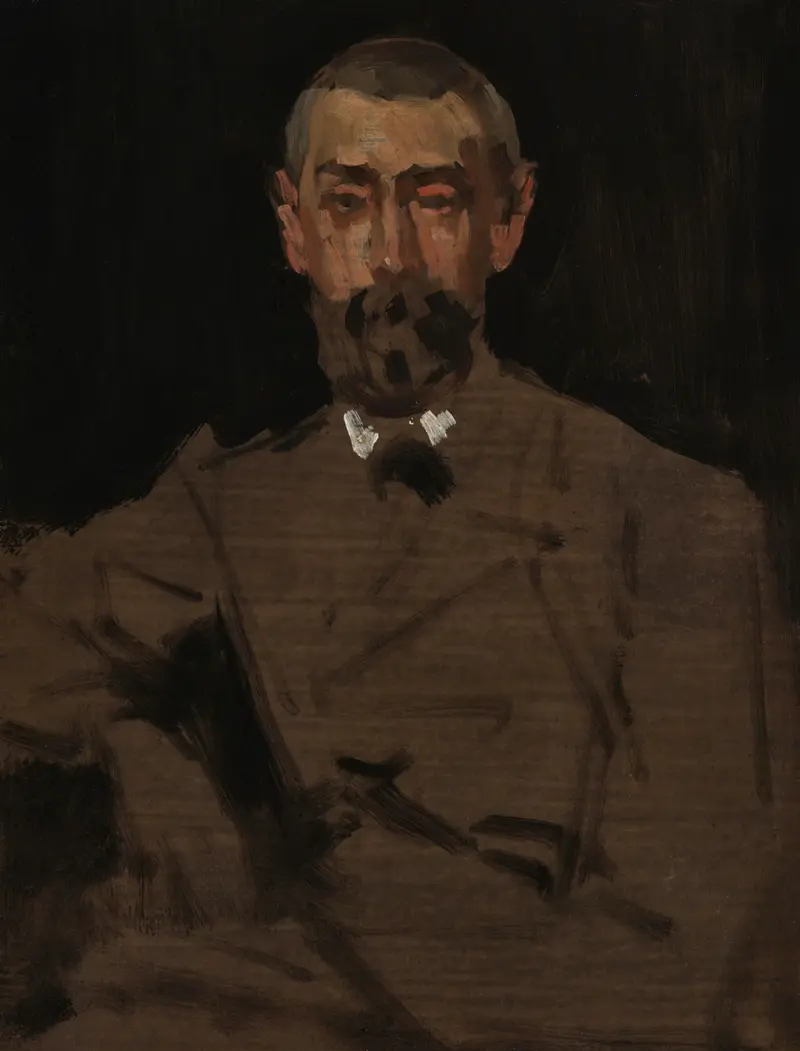
Portrait of M. R. Elden
James McNeill Whistler
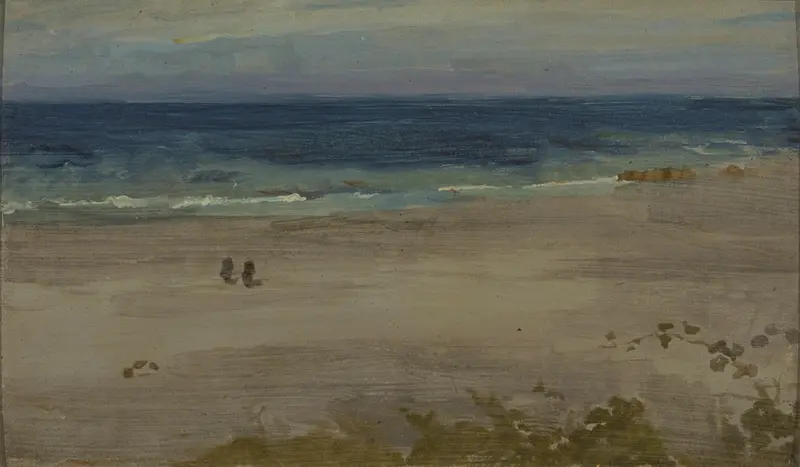
The Blue Sea
James McNeill Whistler
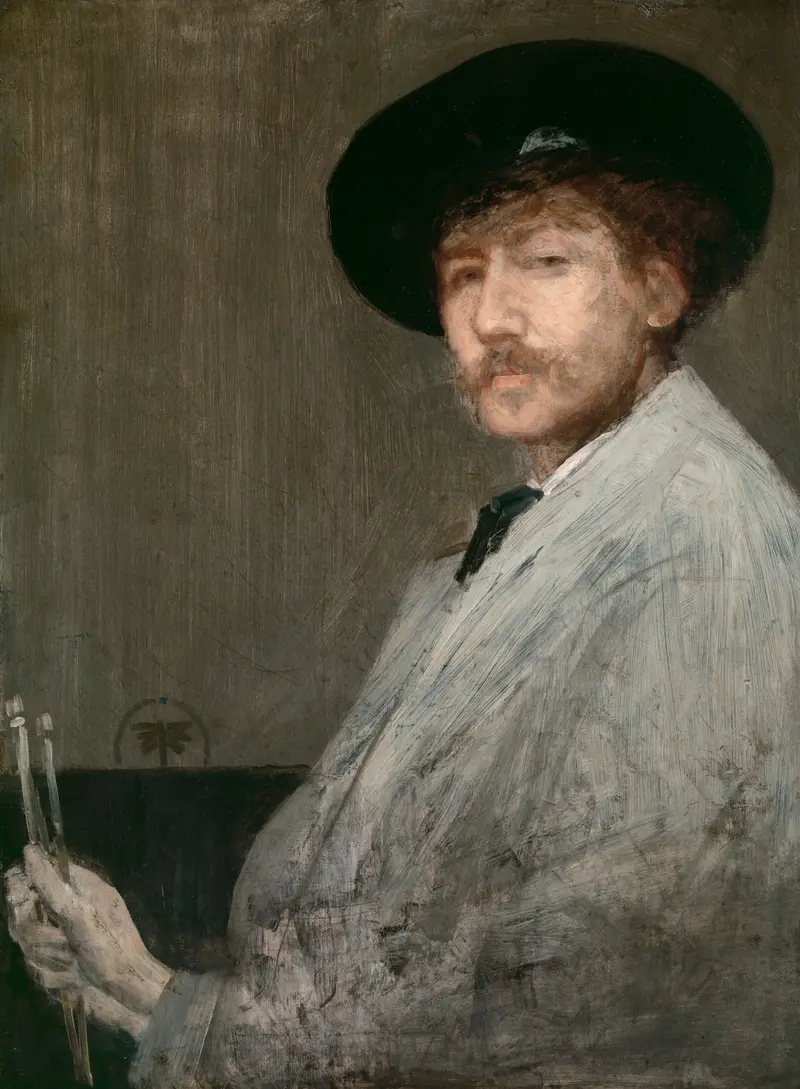
Arrangement in Gray: Portrait of the Painter
James McNeill Whistler
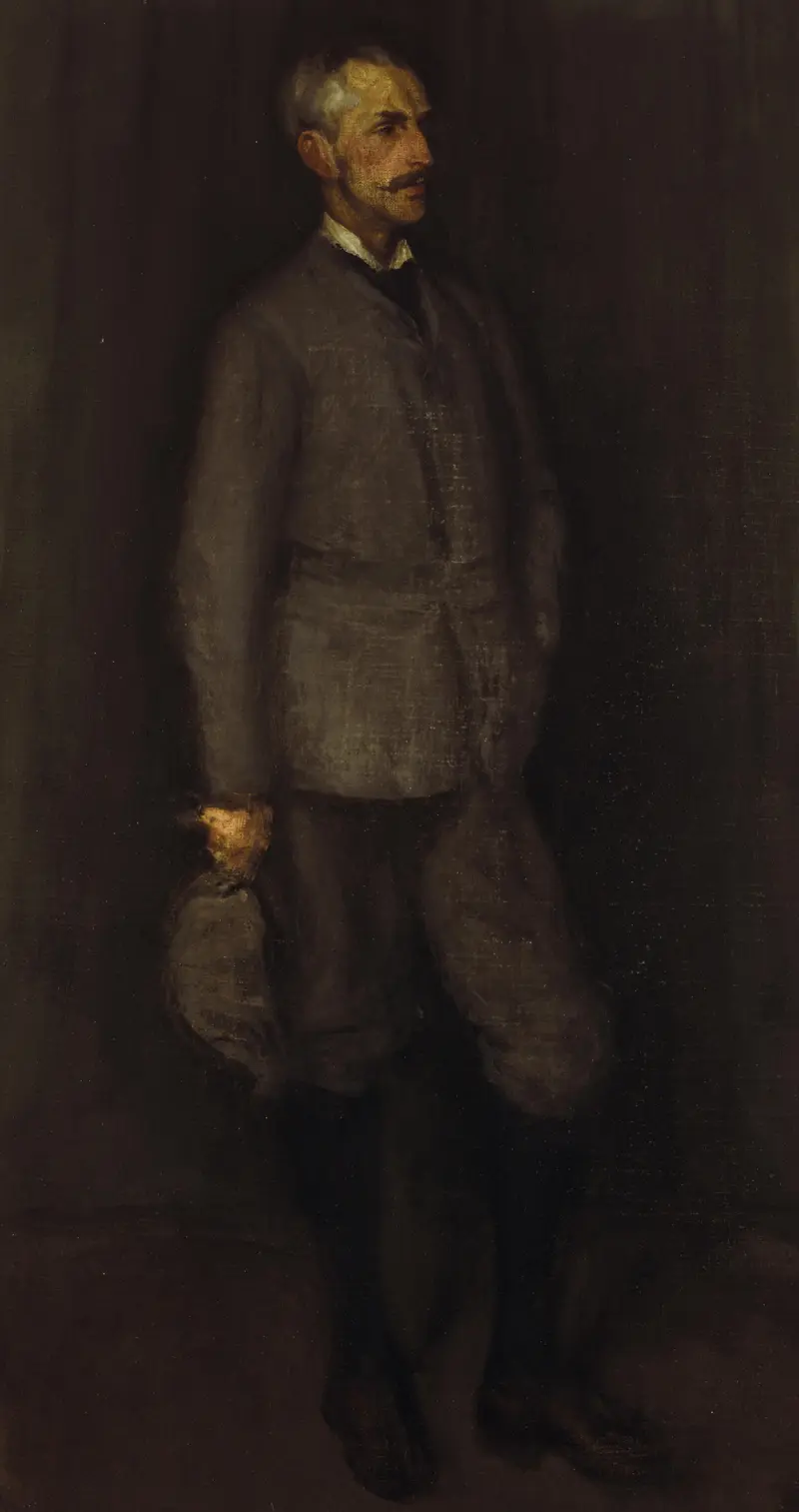
Arrangement in Grey and Green. Portrait of John James Cowan
James McNeill Whistler
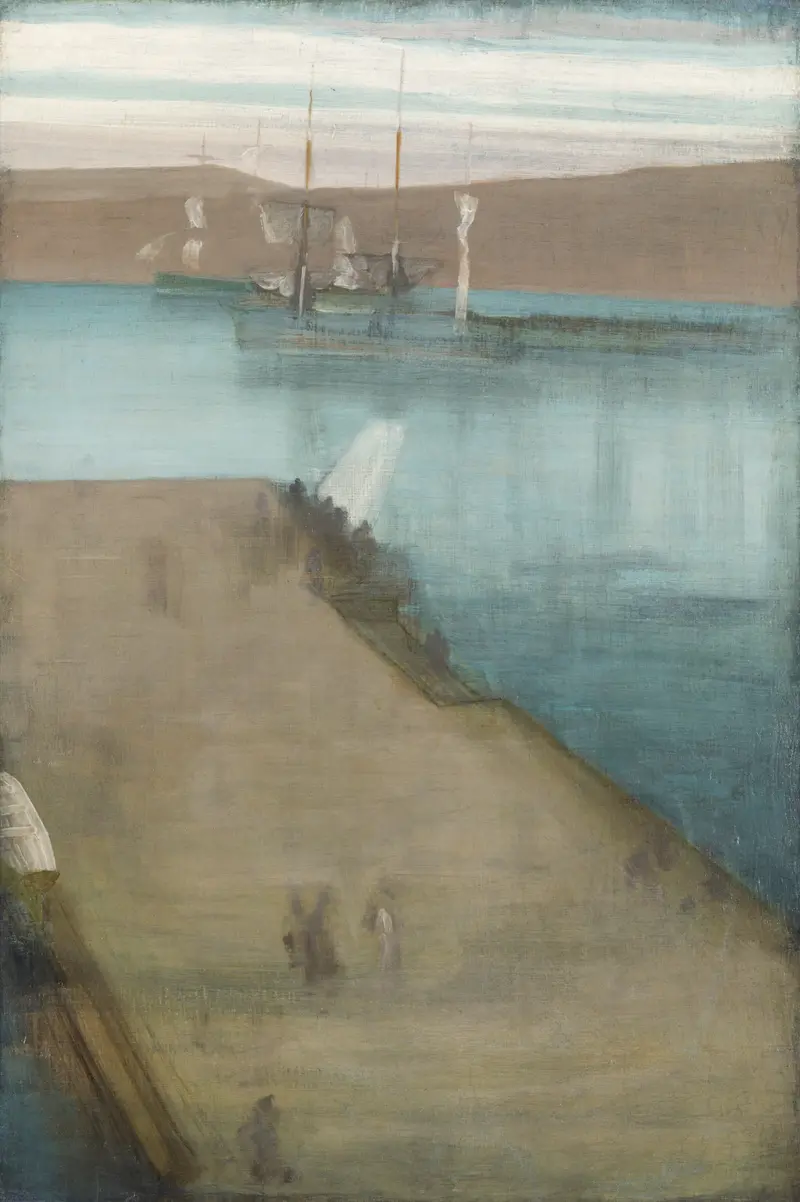
Valparaiso Harbor
James McNeill Whistler
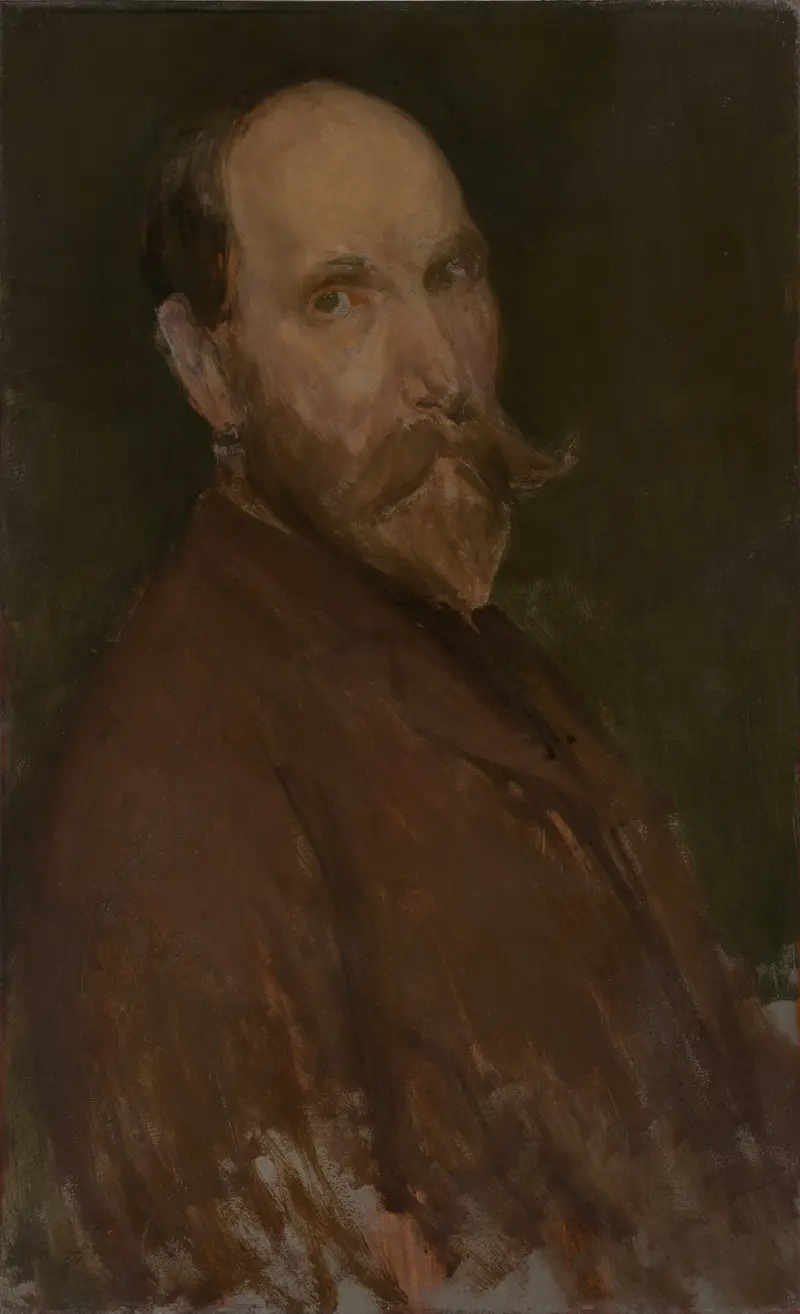
Charles Lang Freer
James McNeill Whistler





