Artimesia drinkt het as van haar man Mausolus — History & Facts
In the stillness of a moment captured, time hangs delicately, teetering on the edge of memory and despair. As we gaze upon the image, we are drawn into a haunting narrative that speaks of love interwoven with loss, where the weight of sorrow punctuates the air. Look to the left at the figure of Artemisia, her face marked by a poignant blend of grief and resolve. The muted colors of the background create an almost somber canopy, allowing the rich tones of her attire to stand out in stark contrast.
Notice how the light cascades gently across her hands, which cradle a vessel, a symbol of her husband's enduring presence, even in absence. The careful brushwork reveals not just the materiality of fabric and skin but also the emotional fabric of a story that bleeds beyond the confines of the canvas. Delve deeper into the painting's emotional landscape, where hidden meanings flourish. The vessel itself, ornate yet fragile, signifies both a tribute and a farewell, embodying the bittersweet nature of remembrance.
The stillness of her gaze invites contemplation, as if she is engaged in a silent dialogue with the past, while the wisps of her hair echo the fleeting nature of existence. Here, Pencz invites us to reflect on the tension between time and memory, life and death—a duality that resonates within us all. During the years 1537 to 1541, the artist worked on this poignant piece while navigating the vibrant cultural landscape of Renaissance Germany, a time of artistic exploration and complexity. He was influenced by the burgeoning humanist ideals and emerging narratives within art.
This particular work reflects not only a personal interpretation of tragedy but also an era captivated by the interplay between myth and reality, encapsulating a moment that transcends its own time.
More Artworks by Georg Pencz
Browse all →
Parabel van de zaaier
Georg Pencz

Parabel van de arbeiders in de wijngaard
Georg Pencz
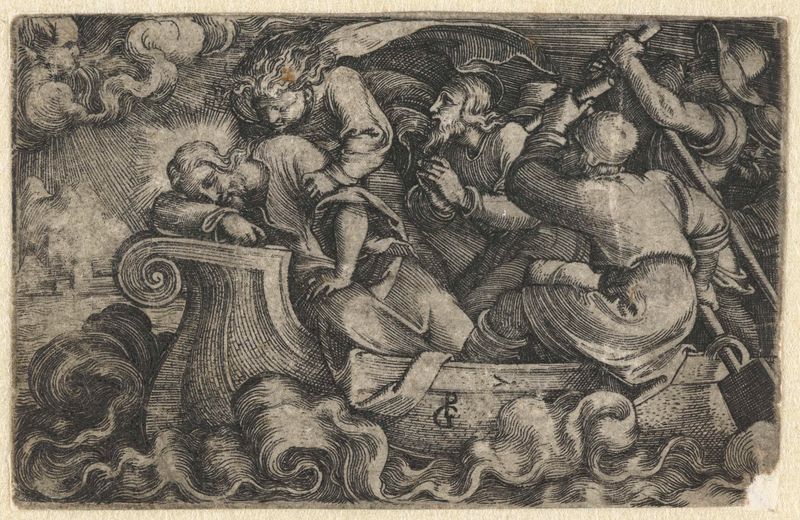
Discipelen wekken slapende Christus tijdens storm op Meer van Galilea
Georg Pencz

Afgunst (Invidia)
Georg Pencz
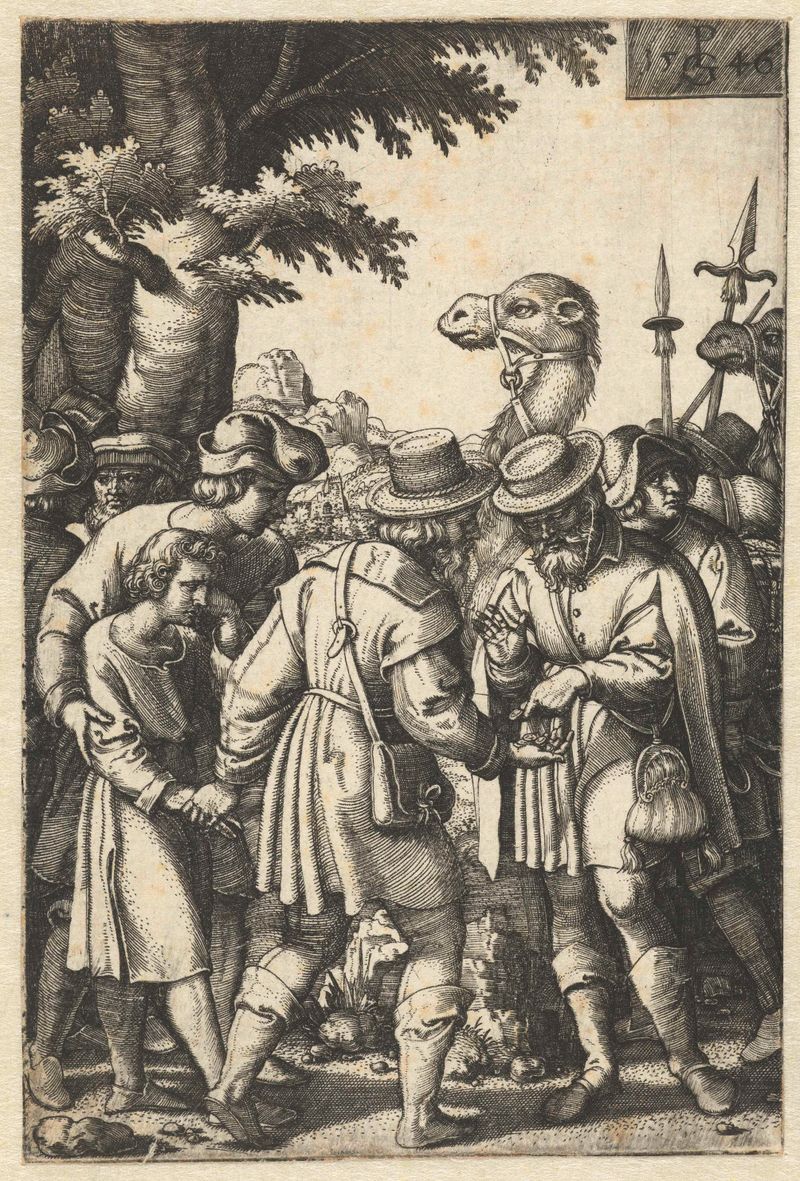
Jozef wordt verkocht aan kooplieden op weg naar Egypte
Georg Pencz

Aanbidding der koningen
Georg Pencz
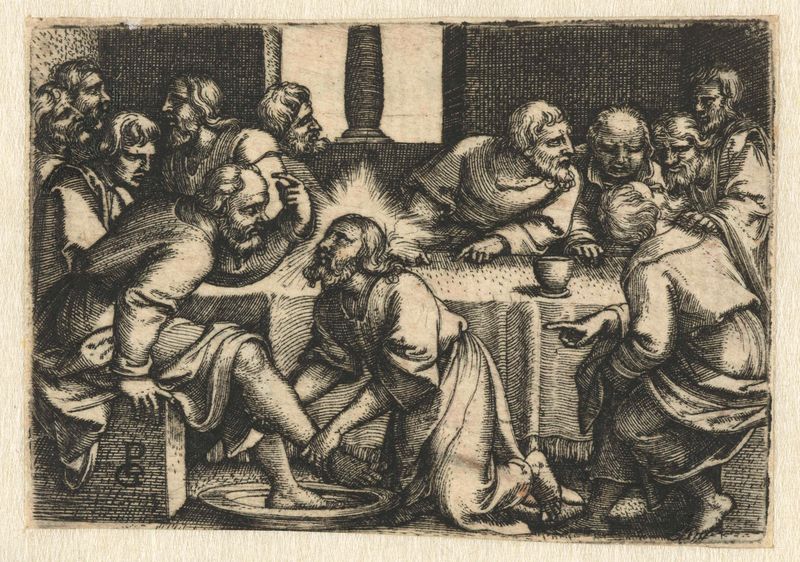
Petrus protesteert als Christus zijn voeten wast
Georg Pencz
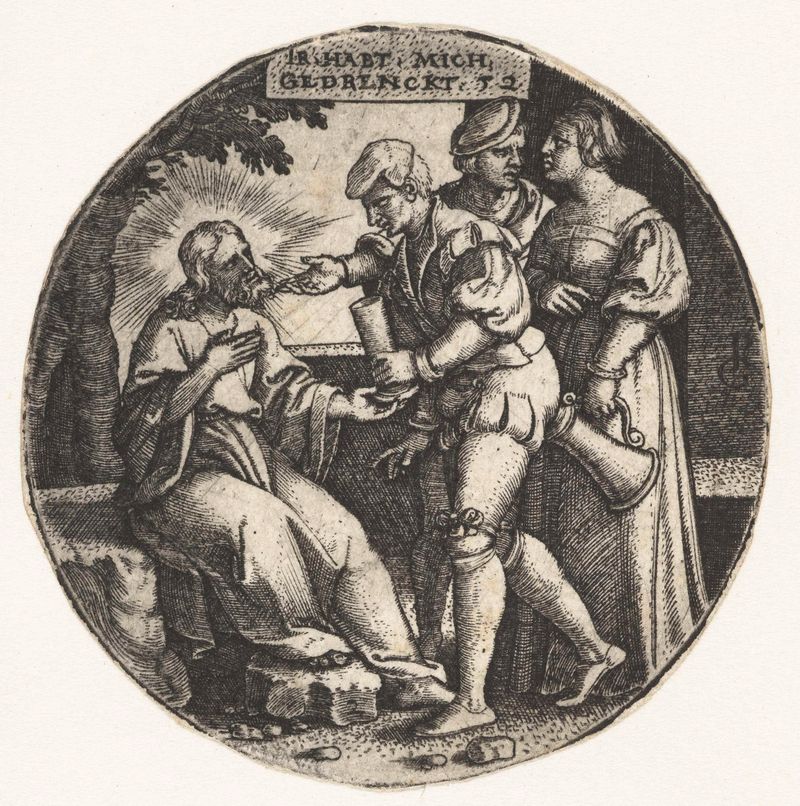
Christus heeft dorst en krijgt drinken aangeboden
Georg Pencz
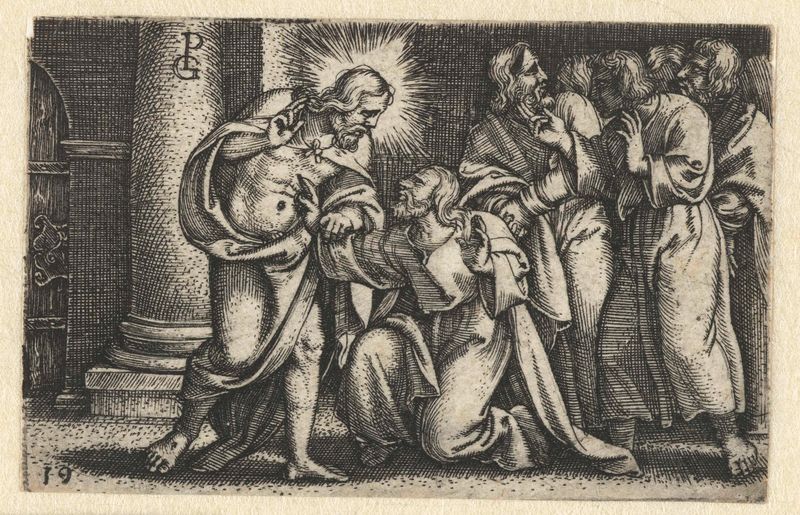
Ongelovige Thomas raakt wonden Christus aan
Georg Pencz

Offer van Abraham van Isaak
Georg Pencz