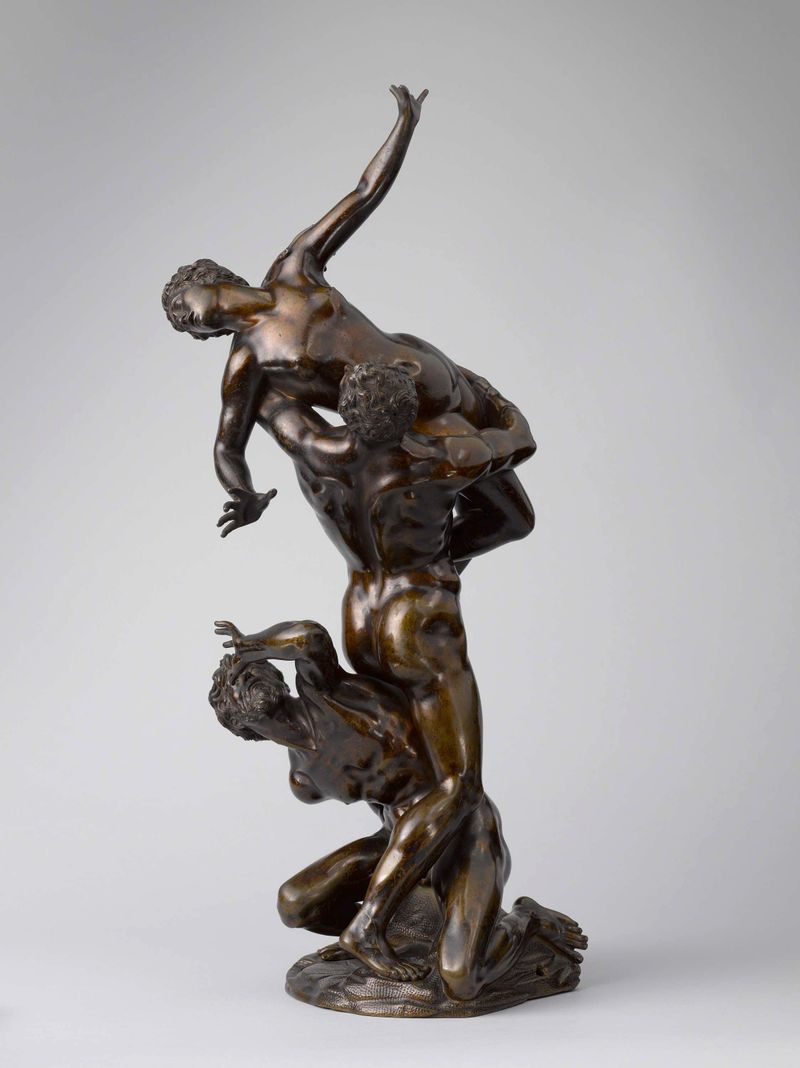
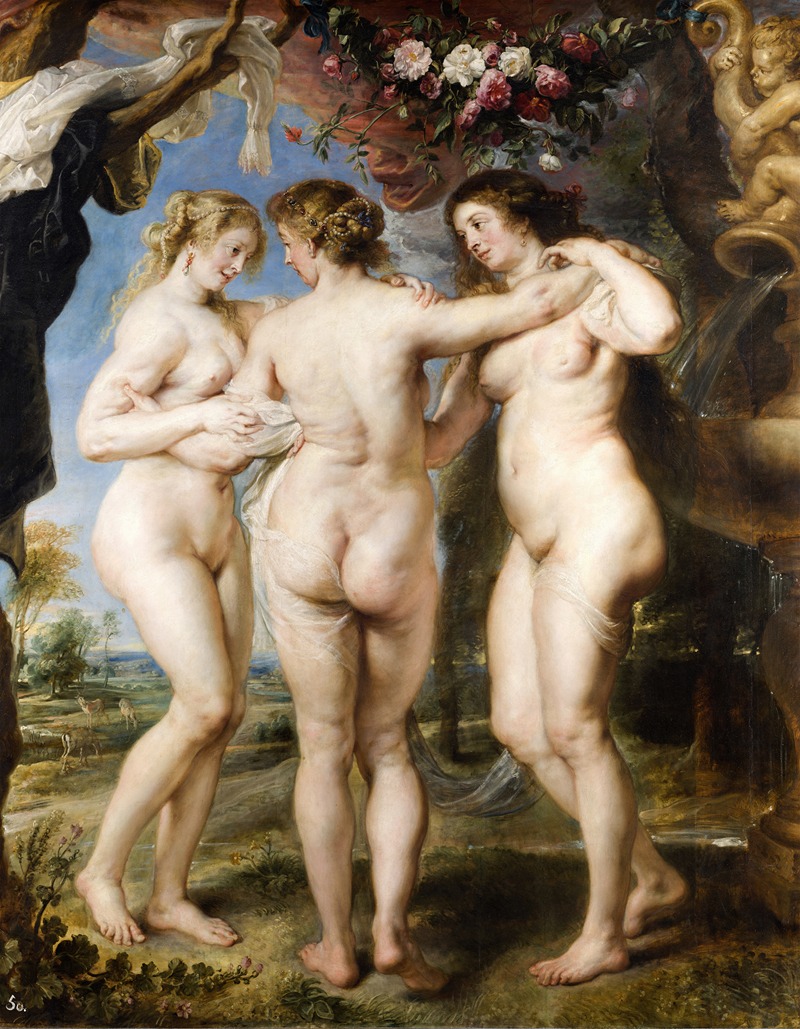
Ascanius jaagt op het hert van Tyrrheus — History & Facts
Can beauty exist without sorrow? The delicate interplay of light and shadow in this piece invites viewers to ponder the complexity of desire and loss. Look to the center, where Ascanius, poised with a bow, reflects a fierce determination. The vibrancy of his youth contrasts sharply with the tranquil landscape surrounding him, skillfully rendered in soft greens and gentle browns. Notice how the warm sunlight bathes both the hunter and the majestic stag, creating a moment suspended in time, filled with anticipation yet tinged with the weight of impending fate.
Hollar’s exquisite line work and meticulous attention to detail draw the eye, revealing the tension between life and death within this seemingly serene tableau. As you explore the periphery, consider the duality of pursuit and vulnerability present in the scene. The stag, embodying both grace and innocence, is oblivious to its imminent danger, while the hunter represents a primal instinct that is both admirable and tragic. The lush vegetation enveloping them reflects the world’s beauty, yet also mirrors the emotional turmoil beneath the surface.
This contrast evokes an understanding that beauty is often intertwined with the potential for sorrow, making each moment more poignant. In 1654, Wenceslaus Hollar was living in London, having fled the Thirty Years' War in his native Bohemia. During this period, he was deeply engaged with the themes of nature and mythology, illustrating the intricate connections between human emotion and the natural world. This work captures a moment that transcends its time, resonating with universal questions about the essence of our existence.
More Artworks by Wenceslaus Hollar
Browse all →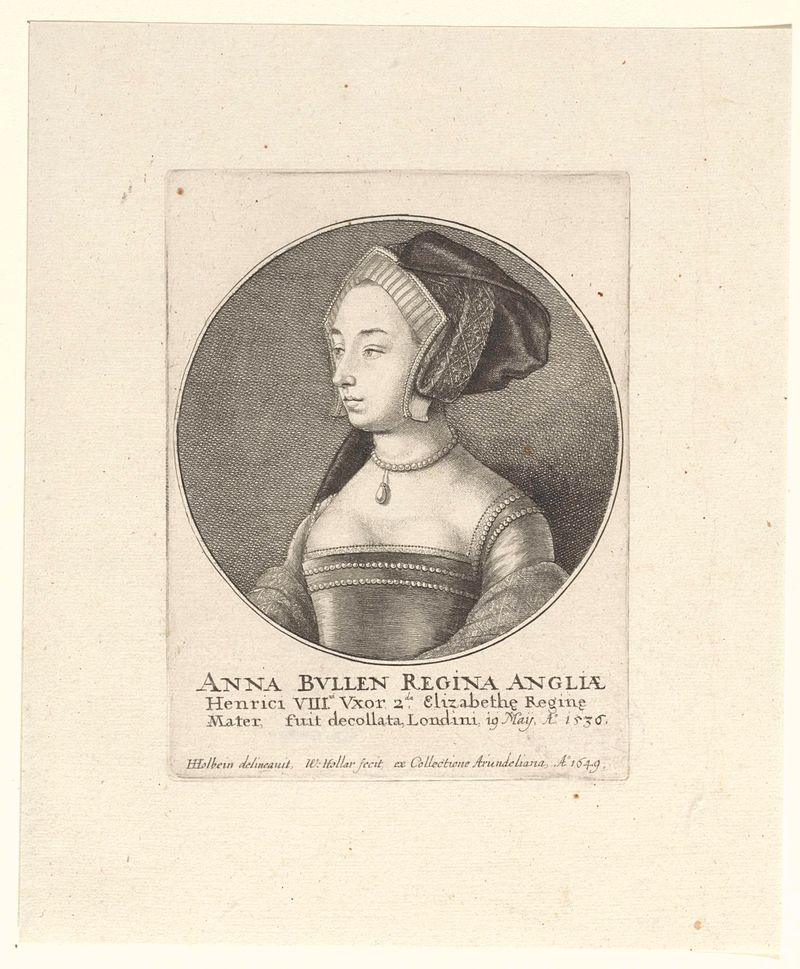
Portret van Anna Boleyn, koningin van Engeland
Wenceslaus Hollar
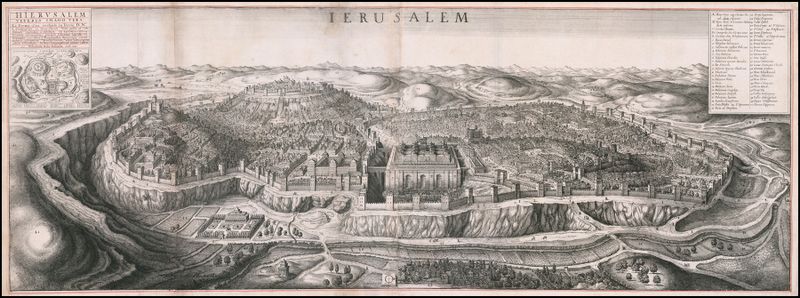
Bird’s eye view of Jerusalem
Wenceslaus Hollar
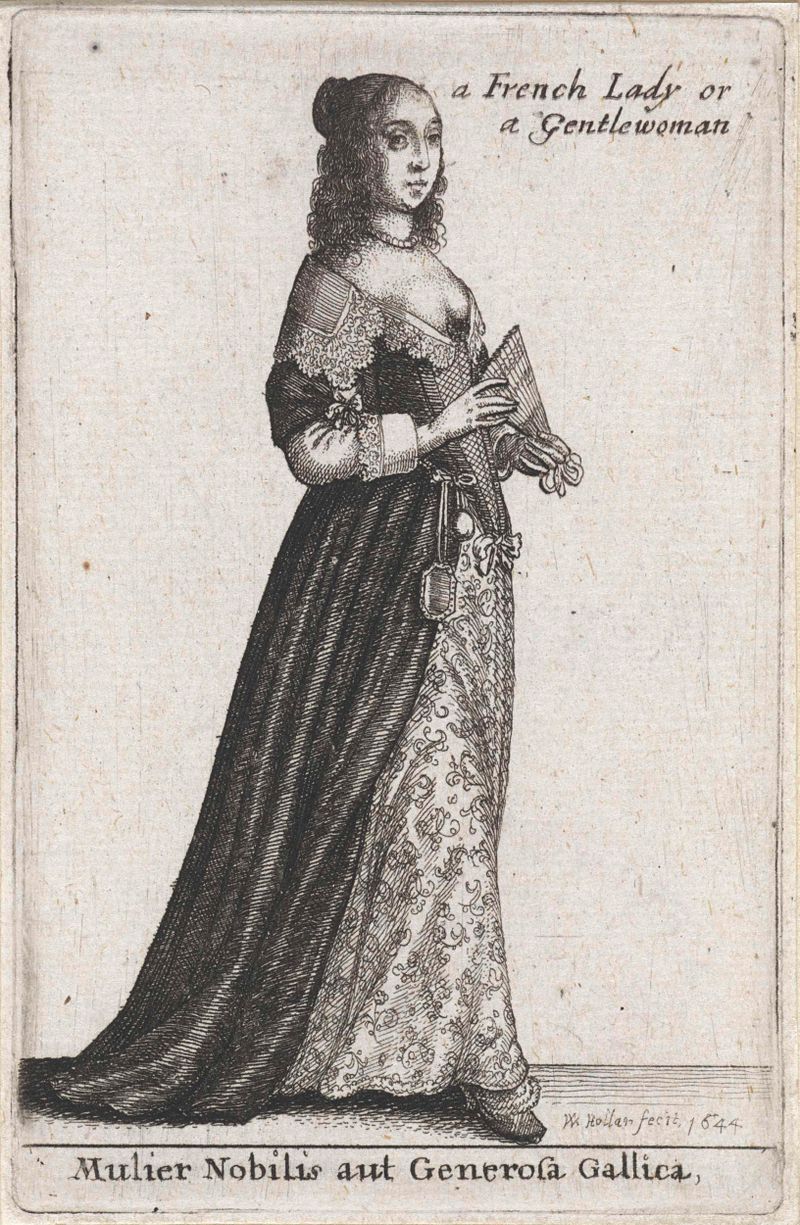
Mulier Nobilis aut Generosa Gallica / a French Lady or Gentlewoman
Wenceslaus Hollar
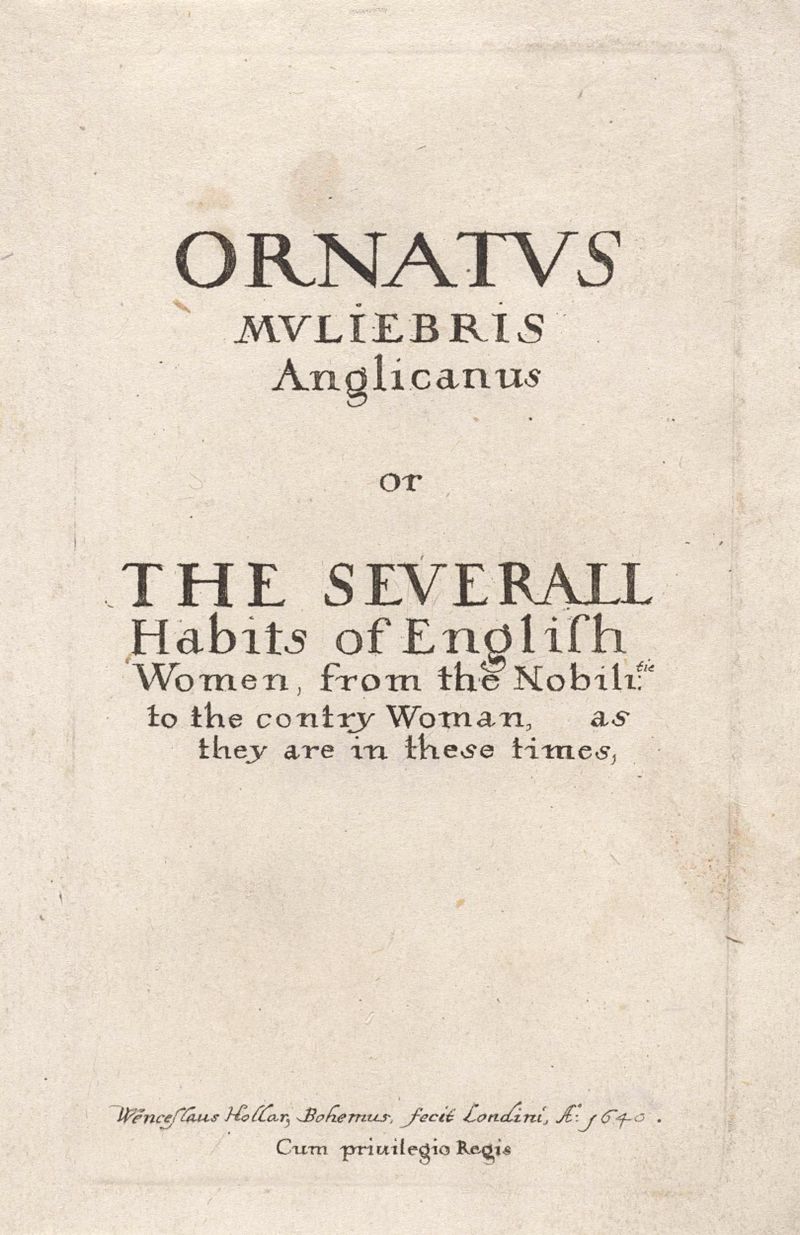
Titelprent voor: Ornatus Muliebris Anglicanus
Wenceslaus Hollar
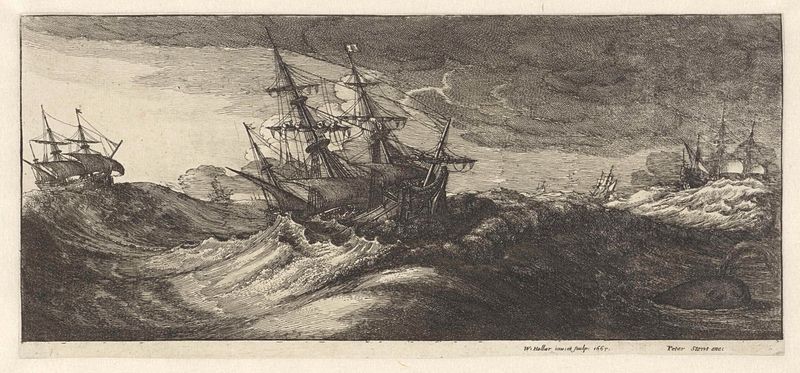
Oorlogsschepen en een walvis in een zeestorm
Wenceslaus Hollar
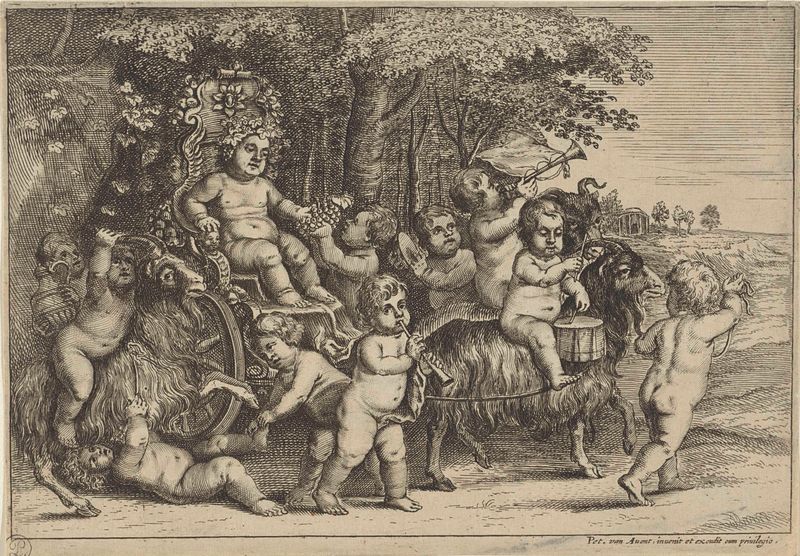
Optocht van bacchant en jongetjes op geiten
Wenceslaus Hollar
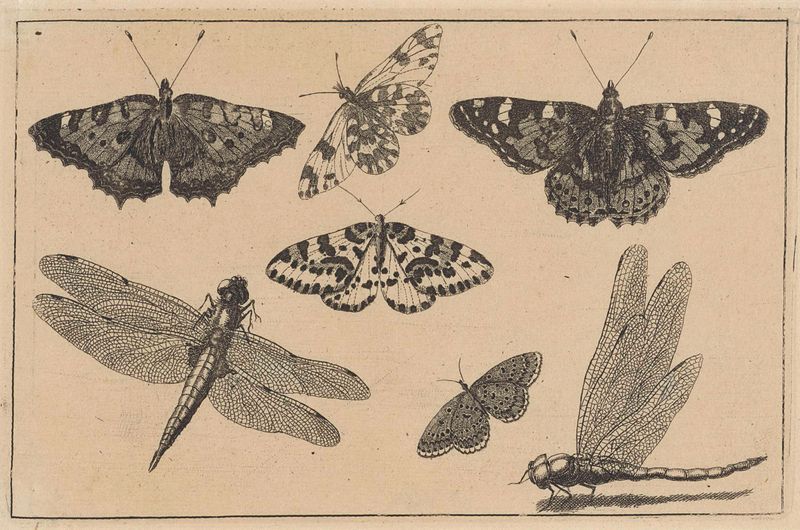
Twee libellen en vijf vlinders
Wenceslaus Hollar
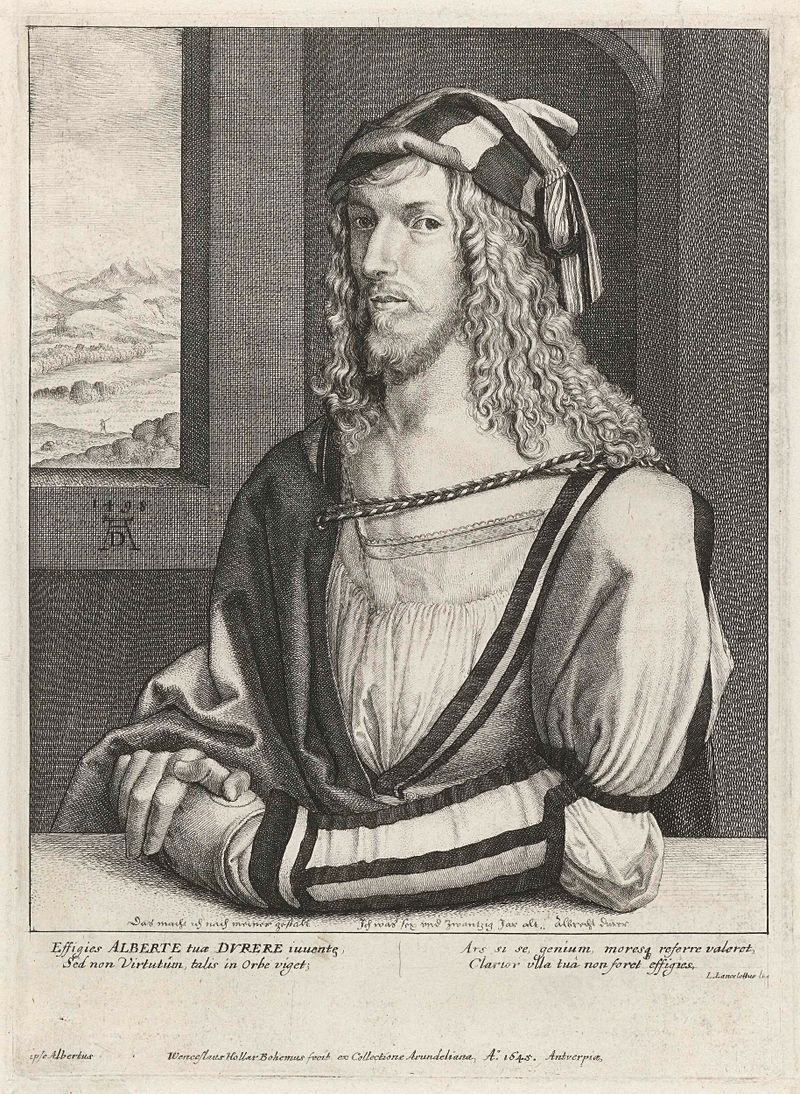
Portret van Albrecht Dürer
Wenceslaus Hollar
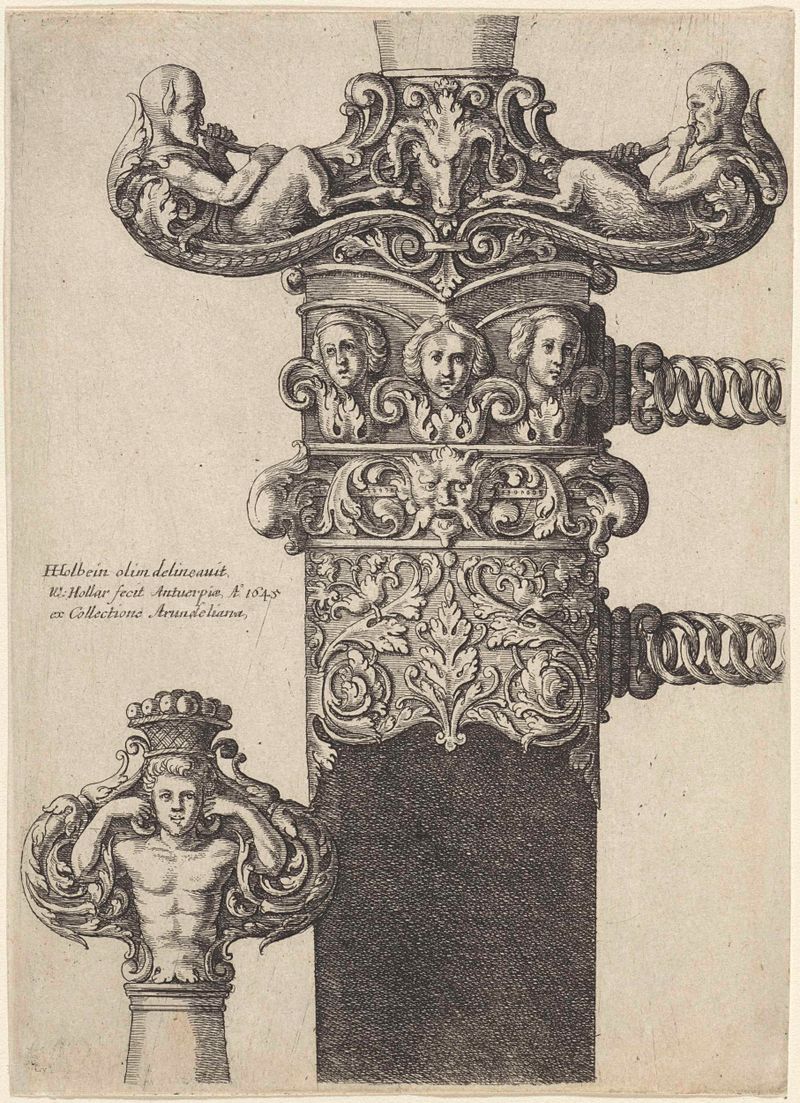
Ornamenteel ontwerp voor een dolk
Wenceslaus Hollar
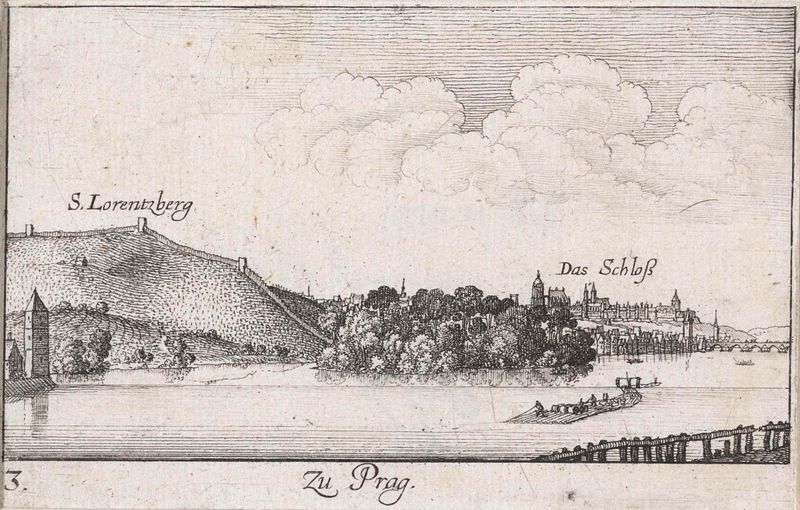
Gezicht op Praag vanaf de Moldau
Wenceslaus Hollar