
Astronoom en de Dood — History & Facts
In the stillness of contemplation, one can feel the profound weight of existence and the inevitable cycle of life and death, a theme that resonates through the ages. Look to the left, where a somber figure, the astronomer, is surrounded by a dark yet intricately decorated backdrop. His attire, rich in color and detail, contrasts sharply with the pale skull resting before him, a symbol of mortality. The soft light highlights the contours of his face, illuminating a blend of curiosity and resignation, drawing the viewer's gaze to the juxtaposition between the quest for knowledge and the looming presence of death. The skull is more than a memento mori; it serves as a conduit between realms, evoking thoughts of rebirth and the eternal cycle of understanding.
Notice the celestial globe beside the astronomer — a testament to human ambition, navigating the heavens even as the cold reality of mortality beckons. Each element within the composition speaks to the tension between science and spirituality, knowledge and ignorance, suggesting that enlightenment often comes at a cost. In 1538, Holbein was in Basel, immersed in the vibrant intellectual climate of the Renaissance. This was a time when humanism flourished, and artists grappled with the intersection of faith and reason.
Amidst this backdrop, Holbein created Astronoom en de Dood, reflecting not only his mastery of detail but also a deeper philosophical inquiry into existence, urging viewers to confront the delicate balance between life and the shadows that forever linger.
More Artworks by Hans Holbein (II)
Browse all →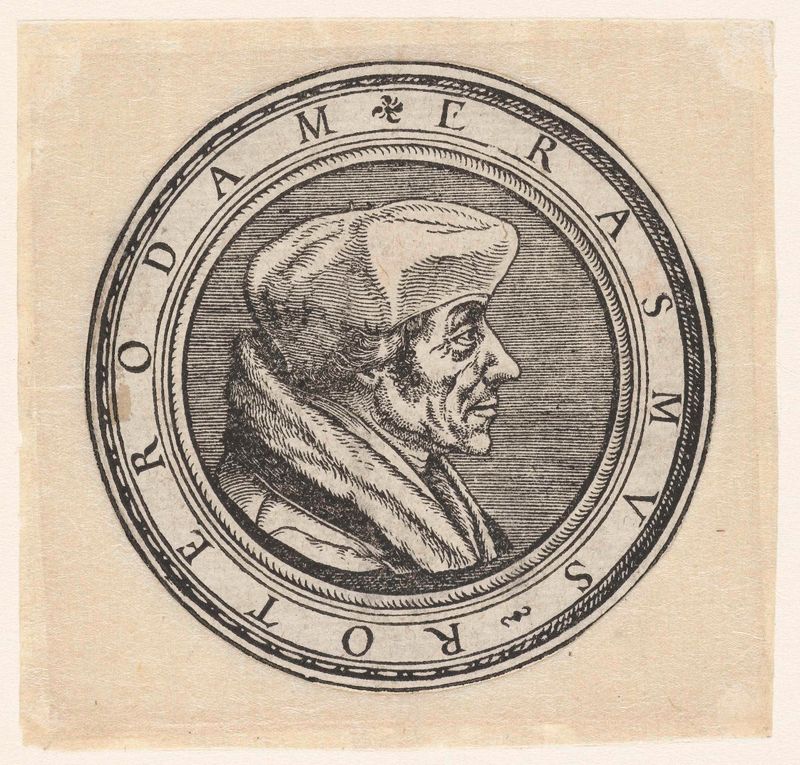
Portret van Erasmus
Hans Holbein (II)
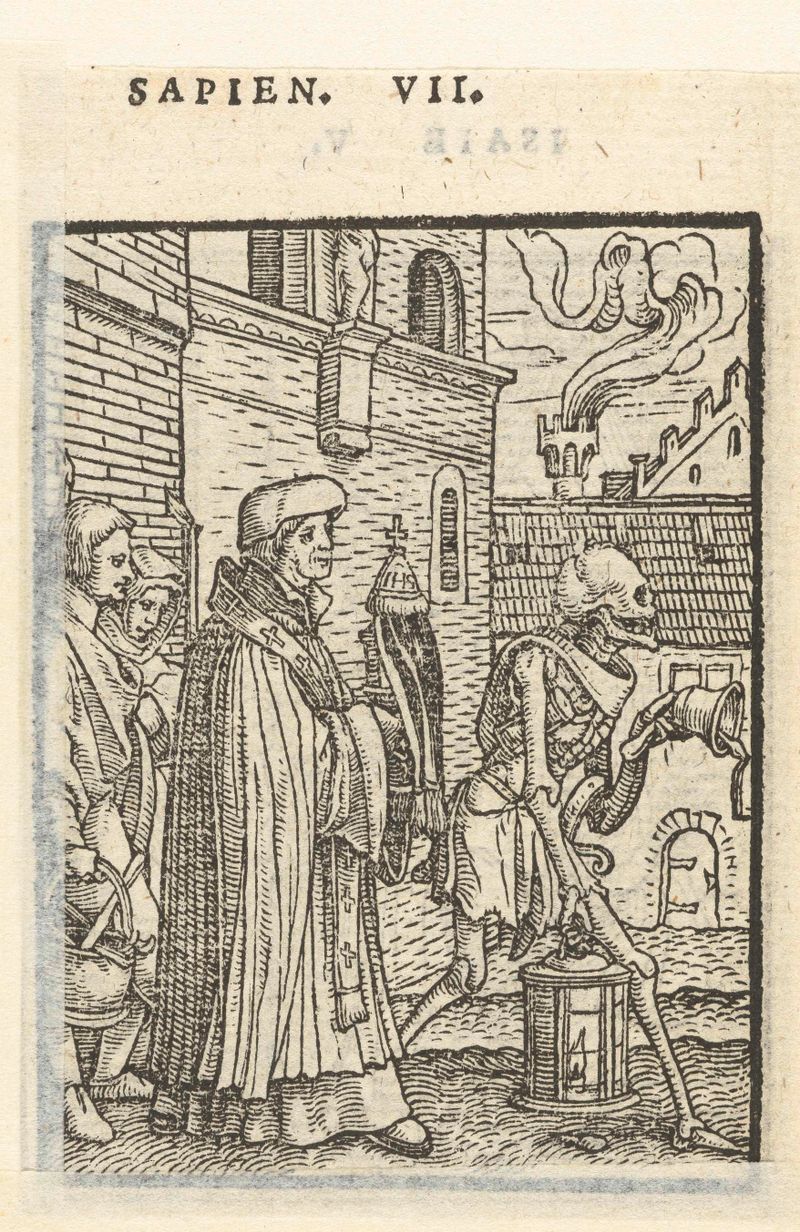
Priester en de Dood
Hans Holbein (II)
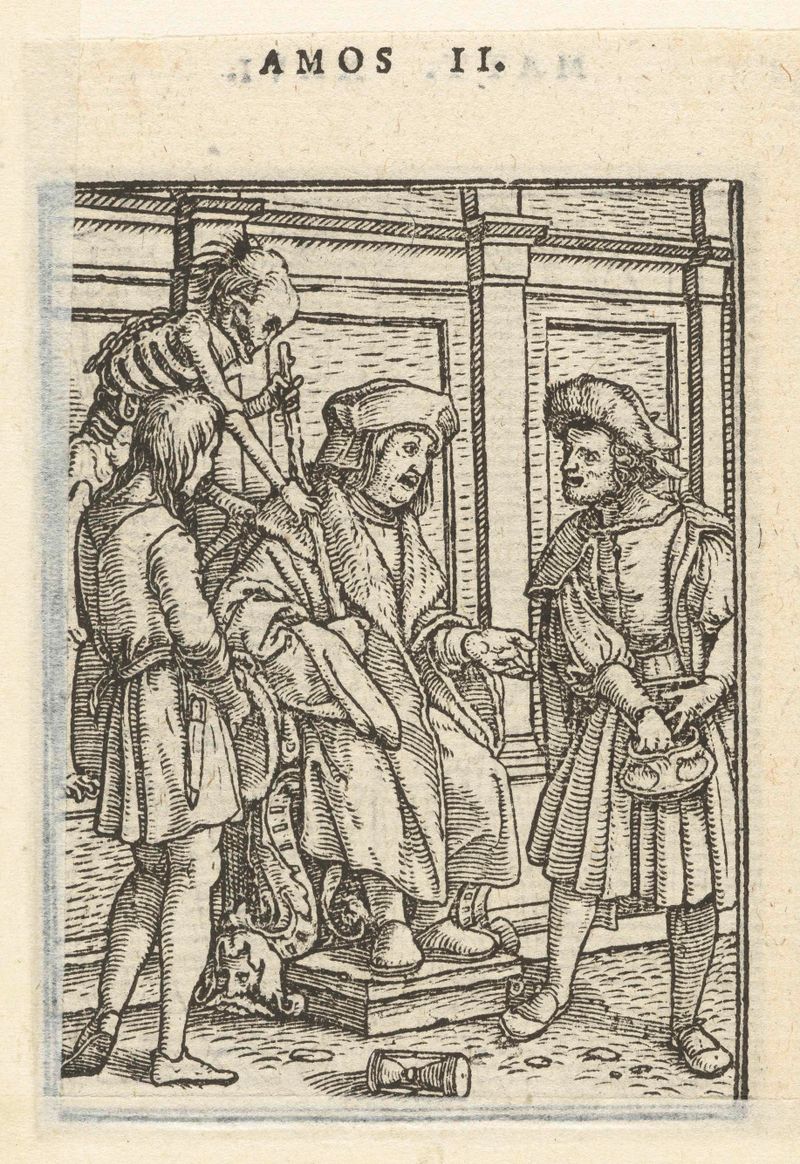
Rechter en de Dood
Hans Holbein (II)
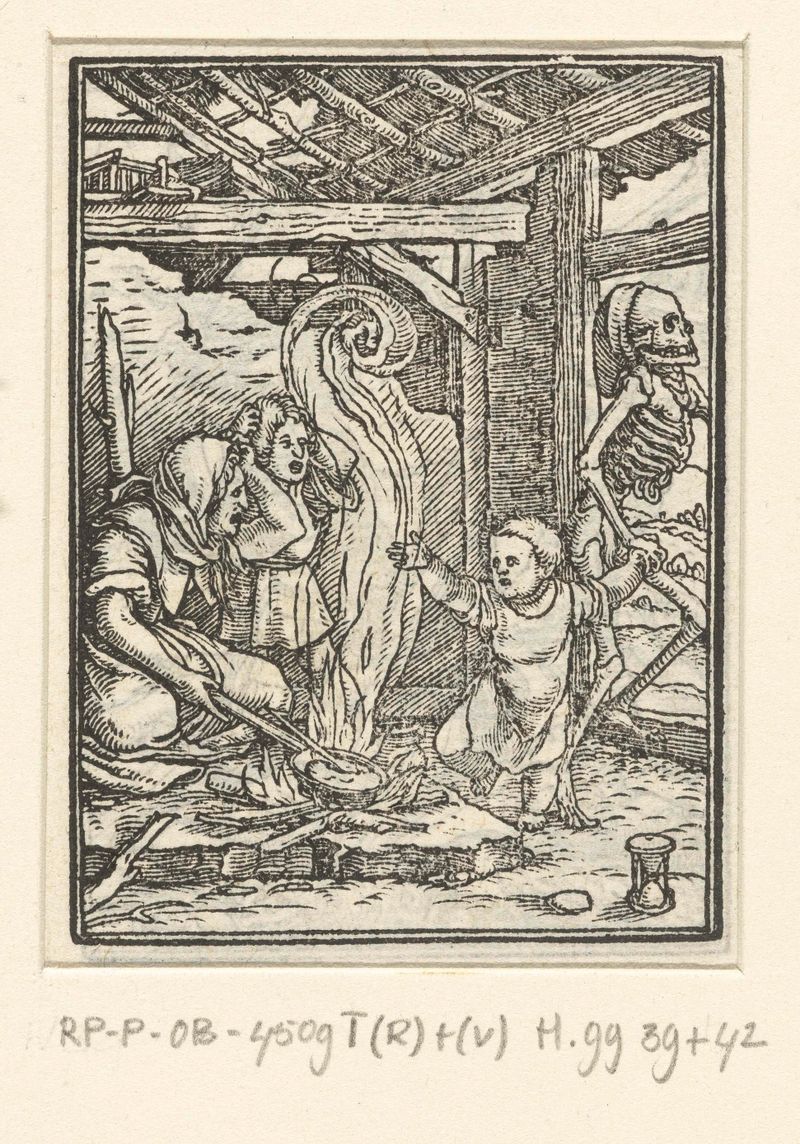
Kind en de Dood
Hans Holbein (II)
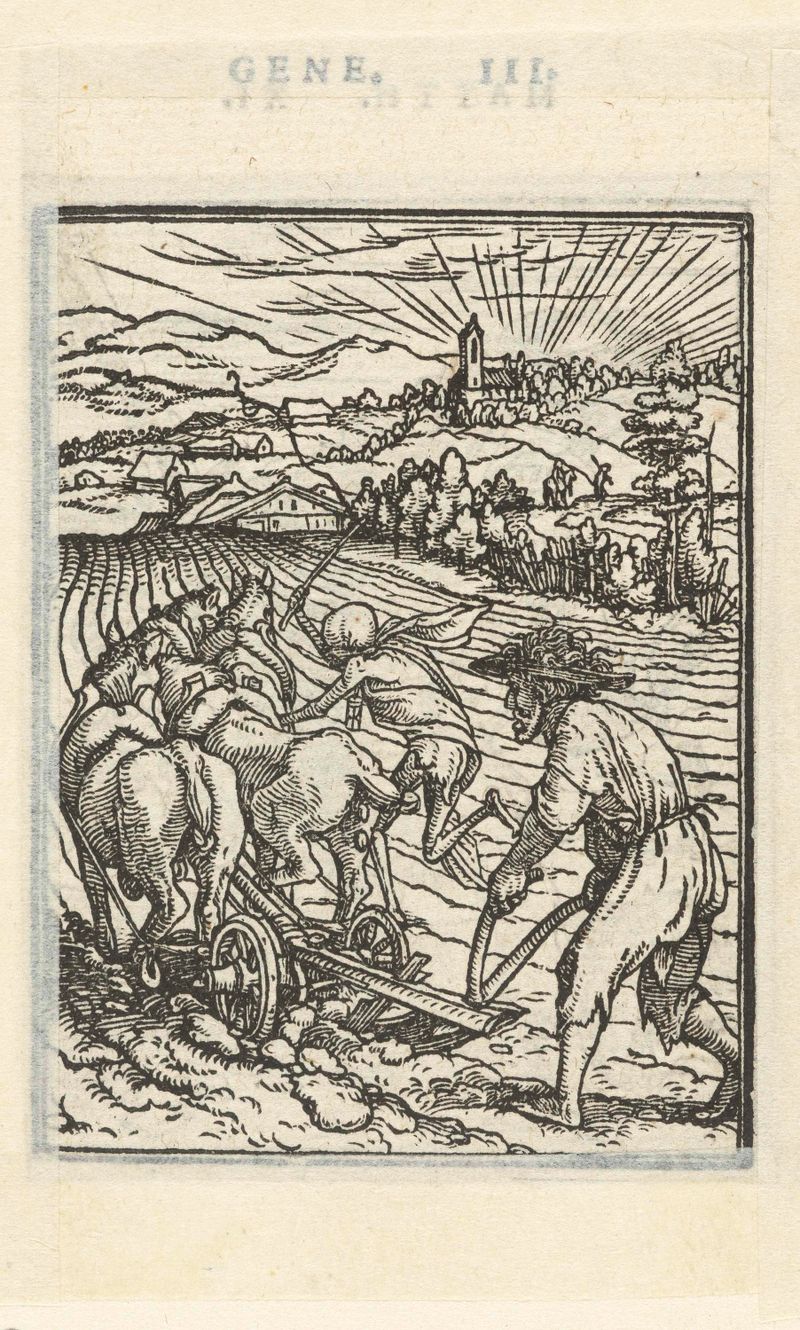
Boer en de Dood
Hans Holbein (II)
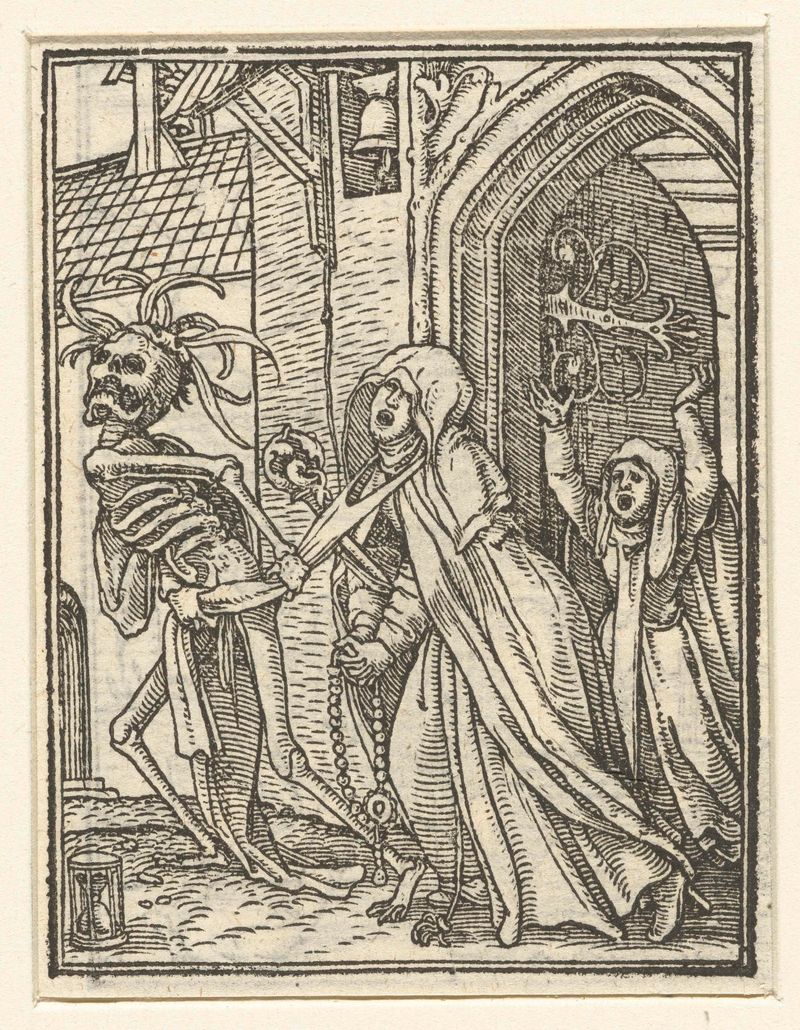
Abdis en de Dood
Hans Holbein (II)
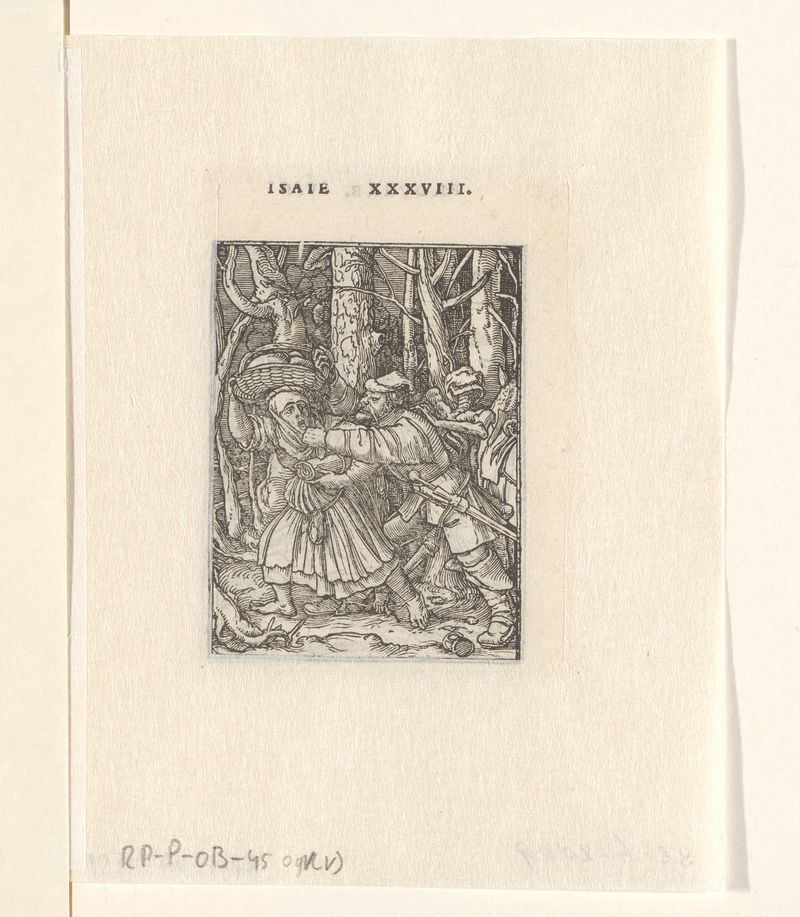
Dief en de Dood
Hans Holbein (II)
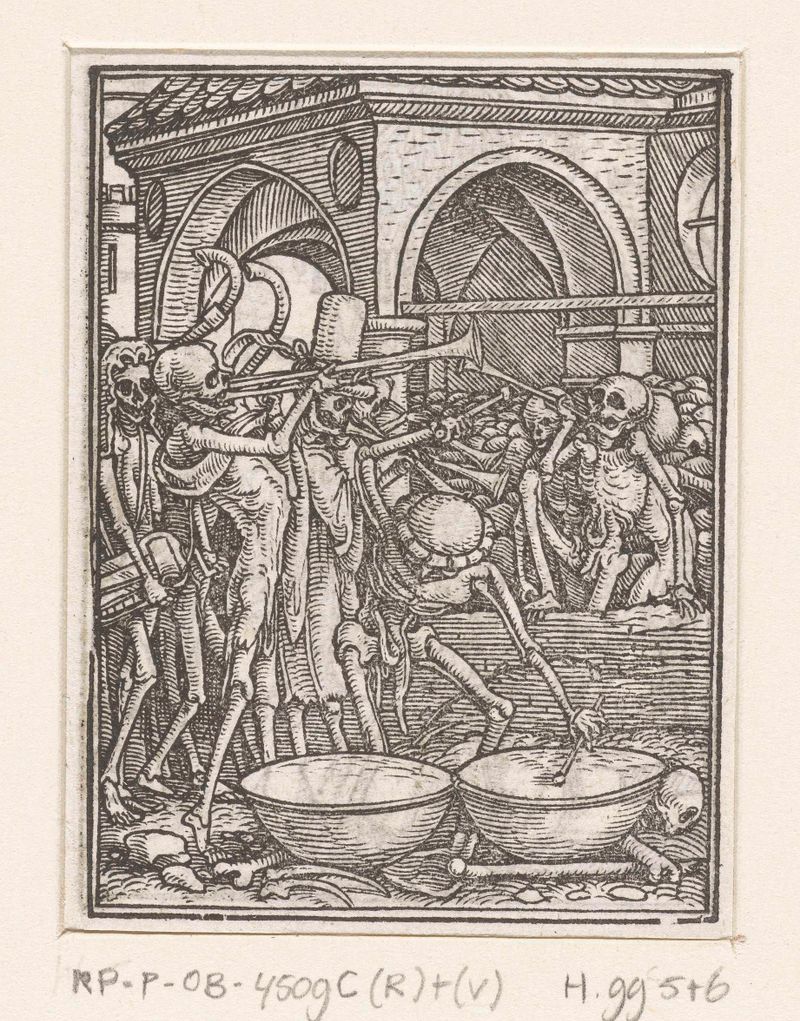
Skeletons Making Music from Dance of the Dead
Hans Holbein (II)
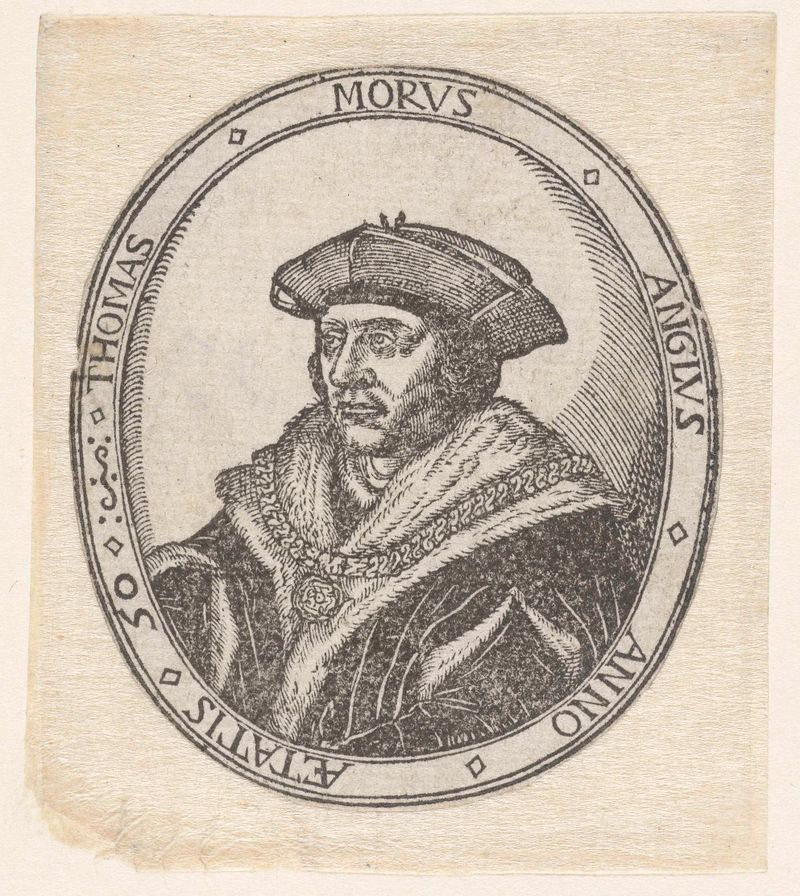
Portret van Thomas More
Hans Holbein (II)
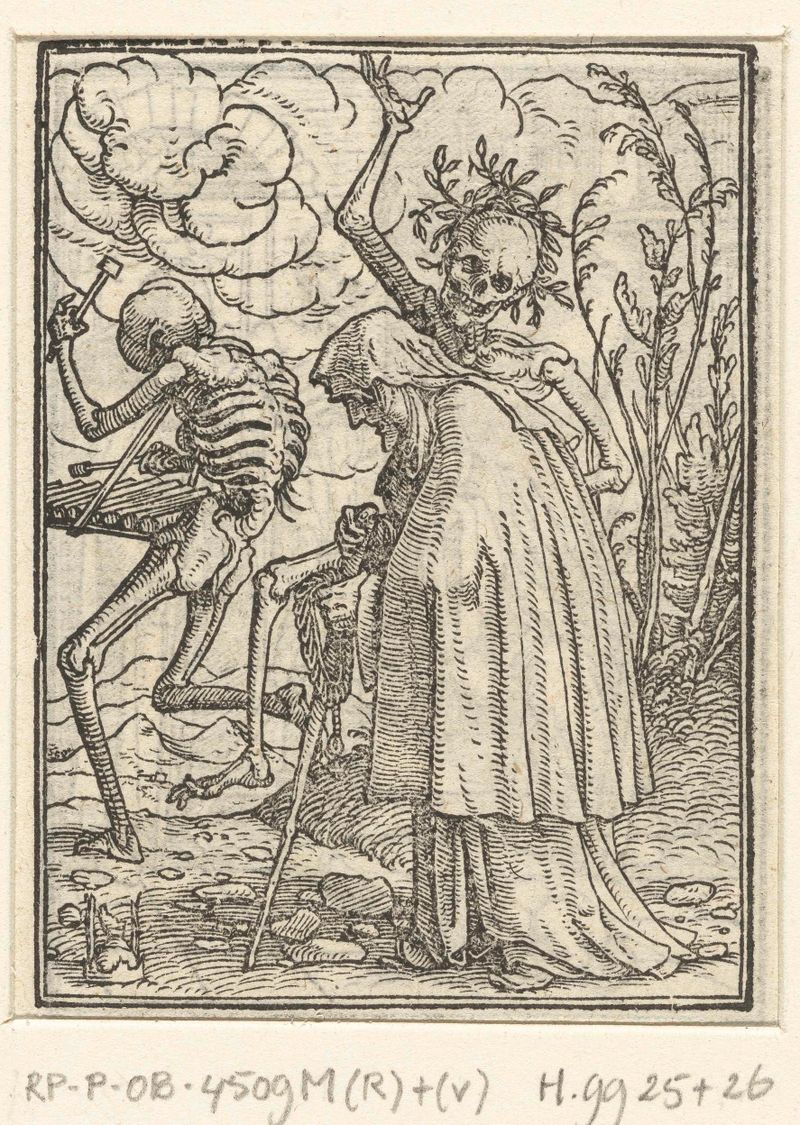
Oude vrouw en de Dood
Hans Holbein (II)





