
At Dusk — History & Facts
Did the painter know this moment would outlive them? In At Dusk, a serene twilight envelops the viewer, beckoning us into the hushed stillness that lingers between day and night. Look to the soft gradient of the sky, where hues of lavender and deepening blue meld together, creating a tranquil background against which a solitary figure stands. The human silhouette, gently contoured, is positioned slightly off-center, drawing our gaze towards the horizon where the last remnants of sunlight fade. Notice how the light subtly caresses the edges of the figure, evoking an ethereal quality that feels both intimate and distant, as if the subject is on the cusp of a profound epiphany. The emotional tension arises from this delicate balance of solitude and connection, inviting contemplation on the nature of existence.
The tranquil water reflects not only the colors of the sky but also the introspective moment captured in time—a reminder of life’s fleeting beauty. Yet, there’s an undercurrent of longing; the figure, alone, suggests a deeper narrative of solitude experienced in the vastness of the natural world, contrasting the intimacy of reflection with the universality of the dusk. Eugène Jansson painted At Dusk in 1902 during a period of experimentation and personal growth. Living in Sweden, he was part of the wider Symbolist movement, exploring themes of mood and atmosphere in his works.
This was a time when artists were increasingly drawn to the emotive power of color and light, responding to both the changing landscape of art and the shifting cultural context of their era.
More Artworks by Eugène Jansson
Browse all →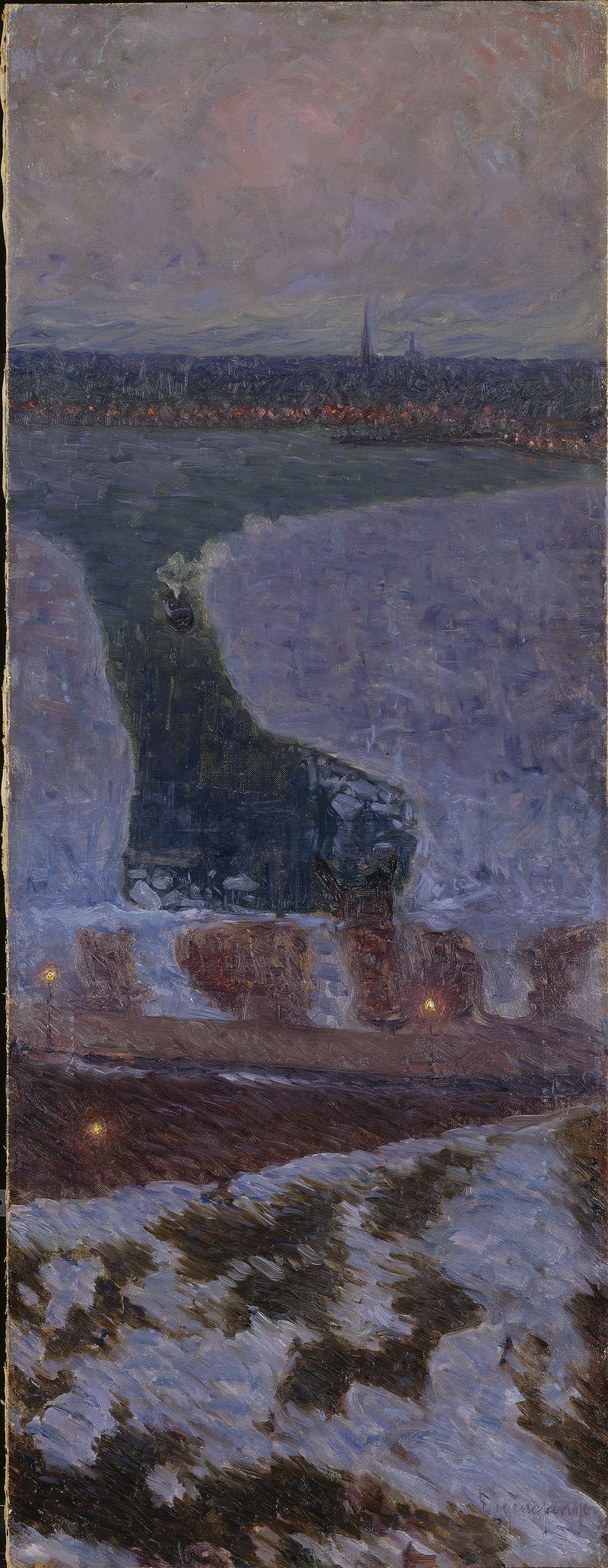
Riddarfjärden. A Stockholm
Eugène Jansson
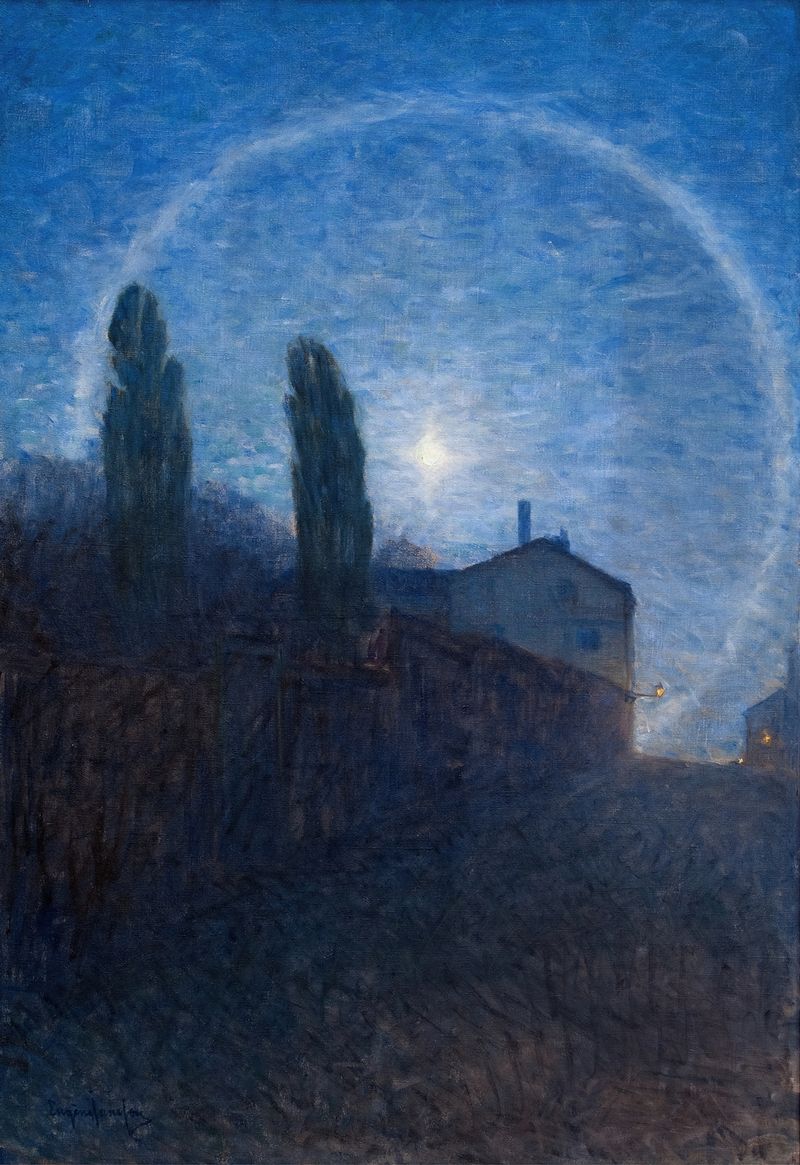
Lunar Halo
Eugène Jansson
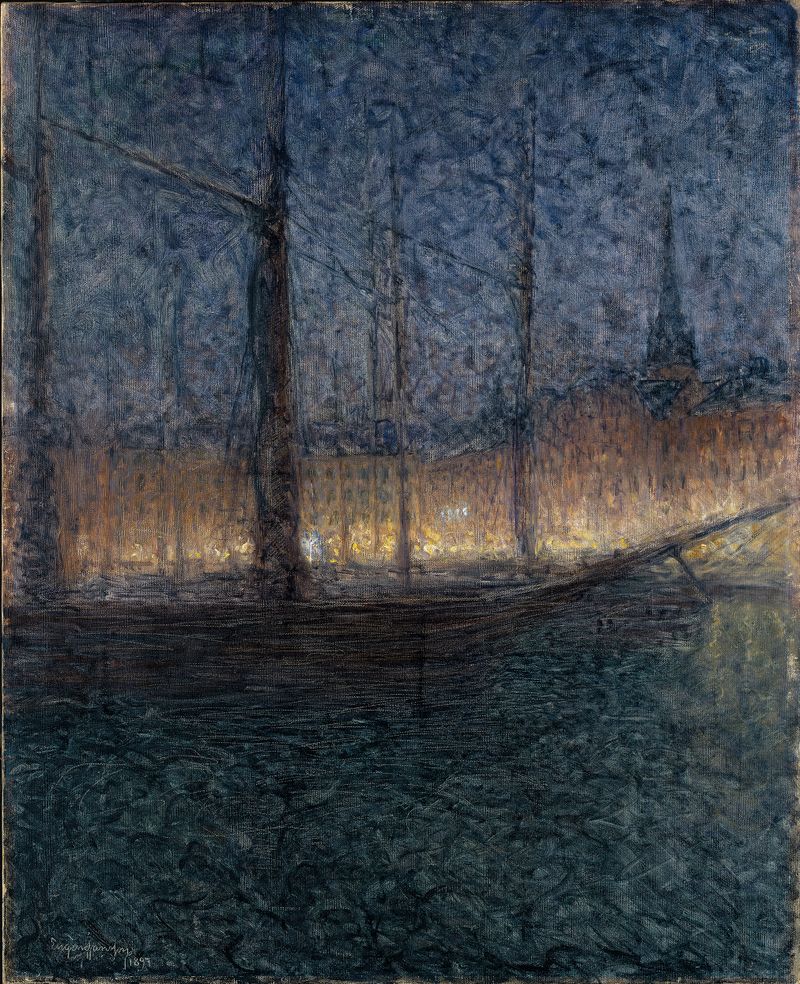
Evening in Kornhamnstorg, Stockholm
Eugène Jansson
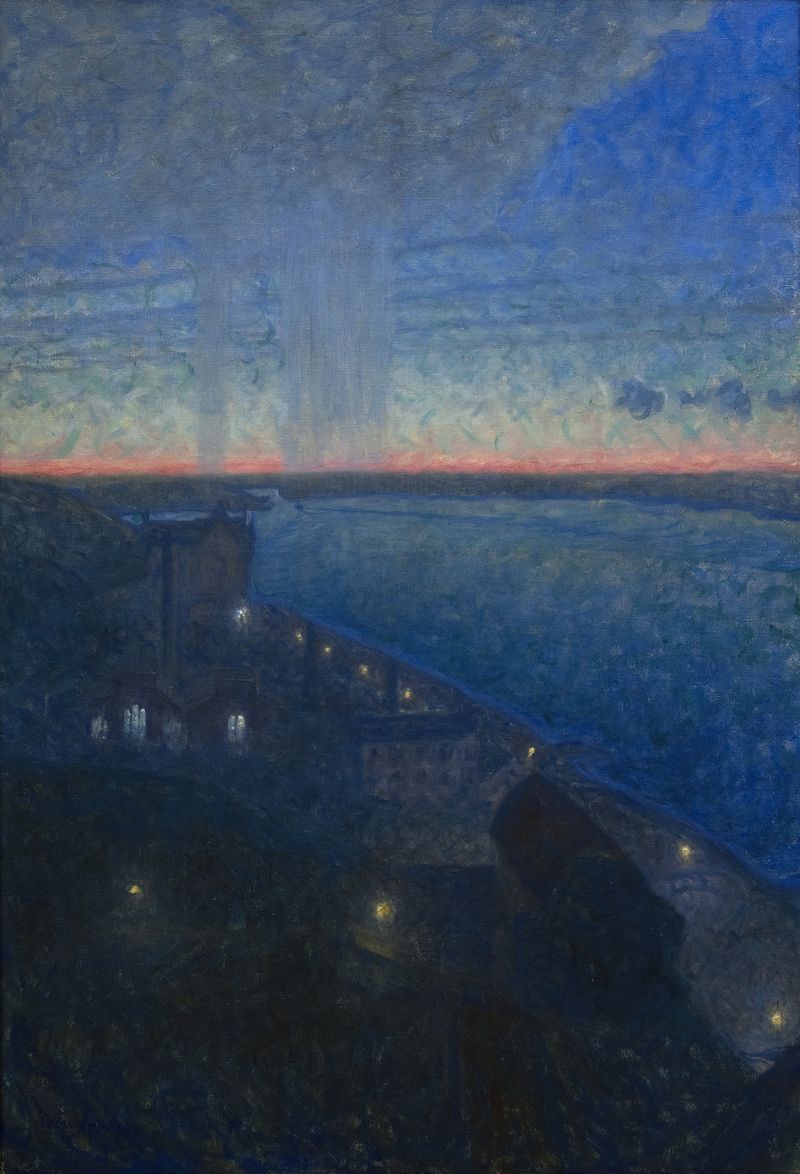
Söder Mälarstrand
Eugène Jansson
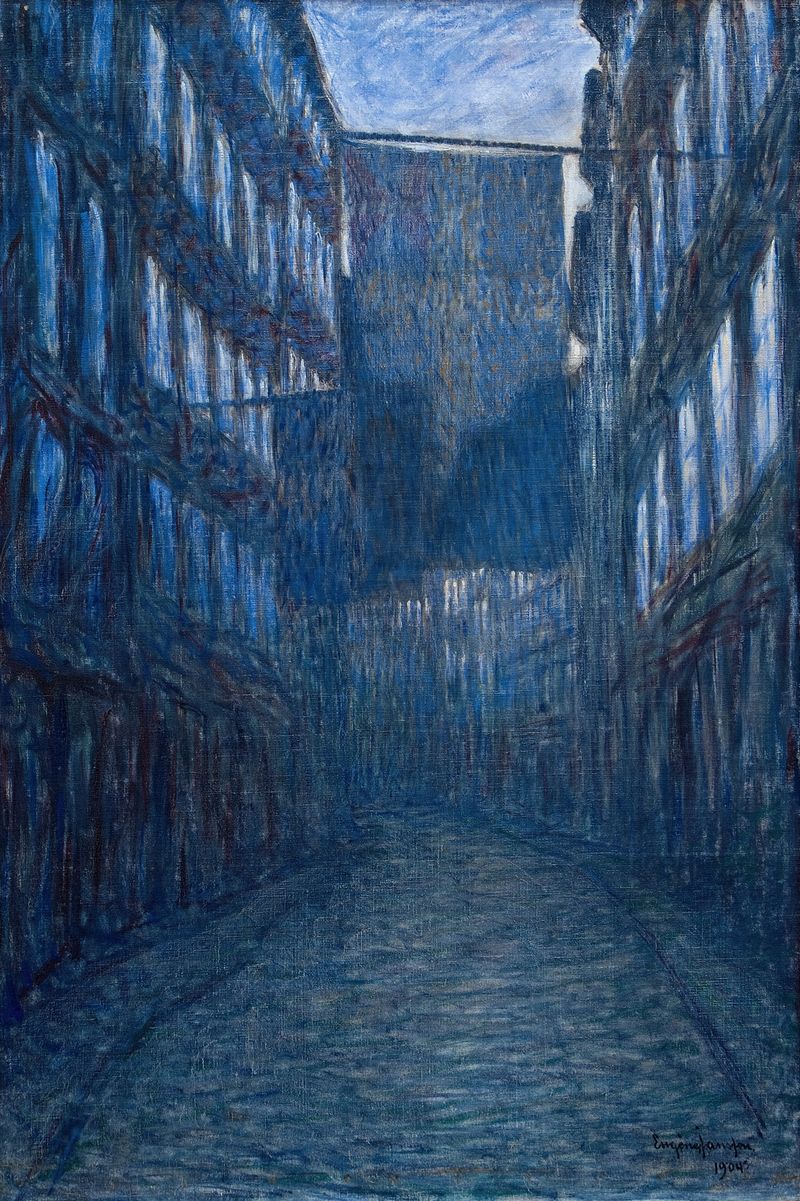
Österlånggatan
Eugène Jansson
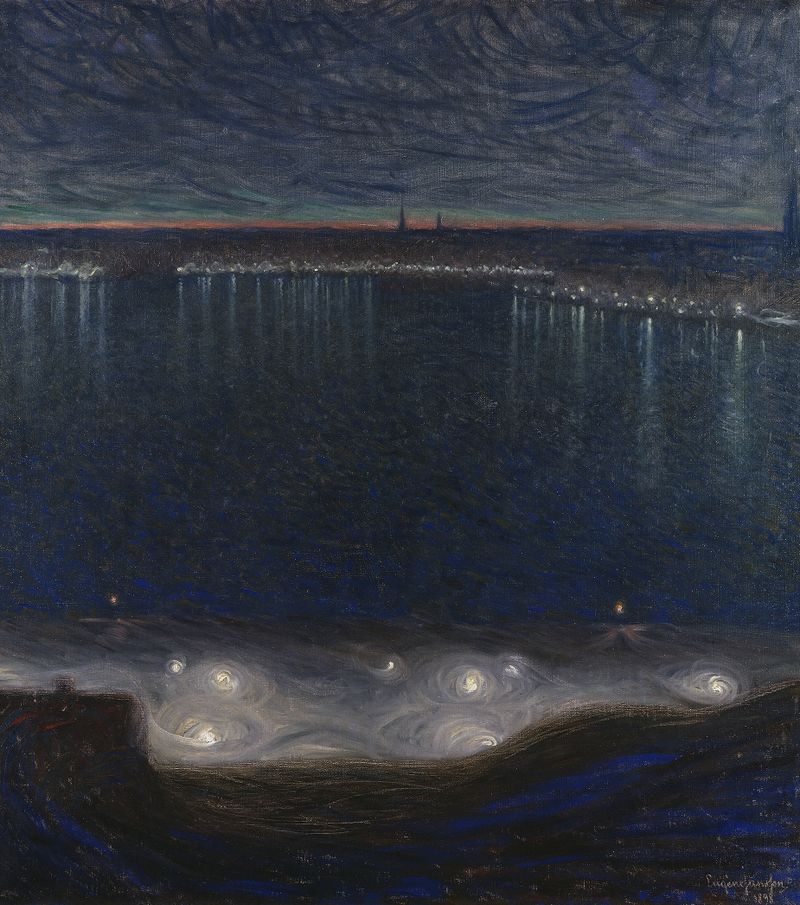
Riddarfjärden, Stockholm
Eugène Jansson
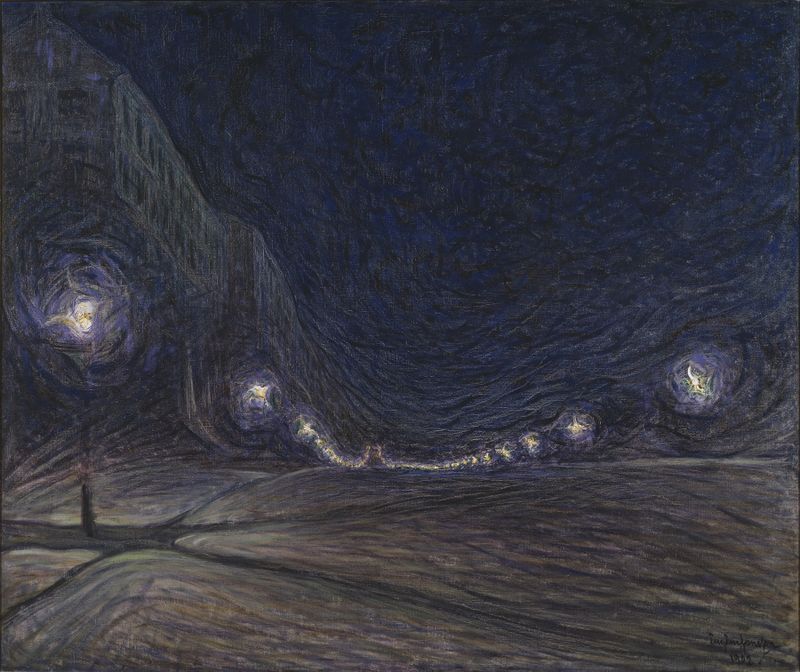
Hornsgatan by Night
Eugène Jansson
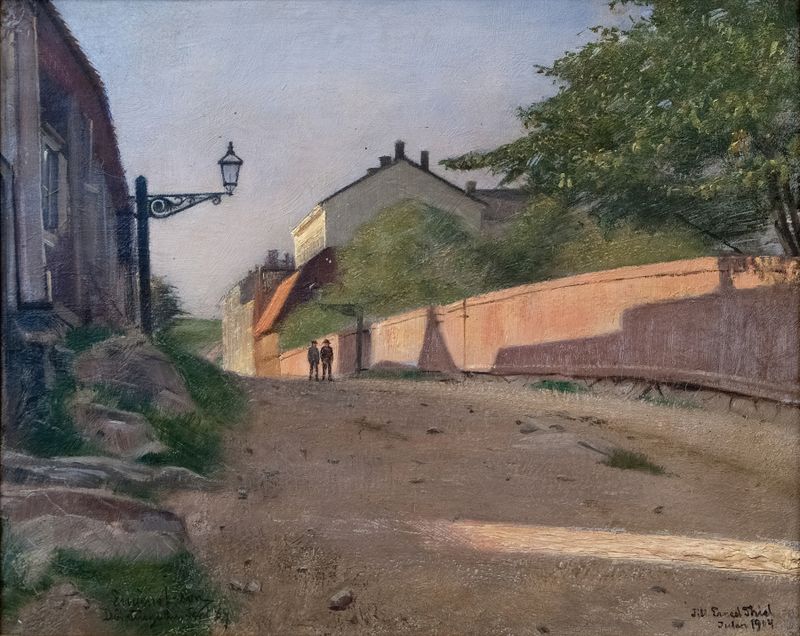
Döbelnsgatan
Eugène Jansson
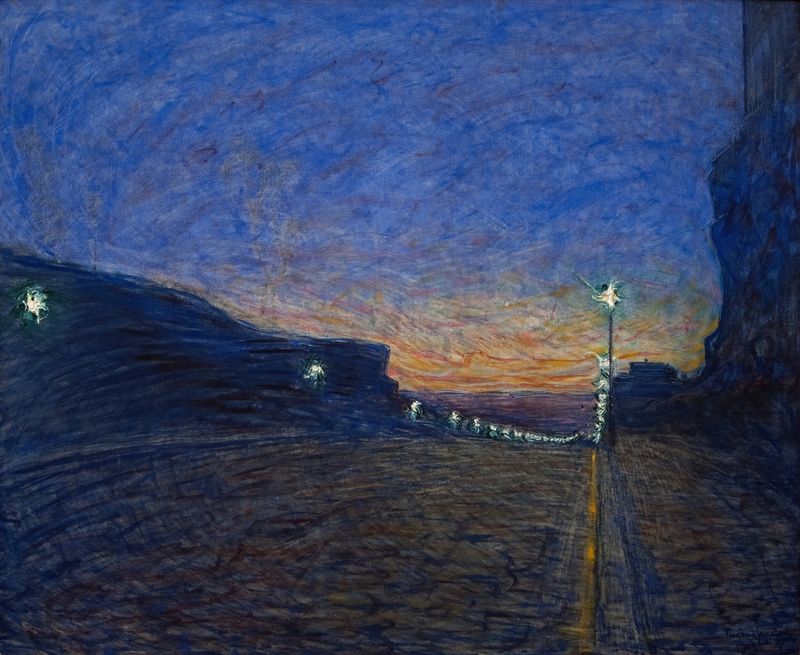
Hornsgatan
Eugène Jansson
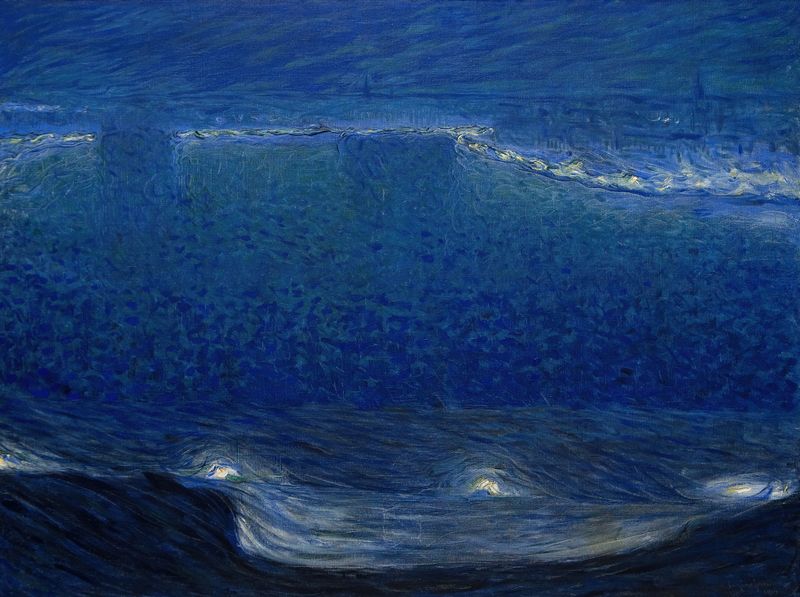
Nocturne
Eugène Jansson





