
At Pwllheli, N. Wales — History & Facts
Where does light end, and longing begin? In the delicate twilight of At Pwllheli, N. Wales, the boundaries blur, revealing the haunting beauty of decay. Look toward the horizon where the muted colors blend seamlessly, drawing your gaze across the canvas. Notice how the soft grays and blues wash over the scene, creating an ethereal backdrop that seems to sigh under the weight of fading light.
Focus on the fragmented structures that stand like ghostly sentinels, their outlines softened by the gentle brushwork, suggesting a once-vibrant past slowly surrendering to nature's relentless embrace. Within this tranquil setting lies an emotional tension, as the decay of structures symbolizes both fragility and resilience. The juxtaposition of the natural landscape against man-made remnants evokes a sense of nostalgia, a reminder of life’s transient nature. The golden light filtering through the clouds suggests moments of hope amidst desolation, inviting contemplation on the passage of time and the inevitable return to earth that awaits us all. In 1899, George Elbert Burr painted this work during a period of significant change in both his life and the art world.
Settling in the American West, he sought inspiration from the serene landscapes of Wales, a place imbued with his own memories and stories. The late 19th century was a time of experimentation in art, as the transition to modernism began; this piece captures Burr's contemplative spirit and his embrace of natural beauty amidst the shadows of history.
More Artworks by George Elbert Burr
Browse all →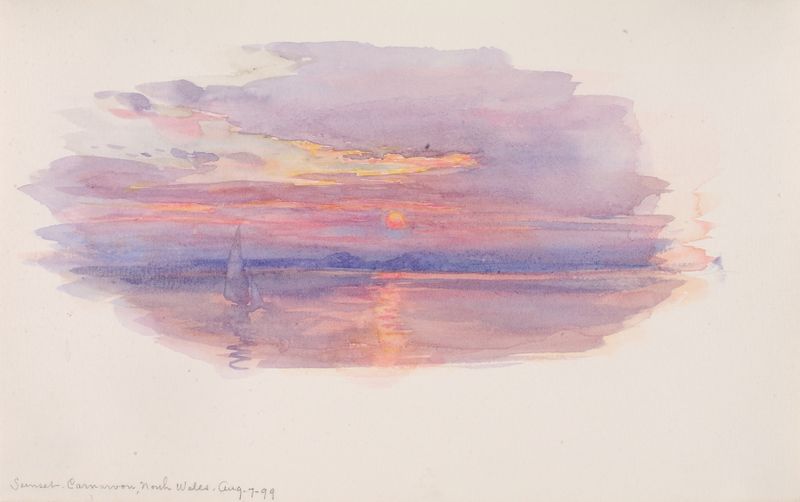
Sunset, Caernarvon, North Wales
George Elbert Burr
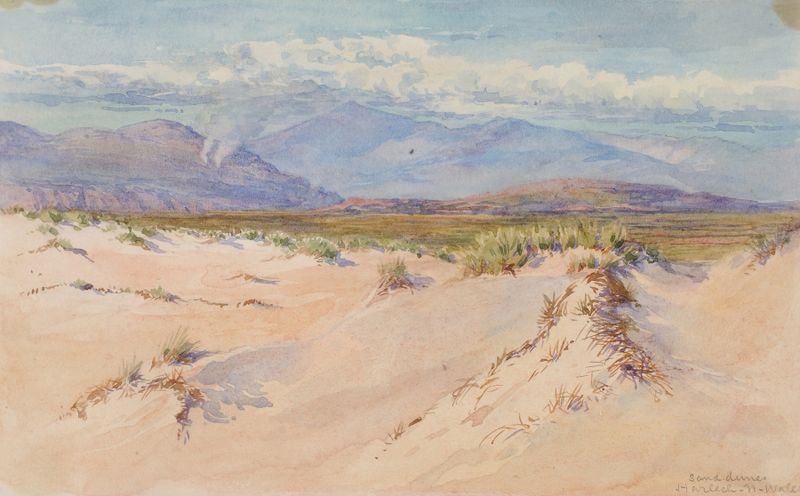
Sand Dunes, Harlech, North Wales
George Elbert Burr

From Pincio, Rome
George Elbert Burr

The Wye near Ross
George Elbert Burr

Venice
George Elbert Burr
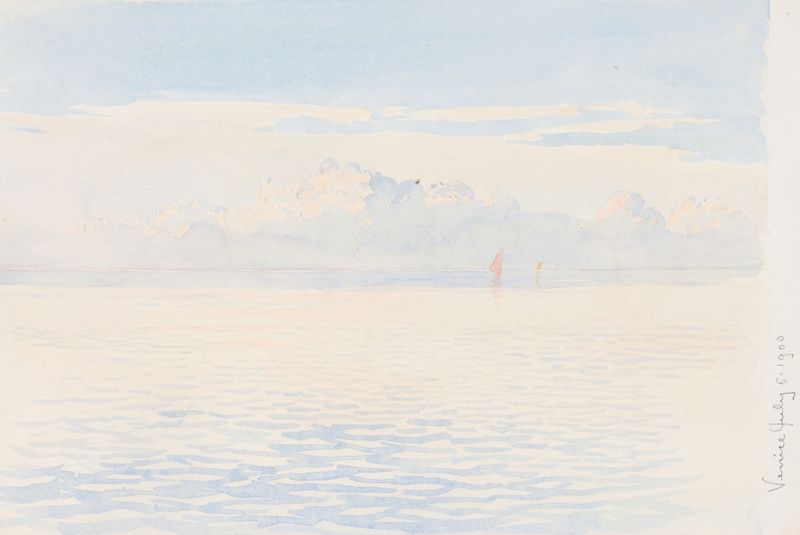
Venice II
George Elbert Burr

Shore at Pwllheli, N. Wales
George Elbert Burr

The Wye at Wilton Castle (Wales)
George Elbert Burr

Venice
George Elbert Burr

Criccieth, N. Wales II
George Elbert Burr





