
Au Comptoir (Bar) — History & Facts
In Au Comptoir (Bar), Alfred Ost captures a bustling bar scene filled with patrons engaged in lively conversation. The warm colors of the interior create an inviting atmosphere, while the figures are depicted in various poses, suggesting movement and interaction. The bar itself is richly detailed, showcasing bottles and glasses that reflect the light.
Overall, the painting conveys a sense of camaraderie and enjoyment among the bar-goers. The painting is executed in oil on canvas, a medium that allows for rich color and texture. Ost's technique involves careful attention to detail, particularly in the rendering of the figures and the bar's interior. The dimensions are approximately 80 x 100 cm, making it a sizable work that draws viewers in.
The composition is balanced, with the arrangement of figures guiding the eye throughout the scene. Alfred Ost was known for his depictions of everyday life, particularly in social settings like cafes and bars. Au Comptoir (Bar) is a fine example of his ability to capture the essence of human interaction in a public space. Interestingly, this work reflects the social changes of the early 20th century, where bars became popular gathering places.
Ost's focus on the vibrancy of these scenes showcases his appreciation for the simple pleasures of life.
More Artworks by Alfred Ost

Danseres
Alfred Ost

Dansers
Alfred Ost
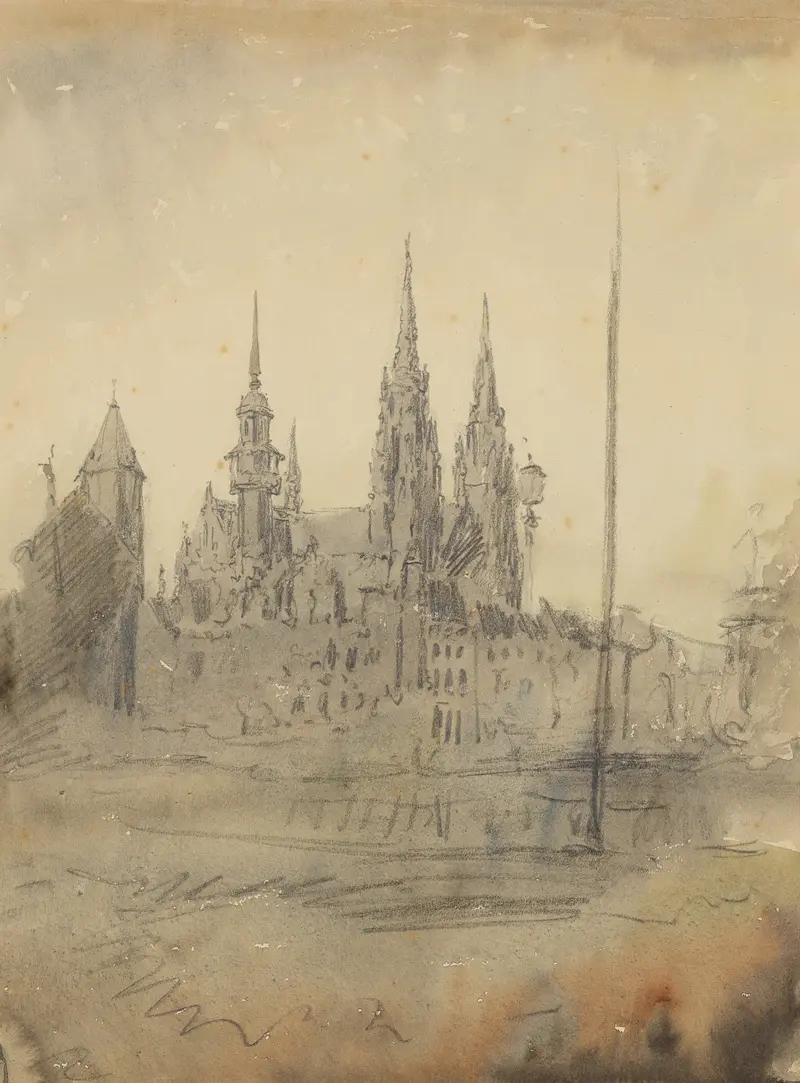
Oostende in de mist
Alfred Ost
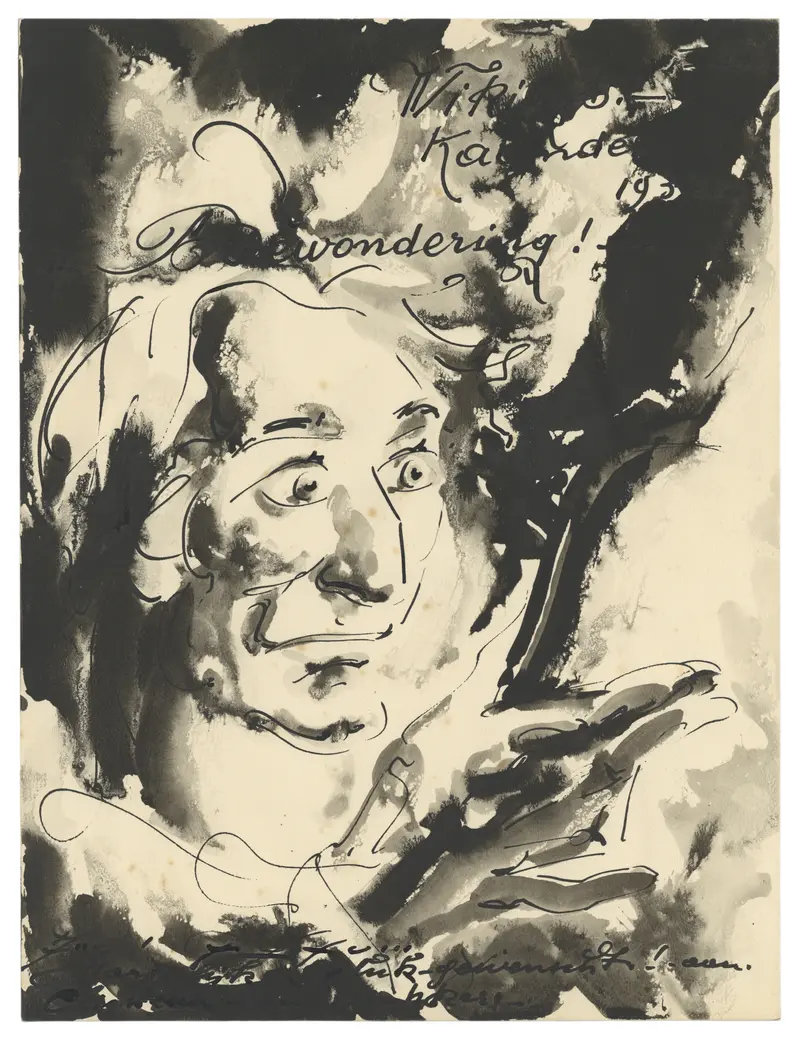
Vikingskalender – II Bewondering
Alfred Ost
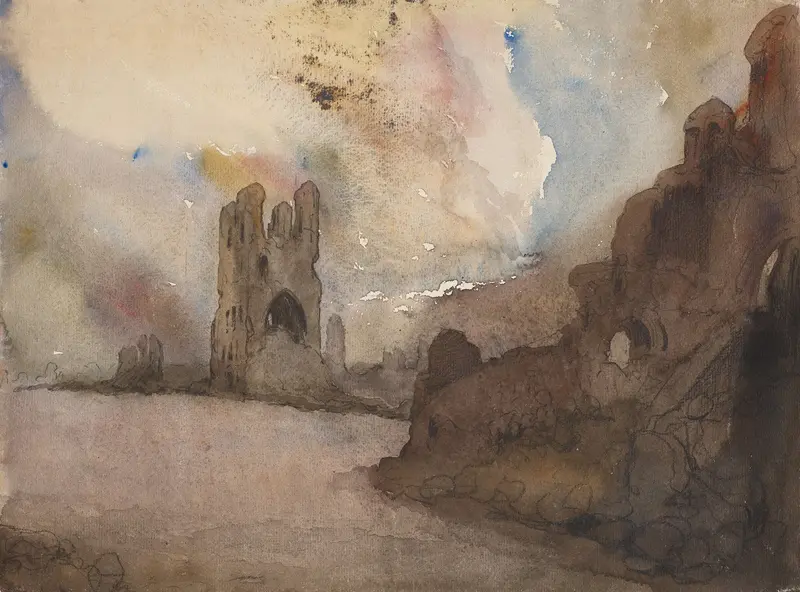
Ypres Remember
Alfred Ost
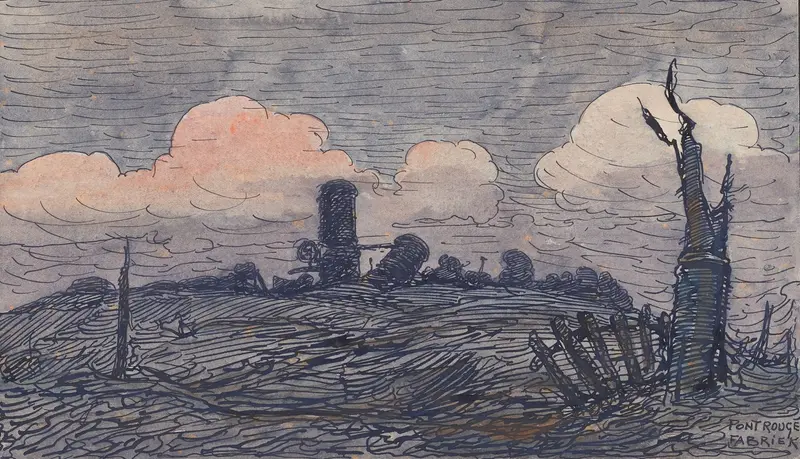
Ypres Remember
Alfred Ost
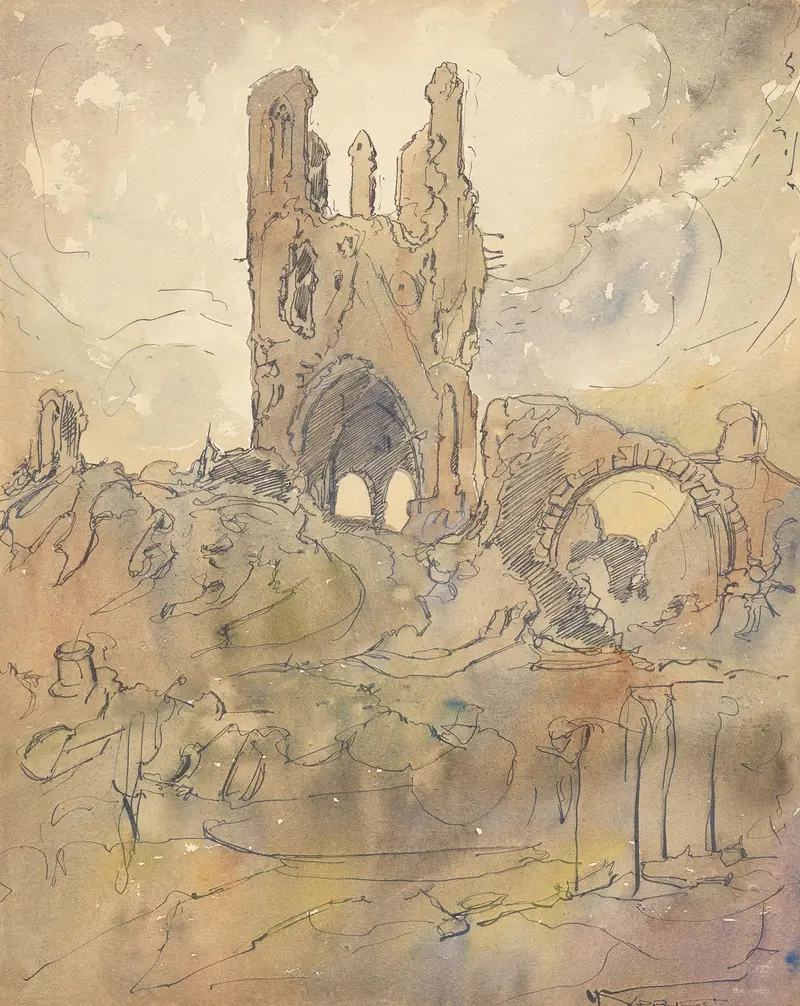
Ypres Remember
Alfred Ost
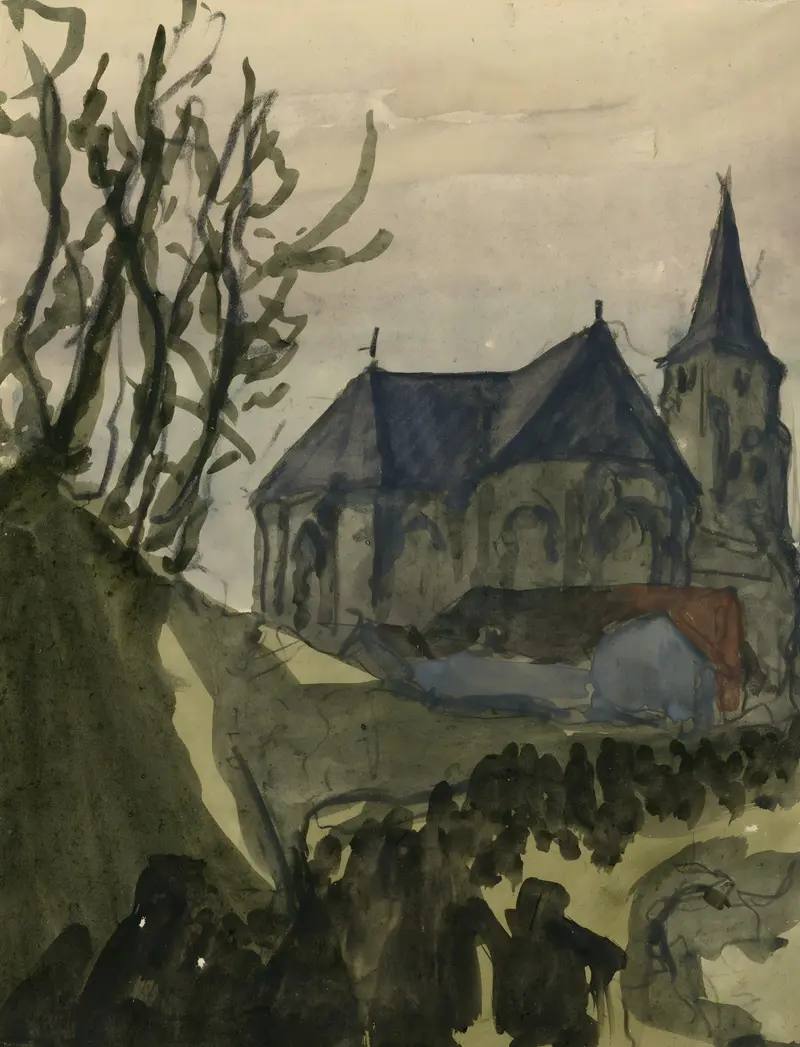
Bedevaarders op weg naar de Sint Salavtorkerk van Hakendover
Alfred Ost
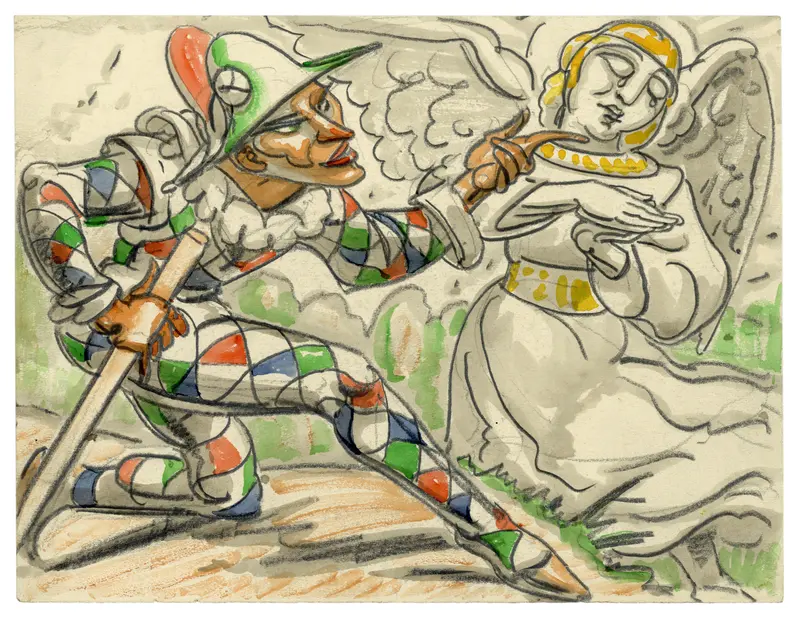
Harlekijn met engel
Alfred Ost

Antwerps havendok
Alfred Ost
More Genre Scene Art

Banquet of the Officers of the St George Civic Guard
Frans Hals

Rembrandt and Saskia in the Scene of the Prodigal Son
Rembrandt van Rijn

Bal du moulin de la Galette
Pierre-Auguste Renoir

Quadrille at the Moulin Rouge
Henri de Toulouse-Lautrec

A Burial at Ornans
Gustave Courbet

When Will You Marry?
Paul Gauguin