
Au pied du Sinaï – Front Cover — History & Facts
In Au pied du Sinaï, Henri de Toulouse-Lautrec employs a vibrant palette dominated by rich reds, deep blues, and warm earth tones. The composition features figures gathered at the foot of a mountain, likely representing a biblical scene. The figures are expressive, with dynamic poses that convey a sense of movement and emotion.
The background is filled with a dramatic landscape that enhances the overall intensity of the scene. The painting is executed in oil on canvas, a medium that allows for the rich color application and texture seen in the work. Viewers can observe the brushwork, which is characteristic of Post-Impressionism, with visible strokes that create a sense of depth and dimension. The dimensions are approximately 80 x 100 cm, making it a sizable piece that commands attention.
The use of light and shadow further adds to the drama of the composition. Henri de Toulouse-Lautrec is best known for his depictions of Parisian nightlife, but Au pied du Sinaï showcases his versatility as an artist. This work reflects his interest in religious themes, diverging from his typical subjects. An interesting fact about this painting is that it was created during a period when Lautrec was exploring different styles and subjects, demonstrating his willingness to experiment beyond the confines of his usual work.
More Artworks by Henri de Toulouse-Lautrec
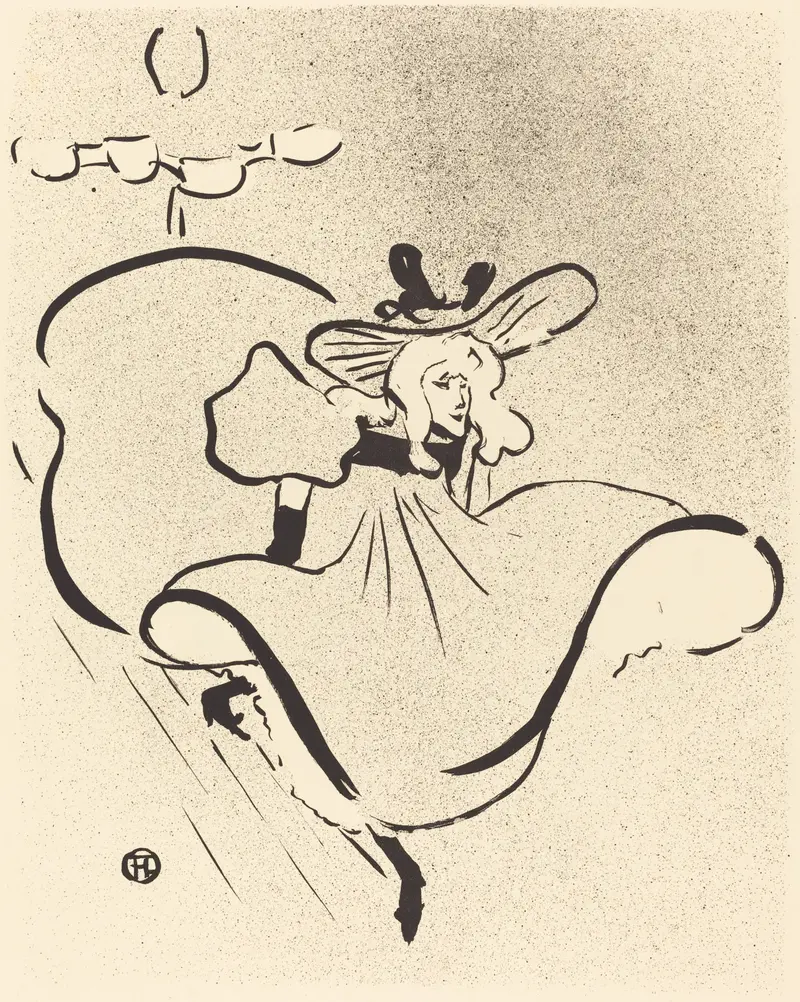
Jane Avril
Henri de Toulouse-Lautrec
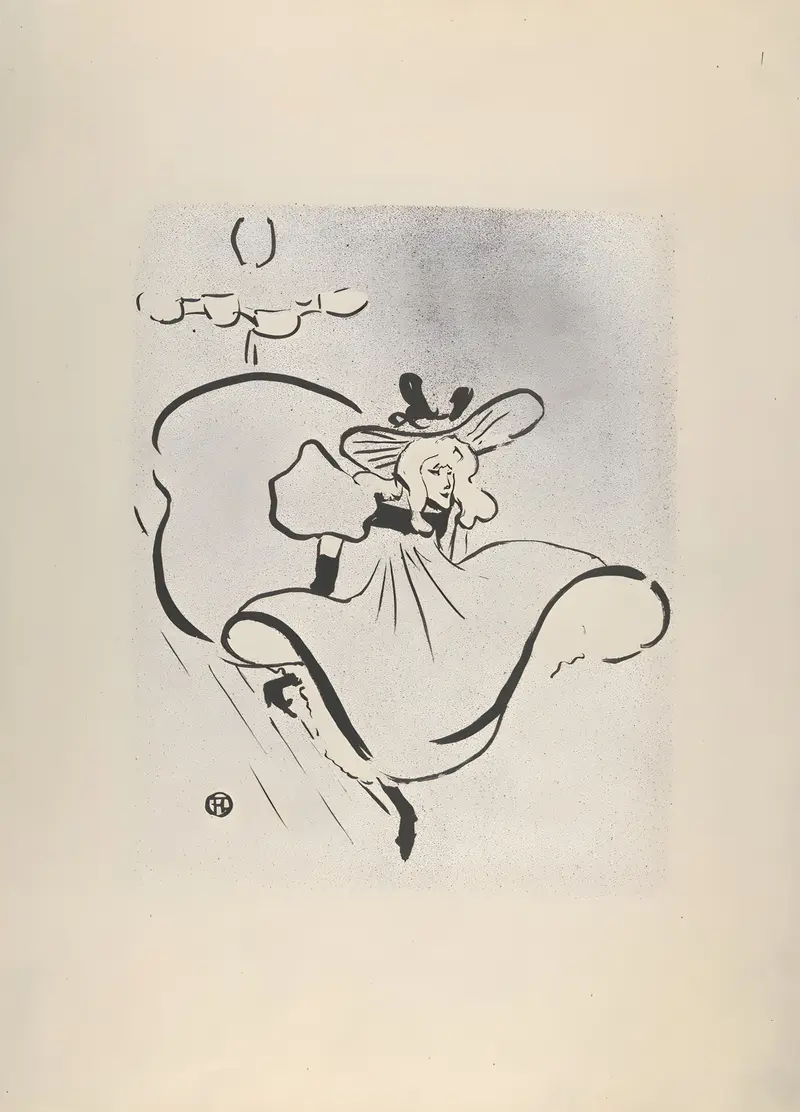
Jane Avril.
Henri de Toulouse-Lautrec

Quadrille at the Moulin Rouge
Henri de Toulouse-Lautrec
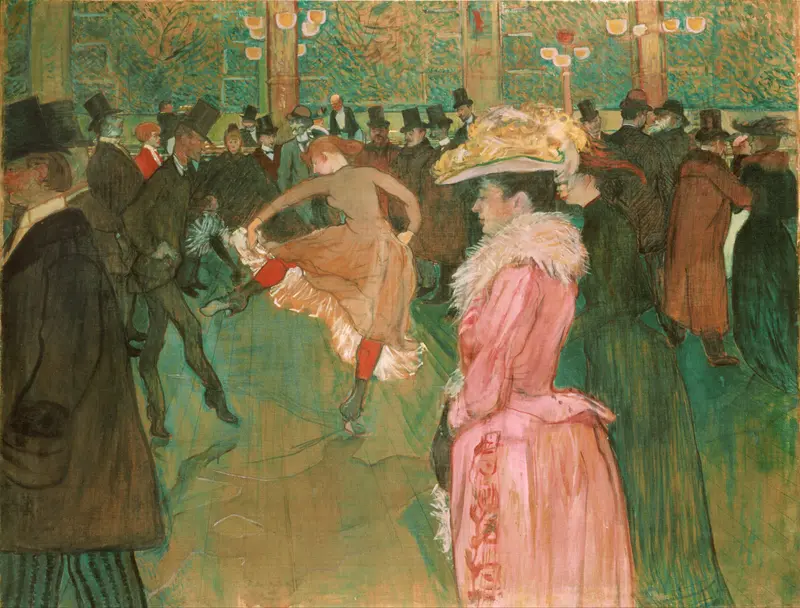
At the Moulin Rouge- The Dance
Henri de Toulouse-Lautrec
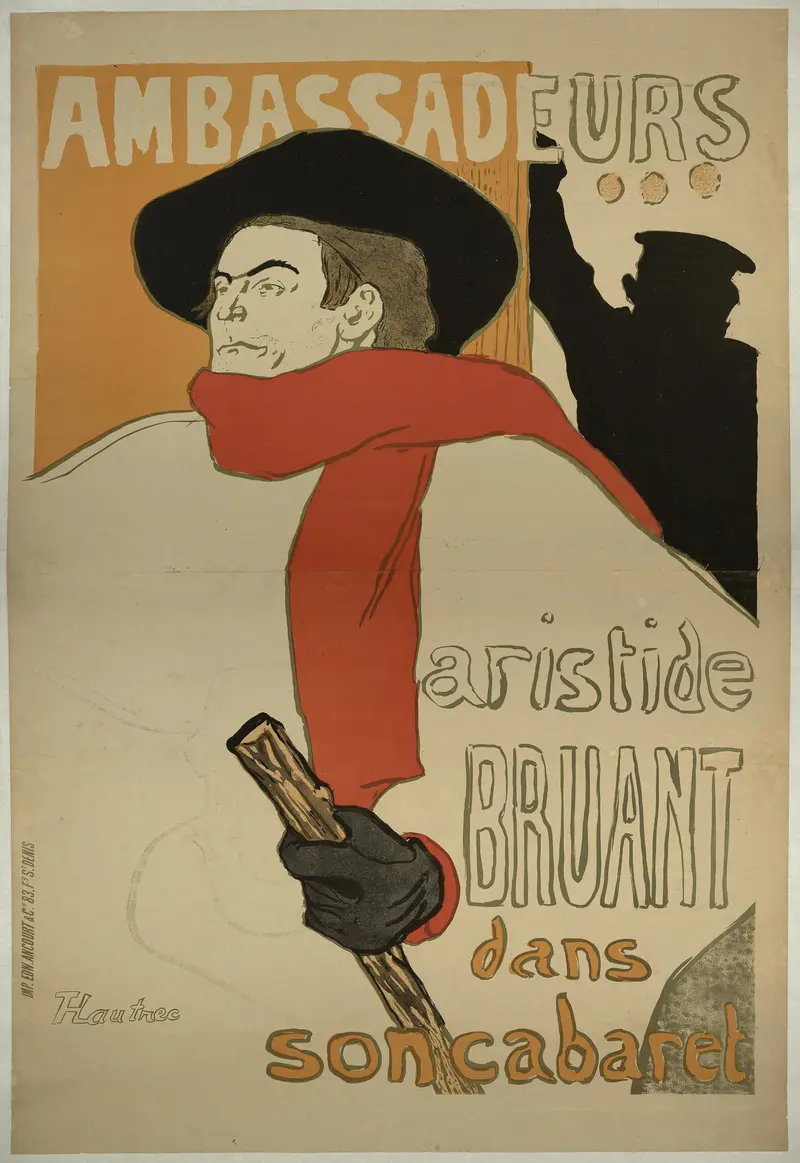
Ambassadeurs. Aristide Bruant dans son cabaret
Henri de Toulouse-Lautrec
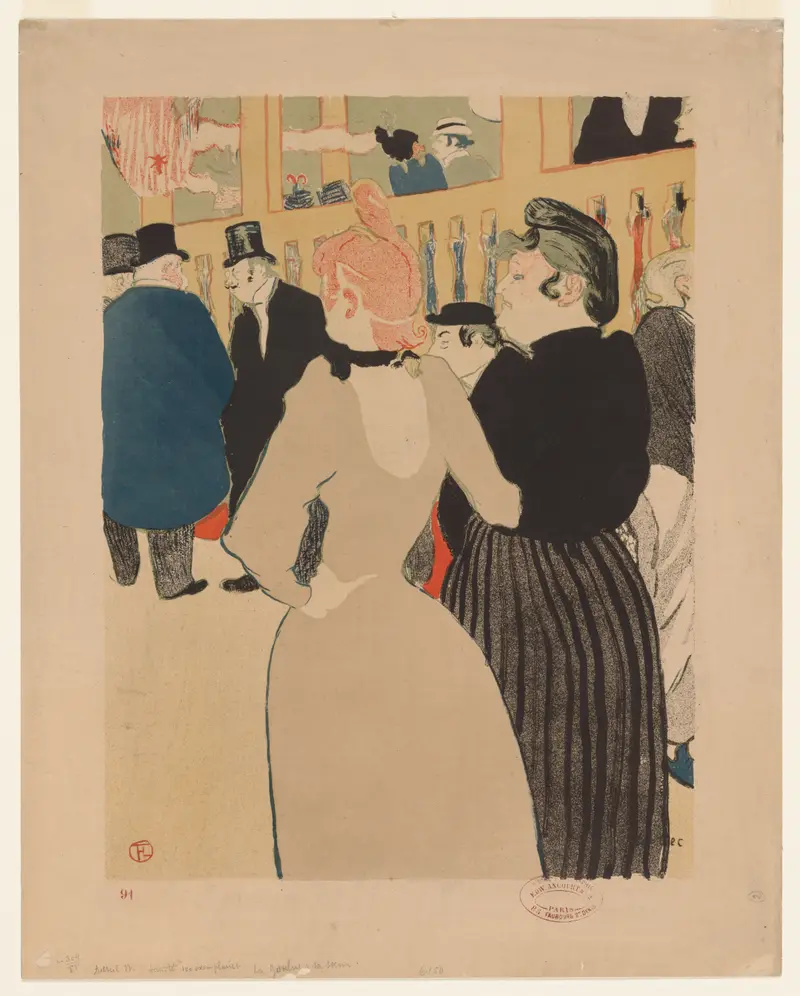
At the Moulin Rouge; La Goulue and Her Sister
Henri de Toulouse-Lautrec
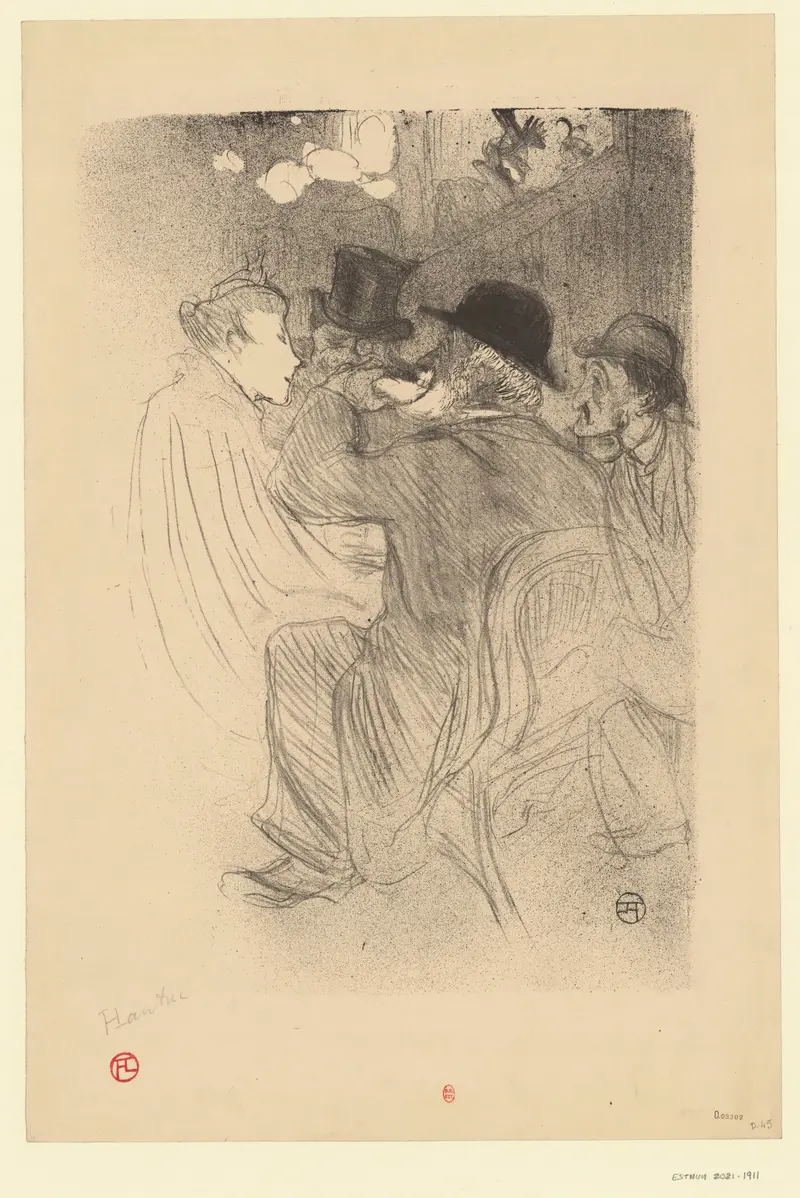
Au Moulin Rouge;Un Rude! Un Vrai Rude!
Henri de Toulouse-Lautrec
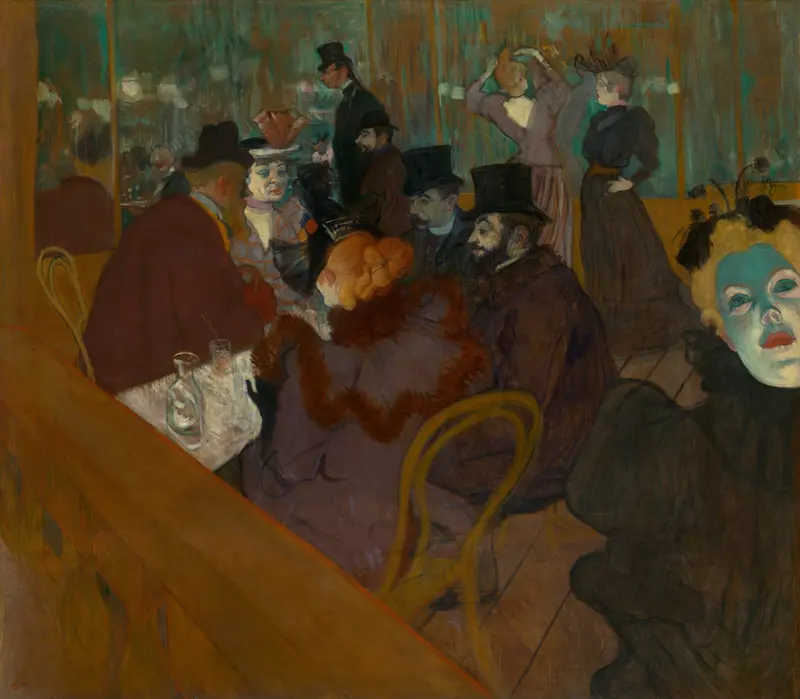
At the Moulin Rouge
Henri de Toulouse-Lautrec
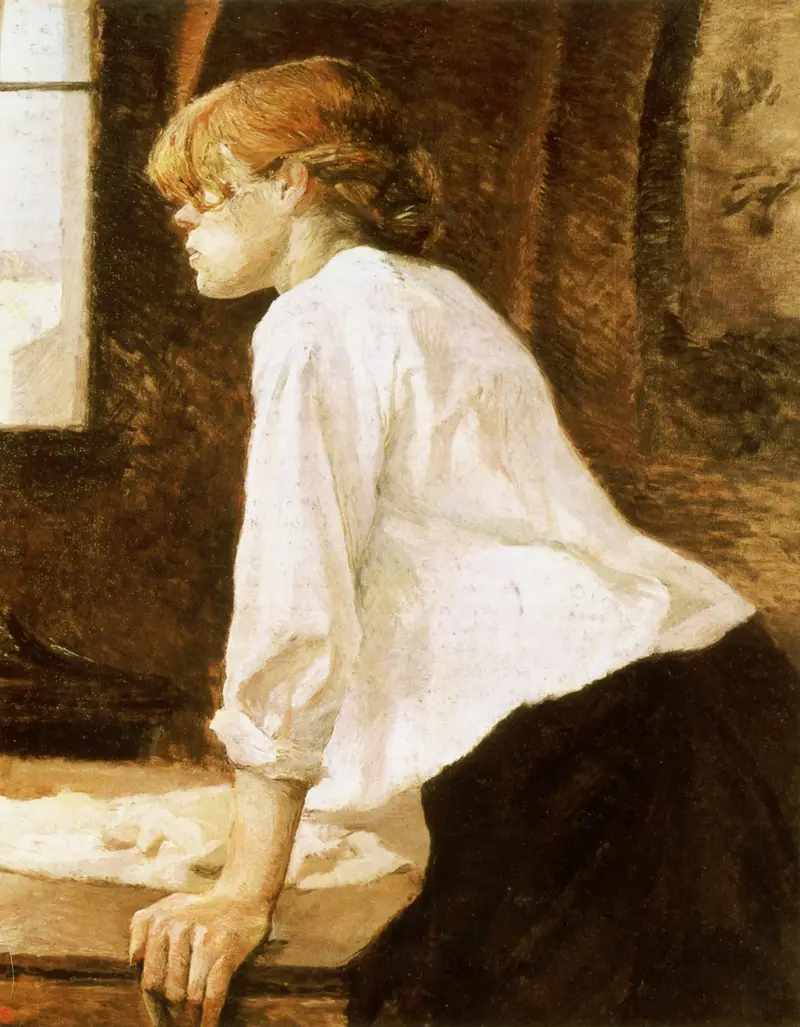
La Blanchisseuse
Henri de Toulouse-Lautrec
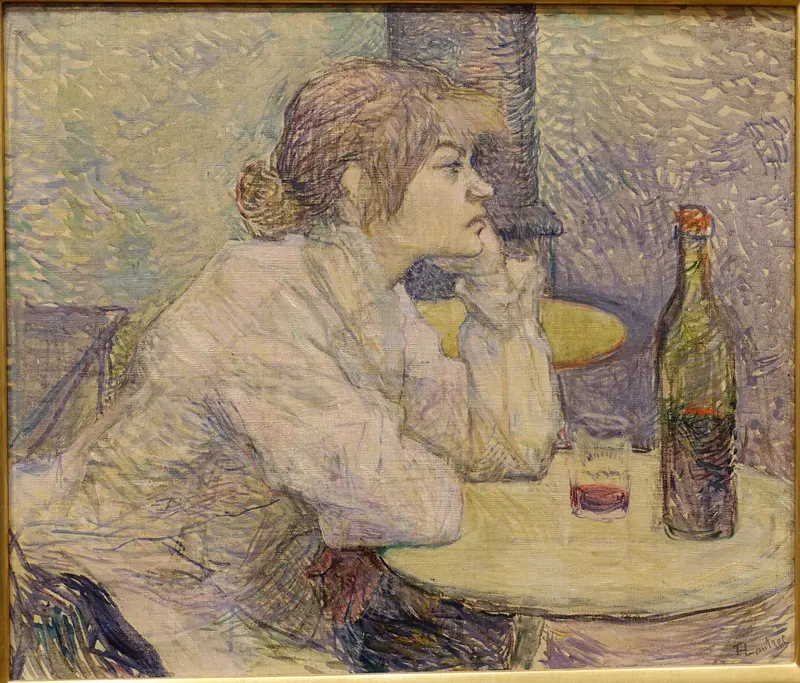
The Hangover (Suzanne Valadon)
Henri de Toulouse-Lautrec





