
Autoportrait dit Courbet au chien noir — History & Facts
Autoportrait dit Courbet au chien noir features Gustave Courbet himself, posing confidently with a black dog by his side. He is dressed in dark clothing, which contrasts with the lighter tones of the background. The setting appears to be a simple, natural environment, emphasizing the artist's connection with nature.
The dog's presence adds a touch of warmth and companionship to the composition. Notice the direct gaze of Courbet, which invites you to engage with him. The details in the dog's fur are painted with care, showcasing Courbet's attention to realism in his work. The background is somewhat blurred, allowing the viewer to focus on the figures in the foreground.
This technique highlights the importance of both the artist and his loyal companion in the scene. Gustave Courbet was a leading figure in the Realism movement, which aimed to depict everyday life and ordinary people without idealization. He painted this self-portrait in the 1840s, a time when he was gaining recognition in the art world. Courbet believed in the importance of painting from life, often using his own experiences as inspiration.
An interesting fact about him is that he famously declared, “I cannot paint an angel because I have never seen one.”
More Artworks by Gustave Courbet
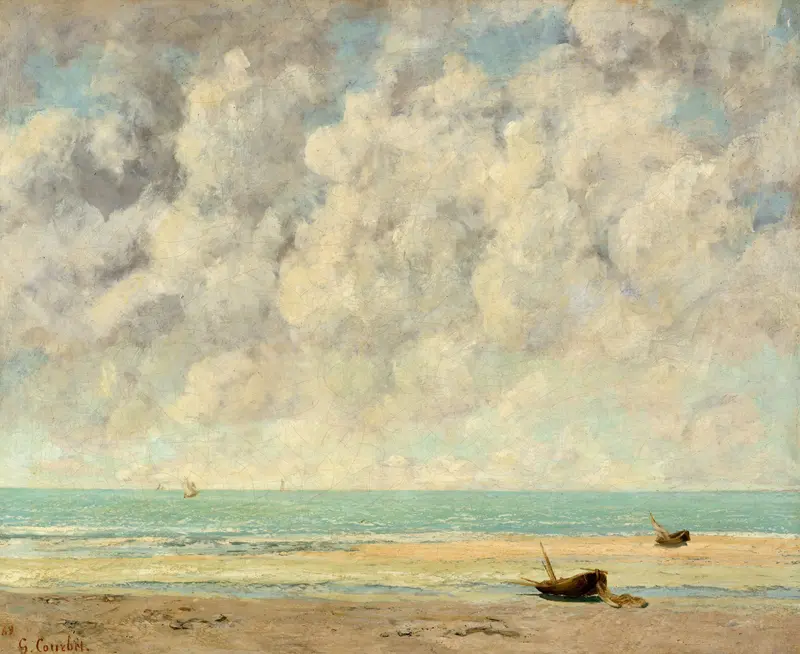
The Calm Sea
Gustave Courbet

A Burial at Ornans
Gustave Courbet
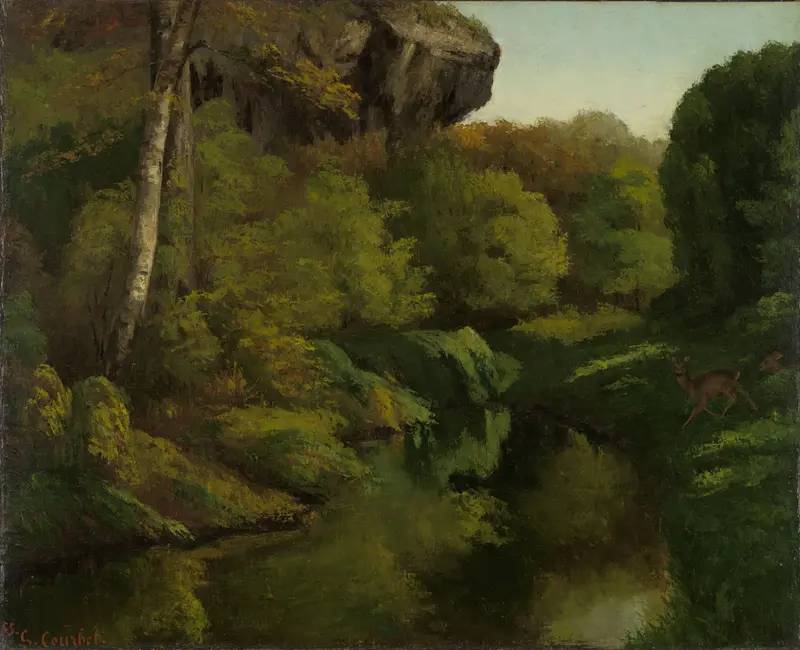
View in the Forest of Fontainebleau
Gustave Courbet
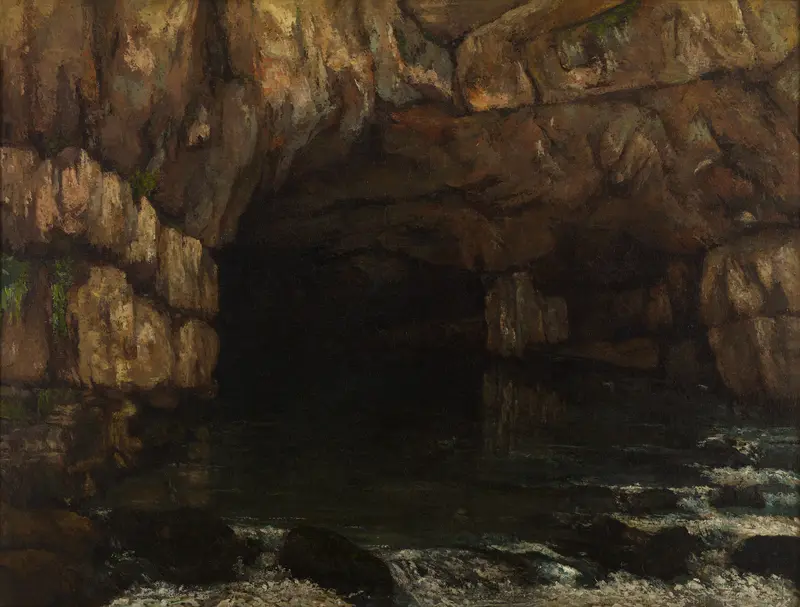
La source de la Loue (The Source of the Loue)
Gustave Courbet
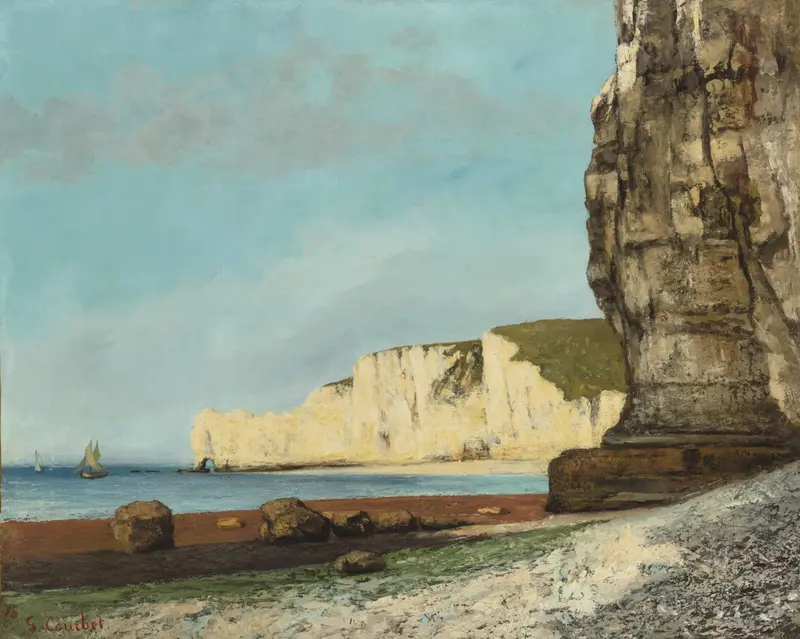
Étretat; Les Falaises
Gustave Courbet
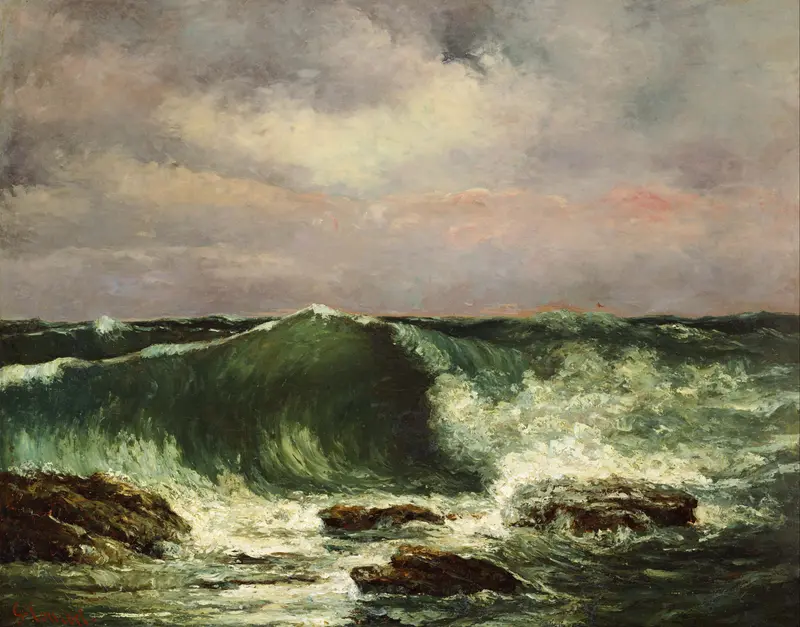
Waves
Gustave Courbet
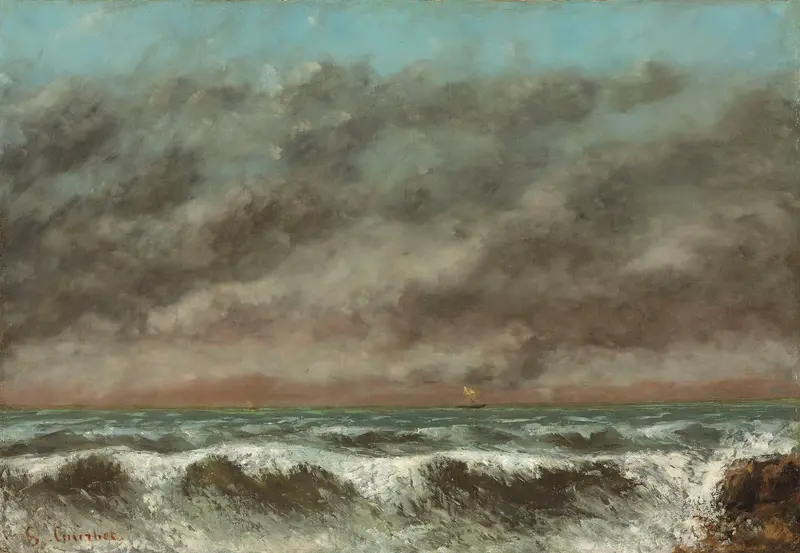
Marine
Gustave Courbet
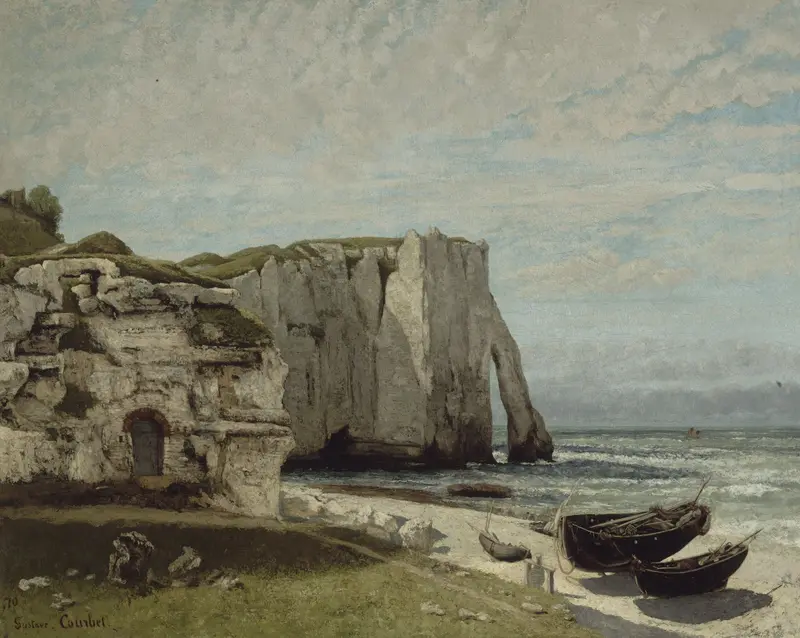
The Etretat Cliffs after the Storm
Gustave Courbet
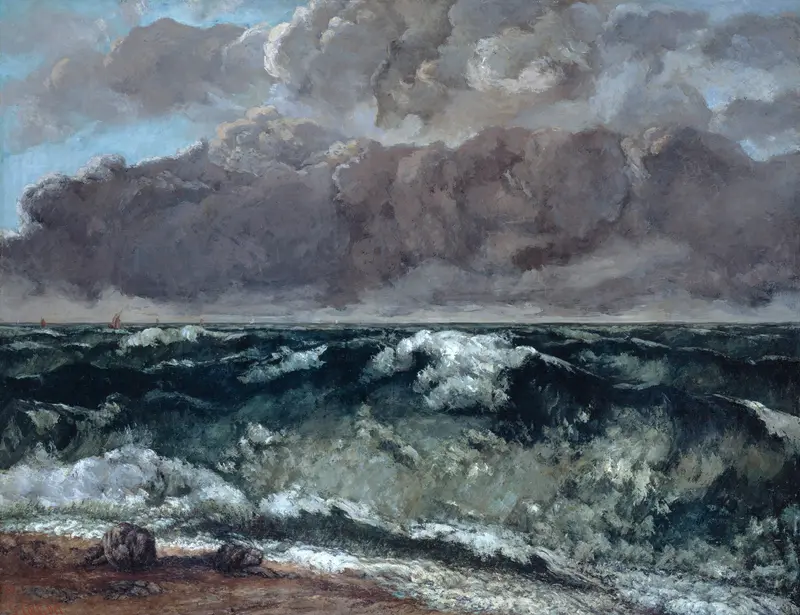
The Wave
Gustave Courbet
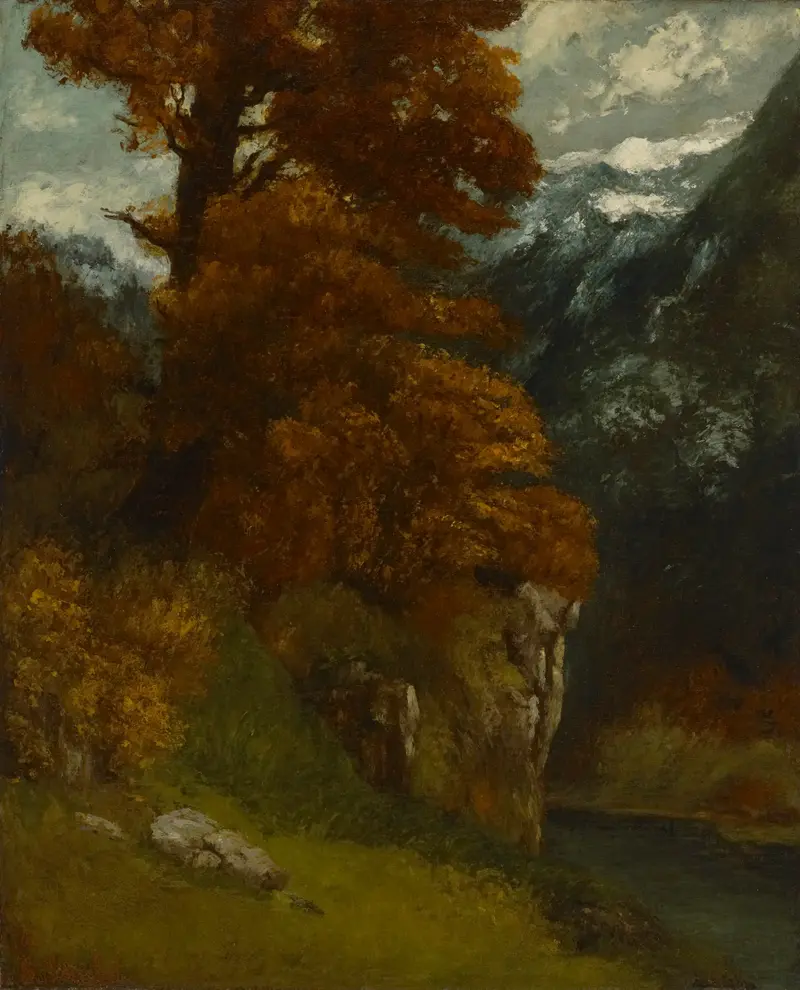
The Glen at Ornans (Bords du Doubs; Effet d’Automne)
Gustave Courbet





