
Autumn — History & Facts
This sentiment reverberates through the luminous landscape of Autumn, revealing a bittersweet dance of life and decay. Look to the foreground where vibrant splashes of amber and crimson leaves carpet the ground, their brilliant hues a stark contrast against the muted browns and grays of the trees. The light filters through the branches, casting delicate patterns on the earth, while an almost palpable stillness cloaks the scene. Notice how the painter’s brushwork evokes texture; each leaf seems to quiver in its own resolve, capturing the fleeting nature of the season.
The composition draws the eye deeper into the woods, inviting contemplation of the cycle of life, the end of warmth, and the onset of chill. Yet beneath the surface beauty lies a profound melancholy, as the vivid colors herald not just the splendor of autumn, but the inevitable approach of winter. The scattered leaves symbolize both the transition and loss, the bittersweet reminder that all beauty is transient. The shadows creeping among the trees further enhance this emotional tension, serving as a quiet acknowledgment of time’s passage and the fragility of existence.
This duality invites the observer to reflect on their own relationship with loss and renewal. In 1863, William Hart painted Autumn during a period marked by personal and societal upheaval, as the United States grappled with the Civil War. Living in New York, Hart was part of the Hudson River School, which celebrated the American landscape. His works often encapsulated the beauty of nature while subtly exploring its more somber themes, making this painting a poignant reflection of both his artistic evolution and the turbulent context of his time.
More Artworks by William Hart
Browse all →
Cattle on the River
William Hart
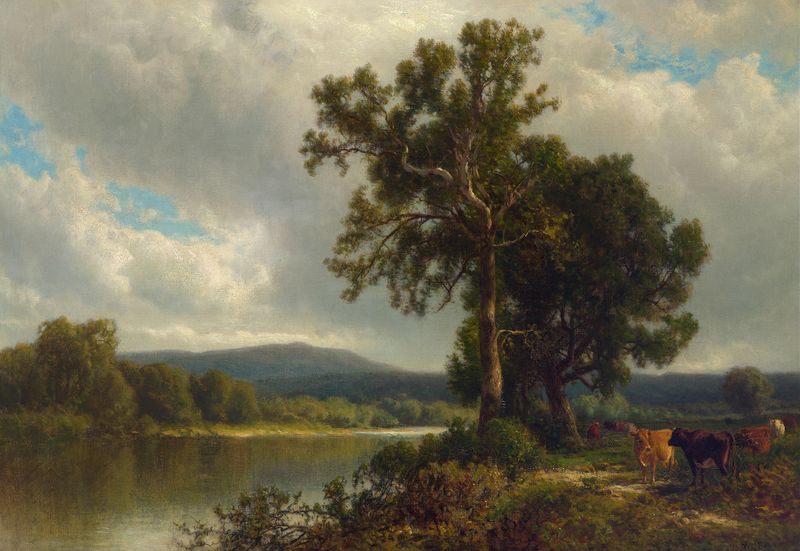
Scene at Napanoch
William Hart
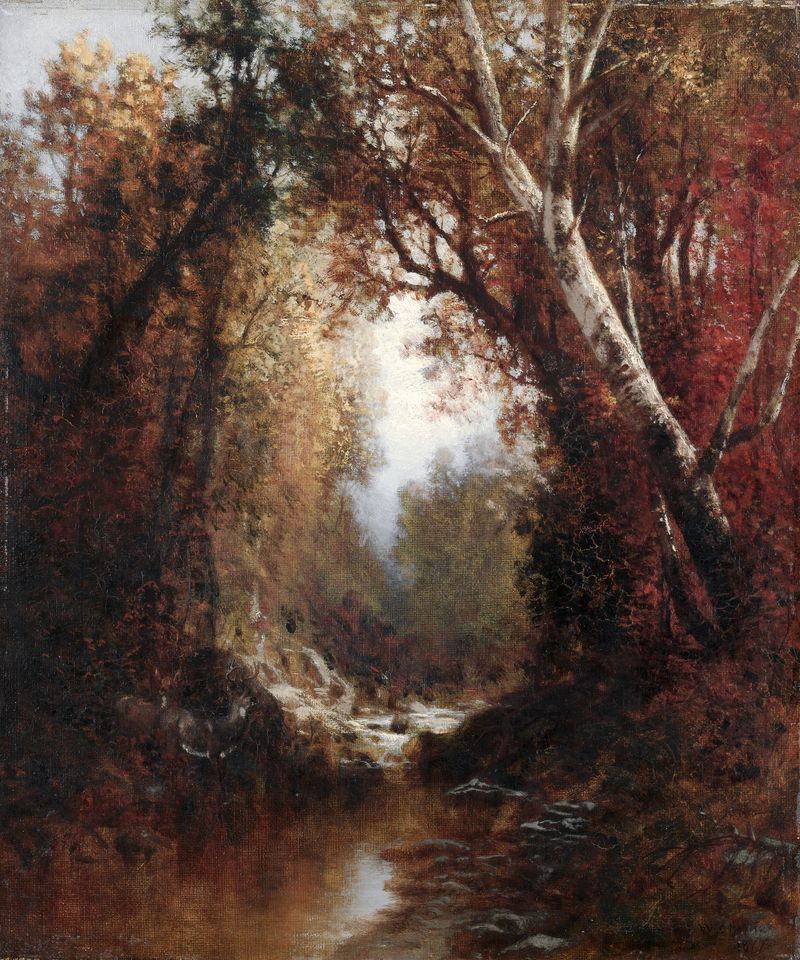
Autumn Scene in the Adirondacks
William Hart
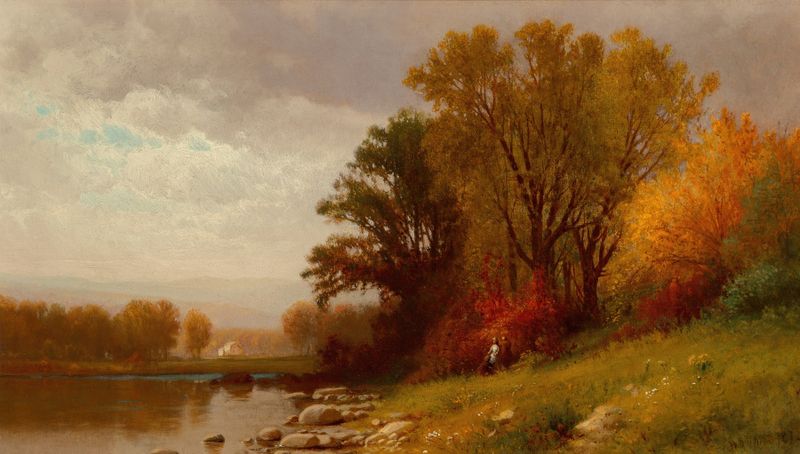
A Fall Day
William Hart
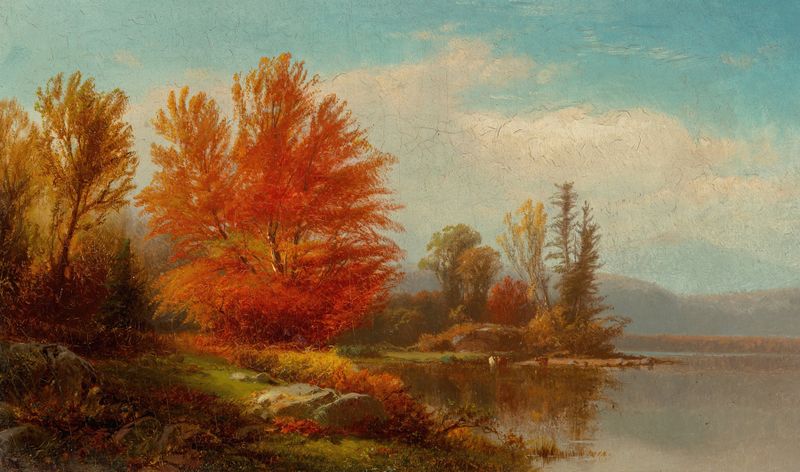
Autumn
William Hart
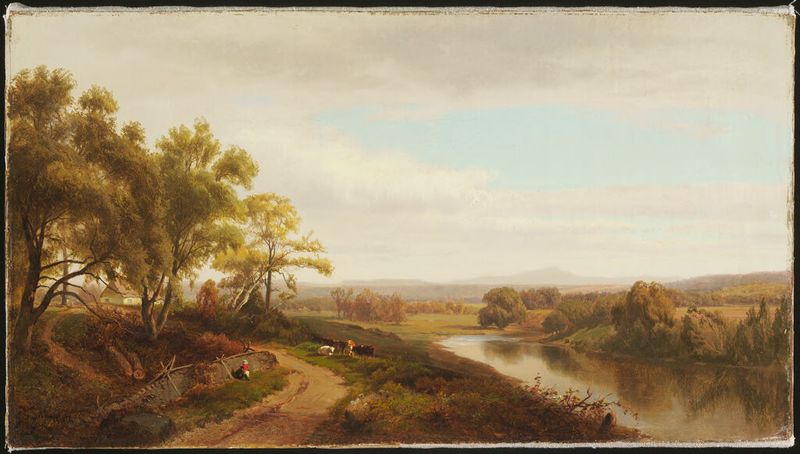
Valley of the Bedford
William Hart
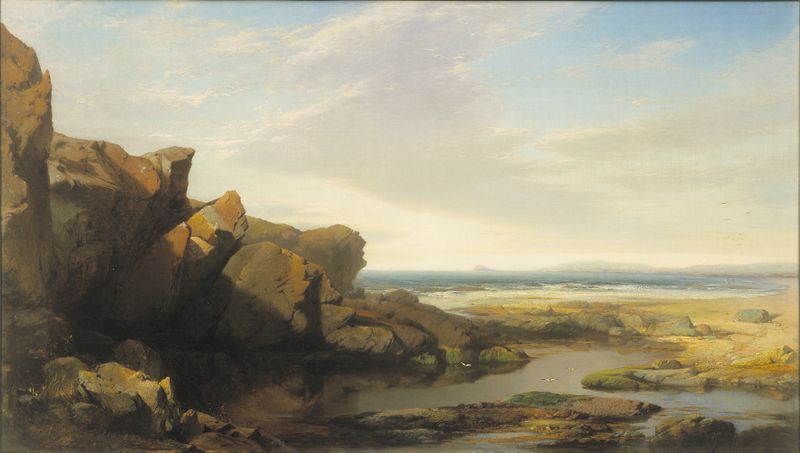
Pools by the Seaside
William Hart

Bennington, Vermont
William Hart
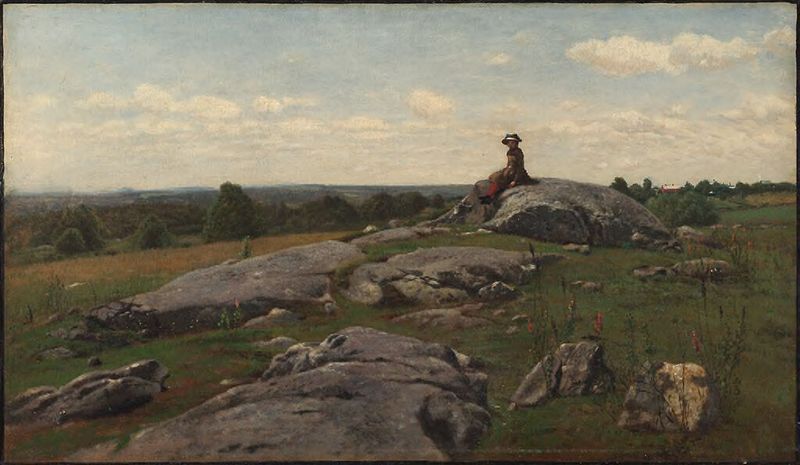
Young Girl in a Rocky Field
William Hart

The Joy of Autumn
William Hart





